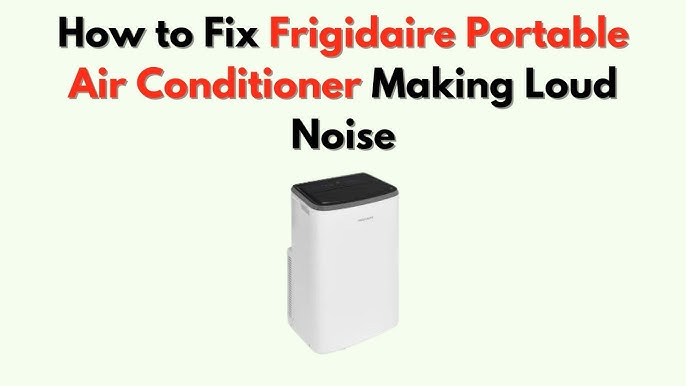
Is your air conditioner making strange noises that won’t stop? That constant buzzing, rattling, or grinding can be more than just annoying—it might signal a problem that could cost you more if ignored.
You rely on your AC to keep your home cool and comfortable, so when it starts acting up, you want to fix it fast. You’ll discover simple steps you can take to identify and fix the most common causes of a noisy air conditioner.
By the end, you’ll know exactly how to get your AC running quietly again—and save money on repairs. Keep reading to take control of your comfort and silence that noise for good.
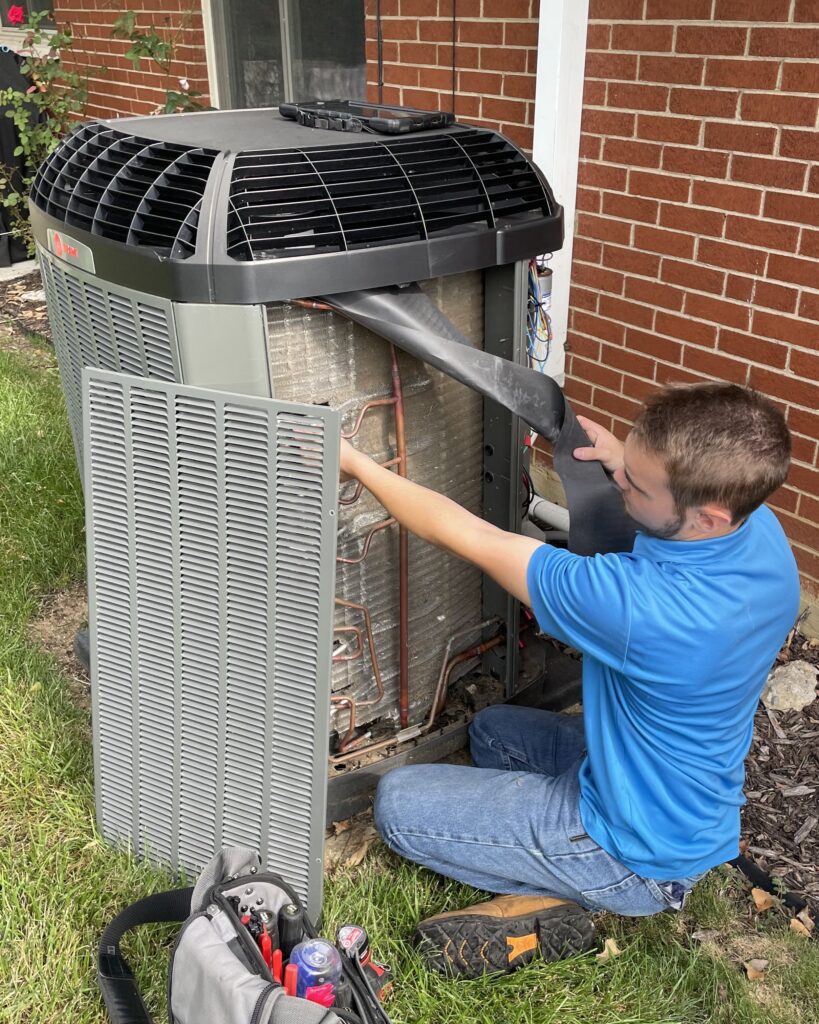
Credit: www.logan-inc.com
Common Causes Of Ac Noise
Air conditioners can make noise for many reasons. Some noises are normal, but loud sounds can signal a problem.
Knowing the common causes of AC noise helps you fix it quickly. This saves money and keeps your home quiet.
Loose Or Damaged Parts
Parts inside the air conditioner can get loose or broken over time. This causes rattling or banging sounds.
Loose screws, panels, or bolts often create noise when the AC runs. Damaged parts can also hit other components.
- Check screws and bolts for tightness
- Look for cracked or broken parts
- Tighten or replace any damaged pieces
Debris In The Unit
Dirt, leaves, or small objects can get inside the AC unit. This debris can block parts and cause noise.
Debris often causes scraping or buzzing sounds. It can also reduce the AC’s efficiency if not removed.
- Clear leaves and dirt from the outside unit
- Remove any small objects near the fan blades
- Clean the unit regularly to prevent debris build-up
Worn Out Fan Motor
The fan motor moves air through the AC. If it wears out, it can make grinding or squealing noises.
A worn motor may slow down or stop working. This affects how well your AC cools your home.
- Listen for unusual sounds near the fan
- Check if the fan spins freely
- Replace the motor if it shows signs of wear
Compressor Issues
The compressor is the heart of the AC. Problems here can cause loud banging or humming noises.
Compressor issues often need a professional to fix. Ignoring the noise can cause bigger damage.
- Listen for loud or strange compressor sounds
- Check if the AC cools properly
- Call a technician if you suspect compressor problems

Credit: www.youtube.com
Safety First Before Repairs
Fixing a noisy air conditioner can be tricky. Safety is the top priority.
Follow these safety tips to protect yourself before starting any repair.
Turn Off Power
Always turn off the power before you touch your air conditioner. This prevents electric shocks and accidents.
Locate the main breaker or switch that controls the air conditioner and switch it off. Use a voltage tester to confirm no electricity is flowing.
Use Proper Tools
Using the right tools makes repairs safer and easier. Avoid using damaged or wrong-sized tools.
- Screwdrivers with insulated handles
- Voltage tester
- Wrench set
- Flashlight for dark spaces
- Multimeter for checking electrical parts
Wear Protective Gear
| Protective Gear | Purpose |
|---|---|
| Safety Glasses | Protect eyes from dust and debris |
| Gloves | Guard hands from sharp parts and electricity |
| Long Sleeves | Protect skin from cuts and scrapes |
| Closed-Toe Shoes | Prevent foot injuries |
Always wear the protective gear listed above before starting any repair work on your air conditioner.
Cleaning The Air Conditioner
A noisy air conditioner often needs cleaning to work quietly again. Dirt and debris can cause parts to rub or strain.
Regular cleaning keeps your air conditioner running smoothly and helps stop unwanted sounds.
Remove Debris And Dirt
Start by turning off the power to your air conditioner. Clear away leaves, grass, and other debris from around the unit.
- Use a brush or cloth to wipe dust off the outside.
- Check the fan blades for dirt build-up.
- Remove any sticks or trash blocking the vents.
Clean Or Replace Filters
Filters trap dust and dirt from the air. Dirty filters make the unit noisy and less efficient.
- Locate the air filter inside the unit.
- Remove the filter carefully.
- If the filter is reusable, wash it with warm water and mild soap.
- Let it dry completely before putting it back.
- If the filter is disposable, replace it with a new one.
Clear The Condenser Coils
The condenser coils help cool the air. Dirt on coils reduces airflow and causes noise.
| Cleaning Tool | Use |
| Soft brush | Gently remove loose dirt |
| Garden hose | Wash coils with low water pressure |
| Coil cleaner spray | Remove stubborn grime safely |
Tightening Loose Components
A noisy air conditioner often has loose parts causing rattling sounds. Fixing these loose components can reduce noise and improve performance.
Check screws, bolts, fan blades, and mounting brackets carefully. Tightening them is a simple way to stop unwanted noise.
Check Screws And Bolts
Loose screws and bolts inside your air conditioner can cause vibration noises. Inspect all visible screws and bolts around the unit.
- Turn off the power to the air conditioner.
- Use a screwdriver or wrench to check each screw and bolt.
- Tighten any that feel loose but be careful not to overtighten.
- Focus on screws holding the panels and internal parts.
- After tightening, turn on the unit and listen for noise changes.
Secure Fan Blades
Fan blades that wobble or hit the housing create loud sounds. Make sure the blades are firmly attached and balanced.
| Check Point | Action |
|---|---|
| Blade Screws | Tighten all screws holding fan blades securely. |
| Blade Balance | Adjust or replace blades if they wobble during rotation. |
| Blade Clearance | Ensure blades do not touch the fan housing or other parts. |
Inspect Mounting Brackets
Mounting brackets hold the air conditioner in place. Loose brackets cause shaking and noise when the unit runs.
- Locate all mounting brackets around the unit.
- Check for missing or loose screws and bolts.
- Tighten all fasteners securely using the right tool.
- Replace any damaged brackets to prevent movement.
Lubricating Moving Parts
A noisy air conditioner often needs lubrication on its moving parts. Proper lubrication helps the AC run quietly and smoothly. This guide explains how to lubricate those parts effectively.
Lubrication reduces friction and wear in the fan motor and other components. This lowers noise and extends the life of your air conditioner.
Identify Lubrication Points
First, find the parts that need oil. Common spots include the fan motor bearings, blower wheel shaft, and any other rotating parts. Check your AC manual if you are unsure.
- Fan motor bearings
- Blower wheel shaft
- Pulley shaft
- Other moving joints or pivots
Choose The Right Oil
Select oil made for electric motors or household appliances. Light machine oil or 3-in-1 oil works well. Avoid thick oils or grease as they can attract dust.
| Oil Type | Use | Notes |
| Light Machine Oil | Motor bearings, shafts | Dries slowly, protects well |
| 3-in-1 Oil | General lubrication | Easy to find, versatile |
| WD-40 | Not recommended | Water displacer, not lubricant |
Apply Properly
Clean the parts before applying oil. Use a few drops of oil on each lubrication point. Turn the fan by hand to spread the oil. Wipe off excess oil to avoid drips.
- Unplug the air conditioner for safety.
- Remove access panels to reach moving parts.
- Clean dust and dirt from parts.
- Put 2-3 drops of oil on each point.
- Manually rotate the fan or motor shaft.
- Replace panels and plug in the unit.
- Test the AC for noise reduction.

Credit: www.youtube.com
Fixing Fan Motor Issues
A noisy air conditioner often signals a problem with the fan motor. Fixing these issues can make your AC quieter and work better.
This guide covers how to test the motor, replace faulty parts, and balance fan blades to solve noise problems.
Test The Motor
Start by turning off the power to your air conditioner. Then, check the fan motor for any signs of wear or damage. Listen for unusual noises when the motor runs.
- Use a multimeter to check the motor’s electrical continuity.
- Inspect the motor bearings for wear or rust.
- Check if the motor shaft turns freely without resistance.
- Look for any burnt smells or visible damage on the motor.
Replace Faulty Parts
If you find bad bearings, burnt wires, or a broken motor shaft, replace those parts. Using new, compatible parts keeps the motor running smoothly.
| Faulty Part | Signs | Action |
| Bearings | Grinding noise, rough spinning | Replace with new bearings |
| Motor Shaft | Bent or stuck shaft | Replace motor or shaft |
| Wiring | Burn marks, loose connections | Repair or replace wiring |
Balance Fan Blades
Unbalanced fan blades cause noise and reduce efficiency. You can balance the blades yourself with simple tools.
Here is how to balance fan blades:
- Turn off power and remove the fan cover.
- Use a blade balancing kit or tape coins to the lighter blades.
- Spin the fan by hand and listen for wobbling.
- Adjust weights until the fan spins evenly and quietly.
Addressing Compressor Noise
A noisy air conditioner can be annoying. The compressor often causes loud sounds. Fixing this noise helps your AC work better.
Understanding compressor noise is key. You can check for simple issues before calling a technician.
Check For Refrigerant Leaks
Low refrigerant can cause the compressor to make noise. Leaks reduce cooling and stress the compressor.
Look for oily spots or hissing sounds near the AC unit. These signs show possible leaks.
- Inspect coils and connections carefully
- Listen for unusual hissing or bubbling sounds
- Check cooling performance for drops
Inspect Electrical Connections
Loose or damaged wires can cause compressor noise. Electrical issues make the compressor work hard.
Turn off power before checking wires. Look for burnt or loose connections near the compressor.
- Check wiring terminals for tightness
- Look for signs of corrosion or damage
- Ensure the capacitor is in good shape
When To Call A Professional
Some compressor noises need expert help. If you find leaks or electrical damage, call a technician.
Do not try to fix complex compressor parts yourself. A pro has the right tools and knowledge.
- Persistent loud or grinding noises
- Signs of refrigerant leaks you cannot fix
- Electrical problems beyond simple checks
- Compressor not turning on or running irregularly
Preventing Future Noise Problems
Keeping your air conditioner quiet is important for comfort. Noise can mean parts need care or repair. You can avoid many noise issues with simple actions.
Regular checks and cleaning help your AC run smoothly. This guide shows ways to prevent noise before it starts. Follow these tips to keep your system calm and efficient.
Regular Maintenance Tips
Regular maintenance stops small problems from growing. Check your air filter every month and replace it if dirty. Clean the fan blades and coils to avoid rattling sounds.
- Change or clean air filters monthly
- Tighten loose screws and bolts
- Lubricate moving parts yearly
- Inspect and clean fan blades and coils
- Clear debris around the outdoor unit
Scheduling Professional Checkups
Professional checkups catch issues you might miss. Experts can find worn parts and fix them early. Schedule a technician visit once a year for a full system check.
| Service | Why It Helps |
| Inspect electrical connections | Prevents shorts and noise from loose wires |
| Check refrigerant levels | Ensures smooth cooling and quiet operation |
| Test fan motors | Detects worn bearings causing noise |
| Clean internal parts | Removes dust that can cause rattling |
Keeping The Area Clean
A clean area around your AC helps it work better and quieter. Remove leaves, dirt, and other debris near the unit. Make sure nothing blocks the airflow around the system.
- Clear at least 2 feet around the outdoor unit
- Trim plants and bushes near the system
- Remove sticks, leaves, and trash regularly
- Keep the ground level to avoid water pooling
Frequently Asked Questions
Why Is My Air Conditioner Making Loud Noises?
Loud noises often indicate loose parts, debris, or motor issues. Check for loose screws, clean debris, and inspect the motor for wear. Regular maintenance can prevent these noises and ensure smooth operation.
How Can I Stop My Ac From Rattling Sounds?
Rattling usually comes from loose panels or debris inside the unit. Tighten screws, clean the unit thoroughly, and remove any foreign objects. Proper installation and regular servicing reduce rattling significantly.
What Causes Buzzing Sounds In Air Conditioners?
Buzzing often indicates electrical problems or a failing capacitor. Inspect wiring connections and replace faulty capacitors promptly. Avoid DIY electrical repairs; consult a professional for safety.
When Should I Call A Professional For Ac Noise?
Call a professional if noises persist after basic checks or if you hear grinding, banging, or humming. These sounds may signal serious mechanical or electrical issues requiring expert repair.
Conclusion
Fixing a noisy air conditioner is easier than you think. Regular maintenance helps keep noise levels down. Check for loose parts and tighten them. Clean or replace filters regularly to ensure smooth operation. Lubricate moving parts to reduce friction and noise.
Always turn off power before starting any repairs. If noise persists, consider calling a professional. They can identify and fix complex issues. Keeping your air conditioner quiet improves comfort. Enjoy the peace and quiet at home once again. Happy cooling!