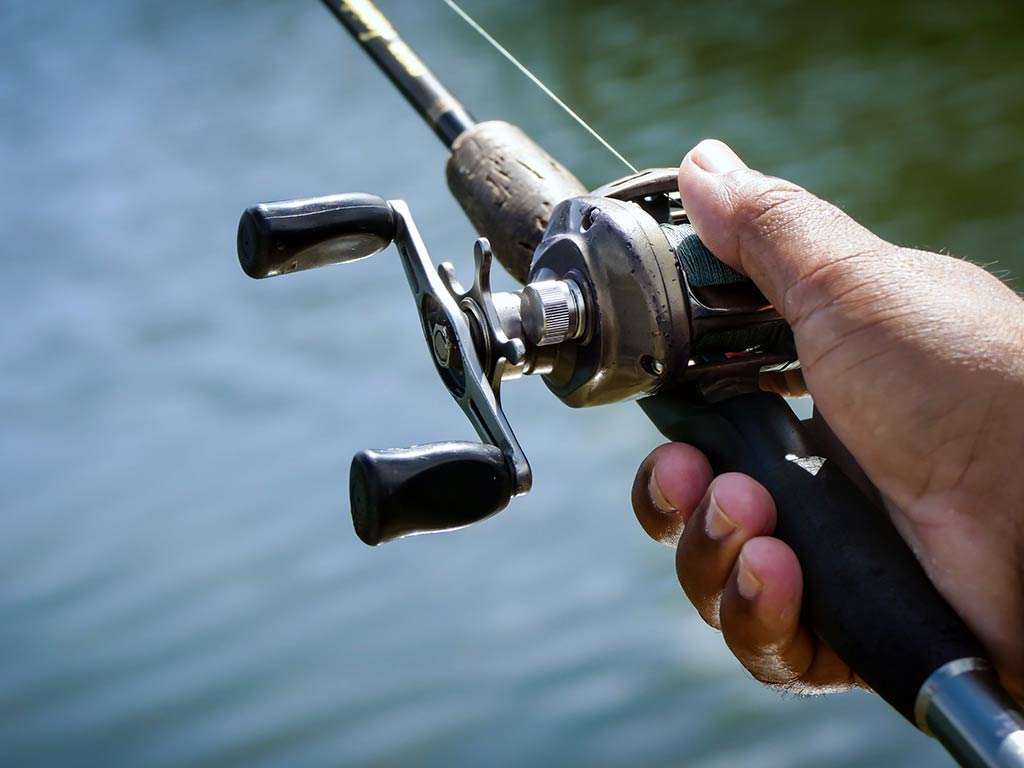
Are you ready to catch your next big fish? Knowing how to use a fish rod properly can make all the difference between a frustrating day and an exciting, successful fishing trip.
Whether you’re a beginner or just need a quick refresher, this guide will walk you through simple steps to master your fishing rod with confidence. By the end, you’ll feel ready to cast your line like a pro and enjoy every moment by the water.
Keep reading, and let’s get you hooked on fishing!
Choosing The Right Rod
Fishing with the right rod makes the experience more enjoyable. The rod you pick affects how well you catch fish. It also helps you handle the fish safely.
Learn about different rods and how to choose one that suits your needs. This guide covers types of rods, matching rods to fish, and rod length and power.
Types Of Fishing Rods
Fishing rods come in many types. Each type works best for certain fishing styles. Here are common types you should know:
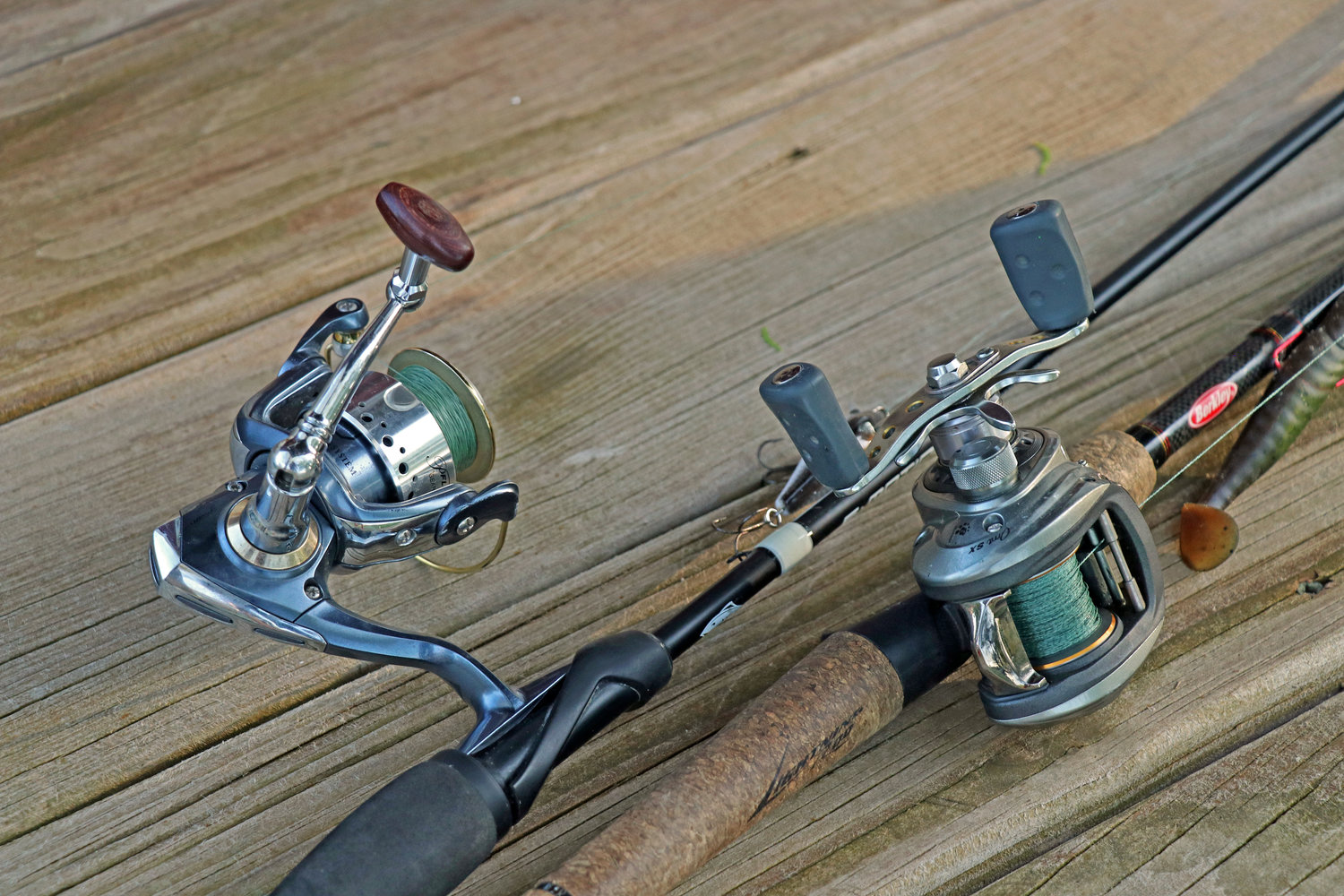
- Spinning Rods: Easy to use and good for beginners.
- Baitcasting Rods: Offer control for heavier lures.
- Fly Rods: Designed for fly fishing with light lines.
- Trolling Rods: Made for dragging bait behind a boat.
- Ice Fishing Rods: Short rods for fishing through ice holes.
Matching Rod To Fish Species
Different fish need different rods. Small fish need light rods. Big fish need strong rods. Matching rod strength to fish size helps catch fish without breaking the rod.
| Fish Species | Recommended Rod Type | Rod Power |
| Trout | Spinning or Fly Rod | Light |
| Bass | Baitcasting or Spinning Rod | Medium |
| Salmon | Baitcasting Rod | Medium-Heavy |
| Catfish | Spinning Rod | Heavy |
| Marlin | Trolling Rod | Extra Heavy |
Considering Rod Length And Power
Rod length affects casting distance and control. Power means how much force the rod can handle. Use this guide to pick length and power:
- Short rods (5-7 feet): Good for close fishing and control.
- Medium rods (7-9 feet): Versatile for many fishing types.
- Long rods (9+ feet): Cast far and cover more water.
- Light power rods: For small fish and light lures.
- Medium power rods: For average-sized fish.
- Heavy power rods: For big fish and heavy baits.
Setting Up Your Rod
Setting up your fishing rod correctly helps you catch fish easily. Follow simple steps to get your rod ready for fishing.
This guide covers attaching the reel, selecting the right line, and tying strong knots for your fishing rod.
Attaching The Reel
Attach the reel to the rod’s reel seat. Make sure it fits tightly to avoid wobbling.
Slide the reel foot into the seat and twist the locking mechanism. Check if the reel is secure before use.
Selecting The Right Line
Choose a fishing line that matches your rod’s strength and the fish you want to catch. Lines have different weights and types.
Monofilament lines are good for beginners. Braided lines are strong and thin. Fluorocarbon lines are less visible in water.
- Check your rod’s recommended line weight
- Pick a line that fits your fishing style
- Use thinner lines for clear water
Tying Effective Knots
Tying strong knots keeps your hook and line connected during fishing. Learn simple knots that hold well.
The improved clinch knot is easy to tie and very strong. Practice tying knots before you fish.
- Thread the line through the hook eye
- Wrap the line around itself 5 times
- Pass the end through the loop near the eye
- Pull tight and trim the excess line
Casting Techniques
Casting is an important skill for fishing with a rod. It helps you place the bait where the fish are.
Good casting saves energy and increases your chances of catching fish.
Basic Casting Methods
The basic cast is the foundation for all fishing casts. It is simple and easy to learn.
- Hold the rod firmly but not too tight.
- Pull the rod back smoothly to about 2 o’clock position.
- Use your wrist and arm to flick the rod forward.
- Release the line at the right moment to let the bait fly.
- Let the line extend fully before reeling in.
Advanced Casting Tips
Advanced casting can help you reach farther or cast more accurately. Practice is key.
| Tip | Description |
| Sidearm Cast | Cast with the rod held low to avoid wind resistance. |
| Roll Cast | Good for tight spaces; roll the line out on water before casting. |
| Double Haul | Pull the line twice during cast for more distance. |
Avoiding Common Casting Mistakes
Many beginners make simple mistakes that reduce casting quality. Watch out for these.
- Do not hold the rod too tightly. It causes tension and poor control.
- Avoid releasing the line too early or too late. Timing affects distance.
- Don’t cast with jerky or rushed movements. Smooth motion is best.
- Check your line for tangles before casting to prevent snags.
- Be aware of your surroundings to avoid hitting objects or people.

Credit: fishingbooker.com
Bait And Lure Selection
Choosing the right bait and lure is key for successful fishing with a rod. Different fish respond to different types of bait and lures. It is important to know your options and match them to your fishing conditions.
This guide explains live bait choices, artificial lures, and how to pick lures based on the environment. Use this information to improve your fishing experience.
Live Bait Options
Live bait attracts fish by natural scent and movement. Common types include worms, minnows, and insects. Each works best for certain fish species and water types.
- Worms: Great for freshwater fish like bass and trout.
- Minnows: Useful for catching larger fish such as pike and walleye.
- Insects: Effective for trout and panfish in streams and lakes.
Artificial Lures
Artificial lures mimic the look and movement of live bait. They come in many shapes and colors. Choose lures based on the fish you want to catch and the water conditions.
| Lure Type | Best Use | Fish Targeted |
| Spinnerbait | Murky water, slow retrieve | Bass, Pike |
| Crankbait | Clear water, fast retrieve | Walleye, Trout |
| Soft Plastic Worms | Weeds and cover | Bass, Panfish |
| Jigs | Deep water, slow drop | Perch, Crappie |
Matching Lures To Conditions
Choosing the right lure depends on water clarity, light, and fish behavior. Adjust your lure choice to increase chances of a catch.
- Use bright colors in murky or stained water for visibility.
- Pick natural colors in clear water to avoid spooking fish.
- Choose fast-moving lures on sunny days when fish are active.
- Try slow-moving lures in cold water or low light to match fish energy.
- Match lure size to the natural prey in the area.
Reading The Water
Fishing well means understanding the water you fish in. Reading the water helps you find where fish hide.
Knowing the water conditions improves your chances of catching fish with your rod.
Identifying Fish Habitats
Fish like places with food and shelter. Look for rocks, plants, or logs in the water.
Deeper pools and slow-moving water often hold more fish than fast currents.
- Near underwater structures like rocks or fallen trees
- Where water depth changes suddenly
- Close to aquatic plants and weed beds
- In shaded areas or under docks
Water Conditions To Watch
Water temperature and clarity affect fish activity. Fish bite more in certain conditions.
Check if the water is calm or choppy. Fish often avoid very rough water.
- Cooler water slows fish down
- Clear water makes fish see your bait easier
- After rain, water may be murky but fish feed more
- Wind can push food and fish to one side of the water
Timing Your Fishing Trips
Fish are more active at certain times of day. Plan your fishing when they feed.
Early morning and late afternoon are often best times for fishing with a rod.
- Dawn and dusk offer cooler temperatures and more fish activity
- Fish feed before and after strong sunlight
- Check the tide if you fish in saltwater areas
- Cloudy days can extend feeding times
Credit: www.texaskayakfisher.com
Hooking And Landing Fish
Using a fish rod correctly helps you catch fish more easily. Knowing how to hook and land fish is important for a good fishing experience.
This guide covers how to detect bites, set the hook, reel in the fish, and handle fish safely.
Detecting A Bite
Watch the rod tip for movement or feel a tug on the line. A bite may feel like a quick pull or a steady drag. Stay alert and keep your hands ready.
Setting The Hook
Once you feel a bite, pull the rod back firmly to set the hook in the fish’s mouth. Do not pull too hard or too fast to avoid losing the fish.
- Wait for a clear bite or tug.
- Pull the rod tip back quickly and firmly.
- Keep the line tight to hold the hook.
Reeling Techniques
Use smooth and steady reeling to bring the fish closer. Adjust the rod position to reduce tension and avoid breaking the line.
| Action | Purpose |
| Reel in slowly | Keep steady pressure |
| Lift the rod | Pull the fish up |
| Lower the rod | Let the fish run |
| Repeat reel and lift | Tire the fish out |
Handling Fish Safely
Handle fish gently to avoid injury to yourself and the fish. Use wet hands or a wet cloth to hold the fish. Remove the hook carefully.
- Keep the fish in water as much as possible.
- Use pliers to remove hooks quickly.
- Release the fish gently back into the water.
- Use gloves if the fish has sharp fins.
Rod Maintenance Tips
Taking care of your fish rod helps it last longer and work better. Proper maintenance keeps it ready for every fishing trip.
These tips focus on cleaning, storage, preventing damage, and regular checks. Follow them to protect your rod.
Cleaning And Storage
Clean your rod after every use, especially if you fished in saltwater. Use fresh water and a soft cloth to remove dirt and salt.
- Rinse the rod gently with fresh water.
- Wipe down with a soft cloth to dry.
- Check guides for dirt or salt buildup.
- Store the rod in a cool, dry place.
- Use a rod sleeve or case to avoid dust.
Preventing Damage
Protect your rod from physical harm. Avoid leaning it against hard surfaces or leaving it in direct sunlight for long periods.
| Cause of Damage | How to Prevent |
|---|---|
| Impact or dropping | Use rod holders or cases when moving |
| Sun exposure | Store indoors or in shaded areas |
| Corrosion from salt | Rinse with fresh water after saltwater use |
| Improper storage | Keep rod straight and supported |
Regular Inspections
Check your rod often for signs of wear. Look at the guides, reel seat, and rod blank for cracks or damage.
- Look for loose or missing guides.
- Check reel seat for tightness.
- Inspect rod blank for cracks or scratches.
- Replace damaged parts quickly to avoid bigger problems.
Credit: toadfish.com
Frequently Asked Questions
What Are The Basic Steps To Use A Fish Rod?
First, assemble the rod and reel properly. Next, attach the fishing line and bait. Cast the line into water. Finally, reel in carefully when you catch a fish.
How Do I Choose The Right Fish Rod?
Consider the fish species and water type. Light rods work for small fish. Heavier rods are for bigger fish. Balance comfort and strength for best results.
How Do I Cast A Fish Rod Accurately?
Hold the rod firmly and release the line smoothly. Aim for a clear spot in water. Practice timing and control for better accuracy.
How Do I Maintain My Fish Rod Properly?
Rinse the rod with fresh water after use. Dry it completely to prevent rust. Store it in a safe, dry place to keep it in good condition.
Conclusion
Using a fish rod can enhance your fishing experience. You’ve learned the basics here. Practice often for better skills. Always choose the right rod for your needs. Pay attention to weather conditions too. Safety should always be a priority. Remember to respect nature and fishing rules.
With time, your confidence will grow. Fishing can be a peaceful and rewarding hobby. Enjoy each moment by the water. Share your experiences with friends and family. Keep learning and exploring new techniques. Happy fishing!