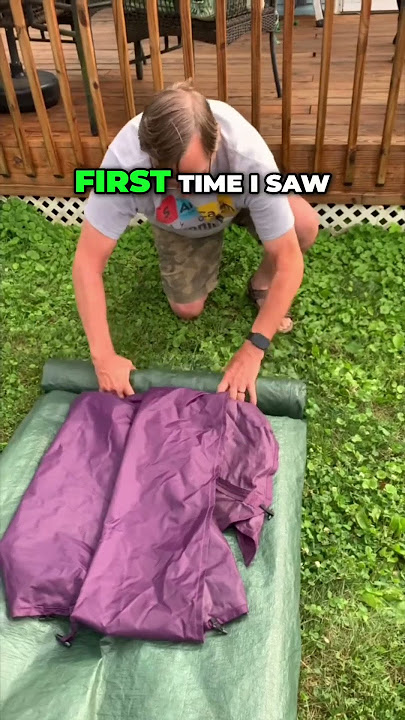
Packing up your tent doesn’t have to be a frustrating chore. If you’ve ever struggled to roll up your tent neatly, you’re not alone.
But imagine saving time, avoiding damage, and making your next camping trip easier right from the start. In this guide, you’ll learn simple, step-by-step tips to roll up your tent like a pro. Keep reading to discover how a few easy tricks can make your packing smooth and stress-free every time.
Preparing The Tent
Preparing your tent before rolling it up helps keep it clean and dry. It also makes packing easier and faster.
Taking time to prepare the tent protects it from damage and extends its life. Follow these steps carefully.
Clear The Area
Remove sticks, rocks, and dirt around your tent. This prevents debris from sticking to the fabric when you fold it.
Pick a clean spot to lay out your tent flat. This helps avoid wrinkles and keeps the tent in good shape.
- Look for sharp objects that can tear the fabric
- Brush off dirt and leaves gently
- Make sure the ground is dry before packing
Remove Accessories
Take out poles, stakes, and any extra parts from the tent. This makes rolling easier and prevents damage.
Store accessories separately in their bags or containers. This keeps everything organized for your next trip.
- Remove tent poles carefully to avoid bending
- Gather all stakes and clips in one place
- Check for lost parts before rolling up
Credit: www.montbell.com
Drying The Tent
Drying your tent properly is important for its life and cleanliness. A wet tent can grow mold and smell bad.
Take time to dry your tent well before packing it away. This helps keep it fresh and ready for your next trip.
Avoiding Mold
Mold grows on damp fabric and can ruin your tent. To stop mold, keep your tent dry and clean.
- Set up your tent in a sunny, breezy spot to dry it faster.
- Wipe off dirt and moisture from tent surfaces before packing.
- Use a soft brush to clean inside corners and seams.
- Store your tent loosely folded in a dry place after drying.
- Check your tent regularly for signs of mold or mildew.
Air Dry Tips
Air drying your tent is the safest way to keep it in good shape. Let air flow around all parts of the tent.
| Drying Method | Instructions |
| Inside Out | Turn your tent inside out to dry the inner fabric well. |
| Hang Up | Use a clothesline or rope to hang your tent in the shade. |
| Open Doors | Keep tent doors open to improve air circulation. |
| Use Tent Poles | Set up poles fully to stretch the tent and speed drying. |
| Avoid Direct Sun | Too much sun can damage fabric; dry in shade if possible. |
Folding The Tent
Folding a tent properly helps keep it clean and safe. It makes packing easier for your next trip.
Focus on folding the tent flat and neat. This prevents damage and saves space in your bag.
Aligning The Edges
Start by laying the tent flat on the ground. Bring the edges together evenly before folding.
Make sure all corners and seams match up. This keeps the tent balanced and easier to fold.
- Spread the tent wide on a clean surface
- Pull the long edges toward the center
- Match corners so they line up perfectly
- Smooth out wrinkles as you align
Creating A Flat Surface
After edges are aligned, press the tent flat. Remove any air pockets or lumps inside.
A flat surface helps the tent fold tightly. It also reduces stress on the fabric and poles.
- Use your hands to press down gently
- Check all parts lie flat without bumps
- Straighten the tent fabric evenly
- Keep the tent smooth before rolling or folding

Credit: www.wilko.com
Rolling The Tent
Rolling up a tent keeps it neat and ready for storage. It helps protect the fabric and saves space.
Follow these simple steps to roll your tent properly. This makes packing easier next time.
Starting From One End
Begin rolling the tent from one end. Choose the side where the tent is flat and smooth.
Lay the tent flat and fold any loose parts inside. This keeps the roll clean and tight.
Keeping It Tight
Roll the tent tightly to remove air pockets. A tight roll saves space and protects the tent.
Use your hands to press the fabric as you roll. Keep the roll firm but do not damage the material.
Using The Tent Bag
Once the tent is rolled, slide it into the tent bag. This keeps the tent clean and easy to carry.
If the bag is tight, adjust the roll slightly. Make sure the tent fits without forcing it.
Storing The Tent
Storing your tent properly keeps it safe and ready for your next trip. Good storage helps stop damage and bad smells.
Learn how to pick the best place and store your tent the right way for a long time.
Choosing The Right Spot
Pick a dry, cool place for your tent. Avoid spots with too much heat or moisture. Sunlight can harm the fabric over time.
- Keep the tent away from direct sunlight.
- Choose a place with low humidity to prevent mold.
- Store the tent off the floor if possible.
- Avoid areas near chemicals or sharp objects.
Long-term Storage Tips
Before storing your tent, make sure it is clean and fully dry. Fold it loosely to keep the fabric strong.
| Tip | Reason |
| Clean all dirt and debris | Prevents damage and smells |
| Dry completely | Stops mold and mildew growth |
| Fold loosely or roll gently | Keeps fabric and seams from cracking |
| Store in a breathable bag | Allows air to flow and avoids moisture |
| Check tent every few months | Catch problems early and fix them |

Credit: www.amazon.com
Common Mistakes To Avoid
Rolling up a tent properly helps keep it clean and lasts longer. Many campers make simple errors that can cause damage or extra work.
Learn about common mistakes to avoid so your tent stays in good shape and is ready for your next trip.
Rolling While Wet
Rolling your tent while it is still wet can cause mold and bad smells. Wet fabric also gets damaged more easily. Always try to dry your tent fully before rolling it up.
- Wipe off water with a dry cloth if you cannot wait to pack.
- Air dry the tent in shade to avoid sun damage.
- Store the tent loosely if packed damp, and dry it soon after.
- Avoid folding wet parts too tightly to prevent fabric wear.
Ignoring Loose Parts
Loose parts like poles, stakes, and rain flies can get lost or tangled if not handled carefully. Ignoring these parts causes hassle and possible damage.
| Loose Part | Common Issue | How to Avoid |
| Poles | Broken or bent poles from being packed too tightly | Disassemble poles and secure them in their bag |
| Stakes | Lost stakes during packing or transport | Keep stakes in a dedicated pouch or container |
| Rain Fly | Tangled or dirty rain fly | Fold rain fly separately and clean before packing |
Frequently Asked Questions
How Do You Properly Roll Up A Tent?
To roll up a tent, first clean and dry it. Fold the tent evenly, then roll tightly from the narrow end. Secure it with straps or ties to prevent unrolling. This method keeps the tent compact and ready for storage or transport.
What Are The Best Tips For Rolling Up A Tent?
Ensure the tent is dry to avoid mold. Remove all stakes and poles. Lay the tent flat, fold neatly, and roll tightly. Use the tent’s built-in straps or extra cords to secure it. Store in a cool, dry place for longevity.
How Can I Prevent Damage While Rolling Up A Tent?
Avoid rolling the tent with poles inside. Clean dirt and debris before rolling. Roll the tent loosely around thick poles if included. Store the tent in a protective bag to prevent tears. Handle with care to maintain fabric and seams.
How Long Does It Take To Roll Up A Tent?
Rolling up a tent typically takes 5 to 10 minutes. Time depends on tent size, drying status, and your experience. Taking time to roll neatly extends the tent’s lifespan and makes setup easier next time.
Conclusion
Rolling up a tent isn’t difficult. Practice helps you get better. Remember to clean it first. This keeps it in good shape. Dry it before storing. Wet tents can get moldy. Follow the folding steps carefully. This avoids damage. Use the tent bag for easy transport.
A neatly packed tent fits well. It also saves space. Enjoy your next adventure with confidence. A well-packed tent makes camping more enjoyable. Happy camping!