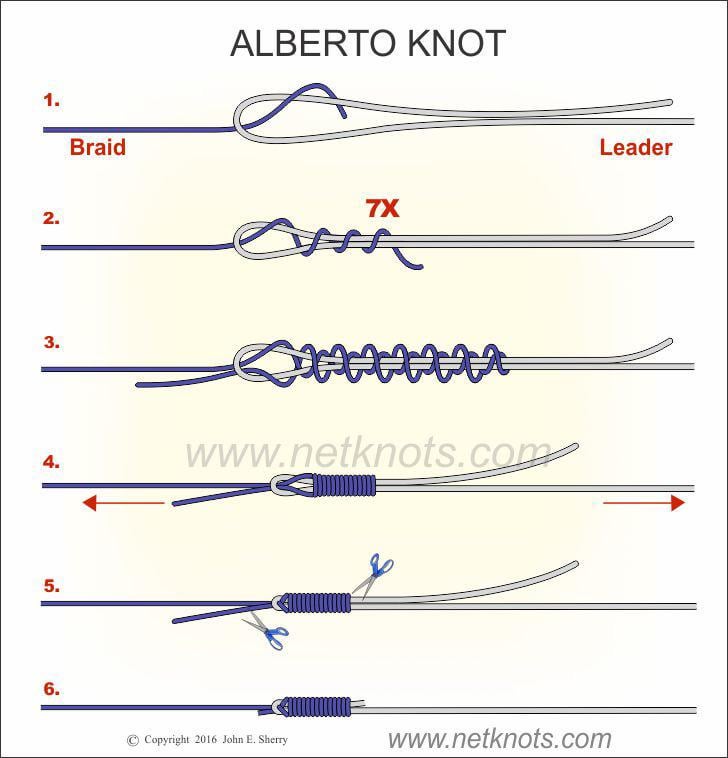
If you want to catch more fish, learning how to attach a leader to your fishing line is a game-changer. A leader adds strength and stealth, making your setup tougher and less visible underwater.
But if you’re unsure how to tie it properly, you might lose fish or even your gear. Don’t worry—this guide will walk you through simple, step-by-step methods that anyone can master. By the end, you’ll feel confident and ready to improve your fishing success every time you cast.
Keep reading to discover the easy techniques that will make a big difference in your fishing experience.

Credit: www.reddit.com
Choosing The Right Leader
Choosing the right leader is important for successful fishing. The leader connects your main line to the hook or lure.
The right leader improves casting, bait presentation, and fish landing. It should fit the type of fish and water conditions.
Types Of Leaders
There are several types of leaders used by anglers. Each has different uses and strengths.
- Monofilament leaders: Flexible and easy to handle.
- Fluorocarbon leaders: Nearly invisible underwater.
- Wire leaders: Strong and resistant to sharp teeth.
- Coated leaders: Combine wire strength and flexibility.
Leader Material Options
Choosing the right leader material depends on your fishing needs. Some materials suit certain fish better.
| Material | Best Use | Advantages |
| Monofilament | General fishing | Flexible, affordable |
| Fluorocarbon | Clear water | Low visibility, abrasion resistant |
| Wire | Toothy fish | Strong, bite resistant |
| Coated | Saltwater fishing | Durable, flexible |
Selecting Leader Length And Strength
Leader length and strength affect fishing success. Use the right size to balance invisibility and durability.
- Short leaders (6–12 inches) offer better lure action.
- Long leaders (12–24 inches) improve stealth in clear water.
- Choose strength based on fish size and fighting power.
- Heavier leaders resist abrasion but reduce lure movement.
Preparing Your Fishing Line
Before attaching a leader, prepare your fishing line carefully. This helps ensure strong knots and better fishing results.
Proper preparation avoids line damage and makes tying easier. Follow these simple steps for the best outcome.
Checking Line Condition
Inspect your fishing line closely for any signs of damage. Look for frays, nicks, or worn spots that can weaken the line.
- Run the line through your fingers slowly to feel for rough areas.
- Check for discoloration that may indicate sun damage.
- Cut out any damaged sections before tying your leader.
Trimming The Line End
Trim the end of your fishing line to make a clean and neat tip. This helps the knot hold better and reduces slippage.
| Tool | Purpose |
| Sharp scissors | Clean cut without crushing the line |
| Line clippers | Precise trimming close to the knot |
| Knife | Sharp edge for thick lines |
Moistening The Line For Knots
Moisten your line before tightening knots to reduce friction. This protects the line and helps the knot slide tight smoothly.
Use clean water or saliva to wet the line gently. Avoid using too much liquid which can weaken the knot.
Popular Knots For Attaching Leaders
Attaching a leader to your fishing line is important for strong and smooth fishing. Using the right knot helps keep your line from breaking.
Here are three popular knots that anglers use to tie leaders. Each knot offers good strength and is easy to learn.
Improved Clinch Knot
The Improved Clinch Knot is one of the most common knots for tying leaders. It holds well and works with many types of fishing lines.
To tie it, pass the line through the leader eye. Wrap the line around itself five to seven times. Then pass the tag end through the small loop near the eye and pull tight.
- Strong and reliable
- Works with monofilament and fluorocarbon lines
- Easy to tie in low light
Uni Knot
The Uni Knot is versatile and simple to tie. It creates a strong connection between the leader and main line.
Make a loop by doubling the line. Pass the tag end through the loop and wrap it around both lines five to six times. Pull the tag end to tighten the knot.
- Strong under pressure
- Good for all line types
- Can be used to join lines of different thickness
Double Surgeon’s Knot
The Double Surgeon’s Knot is great for joining two lines of different diameters. It is simple and holds well.
Overlap the two lines. Make a loop and pass the ends through twice. Pull the knot tight and trim the tag ends.
- Strong and durable
- Works well with leader and main line
- Easy to tie even with wet lines
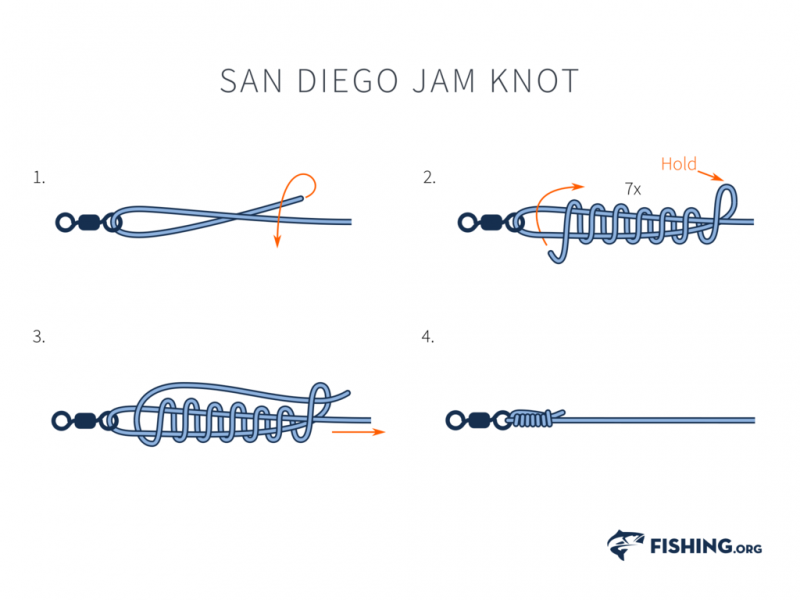
Credit: medium.com
Step-by-step Knot Tying Guide
Attaching a leader to a fishing line is important for better casting and fish control. This guide shows simple steps to tie a strong knot.
Follow these clear instructions to secure your leader properly. Each step is easy to understand and follow for all skill levels.
Tying The Knot On The Main Line
Start by overlapping the end of the main line with the leader’s end. Make sure to leave enough length for tying.
- Make a loop with the main line over the leader.
- Pass the leader through the loop twice.
- Wrap the leader around the main line five times.
- Thread the leader back through the loop.
- Pull both ends slowly to tighten the knot.
Securing The Leader
After tying the knot, secure the leader by trimming excess line. Leave a small tag end to avoid slipping.
| Action | Reason |
| Trim excess leader | Prevents tangling |
| Leave 1/8 inch tag end | Keeps knot from slipping |
| Moisten knot | Reduces friction when tightening |
Testing Knot Strength
Check the knot’s strength before fishing. A weak knot can cost you a big catch.
Follow these tips to test your knot:
- Hold the main line and leader firmly.
- Pull hard in opposite directions.
- If the knot slips, re-tie it.
- Repeat the test until knot holds strong.
Tips For Leader Attachment Success
Attaching a leader to a fishing line is important for a good fishing experience. A proper connection helps you catch fish without losing them.
Follow these tips to keep your leader secure and your fishing line strong. Small details make a big difference in fishing success.
Avoiding Line Twists
Line twists can weaken your fishing setup and cause tangles. To avoid twists, make sure you attach the leader with the right knots.
Use swivel knots or add a swivel between the main line and the leader. This lets the leader spin freely and stops twists.
- Use a swivel knot or a barrel swivel
- Tighten knots carefully without twisting the line
- Let the leader hang freely before casting
Maintaining Knot Slippage
Knot slippage happens when a knot loosens under pressure. This can cause the leader to come off during a catch.
To stop slippage, use strong knots designed for fishing lines. Wet the line before tightening the knot for a better grip.
- Try knots like the Palomar or Uni knot
- Always moisten the line before tightening
- Pull knots tight slowly and evenly
Regular Knot Inspection
Check your knots often during fishing trips. Small damage or loosening can lead to lost fish or broken leaders.
Look for frays, twists, or looseness. Replace or retie knots that show wear or feel weak.
- Inspect knots before and after fishing
- Retie any knot that looks damaged
- Keep extra leaders ready for quick changes
Common Mistakes To Avoid
Attaching a leader to a fishing line needs care and attention. Many anglers make simple mistakes that weaken their setup. Avoid these errors to improve your fishing success.
Below are common mistakes to watch out for when tying leaders. Fixing these will help keep your line strong and ready for action.
Using Incompatible Lines
Choosing the wrong types of line and leader can cause problems. The lines may not join well or may break easily. Match the leader strength and type to your main line for best results.
- Do not attach a thin leader to a thick main line without proper knots.
- Avoid mixing very different materials like braided line and fluorocarbon leader without a suitable knot.
- Check the breaking strength of both lines to ensure they match closely.
- Use leaders designed for the type of fishing you plan to do.
Overtightening Knots
Tightening knots too much can weaken the line. Pull the knot firmly but do not strain it beyond the line’s limit. Over-tight knots may cut or damage the fibers.
| Effect | Cause | How to Avoid |
|---|---|---|
| Line weakens at knot | Pulling knot too tight | Pull knot firm but gentle |
| Knot slips or breaks | Uneven tightening | Moisten knot before tightening |
| Line fibers cut | Overstretching during tightening | Use correct knot technique |
Ignoring Leader Wear
Leaders wear out over time and use. Old or damaged leaders break easily and lose strength. Always check for signs of wear before fishing.
- Look for frayed or thin spots on the leader.
- Replace leaders after catching large fish or snagging on rocks.
- Store leaders properly to avoid damage from sunlight or heat.
- Regularly test your knots and leader strength before use.

Credit: www.reddit.com
Frequently Asked Questions
What Is The Best Knot To Attach A Leader?
The best knot for attaching a leader is the Blood Knot. It creates a strong, smooth connection. This knot maintains line strength and resists slipping during fishing.
How Long Should A Fishing Leader Be?
A fishing leader should be 12 to 24 inches long. This length helps prevent fish from seeing the main line. It also reduces line visibility and improves bait presentation.
What Type Of Leader Line Is Ideal?
Fluorocarbon leaders are ideal because they are nearly invisible underwater. They offer abrasion resistance and high sensitivity. Monofilament leaders are good for flexibility and stretch.
Can I Attach A Leader Without Special Tools?
Yes, you can attach a leader using just your hands. Learning simple knots like the Blood Knot or Double Uni Knot helps. No special tools are necessary for most anglers.
Conclusion
Attaching a leader to a fishing line is simple. Follow the steps carefully. Use the right knots for a secure hold. Practice makes perfect, so don’t rush. Double-check the strength before fishing. A well-attached leader helps catch more fish. Enjoy your time on the water.
Feel the excitement with each catch. Share your fishing stories with friends. Keep improving your skills. Happy fishing!