Are you struggling to get your fishing line properly tied to your spool? You’re not alone.
A simple knot can make the difference between a smooth fishing experience and a frustrating one. If your line slips or tangles, it can ruin your day on the water. But don’t worry—this guide will show you exactly how to tie your fishing line to the spool quickly and securely.
By the end, you’ll have the confidence to set up your gear like a pro, so you can focus on catching fish, not fixing your line. Keep reading to learn the easy steps that will make a big difference in your fishing success.
Credit: monsterbass.com
Choosing The Right Line
Choosing the right fishing line is key to a good fishing experience. The line affects casting, catching, and handling fish.
This guide helps you pick the best line for your needs. Learn about types, strength, and matching the line to your reel.
Types Of Fishing Lines
There are several types of fishing lines, each with its own uses. Pick a type that fits your fishing style and conditions.
- Monofilament:Flexible and easy to handle. Good for beginners and general fishing.
- Fluorocarbon:Nearly invisible underwater. Best for clear water and cautious fish.
- Braid:Very strong and thin. Good for heavy cover and long casts.
Line Strength And Diameter
Line strength is measured in pounds, showing how much weight it can hold before breaking. Diameter affects casting and line visibility.
| Line Type | Strength Range (lbs) | Diameter Range (inches) |
|---|---|---|
| Monofilament | 2 – 30 | 0.005 – 0.035 |
| Fluorocarbon | 4 – 20 | 0.006 – 0.025 |
| Braid | 10 – 80 | 0.006 – 0.040 |
Matching Line To Reel
Choose a line that fits your reel’s capacity. Too thick a line may not fit well. Too thin can cause problems when casting or fighting fish.
- Check your reel’s max line capacity on the spool.
- Match the line strength to your target fish size.
- Pick a line diameter that fits your reel spool and fishing style.
Preparing The Spool
Preparing the spool is an important part of tying fishing line. It helps you avoid problems later. A good start makes fishing easier.
This guide explains how to get your spool ready before adding line. Follow these simple steps for a smooth process.
Cleaning The Spool
Start by cleaning the spool to remove dirt and old line. This keeps the new line from slipping or tangling.
Use a soft cloth or brush to clean the spool well. Make sure to reach all corners and edges.
- Remove old fishing line completely
- Wipe away dust and debris
- Dry the spool before use
Positioning The Line
Place the fishing line on the spool carefully. Position it so the line winds evenly without gaps.
Hold the line tight and start winding slowly. Keep the line straight and centered on the spool.
- Align the line with the spool’s edge
- Keep tension steady while winding
- Fill the spool evenly from bottom to top
Avoiding Twists And Tangles
Twists and tangles cause problems during fishing. Prevent these by checking the line as you spool.
Let the line come off the reel smoothly. Avoid letting the line loop or twist while winding.
- Keep the line tight and straight
- Check for twists often
- Stop and fix any tangles immediately
Knots For Spooling
Tying fishing line to a spool needs strong and simple knots. Good knots stop the line from slipping. They also make spooling easier.
Here are three popular knots used for spooling fishing line. Each knot has clear steps and works well with different fishing lines.
Improved Clinch Knot
The Improved Clinch Knot is popular for tying line to a spool. It is strong and easy to tie.
- Thread the line through the spool eye.
- Wrap the tag end around the standing line five to seven times.
- Pass the tag end through the small loop near the spool eye.
- Then, pass the tag end through the big loop created.
- Pull the knot tight and trim the excess line.
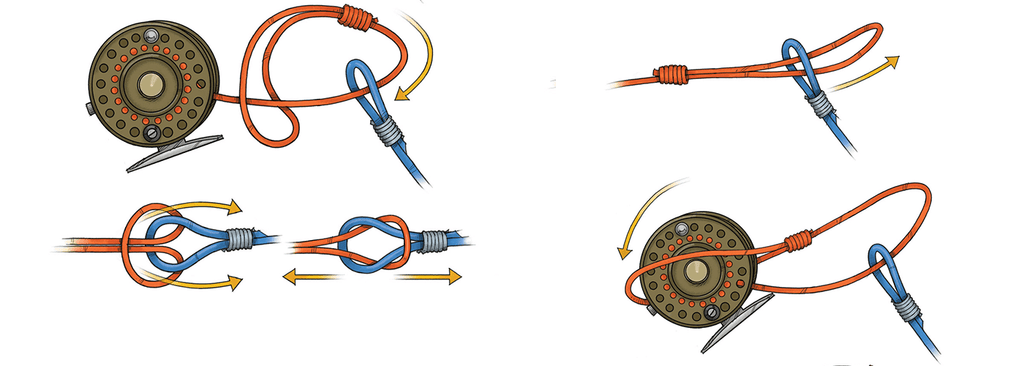
Arbor Knot
The Arbor Knot is the best choice for attaching the line to the spool center. It holds the line tight and prevents slipping.
| Step | Action |
| 1 | Wrap the line around the spool arbor. |
| 2 | Tie an overhand knot around the standing line. |
| 3 | Tie a second overhand knot on the tag end. |
| 4 | Pull both knots tight against the spool. |
| 5 | Trim the tag end close to the knot. |
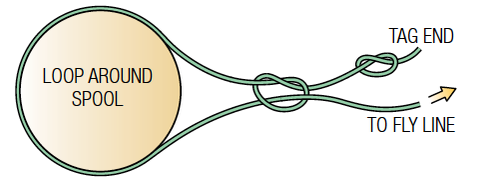
Palomar Knot
The Palomar Knot is very strong and simple. It works well with braided lines and monofilament.
- Double about six inches of line and pass through the spool eye.
- Tie a loose overhand knot with the doubled line.
- Pass the loop over the spool.
- Pull the standing line to tighten the knot.
- Trim the tag end close to the knot.

Credit: www.reddit.com
Step-by-step Tying Process
Tying fishing line to a spool needs care and the right steps. This guide shows how to do it clearly.
Follow the instructions below to attach your line firmly. This keeps your line secure and ready for fishing.
Attaching Line To Spool
First, thread the end of the fishing line through the spool’s hole. Pull enough line to work with comfortably.
Wrap the line around the spool once or twice to hold it steady before tying the knot.
Securing The Knot
Use a strong knot to keep the line from slipping. The improved clinch knot is a good choice.
- Pass the line end through the spool eye twice.
- Wrap the end around the standing line five times.
- Thread the end through the loop near the spool eye.
- Pull the tag end and standing line tight.
- Trim the excess line close to the knot.
Testing The Hold
Check the knot by pulling the line firmly. It should not slip or loosen.
| Test Action | Expected Result |
|---|---|
| Pull line with moderate force | Knot stays tight, line does not slip |
| Inspect knot visually | No loose loops or frayed line |
| Re-tie if needed | Knot is secure and neat |
Spooling Techniques
Tying fishing line to a spool correctly helps you fish better. It keeps the line safe and ready to cast.
Good spooling stops tangles and keeps the line strong. Learn how to keep tension, spread the line evenly, and avoid overfilling.
Maintaining Tension
Keep the fishing line tight as you spool it. This stops loose loops that cause knots and tangles later.
- Hold the line firmly between your fingers.
- Ask a friend to hold the spool with slight pressure.
- Turn the reel slowly to wind the line tightly.
Even Line Distribution
Spread the line evenly across the spool width. This stops clumps and helps the line come off smoothly.
| Tip | How to Do It |
|---|---|
| Guide the line | Use your finger to move the line left and right. |
| Control speed | Turn the reel at a steady, slow pace. |
| Check the spool | Stop often to see if the line is even. |
Avoiding Overfilling
Do not fill the spool past its edge. Too much line causes tangles and casting problems.
- Leave a small gap at the spool edge.
- Check the spool size before adding line.
- Replace line if it looks old or damaged.
Troubleshooting Common Issues
Tying fishing line to a spool can sometimes cause problems. These issues affect your fishing experience and line durability. Knowing how to fix them helps keep your line secure and ready to use.
This guide covers common problems like line slippage, twisted line, and weak knot failures. Each section gives tips to solve these issues quickly.
Line Slippage
Line slippage happens when the line slips off the spool or knot. This can cause loss of line or tangled messes. A loose knot or wrong tying method often causes this.
- Make sure to wet the line before tightening the knot.
- Use knots known for strong grip like the Improved Clinch Knot.
- Wrap the line around the spool several times before tying.
- Tighten the knot slowly and firmly to prevent slipping.
- Check the spool for smoothness; rough spots can cause slipping.
Twisted Line
Twisted line occurs when the line coils or loops on the spool. This can lead to tangles and weak casts. Twisting often happens if the line is wound the wrong way or if the reel is not set up properly.
| Cause | Fix |
|---|---|
| Reeling against the spool’s natural rotation | Reel in the same direction the spool turns |
| Using old or damaged line | Replace line with fresh, high-quality line |
| Loose tension while spooling | Keep firm, even tension on the line |
| Line crossing over itself | Guide line evenly across the spool |
Weak Knot Failures
Weak knot failures happen when knots break or come undone easily. This results in lost fish and wasted line. Poor knot tying or using the wrong knot causes this problem.
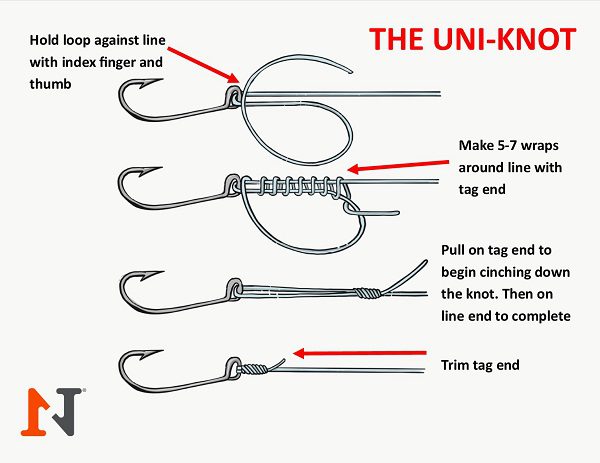
- Choose strong and reliable knots like the Palomar or Uni knot.
- Moisten the knot before pulling it tight to reduce friction.
- Pull the knot slowly and firmly to secure it well.
- Trim excess tag end close to the knot without cutting the knot itself.
- Practice tying knots regularly to improve skill and consistency.
Tips For Long-lasting Spooling
Tying fishing line to the spool properly helps your fishing gear last longer. Taking care of your line prevents damage and saves money.
Here are important tips to keep your fishing line strong and ready for action.
Regular Line Inspection
Check your fishing line often for signs of wear. Look for cracks, frays, or weak spots that could break during fishing.
- Run your fingers along the line to feel for rough areas
- Look closely for discoloration or thinning
- Replace any section that looks damaged
- Inspect after every fishing trip
Proper Storage
Store your fishing line in a cool, dry place to prevent damage. Avoid sunlight and heat, which weaken the line over time.
| Storage Condition | Effect on Line |
| Cool temperature | Maintains strength |
| Dry environment | Prevents mold and mildew |
| Away from sunlight | Stops UV damage |
| Proper spool tension | Prevents tangles and twists |
Replacing Old Line
Replace your fishing line regularly to keep it reliable. Old line loses strength and can snap easily.
- Remove the old line completely from the spool
- Clean the spool before adding new line
- Choose the right line type and weight for your fishing
- Tie the new line securely to the spool using a strong knot
- Spool the line tightly and evenly to avoid slack
Credit: www.epicflyrods.com
Frequently Asked Questions
How Do I Tie A Fishing Line To A Spool?
To tie a fishing line to a spool, start with an arbor knot. Wrap the line around the spool’s arbor, tie an overhand knot, then a second knot above it. Tighten both knots, trim the excess, and ensure the line is secure before spooling.
What Knot Is Best For Spooling Fishing Line?
The arbor knot is best for spooling fishing line. It holds the line firmly on the spool without slipping. This knot is simple, strong, and easy to tie, making it ideal for attaching the line to the reel’s spool.
Can I Use Any Fishing Line For Spooling?
Yes, you can use any fishing line, including monofilament, fluorocarbon, or braided. However, each type requires proper handling to avoid tangles. Choose a line that matches your fishing style and reel specifications for optimal performance.
How Tight Should The Fishing Line Be On The Spool?
The fishing line should be tight but not overly stretched on the spool. Keep consistent tension while spooling to prevent loose loops. This ensures smooth casting and reduces line tangling or damage during fishing.
Conclusion
Tying fishing line to a spool is simple and essential. Follow the steps for a secure and smooth line. Start by threading the line through the rod guides. Next, tie a strong knot to the spool. Use an arbor knot for best results.
Ensure the line is tight and evenly distributed. This prevents tangles during fishing. Practice makes perfect. Repeat these steps until you feel confident. Now, you’re ready for your next fishing adventure. Enjoy the catch, and happy fishing!