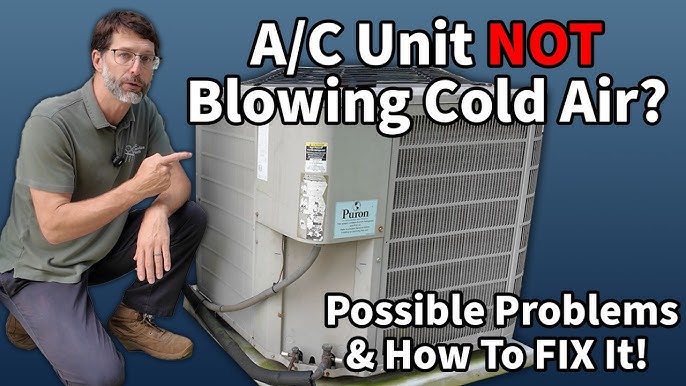
Is your air conditioner running but not cooling your space like it used to? It’s frustrating when you expect relief from the heat, but your AC just blows warm air.
You might wonder if it’s broken or if there’s a simple fix you can do yourself. Understanding why your air conditioner is not cooling can save you time, money, and discomfort. Keep reading, and you’ll discover the common reasons behind this problem—and what you can do to bring back the cool breeze you deserve.

Credit: www.delcohvac.com
Common Reasons For Poor Cooling
Air conditioners may stop cooling well for many reasons. Some issues are simple to fix, while others need a technician.
Understanding common causes can help you find the problem faster and make your AC work better again.
Dirty Air Filters
Air filters catch dust and dirt from the air. When they get clogged, air flow slows down.
Blocked filters make the AC work harder and cool less effectively. Cleaning or replacing filters often improves cooling.
Low Refrigerant Levels
Refrigerant cools the air inside your home. Low levels mean the AC can’t cool properly.
Leaks or improper charging cause low refrigerant. A professional can find leaks and refill the refrigerant safely.
Thermostat Issues
A broken or wrongly set thermostat can stop the AC from cooling. It may not signal the AC to turn on.
Check the thermostat settings and batteries. Replace or repair if it does not work right.
Blocked Condenser Coils
The condenser coils release heat from your home. Dirt or debris on the coils block heat transfer.
Blocked coils cause the AC to cool poorly and run longer. Cleaning the coils can fix this issue.
Faulty Compressor
The compressor pumps refrigerant through the system. If it fails, the AC cannot cool the air.
A faulty compressor often needs repair or replacement by a technician. Signs include strange noises or no cooling at all.
Electrical Problems
Electrical issues can stop the AC from working. These include blown fuses, tripped breakers, or wiring faults.
Check your circuit breakers and fuses first. Call an expert to inspect wiring or other electrical parts.
Troubleshooting Steps
When your air conditioner is not cooling properly, you need to check several parts. Many issues are simple to fix if you know what to look for.
Follow these steps to find the cause and get your AC working well again.
Checking And Replacing Filters
Dirty filters block airflow and reduce cooling. Check your air filter every month. If it looks dark or dusty, replace it with a new one. Clean filters help air flow easily and keep your AC efficient.
Inspecting Refrigerant Levels
Low refrigerant means your AC cannot cool well. Signs include warm air or longer running times. Use a gauge to check refrigerant pressure. If low, a professional must add refrigerant to avoid damage.
Calibrating The Thermostat
Your thermostat controls the AC temperature. If it is not set right, your home may not cool. Check if the thermostat reads the correct room temperature. Adjust or replace it if needed to keep your AC on time.
Cleaning The Condenser Coils
Dirt on condenser coils slows heat release. This makes your AC less cool. Clean the coils by:
- Turning off power to the unit
- Removing debris and leaves
- Using a soft brush to clean dirt
- Rinsing coils gently with water
Testing The Compressor
The compressor pumps refrigerant through the system. If it fails, cooling stops. Listen for loud noises or no sound from the compressor. Use a multimeter to test its electrical resistance. A bad compressor needs a technician’s help.
Examining Electrical Components
Electrical parts like capacitors and fuses can fail. This causes the AC to stop working or cool poorly. Check for:
| Component | Signs of Problem | Action |
| Capacitor | AC won’t start or runs slowly | Test with meter; replace if faulty |
| Fuse | No power to AC unit | Check fuse box; replace blown fuses |
| Wiring | Burn marks or loose wires | Secure or replace damaged wires |
Diy Fixes Vs Professional Help
When your air conditioner is not cooling, you can try some simple fixes yourself. Some problems are easy to solve with basic tools. Other issues need a professional’s expertise and tools.
Knowing when to fix your AC and when to call a technician can save time and money. It also helps keep your AC running safely and efficiently.
Simple Maintenance Tasks
Some AC problems happen because of dirt or blocked airflow. You can fix these problems by cleaning and checking parts yourself. These tasks need no special skills.
- Clean or replace air filters every 1-3 months
- Clear debris around the outdoor unit
- Check and clean the AC vents inside your home
- Inspect and clean the condensate drain line
- Make sure the thermostat has fresh batteries and is set correctly
When To Call A Technician
If your AC still does not cool after simple maintenance, a technician should check it. Professionals handle complex issues safely. These include electrical problems or refrigerant leaks.
- The unit does not turn on at all
- Airflow is weak or uneven
- Strange noises or smells come from the AC
- Water leaks around the indoor unit
- The system freezes or cycles on and off frequently
Calling a professional avoids damage and ensures proper repair. They have tools and knowledge to fix your AC fast.
Costs And Risks Involved
DIY fixes usually cost little or nothing but have limits. Some repairs need special tools and parts. Wrong repairs can cause bigger problems.
| Type | Cost Range | Risk |
|---|---|---|
| DIY Maintenance | Free – $50 | Low risk if done carefully |
| Professional Repair | $100 – $500+ | Low risk; done by experts |
| Ignoring Problems | Potentially high | High risk of bigger damage |
Doing simple tasks yourself is safe if you follow instructions. Do not try repairs involving electricity or refrigerant. These need licensed technicians to prevent injury or damage.
Credit: fischerheating.com
Preventive Measures For Better Cooling
Air conditioners sometimes stop cooling well. Taking care of them helps keep rooms cool. Simple steps can improve their work and save money.
Doing small checks and changes prevents problems. It makes the air conditioner last longer and cool better.
Regular Maintenance Schedule
Check your air conditioner often. Clean or change filters every month or two. Dirty filters block airflow and reduce cooling.
Clean the coils and remove dust from outside units. Make sure the drain is not blocked. Regular maintenance stops small problems.
- Clean or replace air filters
- Check and clean evaporator and condenser coils
- Clear the drain channels
- Inspect the fan and motor
Proper Usage Tips
Use your air conditioner wisely. Close windows and doors when it runs. This keeps cool air inside and hot air out.
Set the temperature to a comfortable level, not too low. Avoid using heat-producing appliances near the unit.
- Close doors and windows
- Set temperature between 24-26°C (75-78°F)
- Avoid blocking air vents
- Turn off the unit when not needed
Upgrading Old Units
Old air conditioners use more energy and cool less. Replacing them with new models helps save power. New units cool rooms faster.
Look for energy-efficient models with good ratings. This change reduces electricity bills and improves comfort.
- Check the unit’s age and performance
- Choose energy-efficient models
- Consider the size that fits your room
- Hire professionals for installation
Credit: northnjhvac.com
Frequently Asked Questions
Why Is My Air Conditioner Blowing Warm Air?
Your AC may blow warm air due to low refrigerant, dirty filters, or a malfunctioning compressor. Check for leaks, clean filters, and ensure the thermostat is set correctly. If problems persist, contact a professional technician for inspection and repair.
How Often Should I Clean Ac Filters?
Clean your AC filters every 1 to 3 months. Dirty filters reduce airflow and cooling efficiency. Regular cleaning improves air quality and extends your unit’s lifespan. If you use the AC heavily, clean filters more frequently to maintain optimal performance.
Can A Frozen Evaporator Coil Cause Cooling Issues?
Yes, a frozen evaporator coil can stop your AC from cooling. It blocks airflow and heat exchange. Causes include dirty filters, low refrigerant, or poor airflow. Turn off the unit and let it thaw, then address the root cause to prevent freezing again.
Could Thermostat Problems Affect Ac Cooling?
A faulty thermostat can cause your AC to stop cooling properly. It may give incorrect temperature readings or fail to signal the AC to turn on. Test or replace the thermostat to ensure accurate temperature control and efficient cooling.
Conclusion
Fixing an air conditioner can be simple. Start with basic checks. Examine the thermostat settings. Ensure proper power supply. Clean or replace air filters regularly. Check for blocked vents. Inspect refrigerant levels. Look for any unusual sounds. Simple steps prevent costly repairs.
Consistent maintenance extends the lifespan. Regular check-ups keep the system efficient. A cool home enhances comfort. Understanding these basics empowers you. You save time and money. Enjoy a cool, comfortable space. Keep your air conditioner in top shape. Stay cool and worry-free all summer.