
Wondering how big of an air conditioner you need for your 1500 square feet space? Choosing the right size can save you money, keep your home comfortable, and avoid annoying problems like uneven cooling or high energy bills.
If your AC is too small, it struggles to cool your space. If it’s too big, it wastes energy and short-cycles. You’ll discover exactly how to find the perfect air conditioner size for your home, so you stay cool without overspending.
Keep reading to make the smartest choice for your comfort and budget.
Factors Affecting Ac Size
Choosing the right size air conditioner for a 1500 square feet home is not simple. Many factors affect the size needed.
These factors help ensure your home stays cool without wasting energy or money.
Climate Impact
The local climate plays a big role in AC size. Hotter areas need bigger units to cool the home well.
In cooler climates, a smaller AC can work because less cooling is needed most of the year.
- Hot climates require larger AC capacity
- Humid climates may need more cooling power
- Mild climates allow smaller units
Home Insulation
Good insulation keeps cool air inside and heat outside. This reduces the AC size needed.
Poor insulation lets heat in, so the AC must work harder and be bigger to keep the home cool.
- Well-insulated homes need smaller ACs
- Older or poorly insulated homes need larger ACs
- Insulation affects energy use and comfort
Window Size And Placement
Large windows let in more heat, increasing the cooling load. South-facing windows often get the most sun.
Small or shaded windows reduce heat gain, so the AC can be smaller.
- Large, sun-exposed windows increase AC size
- Window treatments can reduce heat gain
- Window placement affects sunlight exposure
Occupant Load
More people in the home add body heat. This increases the cooling capacity needed.
Fewer occupants mean less heat from people, so a smaller AC can work well.
- Each person adds heat to the home
- Higher occupant numbers require bigger ACs
- Consider guests and usual family size
Appliance Heat
Appliances like ovens, computers, and lights produce heat. This raises the cooling load.
More or larger appliances mean the AC must be bigger to offset their heat.
- Kitchen appliances generate significant heat
- Electronic devices add to indoor heat
- Lighting types affect heat production
Calculating Cooling Capacity
Choosing the right air conditioner size is important for comfort and energy savings. Cooling capacity is measured in BTUs, which stands for British Thermal Units. This guide helps you find the right size for a 1500 square feet area.
Understanding how to calculate cooling capacity can prevent buying an AC that is too small or too large. Both can cause issues like higher bills or poor cooling.
Btu Basics
BTU measures how much heat an air conditioner can remove from a room in one hour. The higher the BTU, the more cooling power the unit has. It is important to match BTU to your room size for effective cooling.
Square Footage To Btu
To estimate BTU needs, multiply the square footage by a standard factor. Usually, 20 BTUs per square foot is a good starting point. For 1500 square feet, the calculation is simple.
| Area (Square Feet) | BTU per Square Foot | Estimated BTU Required |
|---|---|---|
| 1500 | 20 | 30,000 |
Adjustments For Sunlight
Sunlight can raise room temperature. Rooms with many windows or southern exposure need more cooling power. You may increase BTU by 10% to 20% for sunny rooms.
- If the room is very sunny, add 20% more BTUs.
- If the room is mostly shaded, use the base BTU calculation.
- For average sunlight, add about 10% to the BTU total.
Ceiling Height Consideration
Standard BTU calculations assume an 8-foot ceiling. Higher ceilings mean more air volume to cool. For ceilings over 8 feet, increase BTU by 10% for each additional foot.
- 8 feet ceiling: use base BTU calculation
- 9 feet ceiling: increase BTU by 10%
- 10 feet ceiling: increase BTU by 20%
- 11 feet ceiling: increase BTU by 30%
Choosing The Right Ac Type
Selecting the right air conditioner for a 1500 square feet space depends on many factors. You need to consider cooling power, installation, and budget.
This guide explains the main types of AC units and how they fit different needs. It helps you choose the best cooling option for your home.
Central Ac Units
Central AC units cool an entire home through ductwork. They work well for large spaces and provide even cooling.
These units require professional installation and regular maintenance. They are usually more efficient for whole-house cooling.
Ductless Mini Splits
Ductless mini splits cool specific rooms or zones. They do not need ductwork, making installation easier.
- Energy efficient for small to medium areas
- Allows temperature control by room
- Quiet operation
- Can be more affordable than central AC
Window Units
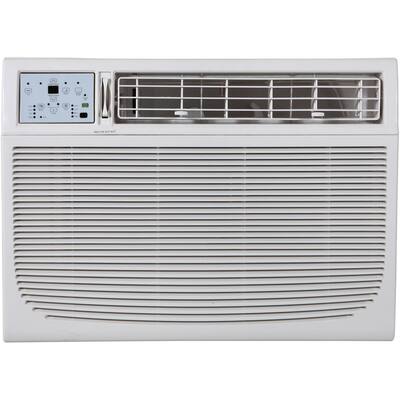
Window units are compact and fit into a window frame. They are good for cooling single rooms or small spaces.
| Feature | Details |
| Cooling Area | Up to 500 square feet |
| Installation | Easy, no ductwork needed |
| Cost | Lower upfront cost |
| Portability | Fixed in window |
Portable Acs
Portable ACs can move from room to room. They use a hose to vent hot air outside through a window.
These units are good for renters or temporary cooling needs. They do not cool large spaces well.
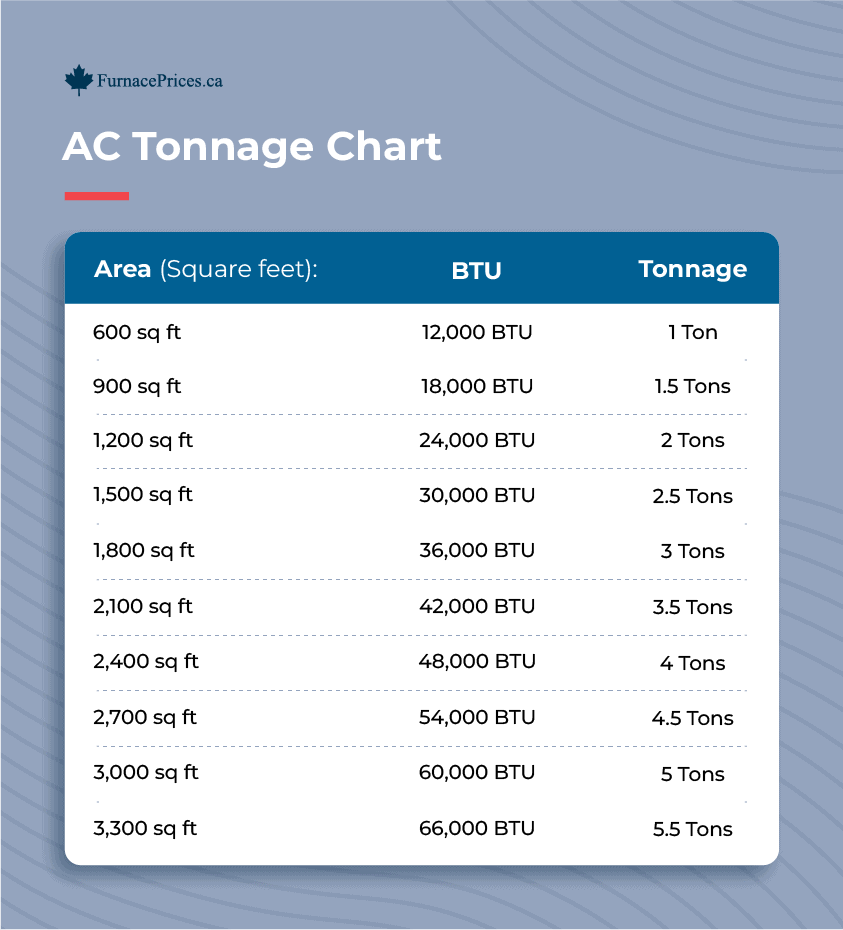
Credit: www.furnaceprices.ca
Energy Efficiency And Cost
Choosing the right air conditioner size is key for a 1500 square feet home. It affects energy use and monthly bills.
This guide covers SEER ratings, energy-saving tips, and cost factors. It helps you pick an efficient and affordable AC unit.
Seer Ratings
SEER means Seasonal Energy Efficiency Ratio. It shows how well an AC cools using electricity. The higher the SEER, the less energy it uses.
For a 1500 square feet space, a unit with at least 14 SEER is good. Higher SEER units cost more but save energy in the long run.
- SEER 14-16: Standard efficiency, lower upfront cost
- SEER 17-20: High efficiency, better energy savings
- SEER 21+: Premium efficiency, highest savings but highest price
Energy Saving Tips
- Keep doors and windows closed when AC runs
- Use ceiling fans to circulate cool air
- Set the thermostat to 78°F for comfort and savings
- Clean or replace AC filters regularly
- Use blinds or curtains to block direct sunlight
Initial Vs Long-term Costs
| Cost Type | Description | Example |
|---|---|---|
| Initial Cost | Price to buy and install the unit | $2,500 – $4,000 |
| Operating Cost | Electricity bills per year | $300 – $600 |
| Maintenance Cost | Routine service and repairs | $100 – $200 annually |
| Long-term Cost | Sum of all costs over 10 years | Can exceed $8,000 |
Installation Tips
Installing the right air conditioner size matters for a 1500 square feet home. Proper setup helps your unit cool efficiently and lowers energy use. Follow key tips to get the best results from your air conditioner.
Good installation involves placing the unit correctly, ensuring ducts work well, and deciding between hiring pros or doing it yourself. Each step affects how well your AC performs.
Proper Placement
Where you place the air conditioner impacts its cooling power. Avoid spots with direct sunlight or heat sources. Keep the unit away from windows and doors that open often.
- Choose a shaded area outside for the compressor.
- Keep at least 2 feet of clearance around the unit.
- Place the indoor unit centrally to spread cool air evenly.
- Make sure the unit is level to avoid water damage.
Ductwork Importance
Ducts carry cool air from the AC to every room. Poor ductwork causes leaks and less cooling. Sealed and insulated ducts keep air cold and save energy.
| Issue | Effect | Solution |
| Leaks | Cool air escapes | Seal with mastic or metal tape |
| Poor insulation | Air warms before reaching rooms | Wrap ducts with insulation |
| Wrong size | Uneven cooling and noise | Use ducts sized for airflow |
Professional Vs Diy
Decide if you want to hire an expert or install the AC yourself. Professionals bring experience and tools. DIY can save money but needs skill and time.
- Professionals ensure correct sizing and placement.
- They check ductwork and refrigerant levels.
- DIY requires reading manuals carefully and following safety rules.
- Installation mistakes can reduce cooling and increase costs.
Credit: www.bestbuy.com
Common Mistakes To Avoid
Choosing the right air conditioner size for a 1500 square feet space is very important. Picking the wrong size can cause many problems.
This guide explains common mistakes to avoid when selecting an air conditioner for your home or office.
Oversizing Issues
Buying an air conditioner that is too big cools the room quickly but causes problems. It will turn on and off too often.
This short cycling wastes energy and can damage the unit. It also makes the room feel damp because the air is not dehumidified well.
- Short cycling reduces efficiency
- Higher electricity bills
- Increased wear and tear
- Uncomfortable humidity levels
Undersizing Consequences
An air conditioner that is too small will run constantly but never cool the space fully. This wastes energy and causes discomfort.
The unit works harder, which shortens its life. It also increases your electricity costs and leaves hot spots in the room.
- Long run times without proper cooling
- Higher energy use
- More repairs and shorter lifespan
- Uneven temperature in rooms
Ignoring Maintenance
Neglecting regular maintenance can reduce your air conditioner’s efficiency. Dirty filters and coils block airflow and cooling.
Ignoring maintenance leads to higher bills and more breakdowns. Clean your unit often and check it for problems.
- Change or clean filters every 1-3 months
- Keep coils clean for better cooling
- Inspect and fix leaks or damage
- Schedule professional service yearly

Credit: dellahome.com
Frequently Asked Questions
What Size Air Conditioner Is Best For 1500 Square Feet?
A 18,000 to 24,000 BTU air conditioner is ideal for 1500 square feet. It efficiently cools the area without wasting energy. Proper sizing ensures comfort and cost savings.
How Do I Calculate Btu For 1500 Sq Ft?
Multiply 1500 sq ft by 20 BTU per square foot for a rough estimate. This equals about 30,000 BTU. Adjust for insulation, windows, and climate for accuracy.
Can A 1.5 Ton Ac Cool 1500 Sq Ft?
Yes, a 1. 5 ton AC, which equals 18,000 BTU, can cool 1500 sq ft in moderate climates. Larger or smaller units may be needed based on insulation and sun exposure.
Why Is Choosing The Right Ac Size Important?
Right AC size ensures efficient cooling, energy savings, and longer unit life. Too large wastes energy; too small struggles to cool properly. Proper sizing enhances comfort and lowers bills.
Conclusion
Choosing the right air conditioner size matters. A 1500 square foot home needs careful consideration. The right size ensures comfort and energy efficiency. Measure your space accurately. Consider factors like ceiling height and window size. Don’t forget insulation and sunlight exposure.
Consult an expert if unsure. A properly sized unit cools your home effectively. Saves on energy bills too. Avoids unnecessary maintenance costs. Make an informed decision. Enjoy a cool, comfortable home all year round.