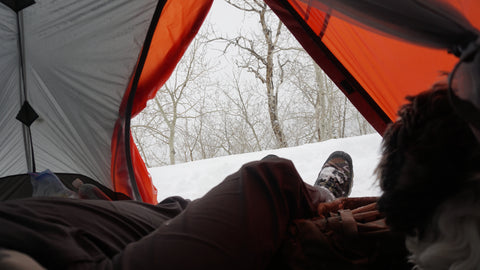
Winter camping can be an amazing adventure, but staying warm inside your tent is the key to enjoying it fully. If you’ve ever woken up shivering or struggled to get comfortable in the cold, you know how important proper insulation is.
You don’t have to let freezing temperatures ruin your trip. In this guide, you’ll discover simple, effective ways to insulate your tent so you stay cozy all night long. Ready to learn how to turn your chilly shelter into a warm retreat?
Keep reading, and you’ll be prepared for your next winter camping trip like never before.
Choosing The Right Tent
Choosing the right tent is key for winter camping. A good tent keeps you warm and safe. It blocks cold wind and holds heat inside.
Not all tents work well in cold weather. You must think about materials, shape, and size. These factors affect how well your tent keeps heat.
Materials That Retain Heat
Tent fabrics and insulation affect heat retention. Look for strong, thick materials that trap warmth. Nylon with a waterproof coating is common. Polyester works too and dries fast.
- Double-wall tents use an inner layer and a rain fly for insulation.
- Silicone-coated fabrics block wind and water.
- Some tents add a thermal lining for extra warmth.
- Choose tents with fewer mesh panels to reduce heat loss.
Tent Shapes For Cold Weather
The shape of your tent affects how it handles snow and wind. Rounded shapes help snow slide off. A low profile reduces wind impact.
| Tent Shape | Benefit |
| Dome | Strong, sheds snow well |
| Geodesic | Very stable in strong winds |
| A-frame | Simple, but may collect snow |
| Tunnel | Spacious, but less wind resistant |
Size And Space Considerations
Choose a tent size that fits your group but is not too big. Large tents lose heat faster. Small tents keep warmth better but feel tight.
Here are tips to pick the right tent size:
- Choose a tent with just enough space for your gear and people.
- A smaller tent warms up faster at night.
- Extra space inside helps with insulation if you add foam pads or blankets.
- Make sure to allow room for layering clothes and gear.
Ground Insulation Techniques
Keeping warm during winter camping starts with good ground insulation. The cold from the ground can take away your body heat. Using the right materials under your tent helps keep you warm and comfortable.
There are different ways to insulate the ground. Using sleeping pads, reflective barriers, and natural materials can make a big difference. Each method adds a layer that stops cold from reaching you.
Using Sleeping Pads And Mats
Sleeping pads and mats are made to keep you off the cold ground. They provide cushioning and stop heat loss. Foam pads are light and affordable. Inflatable pads are thicker and more comfortable.
Choose a pad with good insulation value, called R-value. Higher R-value means better warmth. Use one or layer two pads for extra insulation. Place them under your sleeping bag to create a warm base.
Adding Reflective Barriers
Reflective barriers bounce your body heat back toward you. They work by reflecting heat instead of letting it escape into the ground. Common materials include emergency blankets or reflective foam sheets.
Place the reflective barrier under your sleeping pad or mat. Make sure the shiny side faces up to reflect heat. These barriers are thin and easy to carry. They improve warmth without adding much weight.
Layering Natural Materials
Natural materials like pine needles, leaves, or dry grass add extra insulation. They create air pockets that trap heat. Collect a thick layer to place under your sleeping area before setting your tent.
Make sure these materials are dry to avoid moisture. Layering natural materials works well with sleeping pads and reflective barriers. This combination keeps cold air from reaching you through the ground.
Tent Wall Insulation
Keeping your tent warm is key for winter camping. Tent wall insulation helps block cold air. It stops heat from escaping and keeps the inside cozy.
There are simple ways to add insulation to your tent walls. These methods improve comfort and safety in cold weather.
Applying Insulation Liners
Insulation liners fit inside your tent walls. They add an extra layer that traps heat. Liners are often made of foam or fabric with insulating properties.
Attach liners with clips or Velcro strips. Make sure the liners cover the entire wall for best results.
- Choose lightweight liners for easy setup
- Check that liners do not block vents
- Remove liners during the day to prevent moisture build-up
Using Thermal Blankets
Thermal blankets reflect body heat back inside the tent. You can hang them on the walls or ceiling. These blankets are thin but very effective.
Use strong tape or hooks to secure blankets to the tent walls. Avoid covering mesh areas to keep airflow.
- Space blankets are affordable and easy to carry
- Double layers improve warmth
- Use blankets inside a fabric liner for comfort
Diy Insulation Ideas
You can use household items to insulate tent walls. Old blankets, foam mats, or bubble wrap work well. These materials add warmth without much cost.
Attach DIY insulation with tape or string. Make sure the material stays dry and does not block tent ventilation.
- Use foam floor mats cut to tent wall size
- Hang old blankets for extra warmth
- Line walls with bubble wrap for air insulation
- Secure materials to avoid slipping or damage
Preventing Heat Loss
Keeping warm in a tent during winter camping is very important. Heat loss can make your camping uncomfortable and cold.
Using simple ways to stop heat from escaping helps keep your tent cozy. Let’s look at how to do this well.
Sealing Tent Seams
Tent seams are places where cold air can get inside. Sealing these seams stops heat from leaving your tent.
You can use seam tape or waterproof sealant to cover the seams. Make sure to apply it evenly for best results.
- Clean the seams before sealing
- Apply tape or sealant smoothly
- Let the seal dry fully
- Check for gaps and reapply if needed
Covering Tent Openings
Openings like doors and windows let warm air escape. Covering them helps keep the heat inside the tent.
Use extra fabric, blankets, or a tent vestibule to cover openings. This adds another layer to block cold air.
- Use heavy fabric for better insulation
- Secure coverings tightly to avoid gaps
- Close zippers and flaps completely
- Add a windbreak outside openings if possible
Reducing Drafts Effectively
Drafts bring cold air inside and lower the tent temperature. Finding and stopping drafts keeps you warmer.
Check all corners, vents, and any holes for leaks. Use foam strips or weatherproof tape to cover small openings.
- Inspect the tent inside for cold spots
- Fill gaps with foam or fabric strips
- Use draft stoppers at the tent base
- Keep ventilation balanced to avoid moisture
Heat Sources Inside The Tent
Keeping warm inside a tent during winter camping is very important. Choosing the right heat sources helps you stay safe and comfortable. This guide covers safe heaters, chemical warmers, and ways to use your body heat.
Each heat source has benefits and risks. Understanding how to use them properly will keep your shelter warm and secure.
Safe Use Of Portable Heaters
Portable heaters can provide strong warmth inside a tent. Only use heaters made for indoor or tent use. Always keep ventilation to avoid carbon monoxide buildup. Never leave heaters unattended or use them while sleeping.
- Choose a heater with an automatic shut-off feature.
- Place the heater on a flat, stable surface away from flammable materials.
- Keep a fire extinguisher or water nearby.
- Ventilate the tent to prevent gas buildup.
Chemical Warmers And Hot Packs
Chemical warmers and hot packs offer safe, portable heat. They are easy to use and do not require electricity or fuel. Warmers are good for hands, feet, and sleeping bags.
| Type | Use | Duration | Safety Tips |
|---|---|---|---|
| Hand Warmers | Keep in gloves or pockets | 6–10 hours | Do not place directly on skin |
| Foot Warmers | Put inside boots or socks | 8–12 hours | Check for skin irritation |
| Body Warmers | Place in sleeping bags or clothing | Up to 12 hours | Follow package instructions |
Body Heat Maximization Tips
Your body heat is a natural and effective way to keep warm. Use these tips to keep heat inside your tent and close to your body.
- Wear layers of insulated clothing to trap heat.
- Use a sleeping pad to prevent heat loss to the ground.
- Keep your head covered with a warm hat.
- Snuggle close to a camping partner if possible.
- Drink warm fluids to help maintain body temperature.

Credit: www.battlbox.com
Clothing And Sleeping Gear
Keeping warm in a tent during winter camping depends on good clothing and sleeping gear. Choosing the right layers and bedding helps you stay comfortable all night.
Understanding how to layer clothes and pick sleeping bags can make a big difference in cold weather.
Layering For Warmth
Wearing layers traps heat and lets you adjust your warmth. Start with a base layer that moves sweat away. Add an insulating layer to hold heat. Finish with a waterproof shell to block wind and snow.
- Base layer: lightweight, moisture-wicking fabric like wool or synthetic
- Insulating layer: fleece or down for warmth
- Outer layer: waterproof and windproof jacket and pants
- Warm socks and insulated gloves
- Hat that covers ears
Choosing The Right Sleeping Bag
Pick a sleeping bag rated for temperatures below the coldest you expect. Look for bags with down or synthetic fill. Down is light and compresses well. Synthetic works better if wet. Check the bag’s shape and size for good heat retention.
| Type | Pros | Cons |
| Down | Lightweight, warm, compressible | Less warm when wet, needs care |
| Synthetic | Dries fast, keeps warmth when wet | Heavier, bulkier |
| Mummy Shape | Good heat retention | Less room to move |
| Rectangular Shape | More space, comfort | Less heat efficient |
Using Liners And Thermal Wear
Adding liners to your sleeping bag boosts warmth. Thermal wear adds comfort and heat inside your layers. Use silk or fleece liners for extra insulation. Thermal underwear keeps your body heat close.
- Silk liners: lightweight and smooth
- Fleece liners: thick and cozy
- Thermal underwear: wear under clothes or sleep in it
- Extra socks for feet warmth
Ventilation And Moisture Control
Keeping your tent ventilated is key for winter camping. It helps stop moisture from building up inside. Proper airflow also keeps the air fresh and reduces dampness.
Without good ventilation, condensation can form. This water can soak your gear and make the tent cold. Let’s explore how to manage ventilation and moisture.
Avoiding Condensation Build-up
Condensation happens when warm air meets cold surfaces. Your breath, sweat, and wet clothes add moisture. To avoid this, keep air moving inside your tent.
- Open vents or windows even in cold weather
- Keep wet clothes outside the sleeping area
- Use a groundsheet to prevent moisture from the floor
- Cook outside the tent to reduce humidity
- Dry wet gear before bringing it inside
Balancing Warmth And Airflow
Too much ventilation lowers temperature but stops dampness. Too little airflow traps moisture and chills you. Find a balance by adjusting vents as needed.
| Ventilation Level | Effect |
| High Ventilation | Less moisture, cooler air |
| Low Ventilation | More warmth, risk of dampness |
| Moderate Ventilation | Good moisture control, comfortable warmth |
Using Ventilation Features
Many tents have built-in vents and mesh panels. Use these to improve airflow without letting too much cold air in. Adjust them based on weather and inside humidity.
- Open roof vents to let warm air escape
- Use mesh windows to allow fresh air in but keep bugs out
- Keep door flaps slightly open if it’s safe
- Consider using a small, safe heater with ventilation

Credit: www.andreaference.com
Additional Tips For Winter Comfort
Camping in winter requires extra care to stay warm and safe. Insulating your tent well helps keep the cold out. These tips will improve your comfort during cold nights.
Use smart methods to block wind, build snow barriers, and keep heat inside your tent. Small actions can make a big difference in your warmth.
Setting Up Camp In Wind Shelters
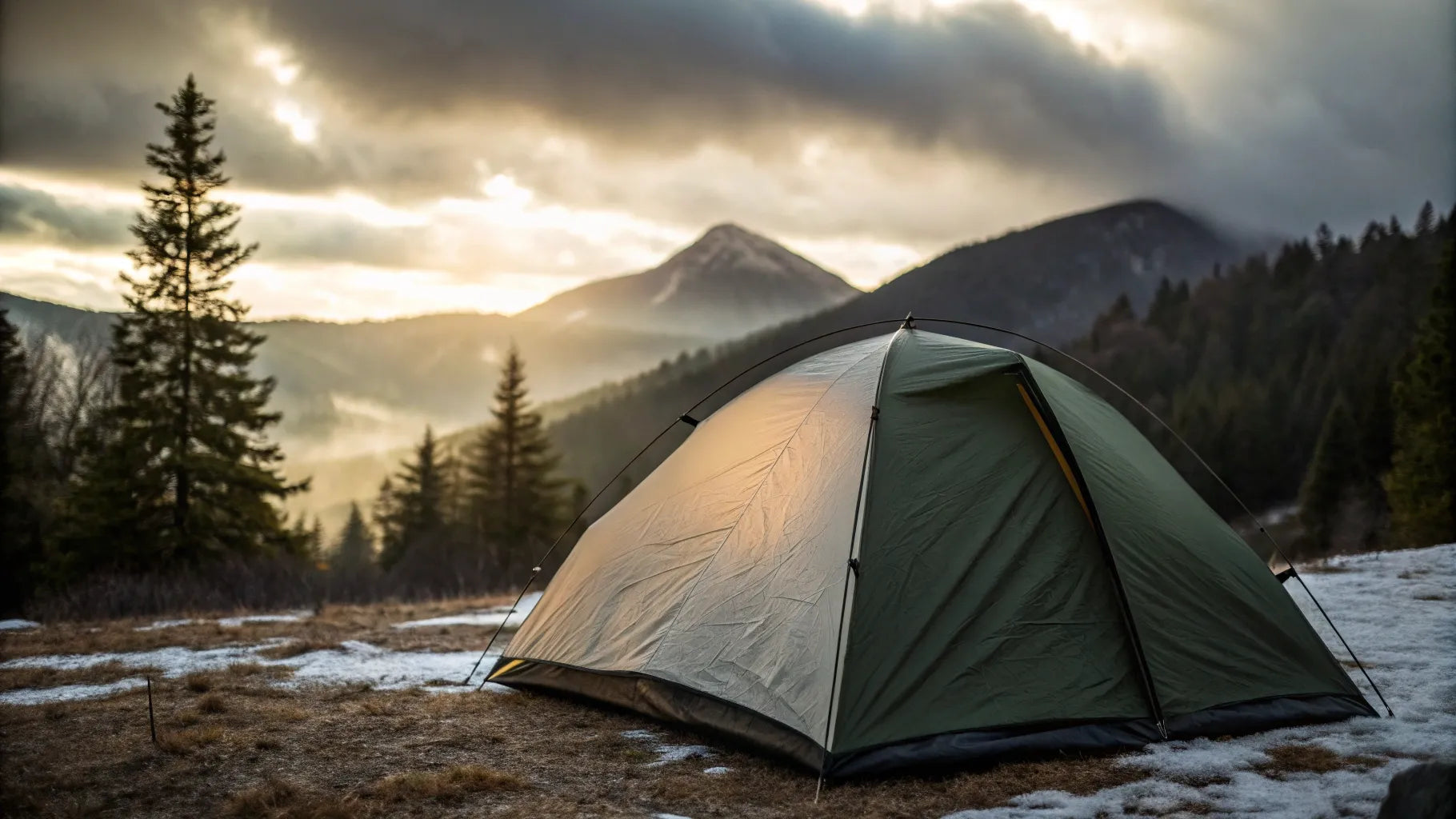
Choose a spot protected from strong winds. Natural windbreaks like trees or rocks help reduce cold air near your tent. Set your tent with the smallest side facing the wind to cut down wind flow.
- Find a sheltered area behind hills or dense trees.
- Face your tent door away from the wind.
- Use guy lines tightly to keep the tent stable.
- Clear snow and ice under the tent for better insulation.
Using Snow Walls And Barriers
Snow walls block wind and add insulation around your tent. Build walls by packing snow tightly into blocks or piling snow high around the tent’s sides.
| Type of Barrier | How to Build | Benefit |
| Snow Block Wall | Cut blocks from hard snow and stack them. | Strong wind protection |
| Snow Pile | Heap loose snow around tent edges. | Quick and easy shield |
| Ice Blocks | Freeze water in containers, stack blocks. | Extra insulation |
Maintaining Warmth Overnight
Keeping warm during the night is important. Use multiple layers inside the tent and stay dry. Avoid sweating by adjusting your clothes before sleeping.
- Wear moisture-wicking base layers.
- Use insulated sleeping pads under your sleeping bag.
- Keep a hot water bottle in your sleeping bag.
- Ventilate the tent slightly to reduce moisture build-up.
- Avoid eating or drinking too much before bed to stay comfortable.
Credit: www.battlbox.com
Frequently Asked Questions
How Can I Keep My Tent Warm In Winter?
Use insulated sleeping pads and thermal blankets inside. Seal tent seams and use a windproof rainfly to reduce heat loss. Position your tent away from wind and snowdrifts to maintain warmth.
What Materials Best Insulate A Winter Tent?
Foam sleeping pads, reflective blankets, and insulated liners work best. They trap body heat and block cold air. Avoid materials that absorb moisture, as they reduce insulation efficiency.
Is A Tent Heater Safe For Winter Camping?
Yes, but only use heaters designed for tents with proper ventilation. Never use fuel-burning heaters without ventilation to prevent carbon monoxide buildup. Always follow manufacturer safety guidelines.
How Do I Prevent Condensation Inside A Winter Tent?
Ventilate your tent by slightly opening vents or doors to reduce moisture. Use moisture-wicking sleeping bags and avoid cooking inside. Proper airflow minimizes condensation buildup.
Conclusion
Stay warm and cozy during winter camping by insulating your tent. Use reflective blankets for extra warmth. Layer your tent’s floor with foam mats or rugs. Seal gaps with duct tape to block cold air. Choose a small tent to preserve heat better.
Good insulation techniques make camping more enjoyable. Prepare well, and you can camp comfortably even in the coldest weather. Remember, a warm tent means a good night’s sleep. Happy camping!