Are you ready to catch more fish but unsure how to set up your fishing line the right way? How you rig your fishing line can make all the difference between a great day on the water and going home empty-handed.
This simple skill boosts your chances of success and makes fishing more enjoyable. You’ll learn easy, step-by-step methods to rig your fishing line like a pro. By the end, you’ll feel confident and ready to reel in your next big catch.
Keep reading, and let’s get your fishing line perfect!

Credit: mysterytacklebox.com
Choosing The Right Fishing Line
Picking the right fishing line is key to a good catch. The line must fit the fish type and the fishing style.
This guide covers the main types of fishing lines, line strength and diameter, and the best lines for different fish.
Types Of Fishing Lines
Fishing lines come in several types. Each type has unique features that suit certain fishing needs.
- Monofilament:Stretchy and easy to handle. Good for beginners.
- Fluorocarbon:Nearly invisible underwater. Great for clear water.
- Braid:Very strong with no stretch. Best for heavy cover fishing.
Line Strength And Diameter
Strength and diameter affect how well the line performs. Stronger lines handle bigger fish.
| Line Strength (lbs) | Diameter (inches) |
| 4 | 0.008 |
| 8 | 0.011 |
| 12 | 0.014 |
| 20 | 0.018 |
| 30 | 0.025 |
Best Line For Different Fish
Choose the right line based on the fish size and type. This helps avoid line breaks and improves catch rates.
- Small fish (trout, panfish): Use 4-8 lb monofilament or fluorocarbon.
- Medium fish (bass, walleye): Use 8-12 lb fluorocarbon or braid.
- Large fish (pike, catfish): Use 20-30 lb braid or heavy monofilament.

Credit: mysterytacklebox.com
Essential Tools And Accessories
Rigging a fishing line properly needs the right tools and accessories. These help you set up your line fast and fish with ease.
This guide covers key items like rod and reel compatibility, line clippers, knot tools, and weights with floats.
Fishing Rod And Reel Compatibility
Choose a rod and reel that work well together. The reel should fit the rod’s size and power to handle the fishing line properly.
Check the rod’s guides and the reel’s spool size. These affect how the line moves and casts.
Line Clippers And Knot Tying Tools
Use line clippers to cut your fishing line cleanly. Sharp clippers prevent frays and make tying knots easier.
- Line clippers or scissors for clean cuts
- Knot tying tools to help secure strong knots
- Tweezers or pliers for tightening and trimming
- A small flashlight to see knots in low light
Weights, Floats, And Swivels
| Accessory | Purpose | Common Types |
| Weights | Help sink the bait to the desired depth | Split shot, egg sinkers, bullet weights |
| Floats | Keep bait suspended and signal bites | Bobbers, slip floats, foam floats |
| Swivels | Prevent line twisting and connect parts | Barrel swivels, snap swivels, ball bearing swivels |
Preparing The Line
Getting your fishing line ready is an important step before you start fishing. It helps you avoid problems while fishing and keeps your gear working well.
In this section, you will learn how to prepare your fishing line properly. This includes spooling the reel, checking for damage, and adjusting the line tension.
Spooling The Reel
Spooling the reel means putting the fishing line onto the reel. This helps the line come off smoothly when you cast.
Start by attaching the line to the reel spool. Then, slowly turn the reel handle while keeping the line tight. Fill the spool but leave some space at the edges.
- Attach the line with a secure knot
- Keep the line tight as you spool
- Fill the spool to about 1/8 inch from the edge
- Avoid overfilling to prevent tangles
Checking For Line Damage
Before you fish, check the line for any damage. Look for cuts, frays, or weak spots that could break easily.
If you find damaged parts, cut them out and tie a new end. Using a strong line helps you catch fish without losing them.
- Inspect the line along its entire length
- Look for nicks, frays, or discoloration
- Remove damaged sections before fishing
- Replace the line if it is very old or worn
Adjusting Line Tension
Line tension controls how the line moves and reacts when you cast or catch fish. Proper tension stops tangles and helps you feel bites.
Adjust the drag system on your reel to set the right tension. The line should pull out smoothly but stop under strong force.
- Turn the drag knob to tighten or loosen
- Test tension by pulling the line by hand
- Set tension so fish can pull line without breaking it
- Check tension regularly during fishing
Basic Rigging Techniques
Rigging a fishing line correctly helps catch more fish. It also prevents losing your bait or fish.
Here are simple steps for setting up your fishing line with hooks, knots, weights, and floats.
Attaching Hooks
Attach hooks to the line securely to avoid losing fish. Use the right size hook for your bait.
Slide the line through the hook eye and tie a strong knot. Make sure the hook faces the right way.
Tying Common Knots
Knots connect your hook, weights, and floats to the line. Learn knots that are strong and easy to tie.
- Improved Clinch Knot: good for attaching hooks and lures
- Palomar Knot: strong and simple for most fishing lines
- Loop Knot: allows bait to move naturally
Adding Weights And Floats
Weights help your bait sink to the right depth. Floats keep the bait near the surface or show when fish bite.
Slide weights above the hook to control depth. Attach floats above weights or directly on the line.
- Split shot weights: small and easy to add
- Bullet weights: slide on the line for casting
- Bobbers: float on water, show bite signals
Specialized Rigs For Different Fishing Styles
Fishing lines need different rigs for various fishing styles. Using the right rig improves your chances of catching fish.
This guide covers bottom rigs, float rigs, and leader rigs. Each rig fits a specific fishing method and water condition.
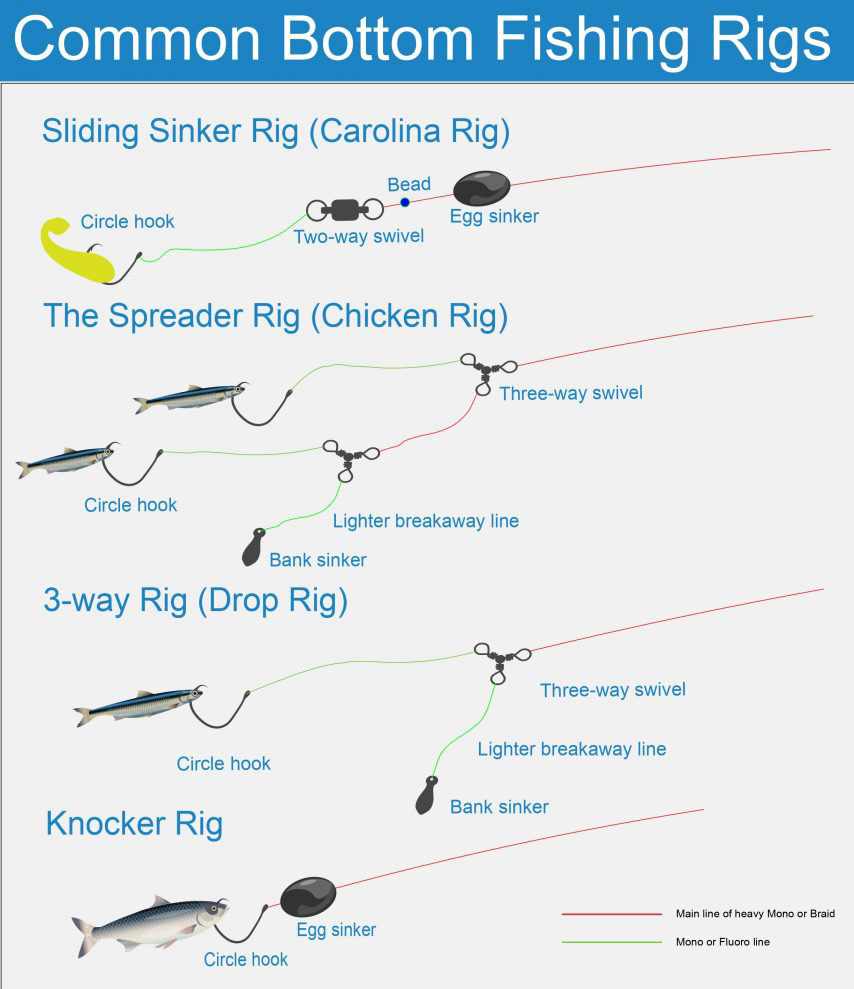
Bottom Rigs
Bottom rigs keep the bait near the lake or river floor. They work well for fish that feed at the bottom.
- Use a weight to hold the bait down.
- Attach a hook above the weight with a strong knot.
- Choose bait that stays close to the bottom.
- Good for catfish, carp, and flounder.
Float Rigs
Float rigs use a bobber or float to keep the bait suspended. This rig lets you see when a fish bites.
| Float Type | Best For | Water Type |
|---|---|---|
| Bubble Float | Small fish | Still water |
| Pencil Float | Trout and bass | Flowing water |
| Slip Float | Various fish | Deeper water |
Leader Rigs
Leader rigs protect the main line from sharp teeth or rough surfaces. They connect the hook to the main fishing line.
| Leader Material | Use Case |
|---|---|
| Fluorocarbon | Clear water, low visibility |
| Steel | Fish with sharp teeth |
| Monofilament | General purpose |

Credit: greatdaysoutdoors.com
Tips For Maintaining Your Fishing Line
Keeping your fishing line in good condition helps you catch more fish. It also stops breaks and tangles while fishing. Regular care makes your fishing trips more fun and less frustrating.
Use simple habits to protect your line. Check it often, store it right, and replace it when needed. These tips keep your fishing line strong and ready for action.
Regular Line Inspection
Look over your fishing line before and after each trip. Small cuts, knots, or frays can cause the line to snap. Check the line near the rod guides and the reel for damage.
- Run your fingers along the line to feel rough spots.
- Look for discoloration or weak areas.
- Replace line if you see cracks or deep scratches.
Proper Storage
Store your fishing line in a cool, dry place away from sunlight. Heat and UV rays weaken the line over time. Keep line off the ground and away from sharp objects.
| Storage Tip | Reason |
| Keep line in a sealed container | Protects from dust and moisture |
| Avoid direct sunlight | Prevents line from weakening |
| Store in moderate temperature | Prevents line from becoming brittle |
Replacing Old Line
Old fishing line loses strength and stretch. Replace your line after several uses or if it looks worn. Fresh line helps you catch fish and reduces snags.
- Remove the old line from your reel.
- Check the reel for dirt and clean if needed.
- Spool new line tightly to avoid tangles.
- Cut the line cleanly and tie secure knots.
Troubleshooting Common Problems
Fishing line problems can ruin your fishing experience. Knowing how to fix common issues helps you fish better.
Here are easy tips to solve line twisting, knot slippage, and line breakage problems.
Line Twisting And Tangles
Line twisting happens when the spool spins too much. Twists cause tangles and knots that are hard to fix.
Use a swivel to stop line twists. Also, avoid reeling too fast or letting the lure spin freely in the water.
- Attach a swivel between the main line and lure
- Reel in smoothly without jerking
- Check the spool to make sure it is tight
- Let the lure sink straight down to avoid spinning
Knot Slippage
Knot slippage happens if the knot is not tied tightly. This makes the knot come loose and the fish escape.
Use strong, simple knots and wet the line before tightening. This helps the knot hold better under pressure.
- Use knots like improved clinch or Palomar
- Moisten the line with water or saliva before pulling tight
- Pull the knot slowly and firmly
- Trim excess tag ends close to the knot
Line Breakage
Line breakage occurs from sharp edges or too much force. It can happen when casting or fighting fish.
Check the line for damage often. Use the right line strength for your fishing and avoid dragging the line over rocks.
- Inspect the line for nicks or cuts before fishing
- Replace old or damaged line regularly
- Use a heavier line if fighting big fish
- Keep the line off sharp rocks and debris
Frequently Asked Questions
How Do I Choose The Right Fishing Line?
Choosing the right fishing line depends on the fish species and water conditions. Use monofilament for beginners, fluorocarbon for clear water, and braided line for strength. Match line strength to your rod and reel for best results.
What Tools Are Needed To Rig A Fishing Line?
You need a fishing rod, reel, line, hooks, sinkers, and bobbers. Pliers and scissors help with rigging and cutting line. Having the right tools ensures a smooth rigging process and better fishing experience.
How Do I Tie A Strong Fishing Knot?
Use knots like the improved clinch or Palomar knot. These knots are simple, strong, and reliable for securing hooks. Practice tying knots to ensure they hold under tension and avoid losing fish.
When Should I Change My Fishing Line?
Change your fishing line every season or after catching large fish. Replace it sooner if the line shows nicks, frays, or discoloration. Fresh line improves casting distance and prevents breakage.
Conclusion
Fishing can be a rewarding hobby with the right setup. Rigging a fishing line correctly increases your chances of success. Practice makes perfect. Try different techniques and see what works best for you. Always check your line and knots before casting.
This ensures everything is secure and ready for action. Remember, patience and persistence are key. Enjoy the peace and thrill fishing brings. Now, grab your gear, head to the water, and have fun fishing. With the right preparation, you’ll have a memorable fishing experience.
Happy fishing!