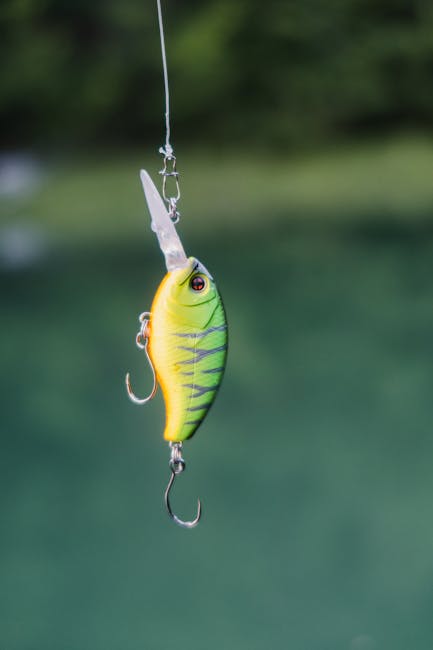
Choosing the right fishing line size can make all the difference when you’re after trout. You might wonder, “What size fishing line for trout is best?” Picking the wrong line could mean lost fish, tangled gear, or missed bites.
But don’t worry—this guide will clear up the confusion and help you select the perfect line that matches your fishing style and the trout you want to catch. Keep reading, and you’ll soon feel confident casting your line with the right setup every time.

Credit: www.amazon.com
Choosing The Right Line Strength
Choosing the right fishing line strength helps you catch trout more easily. The strength depends on where you fish and trout size.
Using the right line avoids breaking and improves your fishing experience.
Light Vs Medium Vs Heavy Lines
Light lines have low strength and are good for small trout. They offer less resistance and help fish bite.
Medium lines balance strength and sensitivity. They work well for average trout and varied fishing spots.
Heavy lines have high strength. They suit bigger trout or rough waters but can scare fish away.
- Light Lines:2-4 lb test, best for clear water and small trout
- Medium Lines:4-8 lb test, good for general trout fishing
- Heavy Lines:8-12 lb test or more, used for big trout or tough conditions
Impact Of Line Strength On Trout Fishing
Line strength affects how you fight the trout and how often your line breaks. Stronger lines resist snapping but feel less natural.
Weaker lines offer better lure action and less visible line, but they break easier if the trout pulls hard.
| Factor | Light Line | Medium Line | Heavy Line |
|---|---|---|---|
| Line Strength (lb test) | 2-4 | 4-8 | 8-12+ |
| Best For | Small trout, clear water | Average trout, mixed conditions | Large trout, rough water |
| Visibility to Fish | Low | Moderate | High |
| Break Resistance | Low | Medium | High |
| Lure Action | High | Moderate | Low |
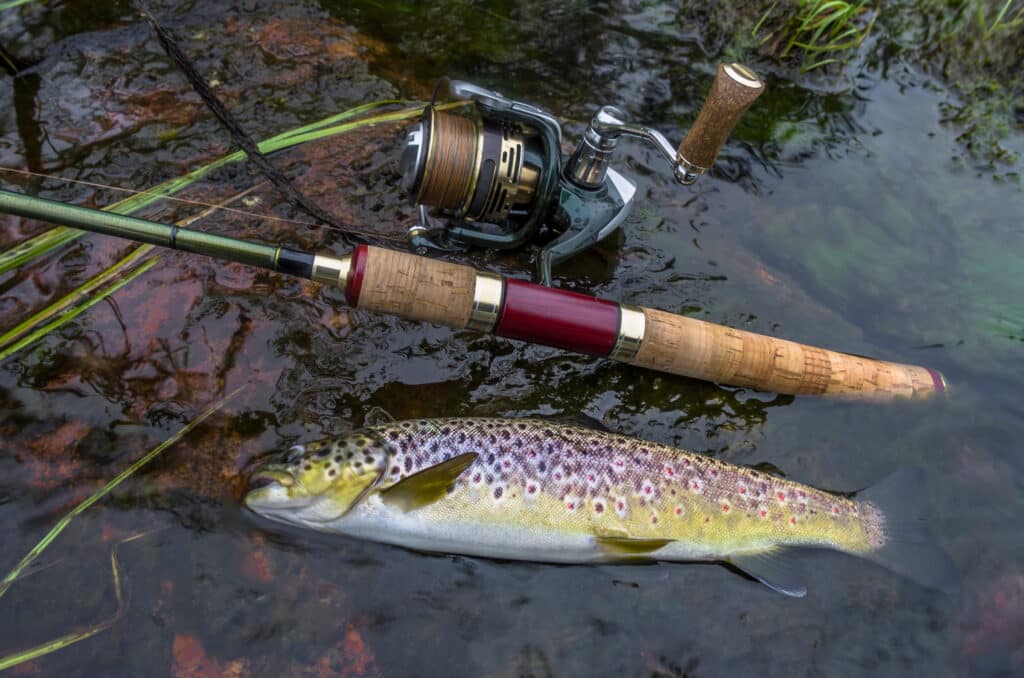
Credit: thewildprovides.com
Common Fishing Line Types
Choosing the right fishing line is important for catching trout. Different lines work better in different water and weather conditions.
There are three main types of fishing lines. Each type has unique features and uses.
Monofilament Lines
Monofilament lines are made from a single strand of nylon. They are soft and easy to handle.
These lines stretch under pressure. This helps prevent hooks from pulling out of the fish’s mouth.
- Good for beginners
- Less visible in water
- Affordable and widely available
Fluorocarbon Lines
Fluorocarbon lines are made from a special plastic. They are nearly invisible underwater.
These lines sink faster than monofilament. They are strong and resist abrasion well.
- Ideal for clear water
- Less stretch than monofilament
- Good sensitivity for bites
Braided Lines
Braided lines are made by weaving many fibers together. They are very strong and thin.
These lines have almost no stretch. They provide great control and hook-setting power.
- High strength to diameter ratio
- Good for heavy cover fishing
- More visible in water
Line Diameter And Visibility
Choosing the right fishing line size is important for catching trout. The diameter affects how strong and visible the line is in water.
A thinner line is less visible but may not hold big fish well. A thicker line is stronger but easier for trout to see.
How Diameter Affects Trout Behavior
Trout can see fishing lines in the water. A thick line looks bigger and can scare trout away. They may avoid biting if they see the line clearly.
Thinner lines blend better with water. Trout are less likely to notice them. This helps anglers catch more fish, especially in clear water.
Balancing Strength And Stealth
Anglers must find a line that is strong but not too thick. Strong lines hold big trout but can be easy to spot.
Choosing the right line means balancing strength and invisibility. Use line strength that matches the size of trout you want to catch.
- Use 2-4 lb test line for small trout in clear water
- Use 4-6 lb test line for bigger trout or murky water
- Choose thinner diameter lines for better invisibility
- Pick lines with good knot strength to avoid breaks
Matching Line Size To Fishing Conditions
Choosing the right fishing line size helps catch more trout. The water type and fishing location matter a lot. Matching line strength to conditions improves your chances.
Trout are sensitive to line visibility and strength. Using a line that suits the environment and season makes fishing easier. Below are tips for different conditions.
Clear Vs Murky Water
Clear water means trout can see your line easily. Use thinner, lighter lines to avoid spooking fish. In murky water, thicker lines work better because trout rely on feel more than sight.
- Clear water: 2-4 lb test line
- Murky water: 4-8 lb test line
- Use fluorocarbon for clear water to reduce visibility
- Monofilament is good in murky water for stretch and strength
River Vs Lake Fishing
Rivers have currents that put pressure on the line. Use stronger lines to handle snags and pulling trout. Lakes have calmer waters, so lighter lines can work well.
| Fishing Location | Recommended Line Size |
| River with fast current | 6-10 lb test |
| River with slow current | 4-8 lb test |
| Calm lake water | 2-6 lb test |
| Deep lake fishing | 6-10 lb test |
Seasonal Considerations
Different seasons affect trout behavior and water conditions. In spring, trout are active near the surface, so lighter lines help. In winter, trout stay deeper and are less active, so stronger lines work better.
- Spring: 2-4 lb test line
- Summer: 4-6 lb test line
- Fall: 4-8 lb test line
- Winter: 6-10 lb test line
Recommended Line Sizes For Trout
Choosing the right fishing line size helps catch trout more easily. Different trout sizes need different line strengths.
Using the correct line size improves your chances and protects the line from breaking. Below are the best line sizes for small, medium, and large trout.
Small Trout
Small trout are usually under 12 inches long. They are lighter and less strong, so use a thinner line. A lighter line allows better bait movement and less fish spooking.
- Line strength: 2 to 4 pounds test
- Use monofilament or fluorocarbon line
- Light line helps with delicate bites
Medium Trout
Medium trout range from 12 to 20 inches. They need stronger line to handle their size and fight. Choose a moderate line strength to balance sensitivity and power.
| Trout Size | Line Strength | Recommended Line Type |
| 12 to 16 inches | 4 to 6 pounds | Monofilament or fluorocarbon |
| 16 to 20 inches | 6 to 8 pounds | Fluorocarbon or braided |
Large Trout
Large trout can exceed 20 inches and are very strong. Use heavier line to avoid breaks during the fight. A braided line offers good strength and low stretch.
- Line strength: 8 to 12 pounds test or higher
- Braided or heavy fluorocarbon recommended
- Use a leader to prevent line damage from sharp teeth
Tips For Knot Tying And Line Care
Choosing the right fishing line size for trout is important. Proper knot tying and line care help catch more fish and keep your gear strong.
This guide covers strong knots for trout lines and ways to maintain line longevity. Both improve your fishing experience.
Strong Knots For Trout Lines
Strong knots hold your line firmly and resist slipping. Use knots that work well with light lines, common for trout fishing.
- Improved Clinch Knot: Easy to tie and strong for light lines.
- Palomar Knot: Very strong and simple for braided or monofilament lines.
- Uni Knot: Versatile and good for many line types.
- San Diego Jam Knot: Great for securing hooks and lures.
Maintaining Line Longevity
Take care of your fishing line to avoid breaks and tangles. Proper care makes your line last longer and perform better.
| Tip | Description |
| Rinse After Use | Wash line with fresh water after fishing to remove dirt and salt. |
| Store Properly | Keep line in a cool, dark place to prevent damage from sunlight. |
| Check for Damage | Inspect your line regularly for nicks or frays. |
| Replace When Needed | Change line if it shows wear or loses strength. |
| Use Line Conditioner | Apply line conditioner to reduce memory and improve flexibility. |
Common Mistakes To Avoid
Choosing the right fishing line size for trout is very important. Many anglers make simple mistakes that hurt their chances of catching fish.
This guide covers common errors to avoid when selecting and using fishing line for trout.
Using Too Heavy Line
Using a line that is too heavy can scare trout away. Trout have good eyesight and notice thick lines easily.
Heavy lines also reduce the natural movement of your bait or lure. This makes it less attractive to trout.
- Choose lighter lines between 2 to 6 pounds test for trout fishing.
- Light lines allow for better casting and natural bait action.
- Heavy lines can cause more fish to break the line during the fight.
Neglecting Line Maintenance
Not checking your fishing line often can lead to problems. Old or damaged lines break easily and lose strength.
Sunlight, water, and rough surfaces can weaken your line. Regular care helps you catch more trout and avoid losing fish.
- Inspect your line for cracks, frays, and discoloration before each trip.
- Replace your line regularly, especially if you fish often.
- Store your line in a cool, dry place away from sunlight.
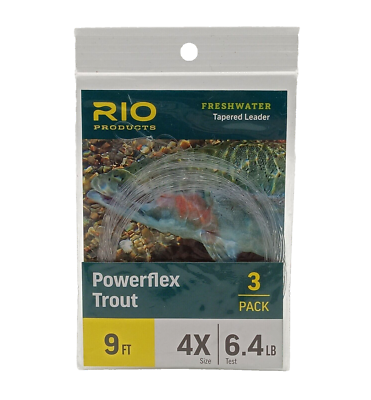
Credit: www.ebay.com
Frequently Asked Questions
What Is The Best Fishing Line Size For Trout?
The ideal fishing line size for trout ranges between 2 to 6 pounds test. Lighter lines like 2-4 lbs offer better sensitivity and less visibility. Use heavier lines up to 6 lbs for larger trout or tough conditions.
Why Choose Lighter Line For Trout Fishing?
Lighter lines are less visible in clear water, increasing your chance to catch trout. They also allow natural bait movement. Trout are sensitive to heavy lines, so lighter lines improve bite rates and provide better casting distance.
Can I Use Braided Line For Trout Fishing?
Yes, braided lines work well for trout due to their strength and sensitivity. They have a thin diameter, allowing longer casts. However, they may be more visible, so using a fluorocarbon leader is advisable.
How Does Water Clarity Affect Line Size Choice?
Clear water requires lighter, less visible lines, typically 2-4 lbs test. In murky water, you can use slightly heavier lines, up to 6 lbs. Adjusting line size based on water clarity improves catch rates.
Conclusion
Choosing the right fishing line size for trout is crucial. It affects your success and enjoyment. Aim for a line between 2-6 pounds. This range works well for most trout fishing scenarios. Thinner lines offer more sensitivity and natural bait movement.
Heavier lines provide strength for bigger catches. Always consider the water conditions and trout size. Testing different lines can help find what works best. Remember, balance is key. A good line enhances your fishing experience. So, gear up wisely and enjoy your next fishing adventure.
Happy fishing!