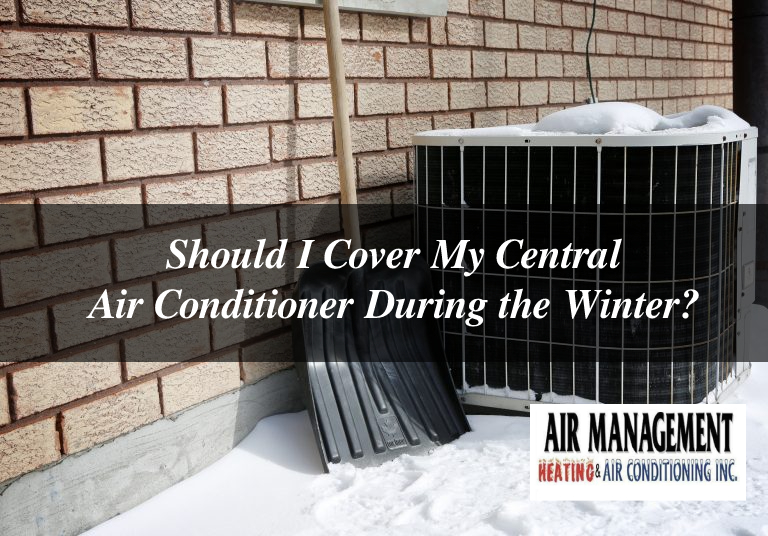
Are you wondering if you should cover your air conditioner during winter? It’s a question many homeowners ask as the cold months approach.
You want to protect your unit, save money, and avoid unnecessary repairs. But is covering your AC really the best choice? You’ll discover what experts say, the pros and cons of covering your air conditioner, and simple tips to keep it safe all winter long.
Keep reading to make the right decision for your home and your wallet.
Why Covering Matters
Covering your air conditioner during winter can help keep it safe. Cold months bring challenges that may harm the unit.
A proper cover protects the air conditioner from damage and keeps it working well for longer.
Protecting Against Debris
Leaves, twigs, and dirt can get inside the air conditioner. This debris blocks airflow and causes problems.
- Leaves clog the fan and vents
- Twigs can damage the fins
- Dirt builds up inside the unit
- Debris may cause mold growth
Preventing Rust And Corrosion
Moisture and cold air can cause metal parts to rust and corrode. A cover blocks water and ice.
| Risk | Effect on Air Conditioner |
| Water buildup | Rust on metal parts |
| Ice formation | Corrosion and damage |
| Snow | Blocked airflow and wear |
Impact Of Weather Conditions
Wind, rain, and snow can harm your air conditioner. A cover shields it from harsh weather.
Weather effects include:
- Strong winds bending or breaking parts
- Rainwater causing short circuits
- Snow piling up and adding weight
Types Of Covers
Covering your air conditioner during winter can protect it from snow and debris. Choosing the right cover helps keep your unit safe and working well.
There are different types of covers to consider. Each type offers unique benefits and fits different needs.
Breathable Covers
Breathable covers let air flow through the unit. This stops moisture from building up inside the cover.
Moisture can cause rust and damage your air conditioner. A breathable cover helps prevent these problems.
- Made from mesh or fabric materials
- Protects from leaves and debris
- Prevents mold and mildew growth
Plastic Tarps
Plastic tarps are common and easy to use. They offer a strong barrier against rain and snow.
Plastic tarps do not allow air to pass through. This can trap moisture and cause problems inside the cover.
- Inexpensive and widely available
- Needs to be secured tightly
- Risk of moisture buildup under cover
Custom-fit Covers
Custom-fit covers are made for your specific unit size. They fit snugly and offer good protection.
These covers often use breathable materials. They keep out debris but allow air circulation.
- Provides a tailored fit for your AC
- Usually made of durable, breathable fabrics
- Easy to install and remove
When To Cover Your Ac
Covering your air conditioner during winter can protect it from cold weather damage. Not every AC unit needs a cover, so timing is important.
Knowing when to install a cover helps keep your unit safe and working well for years.
Timing For Installation
Install a cover only after the cooling season ends. Your AC should be off and dry before covering it.
- Turn off your AC unit for the winter.
- Clean the unit to remove dirt and debris.
- Wait for a dry day to install the cover.
- Make sure the cover fits well but allows airflow.
Signs You Need A Cover
Some AC units need covers more than others. Look for these signs to decide if yours does.
| Sign | Reason |
| Exposed location | Unit faces heavy snow or rain |
| Old unit | Parts may wear faster without protection |
| Nearby debris | Leaves and dirt can clog the unit |
| No protective roof | Unit is fully open to the elements |
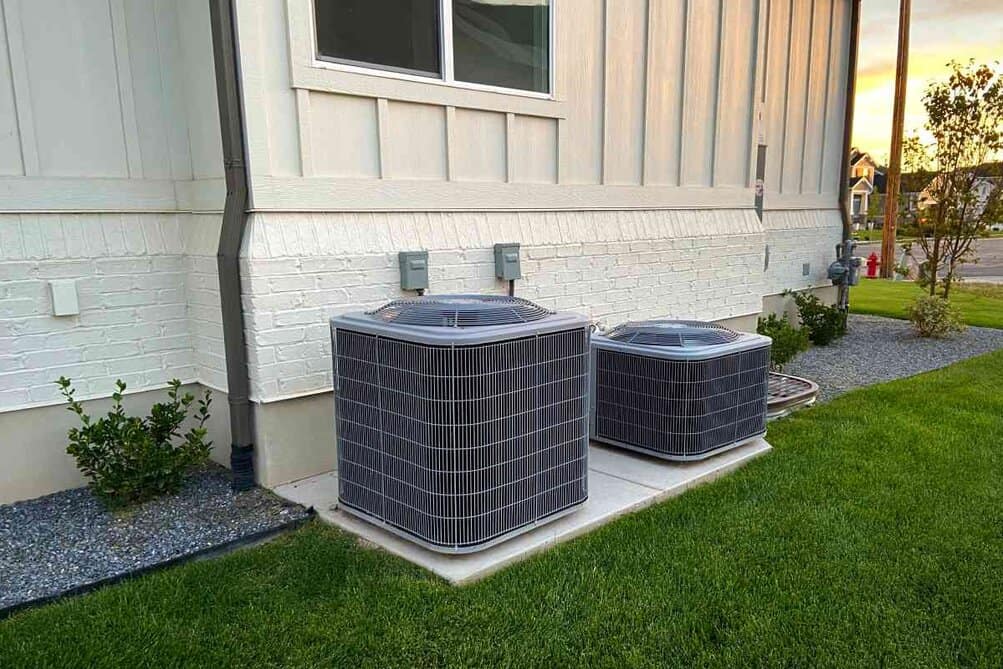
Credit: www.furnaceprices.ca
Potential Risks Of Covering
Many people wonder if covering their air conditioner during winter is a good idea. Covering can seem like a way to protect the unit. But it may cause some problems that can harm your AC.
Below are some risks to think about before you cover your air conditioner in cold months. Knowing these risks helps you make a better choice for your unit’s health.
Moisture Build-up
Covering your air conditioner can trap moisture inside the cover. This happens because rain, snow, or humidity can get under the cover. The trapped moisture can cause rust and damage parts of the AC unit.
Moisture can also freeze during cold weather. Ice can break or crack components, leading to costly repairs when the weather warms up.
Pest Infestation
Covered air conditioners can become a warm, dry place for pests. Small animals and insects may enter and build nests inside the unit. These pests can damage wiring or block important parts.
- Rodents may chew on wires and insulation.
- Insects can create webs or nests that block airflow.
- Birds might try to roost under the cover.
Airflow Restriction
Air conditioners need good airflow to stay dry and work properly. Covers can block air from moving around the unit. This can cause problems when you start using the AC again in warmer months.
| Issue | Effect of Restricted Airflow |
|---|---|
| Trapped Moisture | Leads to rust and corrosion |
| Reduced Drying | Increases chance of mold growth |
| Blocked Vents | Damages internal parts over time |
Alternative Winter Care Tips
Keeping your air conditioner safe during winter is important. Covering it is one option, but there are other ways to care for it. These tips help your AC last longer and work well.
Here are some simple ways to protect your air conditioner without covering it.
Regular Maintenance
Cleaning and checking your air conditioner before winter helps avoid damage. Remove dirt and debris from filters and coils. This keeps air flowing well and stops rust from building up.
- Turn off the power before cleaning.
- Remove and wash filters with mild soap.
- Clear dust from coils and fins gently.
- Check for any broken or loose parts.
- Dry everything before covering or closing.
Clearing Surrounding Area
Keep the space around your air conditioner free from leaves, snow, and ice. This stops moisture buildup and lets air move freely. Trim plants and bushes near the unit to avoid blocking it.
- Rake leaves away from the base.
- Remove snow after heavy storms.
- Keep gutters clean to prevent water dripping.
- Do not pile firewood or tools nearby.
Professional Inspections
Have a technician inspect your air conditioner yearly. They check parts for wear and fix small problems early. This keeps your unit safe and efficient in cold months.
| Inspection Item | Why It Matters |
| Electrical Connections | Prevent shorts and power issues |
| Refrigerant Levels | Keep cooling system working well |
| Drainage System | Avoid water buildup and damage |
| Fan and Motor | Ensure smooth operation in cold |

Credit: www.homeserve.com
Expert Recommendations
Many people wonder if they should cover their air conditioner during winter. Protecting your AC unit can help it last longer. Experts share advice to keep your AC safe from cold weather damage.
Knowing when to cover and how to do it right can save you money. It also keeps your unit clean and ready for summer use.
Best Practices For Covering
Use a breathable cover made for air conditioners. This stops moisture buildup inside the unit. Avoid plastic sheets that trap water and cause rust.
Cover the top of the AC, but leave the sides open. This allows air to flow and prevents mold. Secure the cover tightly to keep it from blowing away.
- Choose a cover with vents or mesh panels
- Do not seal all sides completely
- Check the cover regularly for damage
- Remove debris like leaves before covering
When To Skip The Cover
Some experts say you do not always need to cover your AC. If your unit is in a sheltered spot, rain and snow may not reach it. Covering can trap moisture in such cases.
If you live in a mild climate with little snow, skip the cover. Also, if your AC has a built-in cover or shield, extra covering is not needed.
- Unit placed under a porch or roof
- Area with little winter precipitation
- AC model designed for outdoor exposure
- Cover may trap moisture and cause rust
Long-term Ac Protection
Clean your AC unit before winter. Remove dirt, leaves, and debris. This helps prevent damage and blockages.
Schedule a professional inspection yearly. They check for leaks, rust, and wear. Proper maintenance keeps your AC running well for years.
- Clear debris around the unit
- Trim plants near the AC
- Cover only if needed with breathable material
- Inspect unit before and after winter
- Call a technician for yearly check-ups

Credit: www.furnaceprices.ca
Frequently Asked Questions
Should I Cover My Ac Unit In Winter?
Covering your AC unit in winter is not always necessary. Modern air conditioners are designed to withstand harsh weather. However, using a cover can protect it from debris, ice, and snow. Ensure the cover is breathable to prevent moisture buildup, which can cause rust and damage.
Can Covering My Ac Cause Damage?
Yes, improper covering can cause damage. A non-breathable cover can trap moisture, leading to rust and mold. Make sure to use a cover designed for air conditioners. It should allow ventilation to prevent condensation. Avoid tightly wrapping the unit, as it can also become a home for pests.
Is It Necessary To Cover The Ac Unit?
It’s not always necessary to cover your AC unit. Modern air conditioners are built to endure winter weather. However, covering can provide added protection from debris and snow. If you live in an area with severe winter conditions, consider using a breathable cover for extra protection.
When Should I Remove The Ac Cover?
Remove the AC cover before the first use in spring. Doing so ensures proper ventilation and operation of the unit. Before removal, inspect the cover for any damage or trapped debris. Removing it timely prevents mold and rust from forming inside the unit, ensuring efficient performance.
Conclusion
Covering your air conditioner during winter can protect it from debris and weather. A good cover keeps moisture and dirt out. But, avoid trapping moisture inside, which can cause damage. Choose a breathable cover made for air conditioners. Make sure to remove the cover before using the unit again.
Taking these steps helps your AC last longer and work better. Simple care now saves repair costs later. Think about your local weather and unit type before deciding. Small actions can make a big difference for your AC’s health.