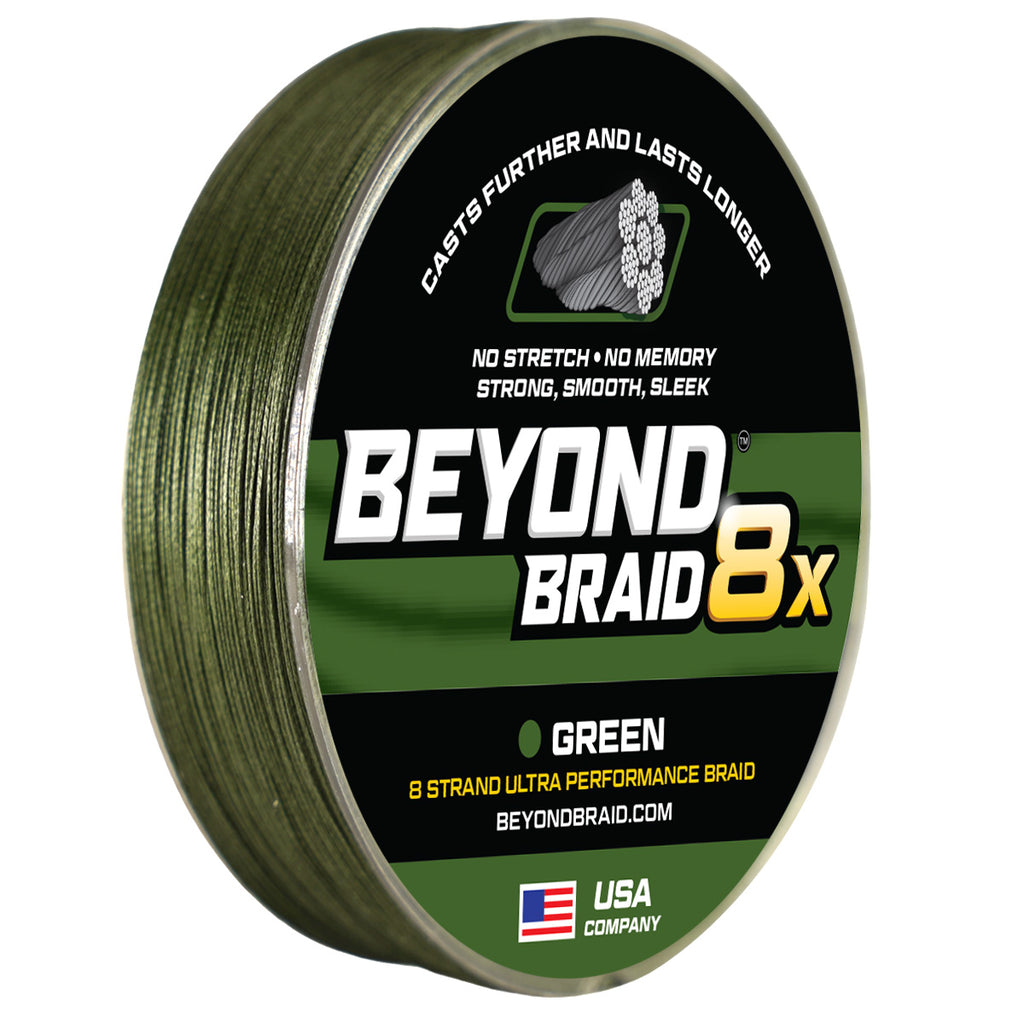
Are you tired of your fishing line snapping at the worst moment? Choosing the best braided fishing line can make all the difference in your fishing success.
With so many options out there, it’s easy to feel overwhelmed. But don’t worry—this guide will help you find a line that’s strong, durable, and perfect for your needs. Keep reading to discover how the right braided line can boost your confidence and improve every cast you make.

Credit: www.amazon.com
Benefits Of Braided Fishing Lines
Braided fishing lines are popular among anglers for many reasons. They offer unique benefits that improve fishing experience.
This type of line stands out in strength, sensitivity, and resistance to damage. Let’s explore these advantages.
Superior Strength And Durability
Braided lines have high tensile strength. They hold up well under heavy loads and tough conditions. This makes them reliable for catching large fish.
- Strong fibers woven tightly together
- Less stretch compared to other lines
- Lasts longer without breaking
- Handles rough water and big fish
Sensitivity And Casting Distance
Anglers like braided lines for how sensitive they feel. You can detect even small bites quickly. This helps in reacting fast.
| Feature | Benefit |
| Sensitivity | Feel subtle fish movements |
| Casting Distance | Cast further with less effort |
| Line Memory | Less coiling and tangling |
Abrasion Resistance
Braided lines resist damage from rough surfaces. They work well near rocks, wood, and weeds. This keeps the line strong and safe.
Key points about abrasion resistance:
- Woven fibers protect against cuts and scrapes
- Lasts longer in tough environments
- Maintains strength after contact with rough objects

Credit: reactiontackle.com
Key Features To Consider
Choosing the right braided fishing line is essential for a good fishing experience. This guide covers the key features you need to know before buying one.
Knowing these features helps you pick a line that matches your fishing style and needs.
Line Strength And Test Weight
Line strength tells you how much weight your braided line can handle before breaking. Test weight is the maximum load the line can carry safely.
Choose a line with a test weight that fits the type of fish you want to catch.
Diameter And Knot Strength
The diameter affects how much line you can spool and how far you can cast. Smaller diameters give more line capacity and less water resistance.
- Thinner lines offer better casting distance.
- Knot strength is important to keep your line tied securely.
- Check that your line holds knots well without slipping.
Material Composition
Braided lines are usually made from materials like Spectra or Dyneema. These fibers provide high strength and durability.
| Material | Features |
|---|---|
| Spectra | High strength, low stretch |
| Dyneema | Strong, abrasion resistant |
| Polyethylene | Lightweight, good durability |
Color And Visibility
Color affects how visible the line is in water. Bright colors help you see the line above water. Low-visibility colors blend with water for stealth.
- Choose bright colors for clear water or night fishing.
- Pick camo or green colors for murky water.
- Consider your fishing environment when selecting color.
Top Braided Fishing Lines In 2024
Choosing the right braided fishing line can improve your fishing experience. Braided lines are strong, thin, and sensitive. They help you catch more fish with less effort.
This guide covers the best braided fishing lines for 2024. You will find options for all budgets and fishing types. Read on to find the perfect line for you.
Best Overall Braided Line
The best overall braided line balances strength, durability, and smooth casting. It works well in many fishing conditions. This line is great for both beginners and experts.
This line resists abrasion and has low stretch. It helps you feel even small bites. It also lasts longer than many other lines.
Best Budget-friendly Option
For those on a budget, this braided line offers good quality at a low price. It is strong enough for most fishing needs. It is easy to handle and knot.
This line is a smart choice if you want to save money but still get good performance. It works well for casual fishing trips.
Best For Saltwater Fishing
Saltwater fishing needs a line that resists corrosion and rough conditions. This braided line holds up well in saltwater environments. It offers high strength and durability.
It also has good visibility in clear water. This line helps you catch strong saltwater fish without breaking.
Best For Freshwater Fishing
Freshwater fishing requires a line that is sensitive and easy to cast. This braided line works great in rivers and lakes. It lets you feel light bites and makes casting smooth.
The line is thin but strong. It is perfect for catching bass, trout, and other freshwater species.
How To Choose The Right Braided Line
Choosing the right braided fishing line is important for a good fishing experience. The right line helps you catch more fish and keeps your gear working well.
Many factors affect which braided line fits best. Consider your fishing style and gear before buying.
Match Line To Fishing Conditions
Think about where you will fish. Different water types and weather call for different lines. Choose a line that works well in your fishing spot.
For example, clear water needs a thinner, less visible line. Rough water may need a stronger, thicker line.
- Clear water: use light, thin braided line
- Weedy areas: choose abrasion-resistant line
- Saltwater: pick corrosion-resistant braided line
- Heavy cover: use thicker, stronger line
Consider Reel Compatibility
Check if the braided line fits your reel. Some reels work better with certain line types and sizes. Using the right line helps prevent tangles and damage.
Look at the reel’s line capacity and guide size. Match your braided line’s diameter to these specs for smooth casting.
- Spinning reels: usually need thinner braided lines
- Baitcasting reels: can handle thicker braided lines
- Check reel manual for recommended line specs
- Use line that fits well on the spool
Assess Target Fish Species
Think about the fish you want to catch. Bigger fish need stronger braided lines. Small fish need lighter lines for better sensitivity.
Choose a braided line with the right strength or test weight to match your target fish. This helps you land fish without breaking the line.
- Small fish (trout, panfish): light braided line (10-20 lb test)
- Medium fish (bass, walleye): medium braided line (20-40 lb test)
- Large fish (catfish, pike): heavy braided line (40+ lb test)
Maintenance Tips For Braided Lines
Taking care of your braided fishing line helps it last longer. Proper maintenance keeps it strong and ready for use.
Follow simple tips to keep your line in good shape. This guide covers storage, cleaning, and replacement signs.
Proper Storage Techniques
Store your braided line in a cool, dry place away from sunlight. Avoid tight spools that can cause memory and tangles.
- Keep line away from heat sources
- Use a line spooler or holder to prevent twists
- Store in a sealed container to avoid dust and dirt
- Do not store with chemicals or solvents nearby
Cleaning And Care
Clean your braided line after every fishing trip. Dirt and salt can weaken the fibers over time.
| Cleaning Step | Details |
| Rinse | Use fresh water to remove salt and dirt |
| Wipe | Gently wipe line with a soft cloth |
| Dry | Allow line to air dry completely before storing |
| Inspect | Check for frays or damage during cleaning |
When To Replace Your Line
Replace your braided line if it shows signs of wear. Old or damaged line can break easily and cause lost fish.
- Look for frayed or broken fibers
- Check for line stiffness or discoloration
- Replace if the line slips on the reel
- Change line after a big catch or long use

Credit: thegww.com
Frequently Asked Questions
What Is The Best Braided Fishing Line For Durability?
The best braided fishing lines for durability use high-quality fibers like Spectra or Dyneema. These materials resist abrasion and last longer under tough conditions, making them ideal for heavy-duty fishing.
How Does Braided Line Compare To Monofilament?
Braided lines offer higher strength and smaller diameter than monofilament. They have less stretch, providing better sensitivity and hook-setting power, but can be more visible underwater.
What Braid Line Is Best For Saltwater Fishing?
For saltwater, choose braided lines with strong abrasion resistance and UV protection. Brands like PowerPro and Sufix excel, offering durability against harsh saltwater environments and rough structures.
Can Braided Fishing Line Improve Casting Distance?
Yes, braided lines have low stretch and thin diameter, which reduce air resistance. This improves casting distance and accuracy, especially when paired with smooth reels and quality rods.
Conclusion
Choosing the best braided fishing line can boost your fishing experience. Consider factors like strength, visibility, and durability. Ensure it suits your fishing style and location. Ask fellow anglers for recommendations. Test a few brands to find your favorite. Remember, the right line enhances your catch and enjoyment.
Happy fishing!