Keeping your grow tent cool is one of the biggest challenges you’ll face as a grower. If the temperature inside your tent gets too high, it can stress your plants and slow their growth.
But don’t worry—there are simple, effective ways to control the heat and create the perfect environment for your plants to thrive. You’ll discover practical tips and easy-to-follow methods to keep your grow tent cool, no matter the season or setup.
Ready to unlock healthier, happier plants? Let’s dive in!
Credit: blimburnseeds.com
Choosing The Right Tent
Picking the right grow tent helps keep your plants cool. It controls temperature and airflow well. This guide covers important tent features to consider.
Good tent choice lowers heat build-up. It also helps your ventilation system work better. Focus on material, color, size, and ventilation options.
Material And Color Impact
The tent’s fabric affects heat retention and reflection. Look for materials that block light but reflect heat. This helps keep inside temperatures down.
Darker colors absorb heat, making the tent warmer. Light colors reflect sunlight and heat outside. Choosing a reflective silver or white interior helps keep the tent cool.
- Thick, light-blocking fabric prevents heat entry
- Reflective inner lining bounces heat away from plants
- Light-colored exterior reduces heat absorption
Size And Ventilation Features
A bigger tent allows better air circulation around plants. It lowers heat build-up by spreading warm air out. Choose a size that fits your grow space and plant needs.
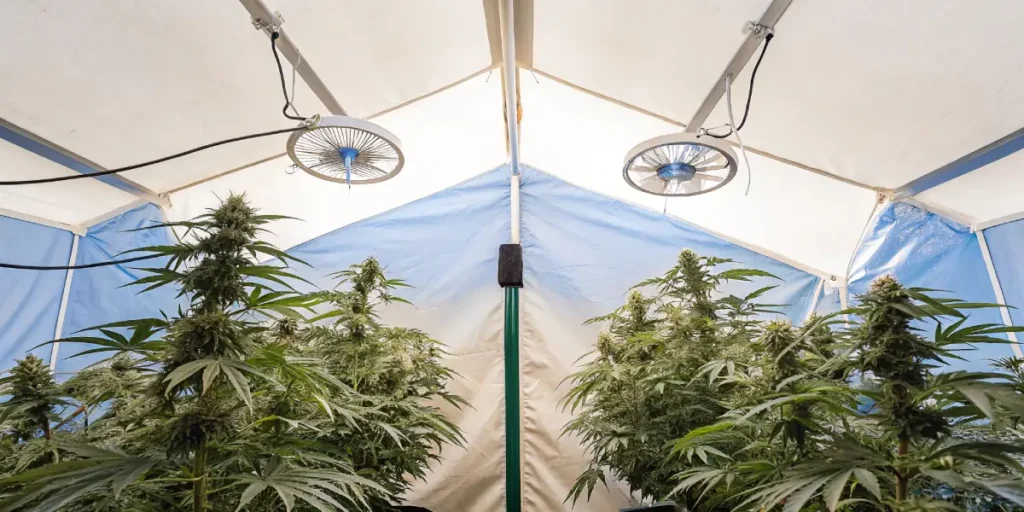
Ventilation options like multiple vents help remove hot air. Look for tents with adjustable vents and openings for fans or filters. Good airflow keeps the tent cooler and fresh.
- Large tents reduce heat concentration
- Multiple vents improve airflow and temperature control
- Fan and filter ports support active cooling systems

Credit: www.reddit.com
Effective Ventilation Techniques
Keeping your grow tent cool is important for healthy plants. Good airflow helps remove heat and fresh air inside.
Effective ventilation techniques use fans and ducts to control temperature. These tools move air in and out of the tent.
Using Intake And Exhaust Fans
Intake fans bring fresh air into the grow tent. Exhaust fans push hot air out. Both work together to keep air moving.
Place the exhaust fan near the top of the tent where hot air gathers. Put the intake fan near the bottom to bring cooler air in.
- Exhaust fans remove hot, stale air quickly
- Intake fans supply fresh, cooler air
- Use fans with adjustable speeds for better control
- Keep fans running continuously for steady airflow
Installing Ventilation Ducts
Ventilation ducts guide air through the grow tent. They connect fans to vents or filters outside the tent.
Use flexible ducts to fit tight spaces. Keep ducts as straight and short as possible to reduce airflow resistance.
- Attach ducts to exhaust fans to remove hot air
- Connect intake fans to ducts for fresh air intake
- Seal all duct connections to prevent air leaks
- Use duct clamps or tape to secure ducts firmly
Cooling Devices For Grow Tents
Keeping a grow tent cool is important for healthy plants. High temperatures can harm plant growth and lower yields. Cooling devices help control the temperature inside the tent.
There are different tools you can use to cool your grow tent. Each device works best in certain setups and sizes. Choose the one that fits your needs and space.
Air Conditioners
Air conditioners lower the temperature by removing heat from the tent. They are effective in hot climates or large tents. Portable AC units can fit small tents and are easy to move.
These devices use electricity and need proper ventilation. You should place the AC unit where it can vent hot air outside the tent. This keeps the tent cool and prevents heat buildup.
- Choose the right size for your tent
- Make sure to vent hot air outside
- Use a thermostat to control temperature
- Keep the AC unit clean for better performance
Evaporative Coolers
Evaporative coolers use water to cool the air. They blow air through wet pads, which lowers the temperature. These coolers work best in dry environments.
They use less electricity than air conditioners. Evaporative coolers also add some humidity, which can help plants in dry tents. Make sure your tent has good airflow for best results.
- Ideal for dry and hot climates
- Use fresh water and change pads regularly
- Keep air moving to avoid too much humidity
- Easy to set up and maintain
Using Ice Packs And Cooling Bottles
Ice packs and cooling bottles can lower temperature inside small tents. Place them near fans to spread cool air. This is a simple and low-cost cooling method.
Replace the ice packs or bottles as they melt. This method works best for short periods and small grow tents. It does not require electricity but needs regular attention.
- Freeze bottles or packs before use
- Place them near an exhaust or oscillating fan
- Replace or refreeze when warm
- Good for small tents and temporary cooling
Managing Light Heat
Heat from grow lights can raise the temperature inside your grow tent. Managing this heat helps your plants stay healthy.
Light heat affects plant growth and can cause stress if it gets too high. Use smart lighting choices to keep your tent cool.
Switching To Led Grow Lights
LED grow lights produce much less heat than traditional lights. They use less energy and reduce the need for extra cooling.
- LEDs run cooler, lowering tent temperature.
- They last longer and save electricity.
- LEDs provide the right light spectrum for plants.
- Less heat means less risk of burning plants.
Adjusting Light Distance And Duration
Keep lights at a proper distance from plants to reduce heat stress. Too close can cause burns and slow growth.
| Light Distance | Effects on Plants |
| Too Close | Leaf burn, heat stress, slowed growth |
| Optimal Distance | Good light, less heat, healthy growth |
| Too Far | Weak light, leggy plants, slow development |
Limit how long the lights stay on each day. Shorter light periods reduce heat buildup inside the tent.
- Set a timer to control light duration.
- Use dark periods to cool the tent.
- Adjust timing based on plant type and growth stage.
Monitoring Temperature And Humidity
Keeping the grow tent cool needs careful monitoring of temperature and humidity. These factors affect plant health and growth speed.
You can use tools and systems to track these conditions. This helps keep the environment stable and plants happy.
Using Thermometers And Hygrometers
Thermometers measure temperature, and hygrometers measure humidity. Both are important for a balanced grow tent climate.
- Place thermometers at plant level for accurate readings.
- Use digital hygrometers for easy-to-read humidity levels.
- Check devices daily to spot any changes early.
- Keep devices away from direct light or heat sources.
Automated Climate Control Systems
Automated systems help keep temperature and humidity in range. They adjust fans, heaters, or humidifiers automatically.
| Device | Function | Benefit |
| Thermostat | Controls temperature | Keeps heat steady |
| Humidistat | Controls humidity | Prevents dryness or dampness |
| Fan Controller | Adjusts airflow | Improves air circulation |

Credit: www.reddit.com
Optimizing Airflow Inside The Tent
Keeping your grow tent cool is very important for healthy plants. Good airflow helps control temperature and humidity. It also brings fresh air to your plants.
To improve airflow, you need to focus on how fans are placed and clear any blockages inside the tent. This guide explains these key steps.
Positioning Fans For Maximum Circulation
Place fans in spots that move air evenly around the tent. Use both intake and exhaust fans to push fresh air in and pull hot air out. Position a fan near the top to remove warm air and another near the bottom to bring in cooler air.
- Set oscillating fans to move air gently over plants
- Keep fans away from plants to avoid damage
- Use clip-on fans to direct airflow where needed
- Balance intake and exhaust fan speeds for steady airflow
- Avoid placing fans directly in front of vents to reduce air blockage
Removing Obstructions
Check your grow tent for anything that blocks airflow. Obstructions cause hot spots and reduce fan efficiency. Clear away cables, pots, and equipment that get in the way.
| Common Obstruction | Effect on Airflow | How to Fix |
|---|---|---|
| Thick plant leaves | Block air movement near plants | Prune lower leaves regularly |
| Loose cables | Reduce space for air to flow | Secure cables along tent poles |
| Large pots close together | Create dead air zones | Space pots evenly apart |
| Unorganized tools | Limit airflow paths | Store tools outside or on shelves |
External Environment Considerations
Keeping your grow tent cool helps plants grow healthy. The outside environment affects the tent’s temperature. You should think about the room and other factors around the tent.
Good planning of the tent’s place and insulation can lower heat. This makes your grow space more comfortable and efficient.
Tent Placement In The Room
Put your grow tent in a cool spot in the room. Avoid places near windows or direct sunlight. Sunlight can raise the temperature inside the tent quickly.
Keep the tent away from heat sources like heaters or electronics. Also, make sure there is space around the tent for air to flow well.
- Place tent in a shaded area
- Keep away from windows and doors
- Avoid heat from heaters or appliances
- Allow space for air circulation around tent
Insulating The Grow Tent
Insulating your grow tent helps block outside heat. You can use reflective materials to keep the tent cooler. Insulation also stops warm air from entering the tent.
Use materials like foam boards or bubble wrap on the walls around the tent. This adds a layer that lowers heat transfer. Insulation works best if you cover all sides of the tent.
- Use reflective insulation to reflect heat
- Apply foam boards for extra protection
- Cover all sides of the tent evenly
- Check for gaps to keep warm air out
Frequently Asked Questions
How Can I Reduce Heat Inside A Grow Tent?
Use proper ventilation with exhaust fans and intake vents. Add oscillating fans for better air circulation. Avoid placing lights too close to plants to prevent excess heat buildup.
What Type Of Fans Work Best For Grow Tents?
Inline exhaust fans are ideal for removing hot air efficiently. Oscillating fans help distribute air evenly. Choose fans with adjustable speeds for better temperature control.
Does Led Lighting Help Keep Grow Tents Cool?
Yes, LED lights emit less heat than traditional HID lights. They consume less electricity and reduce overall tent temperature. LEDs also provide optimal light spectrum for plant growth.
How Often Should I Monitor Grow Tent Temperature?
Check temperature at least twice daily to maintain optimal conditions. Use a reliable digital thermometer or hygrometer inside the tent. Consistent monitoring helps prevent heat stress on plants.
Conclusion
Keeping your grow tent cool ensures healthy plant growth. Use fans to circulate air efficiently. Consider installing an exhaust system to remove excess heat. Reflective materials help manage light and temperature. Monitor temperature regularly for optimal conditions. Adjust lighting schedules to reduce heat during peak hours.
Choose LED lights for less heat output. Proper ventilation prevents mold and stress on plants. A cool tent promotes vibrant and strong plants. Follow these steps for a thriving indoor garden. Your plants will thank you with bountiful harvests. Keep your grow tent cool, and enjoy the benefits of healthy growth.