
Wearing a bike helmet is one of the smartest moves you can make to protect yourself on every ride. But a helmet only works if it fits your head just right.
If it’s too loose, it won’t protect you properly. If it’s too tight, it will be uncomfortable and distracting. You might think fitting a helmet is simple, but many people get it wrong without even realizing it. You’ll discover easy steps to find the perfect fit that keeps you safe and comfortable every time you ride.
Keep reading—you’ll never want to hit the road without knowing this.
Choosing The Right Helmet Size
Wearing a bike helmet that fits well is very important for safety. A helmet that is too loose or too tight can cause problems. You need to pick the right size for your head.
This guide will help you measure your head, understand helmet size charts, and know the difference between adult and kids helmets.
Measuring Your Head Correctly
To find the right helmet size, you must measure your head properly. Use a soft tape measure for best results. Place the tape just above your eyebrows and ears, wrapping it around the largest part of your head.
- Keep the tape snug but not tight
- Measure in centimeters or inches
- Take the measurement twice for accuracy
- Write down your head size
Helmet Size Charts Explained
Helmet size charts help you match your head measurement to the right helmet size. Sizes often come as small, medium, large, or by exact measurements in centimeters or inches.
| Helmet Size | Head Circumference (cm) | Head Circumference (inches) |
| Small | 52 – 56 | 20.5 – 22 |
| Medium | 56 – 60 | 22 – 23.5 |
| Large | 60 – 64 | 23.5 – 25 |
| Extra Large | 64 – 67 | 25 – 26.5 |
Differences Between Adult And Kids Helmets
Adult and kids helmets differ in size, shape, and design. Kids helmets are smaller and often have softer padding. Adults need helmets that fit larger heads and offer more ventilation.
- Kids helmets usually cover less head area
- Adult helmets fit bigger head sizes
- Safety standards may vary by age group
- Check labels to find the right category
Credit: www.consumerreports.org
Helmet Shape And Fit Types
Choosing the right bike helmet starts with understanding helmet shapes and fit types. A helmet must fit your head well to protect you properly.
Different helmets suit different head shapes. Knowing the shape of your head helps you pick the best helmet for comfort and safety.
Round Vs. Oval Helmet Shapes
Helmets come mainly in two shapes: round and oval. Round helmets are more circular inside and fit heads with equal width and length.
Oval helmets are longer from front to back. They fit heads that are more oval-shaped and less round.
- Round helmets suit rounder heads
- Oval helmets suit longer heads
- Fit affects comfort and safety
Matching Helmet Shape To Head Shape
To find your head shape, measure the length from front to back and the width from side to side. This helps you choose the right helmet shape.
Try on helmets with shapes that match your head. A good fit feels snug but not tight. It should not move when you shake your head.
- Measure head length and width
- Choose round helmet for round heads
- Choose oval helmet for oval heads
- Check for snug but comfortable fit
- Helmet should not shift on your head
Adjusting Helmet Straps
Fitting your bike helmet correctly keeps you safe while riding. Adjusting the straps is key to a secure fit.
Proper strap adjustment stops the helmet from moving or falling off during a ride.
Positioning The Side Straps
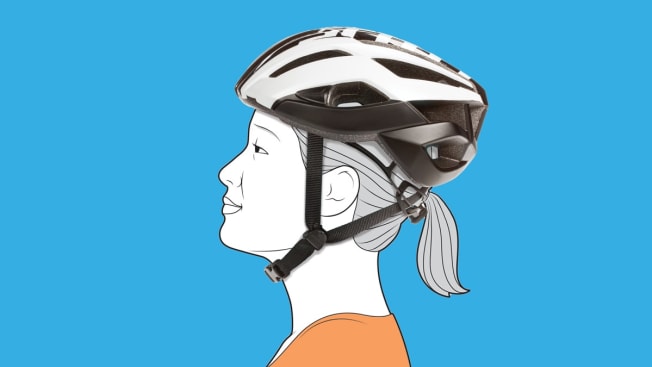
Place the side straps so they form a “Y” shape below your ears. The sliders should sit just under your earlobes.
Make sure the straps are even on both sides. They should not be twisted or loose.
- Check the “Y” shape under each ear
- Adjust sliders for a snug fit
- Keep straps flat against your skin
Setting The Chin Strap
Buckle the chin strap so it fits snugly under your chin. You should be able to fit one or two fingers between the strap and your chin.
If the strap is too loose, the helmet can move. If it is too tight, it will feel uncomfortable.
- Buckle the chin strap securely
- Adjust length to fit snugly
- Test by opening your mouth wide
Strap Comfort And Security
Straps should feel comfortable but firm. Make sure they do not rub your skin or cause pain.
Check strap condition regularly. Replace any worn or damaged parts to keep the helmet safe.
- Adjust straps for a snug, comfy fit
- Keep straps clean and untwisted
- Inspect straps for tears or frays

Credit: www.safetyandhealthmagazine.com
Helmet Positioning On Your Head
Wearing a bike helmet properly helps protect your head during a fall. You must place the helmet correctly for best safety.
This guide explains how to check your helmet’s position and coverage to keep you safe on every ride.
Proper Helmet Placement
Place the helmet level on your head. It should sit low on your forehead, about one or two finger-widths above your eyebrows.
- Make sure the helmet does not tilt backward or forward.
- Adjust the straps so the helmet feels snug but not tight.
- The helmet should not move when you shake your head.
- Use the helmet’s fit system to secure it firmly.
Checking For Front And Back Coverage
Check that the helmet covers both the front and back of your head well. It should protect your forehead and the base of your skull.
| Helmet Part | Coverage Area | Fit Tip |
| Front | Forehead, just above the eyebrows | Helmet edge should sit low but not block vision |
| Back | Base of the skull | Helmet should cover the upper neck area |
Ensuring A Snug And Secure Fit
A bike helmet protects your head by absorbing impact. A proper fit keeps it in place during a ride. A loose helmet can cause injury in a crash. Follow these tips to fit your helmet right.
Check the helmet fit every time you wear it. Small adjustments help keep it snug and comfortable. Let’s look at how to use retention systems, perform fit tests, and fix common issues.
Using Retention Systems
Retention systems include straps and adjustment dials. They help hold the helmet tight on your head. Start by placing the helmet level on your head.
- Adjust the side straps to form a “V” shape just under your ears.
- Buckle the chin strap and tighten it until it fits snugly.
- Use the rear dial or fit system to tighten the helmet around your head.
- The helmet should feel firm but not painful.
Performing Fit Tests
Fit tests check if the helmet stays in place during movement. These tests ensure your helmet will protect you well.
- Shake your head side to side. The helmet should not move much.
- Press the helmet from front to back. It should feel secure.
- Open your mouth wide. The helmet should pull down slightly on your head.
- Check that the straps stay tight during these tests.
Common Fit Issues And Fixes
Sometimes helmets fit poorly. These problems can cause discomfort or reduce safety. Use the chart below to identify issues and how to fix them.
| Issue | Cause | Solution |
|---|---|---|
| Helmet slides forward | Chin strap too loose | Tighten chin strap firmly |
| Pressure on forehead | Helmet too tight or tilted | Adjust rear dial and level helmet |
| Straps pinch skin | Straps twisted or too tight | Straighten straps and loosen slightly |
| Helmet moves side to side | Retention system loose | Tighten side straps and rear adjustment |
Helmet Maintenance And Replacement
Keeping your bike helmet clean and in good shape is very important. It helps protect your head during rides.
Knowing when to replace your helmet keeps you safe from injuries. Old helmets may not protect well.
Cleaning And Care Tips
Regular cleaning stops dirt and sweat from damaging your helmet. Use mild soap and warm water.
Never use strong chemicals or solvents. These can weaken the helmet’s materials.
- Remove the pads and straps before cleaning
- Use a soft cloth or sponge to wipe the helmet
- Let the helmet air dry away from direct sunlight
- Store the helmet in a cool, dry place
When To Replace Your Helmet
Replace your helmet after any crash or impact. Even small hits can damage its safety.
Helmets also wear out over time. Most experts say to replace them every five years.
- Check for cracks or dents on the shell
- Look for crushed or damaged foam inside
- If straps or buckles break, replace the helmet
- Follow the helmet maker’s replacement advice

Credit: riiroo.com
Frequently Asked Questions
How Tight Should A Bike Helmet Fit?
A bike helmet should fit snugly without causing discomfort. It must not move when you shake your head. Adjust the straps and padding for a secure, comfortable fit that protects effectively.
Where Should The Bike Helmet Sit On My Head?
Place the helmet level on your head, covering the forehead. It should sit about one to two finger-widths above your eyebrows for proper protection.
How Do I Adjust Bike Helmet Straps Correctly?
Buckle the chin strap and tighten it until only one or two fingers fit underneath. Adjust side straps to form a “V” shape under each ear for stability.
Can I Wear A Bike Helmet With Glasses?
Yes, you can wear glasses with a bike helmet. Choose a helmet with enough space and adjust straps to avoid pressure on the glasses.
Conclusion
Wearing a bike helmet correctly is crucial for safety. It should fit snugly. Ensure the helmet sits level on your head. Straps must form a V under each ear. Adjust the buckle so it’s snug, but comfortable. The helmet shouldn’t move when you shake your head.
Regularly check your helmet for wear and damage. Replace it after a crash or every few years. A well-fitted helmet can protect you. Stay safe on the roads. Enjoy your ride with peace of mind.