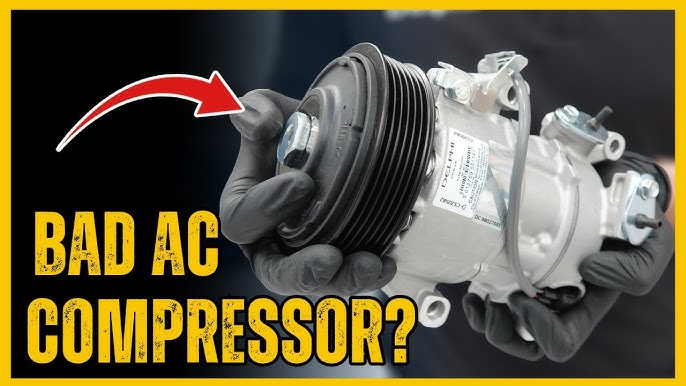
Is your air conditioner not cooling like it used to? You might have a bad compressor, but how can you be sure?
Knowing the signs of a failing AC compressor can save you time, money, and a lot of discomfort during hot days. You’ll learn simple ways to spot if your air conditioner compressor is going bad before it stops working completely.
Keep reading to protect your home and stay cool all summer long.

Credit: partsfactoryaus.com.au
Common Compressor Problems
The air conditioner compressor is a key part of your cooling system. It helps move refrigerant through the system. If the compressor has problems, the whole air conditioner may stop working well.
Knowing common compressor problems can help you spot issues early. This guide explains signs of compressor failure and causes of compressor damage.
Signs Of Compressor Failure
When the compressor fails, the air conditioner shows clear signs. Watching for these signs can save you costly repairs.
- The air conditioner blows warm or no air.
- Loud noises like rattling or banging come from the unit.
- The system frequently turns on and off without cooling properly.
- The circuit breaker trips often due to electrical issues.
- High energy bills appear without increased use.
- The compressor motor feels very hot to touch.
Causes Of Compressor Damage
Several factors cause damage to the compressor. Understanding these helps prevent failure and extend the life of your air conditioner.
| Cause | Description |
| Electrical Issues | Power surges or wiring problems can burn out the compressor motor. |
| Refrigerant Problems | Low or leaking refrigerant makes the compressor work too hard and overheat. |
| Overheating | Poor ventilation or dirty coils cause the compressor to overheat and fail. |
| Wear and Tear | Old age and long use cause mechanical parts to wear out and break. |
| Contamination | Dirt, moisture, or debris in the system can damage compressor components. |
Noisy Air Conditioner
A noisy air conditioner may signal a problem with the compressor. Strange sounds can mean the compressor is wearing out or damaged.
Listening carefully to the sounds helps identify if the compressor needs repair or replacement.
Rattling And Grinding Sounds
Rattling or grinding noises often come from loose parts or worn bearings inside the compressor. These sounds show the compressor is struggling to work properly.
- Rattling can mean loose screws or debris inside the unit.
- Grinding usually points to damaged compressor bearings.
- Both sounds often get louder over time.
- Ignoring these noises can cause total compressor failure.
Hissing And Clicking Noises
Hissing and clicking sounds can mean refrigerant leaks or electrical problems in the compressor. These noises are signs of serious issues.
| Sound | Possible Cause | What to Do |
| Hissing | Refrigerant leak or pressure release | Check refrigerant levels and repair leaks |
| Clicking | Electrical relay or compressor start issues | Inspect electrical connections and replace faulty parts |
Poor Cooling Performance
Air conditioners sometimes stop cooling well. This can mean the compressor has a problem. A bad compressor affects how cool the air feels inside your home.
Knowing the signs of a bad compressor can help you fix the issue faster. Poor cooling is a clear warning sign. Two common signs are warm air output and frequent cycling.
Warm Air Output
If your air conditioner blows warm air instead of cold, the compressor may be failing. The compressor moves refrigerant, which cools the air. When it is bad, the system cannot cool properly.
- Check if the air feels warm after running the AC for a while.
- Listen for strange noises from the outdoor unit.
- Look for ice buildup on the coils, which signals compressor trouble.
- Notice if the air never gets cold, even at the lowest thermostat setting.
Frequent Cycling
Frequent cycling means your air conditioner turns on and off too often. This can strain the compressor and cause poor cooling. A failing compressor struggles to keep the system running steadily.
| Symptom | Possible Cause |
| AC turns on and off every few minutes | Compressor overheating or electrical issues |
| Short cooling cycles | Low refrigerant or compressor problem |
| High energy bills with less cooling | Compressor inefficiency |
Electrical Issues
An air conditioner compressor can fail due to electrical problems. These issues stop the unit from working properly.
Two common signs of electrical trouble are a tripped circuit breaker and a burning smell near the compressor.
Tripped Circuit Breaker
A tripped circuit breaker often means the compressor is drawing too much power. This can happen if the compressor motor is damaged.
- The air conditioner stops working suddenly.
- The circuit breaker trips repeatedly after reset.
- The compressor may make strange noises before the breaker trips.
- Resetting the breaker does not fix the problem.
If this happens, the compressor might be overheating or have an electrical short. A professional should inspect it.
Burning Smell
A burning smell near the compressor signals serious electrical trouble. It often means wires or components are overheating.
| Cause | Effect |
| Damaged wires | Short circuits and burning smell |
| Overheated motor | Burning odor and possible failure |
| Faulty capacitor | Electrical faults and smell |
Do not ignore a burning smell. Turn off the unit and call a technician immediately.
Physical Signs Of Damage
Checking your air conditioner compressor for physical damage helps find problems early.
Some signs show the compressor may be failing and need repair or replacement.
Oil Leaks
Oil leaks near the compressor are a clear sign of damage. The compressor uses oil to stay lubricated.
- Look for oily spots around the compressor body.
- Check the base of the compressor for oil puddles.
- Inspect nearby pipes and fittings for wet oil stains.
- Oil leaks can cause the compressor to overheat and fail.
Damaged Wiring And Components
Wiring and electrical parts can break down or get damaged over time.
| Damage Type | Signs | Effects |
| Frayed Wires | Exposed copper, cuts | Short circuits, no power |
| Burnt Connectors | Blackened or melted parts | Poor connection, overheating |
| Loose Connections | Wires not tightly attached | Intermittent power loss |
Testing The Compressor
Checking the air conditioner compressor helps find if it is working well. Testing shows if the compressor needs repair or replacement.
Two common ways to test the compressor are using a multimeter and reading pressure gauges. Each way gives useful information about the compressor’s condition.
Multimeter Checks
A multimeter measures electrical parts of the compressor. It checks if the motor windings have the right resistance.
Start by turning off the power to the AC unit. Remove the compressor cover to access the terminals. Set the multimeter to the resistance (ohms) setting.
- Test between each pair of terminals (start, run, and common).
- Compare the readings to the manufacturer’s specifications.
- Look for very high or zero resistance; both mean a bad compressor.
- Check for a short circuit by testing each terminal to the compressor casing.
Pressure Gauge Readings
Pressure gauges measure the refrigerant pressure inside the AC system. These readings show how well the compressor moves refrigerant.
Connect the gauges to the low and high pressure service ports on the AC unit. Turn on the system and watch the pressure values.
- Low side pressure should be within the normal range for your refrigerant type.
- High side pressure should also be steady and not too high or low.
- Very low or equal pressures on both sides can mean a bad compressor.
- Fluctuating pressures may show internal damage inside the compressor.
When To Call A Professional
Knowing when to call a professional for your air conditioner compressor can save you time and money. Some issues need expert help to avoid damage or injury.
Not every problem can be fixed by yourself. Understanding safety and repair options helps you decide the right time for a technician.
Safety Precautions
Working with an air conditioner compressor involves risks. Electricity and refrigerants can cause serious harm if mishandled. Calling a professional ensures safety during diagnosis and repair.
- Do not touch electrical parts without disconnecting power.
- Avoid opening compressor housing if you lack experience.
- Refrigerant leaks require special handling and tools.
- Wear protective gear if inspecting any part of the unit.
- Turn off the AC unit before any inspection or repair attempt.
Repair Vs Replacement
Deciding between repairing or replacing a compressor depends on the damage and age of the unit. Professionals can evaluate if a repair is worth it or if replacement is safer and more cost-effective.
| Condition | Repair Recommended | Replacement Recommended |
| Minor leaks or electrical faults | Yes | No |
| Compressor making loud noises | Maybe | Yes |
| Unit older than 10 years | No | Yes |
| Compressor fails to start | Maybe | Yes |
| Repeated breakdowns | No | Yes |

Credit: m.youtube.com

Credit: partsfactoryaus.com.au
Frequently Asked Questions
How To Recognize A Failing Ac Compressor?
A failing AC compressor often causes weak cooling, strange noises, and frequent cycling. Check for warm air, leaks, or a burning smell. Early signs help prevent total system breakdown and costly repairs.
What Noises Indicate A Bad Air Conditioner Compressor?
Grinding, rattling, or squealing noises from the AC unit often signal compressor issues. These sounds mean internal parts may be worn or damaged. Prompt inspection can avoid further damage and higher repair costs.
Can A Bad Compressor Cause High Electricity Bills?
Yes, a faulty compressor makes the AC work harder, consuming more electricity. This inefficiency raises your power bills significantly. Repairing or replacing the compressor can restore energy efficiency and lower costs.
Is It Safe To Run An Ac With A Bad Compressor?
Running an AC with a bad compressor is unsafe. It can cause system damage, electrical hazards, or complete failure. Turn off the unit and schedule professional repairs immediately to avoid further issues.
Conclusion
Recognizing a faulty air conditioner compressor is crucial. Listen for unusual noises. Check for warm air or reduced airflow. These are key signs of trouble. Regular maintenance helps avoid bigger issues. Cleaning filters and checking connections can save money. If problems persist, consult a professional technician.
They can diagnose and fix issues. Taking action early prevents costly repairs. A well-functioning air conditioner ensures comfort. Keep your home cool and energy-efficient. Remember, simple checks can make a difference. Prioritize your comfort and peace of mind. Stay cool and enjoy a stress-free summer.