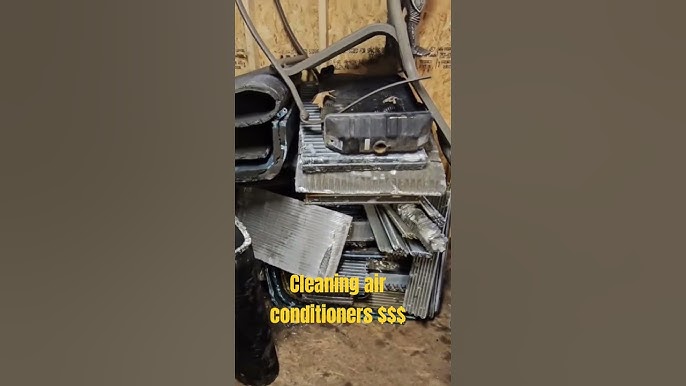
If you’ve ever wondered about that old air conditioner sitting in your garage, you’re not alone. Many people find themselves in a similar situation, unsure of how to dispose of it responsibly or even if there’s any value hidden inside.
Scrapping an air conditioner might sound daunting, but it can actually be a rewarding process. Not only can you clear up some space, but you can also make some money and help the environment at the same time. Imagine turning that dusty old appliance into cash while feeling good about recycling.
Curious about how you can do it safely and efficiently? Keep reading to discover the steps and tips for scrapping your air conditioner, and unlock the potential benefits waiting for you.

Credit: www.youtube.com
Prepare For Scrapping
Scrapping an air conditioner needs careful preparation. You must gather the right tools, wear safety gear, and turn off the power supply.
These steps help protect you and make the process easier and safer.
Gather Necessary Tools
Having the correct tools helps you scrap the air conditioner properly. Use tools that allow you to remove parts safely and quickly.
- Screwdrivers (flathead and Phillips)
- Wrench set
- Pliers
- Cordless drill
- Wire cutters
- Flashlight
- Container for small parts
Wear Safety Gear
Safety gear protects your body from sharp edges and harmful substances. Always wear the right equipment before starting work.
| Safety Gear | Purpose |
| Gloves | Protect hands from cuts and chemicals |
| Safety glasses | Shield eyes from debris and dust |
| Mask | Prevent inhaling dust and particles |
| Long sleeves and pants | Cover skin to avoid scratches |
Turn Off Power Supply
Before you begin scrapping, turn off the power supply to the air conditioner. This step prevents electric shocks and accidents.
Locate the breaker box and switch off the circuit for the air conditioner.
Use a voltage tester to confirm no power is flowing to the unit.

Credit: www.youtube.com
Remove The Air Conditioner
Taking out an air conditioner requires care and safety. You must follow key steps to remove it safely.
This guide helps you remove your air conditioner without damage or injury.
Disconnect From Power Source
Turn off the air conditioner before starting. Unplug it from the electrical outlet to avoid shocks.
If the air conditioner is hardwired, switch off the circuit breaker that controls it. Confirm no power is flowing to the unit.
- Unplug the power cord from the outlet
- Turn off the circuit breaker if hardwired
- Use a voltage tester to check power is off
Detach From Wall Or Window
Remove any screws or brackets holding the air conditioner in place. Carefully loosen the unit from the window or wall opening.
Have someone help you hold the air conditioner while you remove it to prevent falls or damage.
- Locate screws or fasteners securing the unit
- Use the right tools to unscrew carefully
- Support the unit as you detach it
Handle With Care
Air conditioners can be heavy and fragile. Lift with your legs and avoid dropping it.
Place the unit on a stable surface to prevent damage. Avoid tilting it too much to protect internal parts.
- Lift using proper techniques to avoid injury
- Do not tilt the air conditioner excessively
- Set it down gently on a flat surface
Drain Refrigerant Safely
Scrapping an air conditioner requires careful removal of refrigerant. Draining refrigerant safely protects the environment and follows the law.
Knowing the right steps helps avoid harm and fines. Use correct tools and follow rules for a safe process.
Identify Refrigerant Type
First, find out what type of refrigerant your air conditioner uses. Look for a label on the unit or in the manual. Common types include R-22, R-410A, and others.
Different refrigerants need different handling methods. Knowing the type helps you choose the right recovery equipment and procedures.
Use Proper Recovery Equipment
Use certified recovery machines to drain refrigerant. These machines capture the gas safely without leaks. Never release refrigerant into the air.
- Wear safety goggles and gloves
- Connect recovery machine to service ports
- Follow machine instructions carefully
- Check for leaks during recovery
- Store recovered refrigerant in approved containers
Follow Environmental Regulations
Environmental laws control refrigerant handling. These laws protect the ozone layer and reduce pollution. Always follow local and national rules.
| Regulation | Requirement |
| EPA Section 608 | Certified technician required to handle refrigerants |
| Clean Air Act | Ban on releasing refrigerants into atmosphere |
| Local Disposal Rules | Proper disposal or recycling of refrigerant |
Dismantle Components
Scrapping an air conditioner starts with taking it apart carefully. You must remove different parts to separate useful materials.
This process makes recycling easier and helps you handle each component safely.
Separate Metal Parts
Metal parts in an air conditioner include the compressor, copper tubing, and aluminum fins. Removing these helps recover valuable metals.
- Unscrew the compressor from the unit
- Cut copper tubing with a pipe cutter
- Remove aluminum fins gently to avoid damage
- Sort metals by type for easier recycling
Remove Plastic And Insulation
Plastic covers and insulation protect the air conditioner but need removal before scrapping. Separate plastic parts from foam or fiberglass insulation.
| Material | Typical Location | Handling Tips |
| Plastic | Outer casing and fan blades | Use screwdrivers to remove carefully |
| Foam Insulation | Inside walls and pipes | Peel off without tearing |
| Fiberglass | Pipe wrapping | Wear gloves and mask to avoid irritation |
Handle Electronic Components
Electronic parts include circuit boards, sensors, and wiring. Handle these carefully to avoid damage and exposure to harmful substances.
- Disconnect all wires from the main board
- Use anti-static tools if possible
- Store circuit boards in anti-static bags
- Recycle batteries separately according to local rules
Dispose Of Hazardous Materials
Scrapping an air conditioner needs care. Some parts can harm the environment. You must handle these parts safely.
Hazardous materials include refrigerants, oils, and electronic waste. Proper disposal protects health and nature.
Manage Refrigerants And Oils
Air conditioners contain refrigerants and oils that can pollute air and water. Do not release them into the environment.
Use special tools to capture refrigerants. Collect oils in sealed containers. This stops harm and follows safety rules.
- Use certified recovery machines for refrigerants
- Store oils in leak-proof containers
- Never pour oils or refrigerants down drains
- Wear gloves and eye protection when handling
Recycle Electronic Waste
Air conditioners have circuit boards and wiring. These parts contain metals and chemicals. They must be recycled properly.
Separate electronic parts from other materials. Send them to electronic recycling centers. This reduces waste and recovers materials.
- Remove circuit boards carefully
- Keep wiring and small components together
- Do not throw electronic parts in trash bins
- Find local electronic recycling programs
Contact Certified Disposal Centers
Certified centers handle hazardous waste safely. They follow laws and protect the environment. Contact them for air conditioner disposal.
These centers accept refrigerants, oils, and electronic parts. They use special methods to recycle or dispose of waste.
- Search for local certified disposal centers
- Ask about accepted materials and fees
- Transport hazardous parts carefully
- Keep records of disposal for safety

Credit: www.youtube.com
Recycle And Sell Scrap
Scrapping an air conditioner helps you recycle valuable materials. It also gives you a chance to earn money from scrap parts. This guide explains how to do it safely and profitably.
Knowing where to sell scrap and sorting materials correctly will increase your returns. Follow these steps to get the best value.
Find Local Scrap Yards
Start by looking for scrap yards near you. Choose yards that accept air conditioner scrap. Check their prices and rules before you visit. Some yards pay more for specific metals.
- Search online for scrap yards in your city
- Call to confirm they buy air conditioner scrap
- Ask about payment methods and price per pound
- Check if they have special offers or bulk discounts
Sort Materials For Recycling
Separate metals and other parts to get higher prices. Air conditioners contain copper, aluminum, steel, and sometimes refrigerants. Removing non-metal parts helps scrap yards weigh your metal accurately.
| Material | How to Identify | Notes |
| Copper | Reddish-orange wires and tubes | High value metal |
| Aluminum | Silver-colored fins and casing | Lightweight and common |
| Steel | Frame and screws | Lower value but recyclable |
| Refrigerant | Inside sealed pipes | Must be removed by a professional |
Maximize Value From Scrap
Clean and prepare scrap to get the best price. Removing plastics and other waste shows you know your materials. Also, separate pure metals from mixed parts.
- Drain fluids and refrigerants safely with a professional
- Strip wires to expose copper
- Remove plastic covers and insulation
- Keep metals dry and free of dirt
- Bundle similar metals together
Prevent Environmental Impact
Scrapping an air conditioner needs care to protect the environment. Old units contain harmful materials. Proper handling keeps nature safe.
Learn how to scrap air conditioners without causing pollution. Follow safe and legal ways to avoid damage.
Avoid Illegal Dumping
Throwing away air conditioners in wrong places hurts the environment. It can release toxic chemicals into soil and water. Illegal dumping breaks laws and can cause fines.
- Take old units to approved recycling centers
- Do not leave scrap in public areas or landfills
- Check local rules before discarding your air conditioner
- Hire licensed scrap dealers for safe disposal
Support Eco-friendly Practices
Eco-friendly scrapping reduces waste and pollution. It helps recover useful materials like metals and plastics. Recycling saves energy and cuts carbon emissions.
| Eco-Friendly Practice | Description |
| Refrigerant Recovery | Remove harmful gases safely before scrapping |
| Metal Recycling | Extract and reuse copper, aluminum, and steel parts |
| Plastic Sorting | Separate plastics for proper recycling or disposal |
| Energy Saving | Recycle parts to reduce need for new resources |
Promote Awareness
Teaching others about safe air conditioner scrapping protects the planet. Sharing facts helps people choose better methods. Awareness reduces illegal dumping and pollution.
- Organize community talks on safe disposal
- Share information on social media or blogs
- Encourage using certified scrap dealers
- Report illegal dumping to local authorities
Frequently Asked Questions
How Do You Safely Scrap An Air Conditioner?
To safely scrap an air conditioner, first disconnect the power and remove refrigerants professionally. Wear protective gear, dismantle parts carefully, and recycle metals and plastics responsibly to avoid environmental harm.
What Tools Are Needed To Scrap An Air Conditioner?
Common tools include screwdrivers, wrenches, pliers, and a refrigerant recovery machine. These help safely dismantle and handle components, ensuring efficient and secure scrapping.
Can I Scrap An Air Conditioner Without Releasing Refrigerants?
No, releasing refrigerants can harm the environment. Always use a certified technician or recovery system to safely remove refrigerants before scrapping.
Where Should I Take My Scrapped Air Conditioner?
Take it to a licensed recycling center or scrap yard. They ensure proper disposal of hazardous materials and recovery of valuable metals.
Conclusion
Scrapping an air conditioner takes care and some simple steps. Always handle parts carefully to stay safe. Separate materials like metal, plastic, and glass for easy recycling. Proper disposal helps protect the environment and keeps your home clean. You can save money by selling scrap parts.
Small efforts make a big difference over time. Keep these tips in mind when scrapping your AC unit. Doing it right benefits you and the planet.