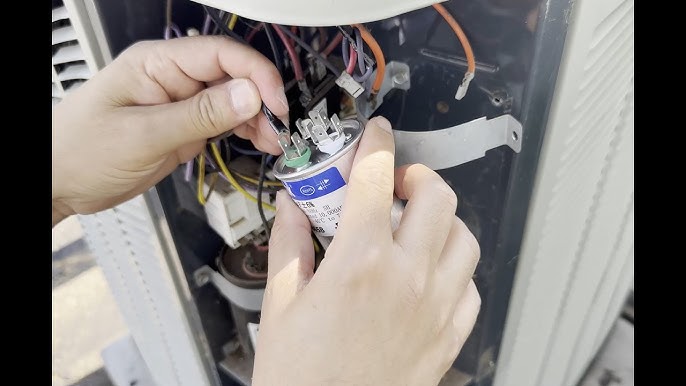
Is your air conditioner acting up when you need it most? Before calling a costly repair service, imagine fixing it yourself and saving both time and money.
You don’t need to be a professional to tackle common AC problems. With a few simple steps and some easy-to-follow tips, you can get your cooling system back in shape quickly. Ready to take control of your comfort and learn how to repair your air conditioner on your own?
Keep reading—you’re closer to a cool, hassle-free home than you think.
Common Air Conditioner Problems
Air conditioners can stop working properly over time. Knowing common problems helps you fix them yourself.
Some issues are simple to repair. Others may need more care but you can still try basic checks first.
No Cooling Issue
Your air conditioner may run but not cool the air. This can happen if filters are dirty or blocked.
Low refrigerant or a broken compressor can also cause no cooling. Check if the outdoor unit is running.
- Clean or replace dirty air filters
- Check if the thermostat is set correctly
- Inspect outdoor unit for blockages or dirt
- Look for signs of refrigerant leaks
Water Leaks
Water leaking inside your home is a common problem. It usually comes from a clogged drain pipe.
Frozen evaporator coils can also cause leaks when they melt. Check the drainage system and clean it if needed.
- Clear the drain line of blockages
- Make sure the drain pan is not damaged
- Check for ice buildup on the coils
- Ensure proper unit tilt for drainage
Strange Noises
Unusual sounds can mean loose or broken parts. Rattling or buzzing noises should be checked quickly.
Some noises come from the fan motor or compressor. Tighten screws and remove debris around the unit.
- Check for loose screws and panels
- Look for debris near the fan
- Listen for grinding or squealing sounds
- Inspect the fan motor and compressor
Frequent Cycling
Frequent cycling means the AC turns on and off too often. It wastes energy and wears parts faster.
Causes include dirty filters, wrong thermostat placement, or low refrigerant. Fix these to reduce cycling.
- Replace or clean air filters regularly
- Place thermostat away from heat sources
- Check refrigerant levels
- Inspect electrical connections

Credit: www.youtube.com
Tools Needed For Diy Repair
Fixing your air conditioner yourself saves money and time. Using the right tools makes the job easier and safer.
Gathering all necessary tools before starting helps avoid interruptions. Some tools are common, while others are specific to electrical work or cleaning.
Basic Hand Tools
Basic hand tools help you open and handle parts of the air conditioner. They are essential for most repair tasks.
- Screwdrivers (flathead and Phillips)
- Pliers (needle-nose and slip-joint)
- Adjustable wrench
- Utility knife
- Flashlight
Electrical Testing Tools
Electrical testing tools check if the air conditioner’s wiring and components work properly. They help find electrical faults safely.
| Tool | Purpose |
| Multimeter | Measures voltage, current, and resistance |
| Voltage tester | Detects live electrical wires |
| Clamp meter | Checks current without disconnecting wires |
| Insulated screwdriver | Prevents electric shock during testing |
Cleaning Supplies
Cleaning supplies keep your air conditioner free from dust and grime. Clean parts help the unit run better and last longer.
- Soft brush for dust removal
- Coil cleaner spray for evaporator and condenser coils
- Fin comb to straighten bent fins
- Rags or microfiber cloths
- Vacuum cleaner with brush attachment
Safety Precautions
Fixing your air conditioner by yourself can save money. Safety should always come first to avoid harm.
Read all safety steps before starting any repair work on your AC unit.
Power Off And Disconnect
Always turn off the power to the air conditioner before repairing. This stops electric shocks and accidents.
Unplug the unit or switch off the circuit breaker to cut the power supply.
- Find the main power switch or breaker for the AC.
- Switch off the power completely before opening the unit.
- Use a voltage tester to confirm no electricity flows.
Handling Refrigerants
Refrigerants in ACs can be harmful if released or touched. Handle them with care to protect yourself and the environment.
Never release refrigerants into the air. Use proper tools and follow legal rules.
- Wear gloves to avoid skin contact.
- Work in a well-ventilated area.
- Use a refrigerant recovery machine if needed.
- Call a professional if you are unsure about refrigerant handling.
Personal Protective Equipment
Wear protective gear to reduce injury risks. This keeps you safe from cuts, electric shocks, and chemicals.
Use the right equipment before starting any repair work.
- Safety glasses to protect your eyes.
- Insulated gloves to avoid electric shocks.
- Long sleeves and pants to protect skin.
- Closed shoes to guard your feet.
Credit: www.familyhandyman.com
Step-by-step Repair Techniques
Fixing your air conditioner by yourself can save time and money. This guide shows simple steps to repair common problems.
Follow each step carefully to keep your AC running smoothly. Use basic tools and safety precautions during repairs.
Cleaning Or Replacing Filters
Dirty filters block air flow and reduce cooling. Clean or replace filters regularly for better performance.
Remove the filter from the unit. Wash it with warm water and mild soap if reusable. Let it dry fully before putting it back.
- Turn off the air conditioner before removing the filter
- Use a soft brush to remove dust if washing is not possible
- Replace disposable filters every 1-3 months
- Check the filter size before buying replacements
Fixing Refrigerant Leaks
Refrigerant leaks reduce cooling power and waste energy. Find leaks by looking for oily spots or hissing sounds.
Use a refrigerant leak detector or soapy water to spot leaks. Tighten fittings or replace damaged parts to stop leaks.
- Switch off the power before inspecting refrigerant lines
- Wear gloves and eye protection when handling refrigerant
- Do not release refrigerant into the air; it is harmful
- Call a professional if you cannot fix the leak safely
Repairing Electrical Components
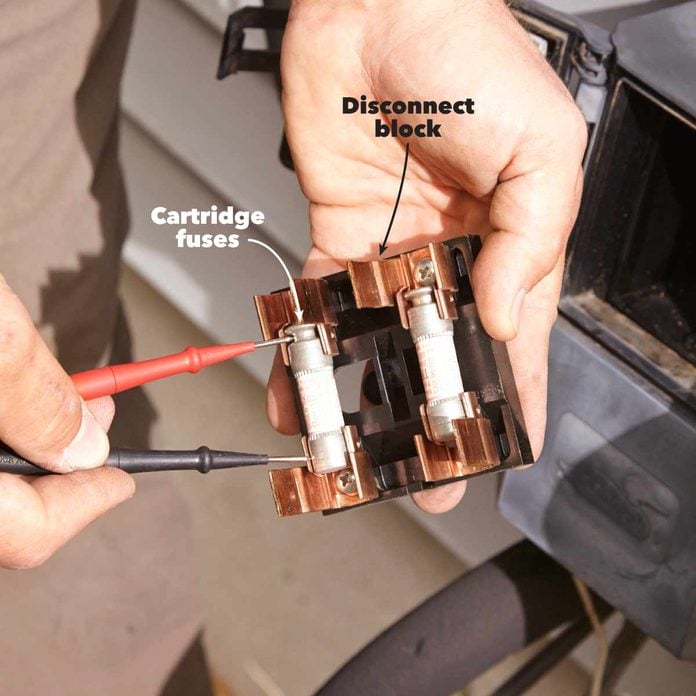
Faulty electrical parts can stop your AC from working. Check wires, fuses, and capacitors for damage.
Use a multimeter to test electrical parts. Replace burnt wires and blown fuses carefully. Secure loose connections.
- Always disconnect power before working on electrical parts
- Look for burn marks or melted insulation on wires
- Use matching replacement parts for safety
- Do not attempt repairs if you are unsure about electricity
Clearing Drainage Blockages
Blocked drainage causes water leaks and damage. Clean the drain pipe and pan to avoid clogs.
Remove debris from the drain pan. Use a wet/dry vacuum or a pipe cleaner to clear the drain line.
- Turn off the AC and unplug it before cleaning
- Check drain lines for algae or mold buildup
- Flush the drain with a mixture of water and vinegar
- Regularly inspect drainage parts to prevent future blockages
When To Call A Professional
Fixing your air conditioner yourself can save money. Some problems are easy to handle. Others need a professional’s skills.
Knowing when to call a professional keeps you safe. It also protects your AC from more damage.
Complex Electrical Issues
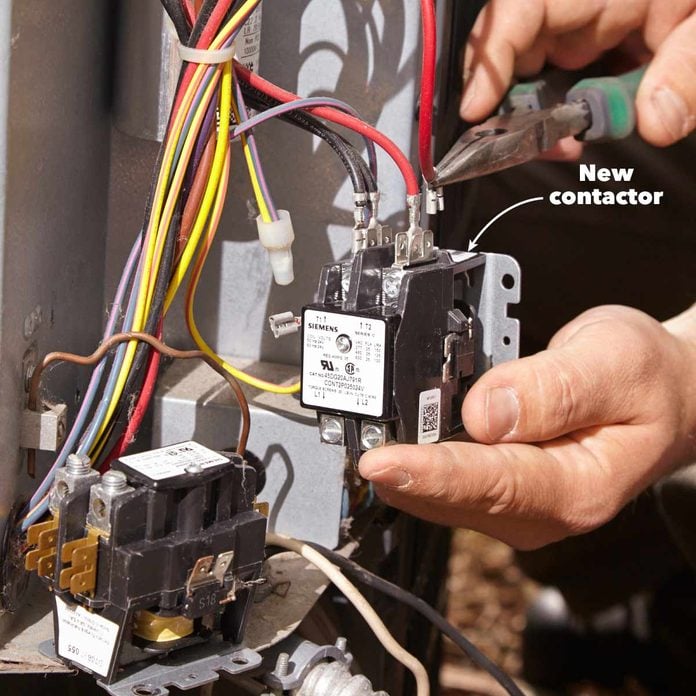
Electric parts in air conditioners can be dangerous. If you see sparks or smell burning, stop and call a pro. Faulty wiring or broken circuits can cause fires or shocks.
- Frequent tripping of the circuit breaker
- Burning smell near the AC unit
- Visible sparks or melted wires
- AC does not turn on even with power
Refrigerant Recharging
Refrigerant is the gas that cools your home. Only certified technicians can add or remove it safely. Handling refrigerant needs special tools and knowledge of laws.
| Reason to Call a Professional | Details |
| Low cooling | May need refrigerant recharge |
| Leaks | Must find and fix leaks before recharging |
| Environmental rules | Only trained pros can handle refrigerants legally |
Compressor Problems
The compressor is the heart of your AC. If it fails, the AC stops working. Fixing or replacing a compressor needs expert tools and skills.
Signs you need a pro for compressor issues:
- AC makes loud noises
- Unit cycles on and off quickly
- Warm air blows from vents
- Compressor will not start
Credit: www.familyhandyman.com
Maintenance Tips To Prevent Future Issues
Taking care of your air conditioner helps it work better and last longer. Small fixes now can stop big problems later.
These simple maintenance steps keep your AC running smoothly and save money on repairs.
Regular Filter Cleaning
Cleaning the filter often stops dust and dirt from blocking airflow. A clean filter helps your AC cool better.
Check your filter every month during heavy use. Wash or replace it if needed to keep air fresh.
- Turn off the AC before removing the filter
- Use water and mild soap to clean washable filters
- Let the filter dry completely before putting it back
- Replace disposable filters every 1-3 months
Checking Drainage Lines
Drain lines remove water from your AC. If they get clogged, water can leak inside your home.
Look for blockages and clear any dirt or algae buildup regularly to keep water flowing.
- Find the drain line near your indoor unit
- Use a wet-dry vacuum to clear clogs
- Flush the line with a mix of water and vinegar
- Check for leaks or cracks in the drain pipe
Seasonal System Inspections
Check your air conditioner before each cooling season. This helps catch small issues early.
Look at key parts like coils, fins, and electrical connections for damage or dirt.
- Turn off power to the unit before inspecting
- Clean dirt and debris from coils and fins gently
- Tighten any loose screws or parts
- Check refrigerant levels if you have the tools
- Listen for unusual noises when the AC runs
Frequently Asked Questions
How Do I Fix A Leaking Air Conditioner Myself?
Check the drain line for clogs causing leaks. Clear debris with a wet/dry vacuum or a pipe cleaner to restore flow.
What Causes An Air Conditioner To Stop Cooling?
Dirty filters, blocked vents, or low refrigerant levels often cause poor cooling. Clean filters and check for airflow issues first.
Can I Recharge My Ac Refrigerant On My Own?
Recharging refrigerant requires special tools and certification. It’s safer and more effective to hire a professional for this task.
How Often Should I Clean My Air Conditioner?
Clean your AC filters every 1-3 months during heavy use. Regular cleaning improves efficiency and air quality.
Conclusion
Fixing your air conditioner yourself can save money and time. Basic tools and a little care go a long way. Always follow safety steps to avoid accidents. Some problems need a professional’s help, so know when to call one. Regular cleaning and simple checks keep your AC running well.
Taking small actions now prevents bigger issues later. Stay cool and comfortable all summer with these tips. DIY repair is possible, practical, and worth trying. Your home deserves a working air conditioner without extra cost.