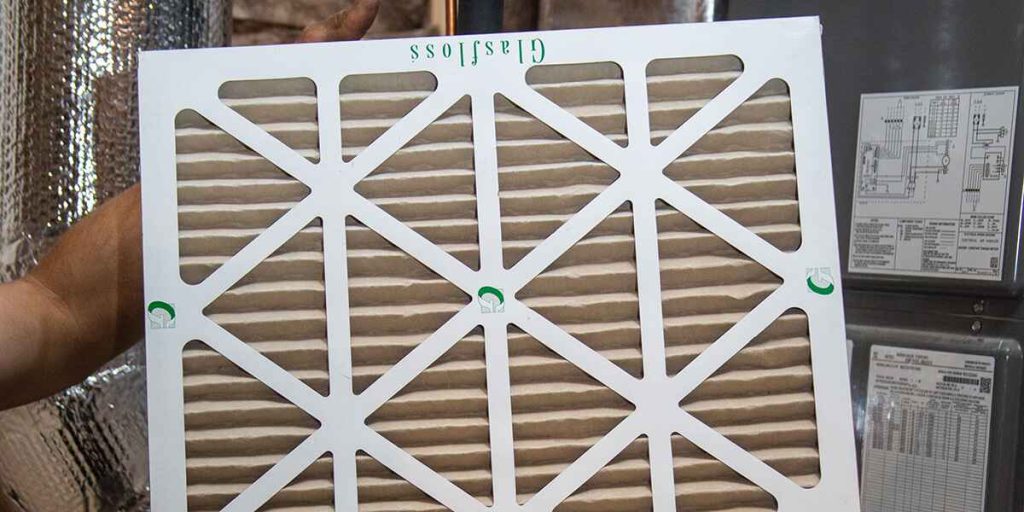
Have you ever wondered what really happens if you don’t change your air conditioner filter? It might seem like a small task, but ignoring it can lead to bigger problems than you expect.
Your air conditioner works hard to keep your home cool and comfortable, but a dirty filter can slow it down, raise your bills, and even affect your health. Keep reading to find out why changing your filter is one of the easiest and most important things you can do for your AC and your home.
Don’t let a simple mistake cost you more later!
Role Of Air Conditioner Filters
Air conditioner filters clean the air inside your home. They stop dust, dirt, and allergens from entering the system.
Filters help the air conditioner work better and last longer. Dirty filters can cause many problems.
How Filters Work
Filters catch small particles like dust and pollen from the air. This keeps the air clean and healthy to breathe.
As air passes through the filter, dirt builds up on it. This stops the filter from working well and blocks airflow.
Types Of Filters
There are several types of air conditioner filters. Each type has a different way of cleaning the air.
- Fiberglass filters: These are cheap and catch large particles.
- Pleated filters: These have folds to catch smaller dust and allergens.
- Electrostatic filters: These use static electricity to trap tiny particles.
- HEPA filters: These remove very small particles and allergens.

Credit: climatecontrolinc.com
Signs Of A Dirty Filter
A dirty air conditioner filter can cause many problems. It blocks airflow and reduces cooling.
Recognizing the signs early helps you fix or replace the filter on time.
Reduced Airflow
A clogged filter limits the amount of air passing through the system. This makes your AC work harder.
- Rooms feel warmer than usual
- Weak air coming from vents
- Longer time to cool the space
Unusual Noises
Dirty filters can cause your air conditioner to make strange sounds. Dust and debris can block parts.
Common noises include:
- Buzzing or humming sounds
- Whistling from vents
- Rattling from the unit
Increased Energy Bills
A dirty filter makes your AC use more electricity to cool your home. This raises your energy costs.
| Condition | Effect on Energy Bill |
| Clean Filter | Normal energy use |
| Dirty Filter | Higher energy use and costs |
Health Risks From Dirty Filters
Air conditioner filters keep the air clean in your home. When they get dirty, they stop working well.
Dirty filters can cause serious health problems. They allow harmful particles to spread inside your living space.
Allergy And Asthma Triggers
Dirty air filters trap dust, pollen, and pet dander. These allergens build up and enter your air. This can make allergies and asthma worse.
- More sneezing and coughing
- Worsening asthma symptoms
- Eye irritation and runny nose
- Increased allergy attacks
Spread Of Bacteria And Mold
Moisture can collect on dirty filters. This helps bacteria and mold grow. These germs spread through the air system.
| Health Issue | Cause | Effect |
| Respiratory Infection | Bacteria from dirty filters | Coughing, fever, chest discomfort |
| Allergic Reactions | Mold spores in air | Itchy eyes, skin rashes, sneezing |
| Asthma Attacks | Airborne mold and bacteria | Shortness of breath, wheezing |
Impact On Air Conditioner Performance
Changing the air conditioner filter is important for its good work. A dirty filter makes the unit work harder. This lowers the air conditioner’s performance.
A clogged filter stops air flow. This makes the system less efficient. It can also raise energy costs and wear out parts faster.
Strain On Components
A dirty filter causes dust and dirt to build up inside the air conditioner. This puts extra strain on parts like the blower motor and coils. These parts must work harder to keep the air cool.
The strain can cause parts to overheat or wear out early. This lowers the air conditioner’s lifespan and makes repairs more likely.
- Blower motor works harder and can overheat
- Coils get dirty and reduce cooling ability
- Fans may become less effective
- Increased energy use from stressed components
Frequent Breakdowns
Not changing the filter often leads to more breakdowns. Dirt causes blockages that stop the system from working well. These blockages can cause the air conditioner to shut down.
Frequent breakdowns mean more repair costs and inconvenience. Regularly changing the filter helps avoid these problems and keeps the system running smoothly.
Energy Efficiency And Cost Implications
Air conditioner filters keep the system clean and working well. If you do not change the filter, it can cause problems.
Dirty filters make the air conditioner use more energy and cost you more money.
Higher Energy Consumption
A clogged filter blocks airflow. The air conditioner works harder to cool your home. This uses more electricity.
More energy means higher electric bills. Changing filters regularly helps save energy and money.
- Dirty filters reduce airflow
- System works harder and uses more power
- Electric bills increase
- Regular filter changes keep energy use low
Increased Repair Costs
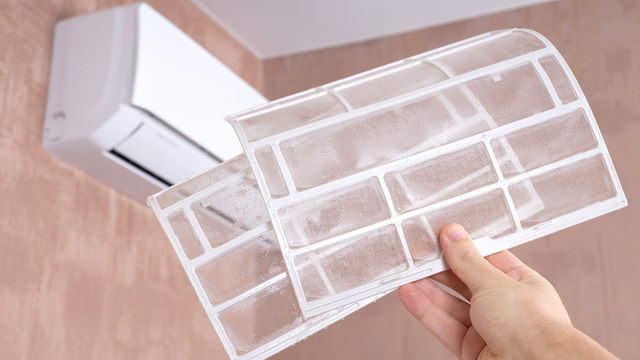
A dirty filter causes dust and dirt to build up inside the system. This can damage parts of the air conditioner.
Damage leads to costly repairs. Changing the filter often can prevent breakdowns and save repair money.
- Dust buildup harms system parts
- More breakdowns mean higher repair bills
- Clean filters protect the air conditioner
- Preventive care reduces repair costs
Credit: www.bestownerdirect.com
Best Practices For Filter Maintenance
Changing your air conditioner filter is important for clean air and good system performance. Dirty filters can cause many problems for your AC unit.
Regular filter care keeps your home air fresh and helps your AC work well. Knowing how and when to change filters is key to good maintenance.
How Often To Change Filters
Most air conditioner filters should be changed every 1 to 3 months. This depends on how often you use your AC and the air quality in your home.
If you have pets, allergies, or live in a dusty area, change filters more often. Check your filter monthly to see if it looks dirty or clogged.
- Change every 1 month for homes with pets or allergies
- Change every 3 months for low-use, clean air homes
- Check monthly for dust or dirt buildup
Tips For Choosing Filters
Pick filters that fit your AC unit size exactly. A wrong size will let dirt pass or block airflow.
Look for filters with good dust and particle removal. Some filters also help reduce allergens and bacteria.
- Use filters made for your AC model
- Choose filters with a MERV rating of 8 to 13 for good air cleaning
- Consider washable filters to save money
- Check filter thickness and fit before buying

Credit: www.youtube.com
Frequently Asked Questions
What Happens If Ac Filter Is Not Changed Regularly?
A dirty AC filter restricts airflow, reducing cooling efficiency. It causes the system to work harder, increasing energy costs and wear. Over time, it can lead to system breakdowns and poor indoor air quality, affecting health.
How Does A Clogged Ac Filter Affect Energy Bills?
A clogged filter forces your AC to consume more energy to cool your space. This inefficiency raises electricity bills significantly. Regular filter changes ensure optimal airflow and energy use, saving money and extending your AC’s lifespan.
Can A Dirty Ac Filter Impact Indoor Air Quality?
Yes, a dirty filter traps dust, pollen, and allergens, reducing air quality. This can worsen allergies and respiratory issues. Changing the filter regularly helps maintain clean, healthy air in your home.
How Often Should Air Conditioner Filters Be Changed?
Filters should be changed every 1 to 3 months, depending on usage and air quality. Homes with pets or allergies may need more frequent changes to maintain efficiency and air purity.
Conclusion
Neglecting your air conditioner filter causes problems. Dust and dirt build up. This reduces efficiency and increases energy bills. Dirty filters can harm your health, causing allergies. They also shorten the lifespan of your unit. Regular maintenance prevents these issues.
Save money and breathe easy with clean filters. Change them every few months. Your air conditioner will run smoothly. You’ll enjoy a comfortable home. Don’t ignore this simple step. Keep your air fresh and clean. Make filter changes a routine task.
Your air conditioner will thank you. Your wallet will too.