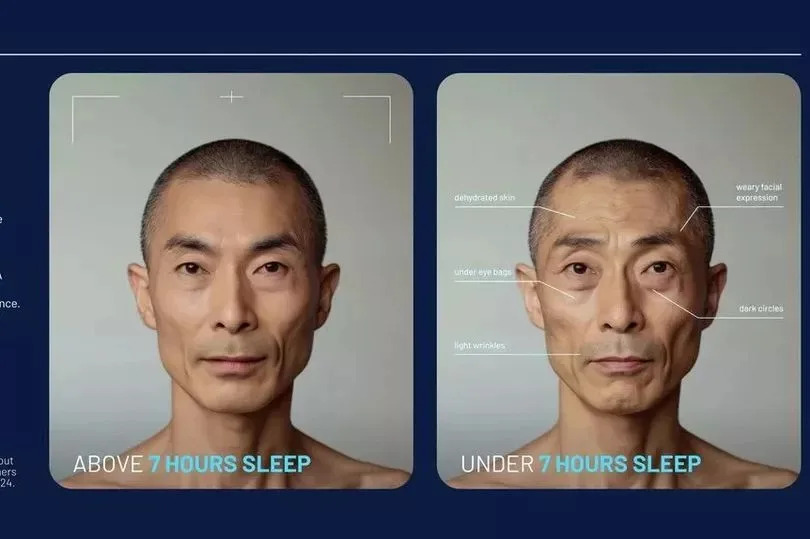
Have you ever looked in the mirror after a restless night and noticed those stubborn bags under your eyes? You might wonder, “Does lack of sleep cause eye bags?” The answer isn’t as simple as you think.
Understanding what really leads to those dark circles and puffiness can change how you care for your skin and health. Keep reading, because what you learn here could help you wake up looking fresher and more energized every day.
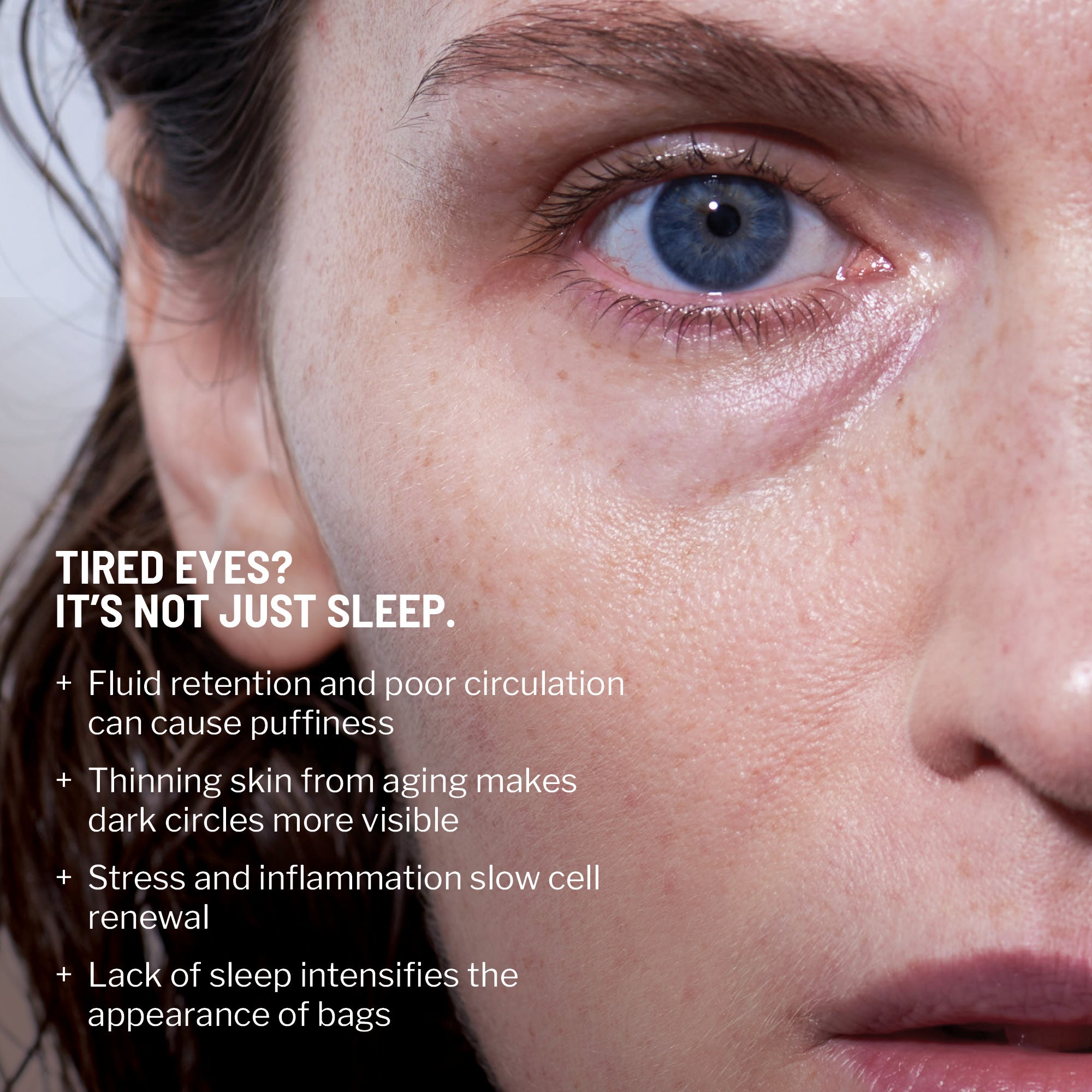
Credit: www.drbrandtskincare.com
What Causes Eye Bags?
Eye bags appear as puffiness or swelling under the eyes. Many people wonder if lack of sleep causes them. While sleep plays a role, other factors also cause eye bags.
Understanding the main causes can help you manage or reduce eye bags. These causes include genetics, lifestyle, and medical conditions.
Genetics And Aging
Eye bags often run in families. Your genes can make the skin under your eyes thinner or looser. Aging also weakens muscles and tissues around the eyes. This allows fat to move forward and create puffiness.
Lifestyle Factors
Daily habits can cause or worsen eye bags. Lack of sleep reduces fluid drainage and causes swelling. Poor diet, smoking, and too much salt increase puffiness. Stress and allergies may also affect the skin.
- Not getting enough sleep
- Eating salty foods
- Smoking cigarettes
- High stress levels
- Allergic reactions
Medical Conditions
Some health problems cause or worsen eye bags. Fluid buildup from kidney or thyroid issues can make eyes puffy. Skin conditions like eczema or dermatitis may irritate the area. Infections can also cause swelling.
| Medical Condition | Effect on Eye Bags |
| Kidney problems | Fluid retention causes puffiness |
| Thyroid disease | Swelling around the eyes |
| Eczema | Skin irritation and swelling |
| Eye infections | Localized puffiness and redness |
How Sleep Affects Eye Appearance
Sleep plays a big role in how your eyes look. When you get enough rest, your eyes appear fresh and bright.
Lack of sleep can cause dark circles and puffiness around the eyes. This makes you look tired and older.
Role Of Sleep In Skin Health
Sleep helps your skin repair itself. During sleep, your body makes new skin cells and boosts blood flow.
This repair process keeps your skin smooth and healthy. Good sleep also helps keep your skin hydrated.
Effects Of Sleep Deprivation On Eyes
When you do not sleep enough, your eyes get red and dry. Lack of sleep reduces blood flow, causing dark circles.
Sleep deprivation can make the skin under your eyes thin. This makes blood vessels more visible and eye bags appear.
Fluid Retention And Puffiness
Not sleeping well can cause your body to hold extra fluid. This fluid collects under your eyes, causing puffiness.
Salt intake and lying down for long periods can also increase fluid retention around the eyes.
- Extra fluid causes swelling under the eyes
- Sleeping flat can worsen puffiness
- Reducing salt helps lower fluid buildup
Link Between Sleep And Eye Bags
Eye bags are a common concern for many people. They often appear as puffiness or dark circles under the eyes.
Sleep is known to affect the skin and eye area. Lack of sleep is often blamed for causing eye bags.
Temporary Vs. Persistent Eye Bags
Temporary eye bags come and go. They often appear after a poor night’s sleep or tiredness. Persistent eye bags stay longer and may not go away with rest.
- Temporary eye bags can be caused by fluid buildup due to lack of sleep.
- Persistent eye bags may result from aging or genetics.
- Temporary bags usually reduce after proper rest.
- Persistent bags might need medical or cosmetic treatment.
Scientific Studies On Sleep And Eye Bags
Studies show that poor sleep affects skin health and appearance. One study found that sleep deprivation makes the skin look paler and more tired.
| Study | Findings |
|---|---|
| Sleep Deprivation Study (2012) | Increased puffiness and dark circles under eyes. |
| Skin Health Research (2018) | Reduced skin elasticity and brightness after poor sleep. |
| Facial Appearance Study (2020) | Sleep loss linked to tired and aged appearance. |
Other Contributing Factors
Besides sleep, many factors cause eye bags. These include lifestyle, health, and environment.
- Allergies can cause swelling around the eyes.
- Excess salt intake leads to fluid retention.
- Smoking damages skin and worsens eye bags.
- Aging reduces skin firmness and causes sagging.
- Genetics play a role in how eye bags develop.

Credit: nudekiwi.co.nz
Preventing And Reducing Eye Bags
Eye bags often appear due to lack of sleep. They make you look tired and older. You can reduce eye bags by improving sleep and taking care of your skin.
This guide shares easy ways to prevent and reduce eye bags. Focus on better sleep, skincare, and lifestyle changes for best results.
Improving Sleep Quality
Good sleep helps your body repair and reduces puffiness under the eyes. Try to get 7 to 9 hours of sleep every night. Keep a regular sleep schedule and avoid screens before bed.
- Go to bed and wake up at the same time daily
- Make your bedroom dark and quiet
- Avoid caffeine and heavy meals before sleep
- Use comfortable pillows to support your head
- Limit naps to 20 minutes in the afternoon
Skincare Tips
Caring for your skin can reduce swelling and dark circles. Use gentle products made for the eye area. Always remove makeup before sleeping.
| Skincare Step | What to Use | Tip |
| Cleanse | Gentle eye makeup remover | Use light motions |
| Moisturize | Eye cream with caffeine or hyaluronic acid | Apply with ring finger |
| Protect | Sunscreen safe for eyes | Apply daily |
Lifestyle Changes
Simple changes in your daily life can help prevent eye bags. Drink plenty of water and avoid salty foods. Stress and smoking also affect your skin and sleep.
- Drink at least 8 glasses of water daily
- Eat a balanced diet with fruits and vegetables
- Limit salt and processed foods
- Manage stress with relaxation exercises
- Stop smoking to improve skin health
When To See A Doctor
Eye bags often appear after poor sleep. Most cases are harmless and clear up with rest.
Sometimes, eye bags may signal health problems. Knowing when to see a doctor helps.
Signs Of Underlying Health Issues
Eye bags can link to health problems. Watch for these signs that need medical help.
- Eye bags persist for weeks without improvement
- Swelling is painful or red
- Vision changes or eye discomfort occur
- Sudden appearance of puffiness without cause
- Other symptoms like fatigue, weight change, or skin rash
These signs might mean allergies, infections, or kidney issues. A doctor can check.
Treatment Options
Treatment depends on the cause of eye bags. Simple fixes help mild cases.
- Get regular, good-quality sleep
- Use cold compresses to reduce puffiness
- Limit salt to avoid water retention
- Stay hydrated throughout the day
- Use allergy medicines if allergies cause swelling
- See a doctor for prescription creams or procedures
Doctors may suggest tests or treatments if health issues cause eye bags. Early care improves results.

Credit: nudekiwi.co.nz
Frequently Asked Questions
Does Lack Of Sleep Cause Eye Bags?
Yes, lack of sleep can cause eye bags. Sleep deprivation leads to fluid retention and poor blood circulation, resulting in puffiness and dark circles under the eyes.
How Does Sleep Affect Under-eye Appearance?
Sleep affects under-eye appearance by allowing the skin to repair. Poor sleep causes blood vessels to dilate, making eye bags and dark circles more visible.
Can Eye Bags Improve With Better Sleep?
Improving sleep quality can reduce eye bags. Consistent, restful sleep helps decrease puffiness and dark circles by restoring skin health and improving circulation.
Are Eye Bags Only Caused By Lack Of Sleep?
No, eye bags also result from aging, genetics, allergies, and fluid retention. Lack of sleep is one common but not the sole cause.
Conclusion
Sleep greatly affects your eye health. Lack of sleep often leads to eye bags. Dark circles can make you look tired and older. Good sleep helps your skin stay fresh. Aim for 7-9 hours each night. Hydration is also key.
Drink enough water daily. A balanced diet supports healthy skin. Consider reducing screen time before bed. This promotes better sleep quality. Sleep and lifestyle changes can improve your eye appearance. Remember, consistent habits lead to better results. Prioritize your sleep for healthier eyes and skin.