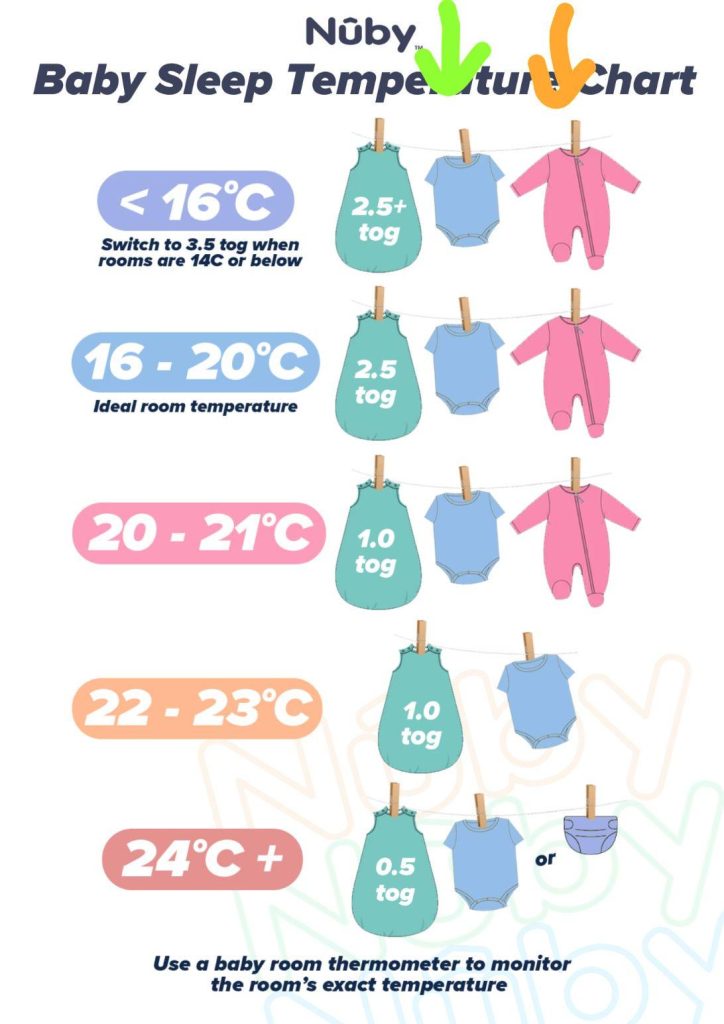
Choosing the right sleeping bag can make or break your outdoor adventure. You might wonder, “What temperature sleeping bag do I need?”
This question is more important than you think. Using the wrong sleeping bag can leave you cold, uncomfortable, or even unsafe. But don’t worry—you’re about to discover exactly how to pick the perfect sleeping bag for your needs. Keep reading, and you’ll learn simple tips that will help you sleep warm and cozy no matter where you go.
Sleeping Bag Temperature Ratings
Choosing the right sleeping bag temperature rating is key for a good night’s sleep outdoors. The rating tells you what temperatures the bag can handle.
Understanding the different ratings helps you pick the best bag for your needs and stay warm and safe.
Comfort Vs Limit Vs Extreme Ratings
Sleeping bags have three main temperature ratings: comfort, limit, and extreme. Each rating shows how the bag performs in cold weather.
| Rating Type | Description |
| Comfort | Lowest temperature where a standard woman can sleep comfortably. |
| Limit | Lowest temperature where a standard man can sleep without feeling cold. |
| Extreme | Lowest temperature the bag can protect against frostbite risk. |
Knowing these ratings helps you avoid choosing a bag that is too warm or too cold for your trip.
How Ratings Are Tested
Temperature ratings come from lab tests and real-life trials. Experts use specific methods to find accurate numbers.
- Test subjects wear standard clothing inside the sleeping bag.
- They rest in a controlled environment with set temperatures.
- Scientists monitor their comfort and body heat levels.
- Ratings are based on how cold the subjects can sleep safely.
- Different tests use men and women to cover a range of needs.

Credit: www.dimples.co.nz
Factors Influencing Temperature Choice
Choosing the right sleeping bag temperature rating depends on several key factors. These factors help you stay comfortable and safe during your camping trips.
Understanding these factors will guide you to pick a sleeping bag that matches your needs and environment.
Personal Cold Tolerance
Everyone feels cold differently. Some people get cold easily, while others stay warm longer. Your personal tolerance affects the temperature rating you need.
- If you feel cold quickly, choose a sleeping bag rated for lower temperatures.
- If you usually stay warm, a sleeping bag with a higher temperature rating might work.
- Consider your age and health, as they influence cold sensitivity.
Sleepwear And Insulation
The clothes you wear to sleep affect your warmth. Thicker or insulated sleepwear lets you use a lighter sleeping bag.
| Type of Sleepwear | Impact on Sleeping Bag Choice |
| Light pajamas or shorts | Choose warmer sleeping bag |
| Thermal underwear or insulated layers | Can use a lighter sleeping bag |
| Extra blankets or liners | Increases warmth inside the bag |
Camping Environment
Your camping spot affects the temperature you need. Forests, deserts, or open fields have different temperature ranges at night.
- Forests tend to be cooler and damp, requiring warmer bags.
- Deserts can be hot during day but very cold at night.
- Open fields may have strong winds that make it feel colder.
- Near water, expect more humidity and chill.
Altitude And Weather Conditions
Higher altitudes usually mean colder temperatures. Weather changes can also drop the temperature quickly.
Check the forecast and altitude before choosing your sleeping bag:
- At altitudes above 7,000 feet, temperatures drop significantly.
- Wind and rain increase heat loss, so choose a more insulated bag.
- Clear nights can get colder than cloudy nights.
Types Of Sleeping Bags By Temperature
Choosing the right sleeping bag depends on the temperature you expect to face. Different sleeping bags suit different weather conditions.
This guide explains the common types of sleeping bags based on temperature ranges.
Summer Bags
Summer bags are designed for warm weather. They keep you comfortable when temperatures stay above 40°F (4°C). These bags are lightweight and breathable.
- Temperature range: 40°F and above
- Light insulation
- Good ventilation to avoid overheating
- Ideal for camping in hot climates
Three-season Bags
Three-season bags fit spring, summer, and fall conditions. They work well in temperatures between 20°F (-7°C) and 40°F (4°C). These bags balance warmth and weight.
| Temperature Range | Use Case | Features |
| 20°F to 40°F (-7°C to 4°C) | Spring, Summer, Fall | Moderate insulation, versatile |
| Above 40°F (4°C) | Summer | Light insulation, breathable |
| Below 20°F (-7°C) | Winter | Heavy insulation, durable shell |
Winter Bags
Winter bags keep you warm in very cold weather. They protect you in temperatures below 20°F (-7°C). These bags have thick insulation and strong shells.
Winter sleeping bags often include:
- Down or synthetic insulation
- Water-resistant outer fabric
- Draft collars and hoods
- Extra padding for extreme cold
Materials And Insulation Impact
Choosing the right sleeping bag temperature depends on its materials and insulation. These factors affect warmth and comfort during sleep.
Understanding materials helps you pick a sleeping bag that suits different weather conditions and activities.
Down Vs Synthetic Fill
Down fill comes from bird feathers. It is light and compresses well. Down offers great warmth for its weight.
Synthetic fill uses man-made fibers. It keeps warmth even when wet. Synthetic bags dry faster and cost less.
- Down: Lightweight, compressible, very warm
- Synthetic: Water-resistant, affordable, quick drying
- Down loses warmth if wet
- Synthetic is heavier but better for damp conditions
Shell Fabric And Breathability
Shell fabric protects insulation inside the bag. It should block wind and resist moisture. Breathable fabric lets sweat escape.
Good breathability reduces dampness inside the bag. This keeps you warmer and more comfortable at night.
- Ripstop nylon or polyester are common shell fabrics
- Water-resistant coatings help keep dryness
- Breathable fabrics prevent moisture buildup
- Balance between protection and airflow is key
Sizing And Fit Considerations
Choosing the right sleeping bag size affects your comfort and warmth. A sleeping bag that fits well helps keep heat inside. Too small or too large bags can reduce their effectiveness.
Knowing how length and width impact fit will help you pick the best sleeping bag for your needs. These factors also influence how warm you stay during the night.
Bag Length And Width
Sleeping bags come in different lengths and widths to fit various body sizes. A bag that is too short can leave your feet exposed to cold air. A bag that is too wide may allow too much air inside, making it harder to keep warm.
- Choose a bag length that is 6 to 12 inches longer than your height.
- Pick a width that fits your shoulders without extra space.
- Consider mummy-shaped bags for snug fits and rectangular bags for more room.
- Use liners or wear layers if you need extra warmth in a larger bag.
Impact On Warmth
The size of your sleeping bag affects how well it keeps you warm. A tight fit traps body heat better. Extra space inside the bag lets cold air circulate and cool you down.
| Fit Aspect | Effect on Warmth |
|---|---|
| Too Short | Exposes feet to cold air, reduces warmth |
| Too Long | Extra space reduces heat retention |
| Too Wide | Allows cold air to enter, lowers temperature |
| Snug Fit | Traps heat efficiently, keeps you warm |

Credit: www.cleverhiker.com
Tips For Staying Warm
Choosing the right sleeping bag temperature is important for staying warm. Your body loses heat while you sleep. Using good techniques helps keep you cozy.
Below are tips that help you stay warm in cold weather. These tips work well with your sleeping bag choice.
Using Sleeping Pads
Sleeping pads stop cold from the ground. They add insulation under your bag. This keeps heat from escaping below you.
Thick and insulated pads work best. Foam pads or inflatable pads with high R-value are good choices.
- Place the pad under your sleeping bag
- Choose pads with R-value 3 or higher
- Use foam pads for extra insulation
- Inflatable pads save space and add comfort
Layering Techniques
Layering clothes keeps body heat close. Use thin layers that trap warm air. Avoid thick clothes that squeeze your bag.
Wear a base layer like thermal underwear. Add a warm middle layer if needed. Remove layers if you get too hot.
- Wear moisture-wicking base layers
- Add fleece or wool mid-layers
- Keep a hat and socks on while sleeping
- Avoid cotton because it traps wetness
Proper Bag Care
Taking care of your sleeping bag keeps it warm longer. Store it loosely in a large sack to keep loft. Compressing it can damage insulation.
Keep your bag dry. Moisture reduces its warmth. Use a waterproof stuff sack on wet trips. Air it out after use.
- Store bag in a large breathable sack
- Keep bag dry and clean
- Use waterproof covers for wet conditions
- Let bag air dry before packing
Choosing The Right Bag For Your Trip
Picking the right sleeping bag temperature rating is key for a good night’s sleep outdoors. The right bag keeps you warm without overheating.
Think about where and when you will camp. This helps you choose a bag that fits your needs well.
Seasonal Planning
Look at the usual weather for the camping season. Summer bags are lighter and cooler. Winter bags keep you warm in cold weather.
Check the lowest temperatures you expect. Choose a bag with a rating a few degrees lower than that to stay comfortable.
- Summer: bags rated 35°F (2°C) and above
- Three-season: bags rated 20°F to 35°F (-7°C to 2°C)
- Winter: bags rated below 20°F (-7°C)
Weight And Packability
Think about how far you will carry your bag. Lighter bags are best for long hikes. Heavy bags are okay for car camping.
Check the packed size. Smaller bags fit better in your backpack and leave room for other gear.
- Down bags are lighter and compress smaller
- Synthetic bags may weigh more but dry faster
- Choose a bag that balances warmth with weight
Budget Considerations
Sleeping bags come in many prices. Higher price often means better warmth-to-weight ratio and durability.
Set a budget but try not to buy the cheapest bag. A bad bag might make your trip uncomfortable or unsafe.
- Basic bags are good for mild weather or occasional use
- Mid-range bags offer better warmth and materials
- High-end bags are best for tough conditions and frequent trips
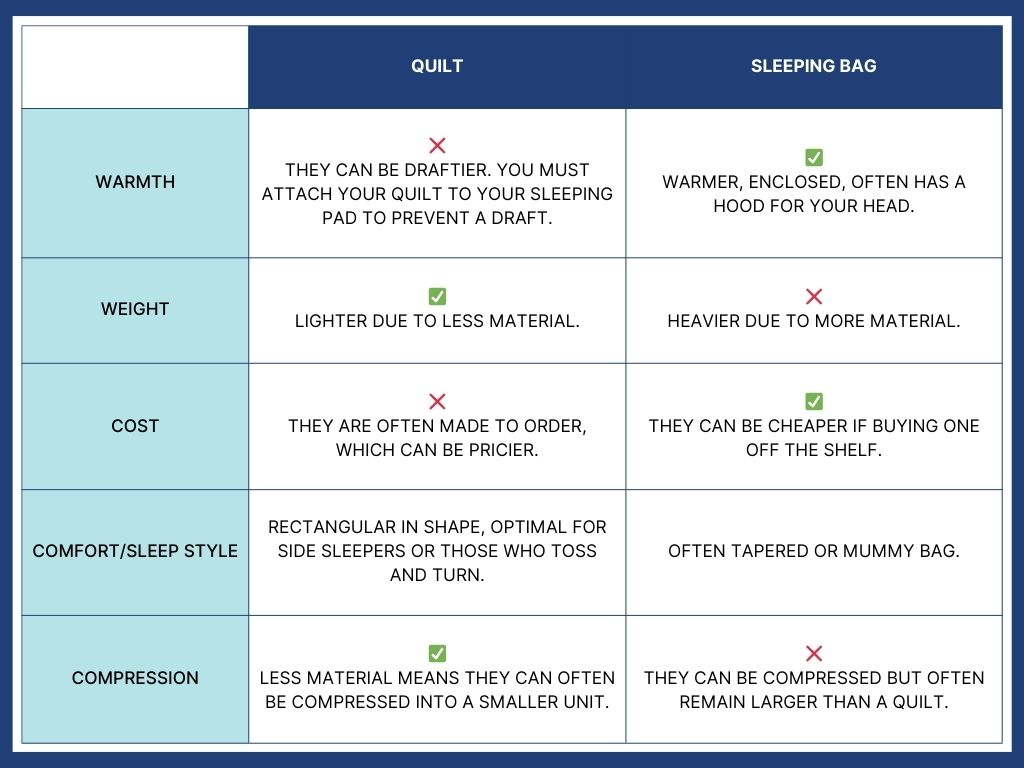
Credit: www.cinderstravels.com
Frequently Asked Questions
What Temperature Rating Should My Sleeping Bag Have?
Choose a sleeping bag with a temperature rating below the lowest temperature you expect. This ensures warmth and comfort during cold nights. Always consider your personal cold tolerance when selecting the rating for safety and restful sleep.
How Do Temperature Ratings Affect Sleeping Bag Choice?
Temperature ratings indicate the coldest temperature a sleeping bag can handle. Lower ratings mean better insulation for cold weather. Use these ratings to match your sleeping bag with your camping climate for optimal warmth and protection.
Can I Use A Summer Sleeping Bag In Cold Weather?
Summer sleeping bags are designed for warm temperatures and lack heavy insulation. Using one in cold weather may cause discomfort or hypothermia. For cold conditions, select a sleeping bag with an appropriate lower temperature rating.
What Factors Influence The Sleeping Bag Temperature Rating?
Sleeping bag ratings consider insulation type, bag shape, and materials. User metabolism and clothing also affect warmth. Understand these factors to choose a sleeping bag that fits your needs and environment accurately.
Conclusion
Choosing the right sleeping bag temperature is crucial for comfort. Consider the climate and season of your trip. A warmer bag suits cold nights. A lighter one is best for summer. Always check the bag’s temperature rating. This helps in making the right choice.
Remember, personal preference also matters. Some people feel cold easily. Others sleep warm. Test the bag, if possible, before your trip. This ensures a good night’s sleep outdoors. With the right sleeping bag, you’ll enjoy your adventure more. Stay warm, rest well, and happy camping!