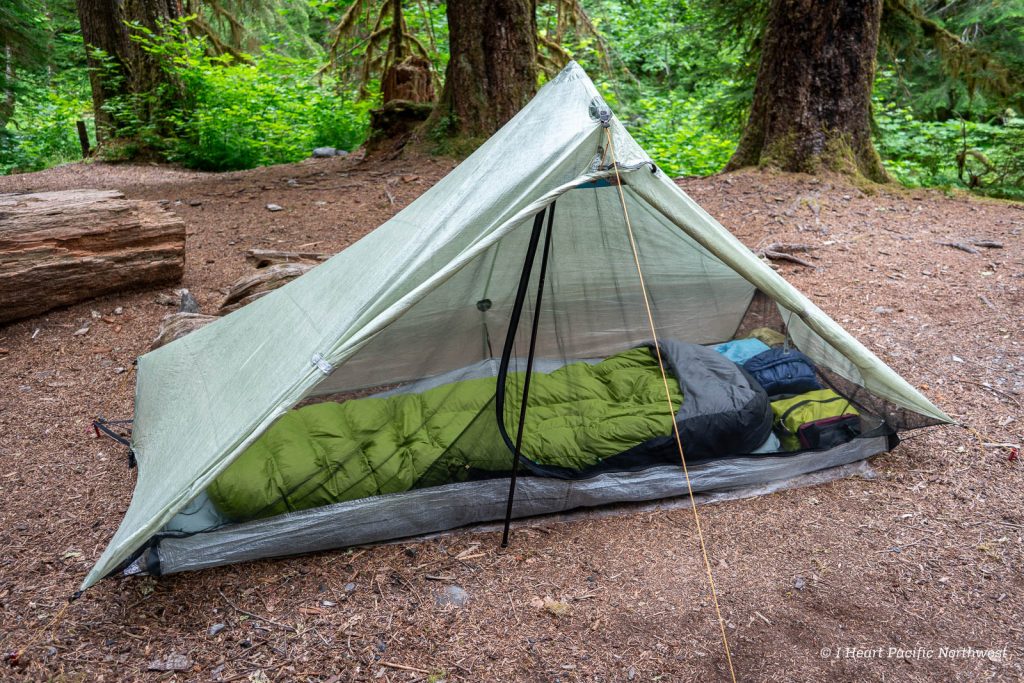
Are you planning your next camping trip and wondering, “Do tents come with stakes?” It’s a question that can save you from last-minute stress and extra purchases.
Imagine setting up your tent only to realize you don’t have the right stakes to secure it. That’s frustrating and can ruin your outdoor experience. You’ll discover the truth about tent stakes, why they matter, and what you should look for before you buy your tent.
Keep reading to make sure your camping gear is complete and ready for any adventure.

Credit: www.familyhandyman.com
Tents And Stakes Basics
Tents usually come with stakes to keep them secure. Stakes hold the tent to the ground. They stop the tent from moving in wind or rain.
Knowing about tent stakes helps you camp safely. You can choose the right stakes for your trip.
Purpose Of Tent Stakes
Tent stakes keep your tent stable on the ground. They prevent the tent from blowing away. Stakes also help keep the tent shape tight. This keeps water out and adds comfort inside.
- Hold the tent firmly in place
- Keep the tent fabric tight
- Protect from wind and rain
- Help maintain tent shape
Common Types Of Stakes
There are many types of tent stakes. Each type works best on certain ground. Some are light for backpacking. Others are strong for rocky soil.
| Type | Material | Best Use |
| V-shaped | Aluminum or Steel | Firm soil |
| Spiral | Steel | Loose or sandy soil |
| Screw-in | Steel | Soft or muddy ground |
| Plastic | Plastic | Snow or soft ground |
| Nail | Steel | Hard or rocky soil |
Are Stakes Included With Tents?
Many people wonder if tents come with stakes. Stakes help secure the tent to the ground. They keep the tent stable in wind and rain.
Not all tents include stakes. It depends on the tent type and brand. Let’s look at what you can expect.
Stakes In Budget Tents
Budget tents often come with basic stakes. These stakes are usually made of lightweight metal or plastic. They may not be very strong but work on soft ground.
These stakes help keep the tent in place during light weather. You might need to buy stronger stakes if you camp in rocky or hard soil.
Stakes In Premium Tents
Premium tents usually include high-quality stakes. These stakes can be made of aluminum or steel. They are stronger and more durable than budget stakes.
Premium stakes often have special shapes for better grip in different soils. They help keep the tent stable in tough weather conditions.
- Aluminum stakes are light and strong
- Steel stakes are very durable but heavier
- Special designs improve holding power
Variations By Tent Brand
Different tent brands include different types of stakes. Some brands add extra stakes or replace stakes with other anchors. Always check the product details before buying.
Some brands sell stakes separately. Others include extra stakes for large tents or tough environments. Knowing the brand’s policy helps you prepare better for camping.
- Some brands use plastic stakes for light tents
- Others provide metal stakes with each tent
- Extra stakes may be sold as accessories
- Some tents use screw-in or specialized anchors
Choosing The Right Stakes
Most tents come with stakes, but they may not work well everywhere. Choosing the right stakes helps keep your tent secure. Different trips need different types of stakes.
Good stakes hold your tent firm in the ground. They stop your tent from moving or blowing away in wind. It is important to pick stakes that fit your needs.
Material Considerations
Tent stakes come in many materials. Each one has its strengths and weaknesses. Pick a material that fits your camping style and conditions.
Aluminum stakes are light and strong. They are easy to carry on long hikes. Steel stakes are heavier but very durable. They work well in hard or rocky soil. Plastic stakes are cheap and light but break easily. Use them only on soft ground.
- Aluminum: lightweight and strong
- Steel: heavy and very durable
- Plastic: light but breaks easily
Size And Weight Factors
Stake size affects how well it holds the tent. Longer stakes hold better in loose soil. Short stakes work on firm ground but may not hold in wind. Weight matters if you carry your gear far.
Lightweight stakes are best for backpackers. They save space and reduce load. Heavier stakes offer more strength but add weight. Balance size and weight for your trip.
- Long stakes hold better in soft soil
- Short stakes work on hard ground
- Light stakes are best for hiking
- Heavy stakes are stronger but heavier
Terrain Suitability
Different terrains need different stakes. Soft dirt or sand requires long, wide stakes. Rocky or hard soil needs strong, pointed stakes. Snow needs special stakes or anchors.
Choose stakes that fit where you camp. Using the wrong stakes can cause your tent to fall. Check your camping area and pick stakes that hold well there.
- Soft soil: long and wide stakes
- Rocky ground: strong, pointed stakes
- Snow: special snow stakes or anchors

Credit: www.popularmechanics.com
When To Bring Extra Stakes
Most tents come with stakes included. These stakes help keep your tent secure on the ground. Sometimes, the stakes are not enough for all situations. Bringing extra stakes can keep your tent safe and stable.
Extra stakes are useful if you camp in tough areas or lose some stakes. It is better to have more stakes than needed than to struggle without them.
Camping In Challenging Conditions
Hard or rocky soil makes it hard to push stakes into the ground. Soft or sandy soil may not hold stakes well. Windy weather can pull stakes loose quickly. In these cases, extra stakes help secure your tent firmly.
- Use longer or stronger stakes for rocky ground
- Bring wide or sand stakes for loose soil
- Add more stakes to resist strong winds
Replacing Lost Or Damaged Stakes
Stakes can bend or break during use. You might lose them while hiking or packing up. Having extra stakes lets you replace missing or damaged ones easily. This keeps your tent stable without delay.
- Keep a few spare stakes in your gear bag
- Check stakes after each trip for damage
- Use universal stakes if original ones are not available
Staking Techniques For Stability
Tents often come with stakes to help secure them. Using stakes correctly keeps your tent stable in wind and rain.
Good staking stops the tent from moving or collapsing. Learn how to place stakes well for safety and comfort.
Basic Stake Placement
Start by driving stakes into the ground at a 45-degree angle away from the tent. This angle holds the stake firmly.
Place stakes at each corner of the tent. Also, stake any extra loops or guy lines for better hold.
- Push stakes in deep for strong grip
- Use a mallet to avoid bending stakes
- Check stake tightness often during use
Advanced Anchoring Methods
In loose or sandy soil, simple stakes may not hold well. Use longer stakes or anchors designed for soft ground.
Attach guy lines to trees or heavy rocks if available. This adds extra stability in strong wind.
- Use sand or snow anchors in soft ground
- Cross stakes for added tension
- Secure guy lines tightly for extra support

Credit: www.ebay.ca
Maintaining And Storing Stakes
Tent stakes are important for keeping your tent stable. Taking care of them helps them last longer. Proper cleaning and storage keep stakes in good shape.
Dirty or damaged stakes can make setting up your tent hard. Learning how to clean and store stakes makes camping easier.
Cleaning After Use
After camping, stakes often have dirt, mud, or grass on them. Cleaning them stops rust and damage. Use water and a brush to remove dirt.
Dry stakes fully before storing. Wet stakes can rust or weaken. Check for bends or cracks and fix or replace if needed.
- Rinse stakes with clean water
- Use a soft brush to scrub off dirt
- Dry stakes completely with a cloth
- Inspect for damage and repair if possible
Proper Storage Tips
Store stakes in a dry, cool place to stop rust. Keep them in a bag or container to avoid losing them. Separate stakes from other gear to protect them.
Organize stakes by size or type. This saves time when setting up your tent next time. Avoid heavy pressure on stakes to keep their shape.
- Keep stakes dry and away from moisture
- Use a storage bag or box
- Sort stakes by size or type
- Store in a cool, shaded place
- Avoid stacking heavy items on stakes
Frequently Asked Questions
Do All Tents Include Stakes In The Package?
Most tents come with basic stakes included. However, some lightweight or budget models may exclude them. Always check product details before purchase to confirm if stakes are provided.
What Types Of Stakes Usually Come With Tents?
Tents typically include metal or plastic stakes. Metal stakes are durable and work well on firm ground. Plastic stakes suit softer soil but may break easily.
Can I Use Different Stakes Than Those Provided?
Yes, you can use alternative stakes for better stability. Choose stakes suited to your camping terrain, like heavy-duty steel for rocky areas or longer stakes for sandy soil.
How Important Are Stakes For Tent Setup?
Stakes are crucial for securing the tent to the ground. They prevent movement during wind and keep your shelter stable and safe throughout your camping trip.
Conclusion
Tents often include stakes, but not always. Check the packaging details. Stakes provide stability, securing your tent in place. Consider the terrain when buying extra stakes. Some ground types need specialized stakes for better grip. Always pack extra stakes for unforeseen conditions.
Many campers find it helpful to have backups. Remember, a well-secured tent enhances your camping experience. Happy camping!