Is your air conditioner making loud noises that catch your attention every time it turns on? You might be wondering, “Why does my air conditioner sound so loud?” Loud sounds from your AC can be more than just annoying—they might signal an issue that needs your attention.
Understanding the reasons behind these noises can save you from costly repairs and help your home stay comfortable. Keep reading to discover the common causes of loud AC sounds and what you can do to fix them before the noise gets worse.

Credit: northnjhvac.com
Common Noises From Air Conditioners
Air conditioners make noises as they work. Some sounds are normal, but loud noises can show a problem. Knowing the common sounds helps you understand your AC better.
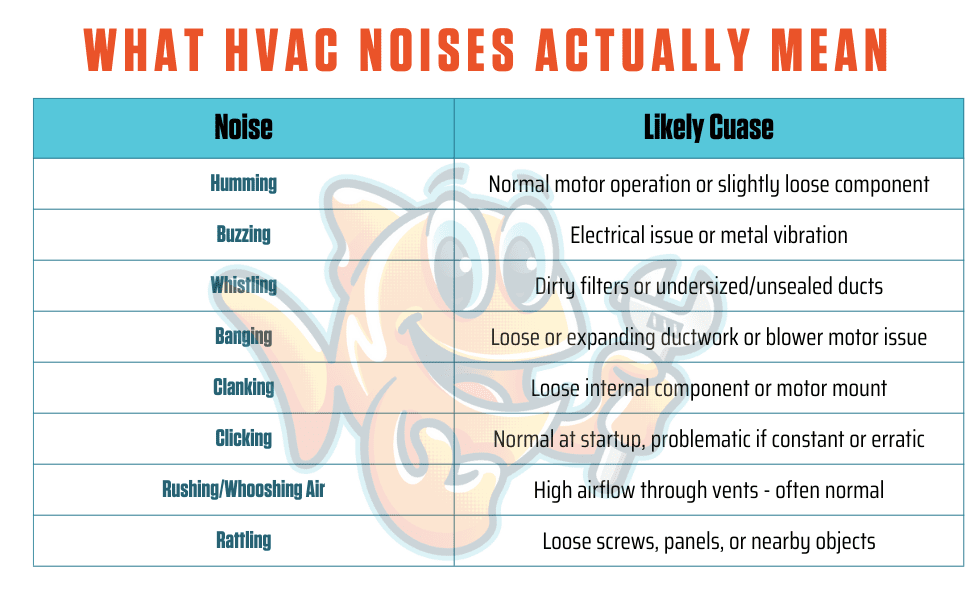
Here are common noises from air conditioners and what they might mean.
Humming And Buzzing Sounds
Humming is a low sound like an engine running. Buzzing is a bit louder and sharper. These sounds often come from the compressor or electrical parts.
These noises can happen if the unit is working hard or if there is an electrical issue. Sometimes, loose parts cause buzzing.
Rattling And Clanking
Rattling sounds like small objects shaking inside the unit. Clanking is a louder, heavy metal noise. These noises usually mean loose or broken parts.
Common causes are loose screws, broken fan blades, or debris in the unit. These sounds need quick attention to avoid damage.
Squealing And Screeching
Squealing is a high-pitched sound like a whistle. Screeching is sharper and more intense. These sounds often come from belts or motors in the AC.
They can mean worn-out belts, lack of lubrication, or motor problems. These noises should not be ignored as they affect performance.

Credit: www.callmattioni.com
Reasons For Loud Ac Noise
Air conditioners can make loud noises for many reasons. Loud sounds often mean something needs fixing.
Knowing why your AC is noisy helps you find the problem fast. Some issues are easy to fix, others need a pro.
Loose Or Damaged Parts
Parts inside the AC can become loose or break over time. These parts can hit each other and cause noise.
Loose screws, panels, or fan blades often make rattling or banging sounds. Check for any parts that move too much.
Dirty Or Clogged Components
Dirt and dust can build up inside the AC unit. Clogged filters or coils force the system to work harder and louder.
Blocked parts may cause buzzing or humming noises. Cleaning these components can help reduce the loud sounds.
Faulty Fan Motor
The fan motor moves air through the AC. If it is damaged or worn out, it can make grinding or squealing noises.
A bad motor may also cause the fan to spin unevenly. This creates extra noise and reduces cooling efficiency.
Refrigerant Issues
Low or leaking refrigerant can cause the AC to make bubbling or hissing sounds. The system struggles to cool properly.
Refrigerant problems need special tools and skills to fix. Ignoring them can damage the compressor.
Compressor Problems
The compressor pumps refrigerant in the AC. If it fails or has issues, it may create loud knocking or clanking noises.
Compressor noise means serious trouble. You should call a technician to inspect and repair it quickly.
Diy Fixes For Loud Ac Units
Air conditioners can get noisy over time. Loud sounds may mean parts are loose or dirty. You can fix many issues yourself.
Try simple fixes to reduce the noise. These help your AC run quietly and smoothly again.
Tightening Loose Screws And Panels
Loose screws and panels make rattling sounds. Check all screws on the AC unit and tighten them with a screwdriver.
Also, press panels back into place if they are loose. This reduces vibration noise.
- Turn off the AC before starting
- Use a screwdriver to tighten screws
- Secure all panels firmly
- Check screws again after running the unit
Cleaning Filters And Coils
Dirty filters and coils block airflow. This makes the AC work harder and louder. Clean them regularly to keep noise down.
Remove the filter and wash it with soap and water. Clean coils gently with a soft brush or coil cleaner.
- Turn off and unplug the AC
- Remove and wash filters
- Brush dirt off coils carefully
- Let parts dry before reassembling
Lubricating Moving Parts
Friction makes parts noisy. Lubricate the fan motor and other moving parts to reduce sound and wear.
Use a light machine oil. Apply a few drops to the motor shaft and fan bearings. Avoid over-oiling.
- Switch off power to the AC unit
- Locate moving parts like fan motor
- Apply oil sparingly on shafts and bearings
- Wipe off excess oil to avoid dirt buildup
Replacing Worn-out Components
Old parts cause noise and reduce AC performance. Replace worn belts, fan blades, or motors if needed.
Inspect parts for cracks or damage. Find exact replacements and install them carefully to restore quiet operation.
- Look for broken or cracked parts
- Order correct replacement parts
- Follow instructions to remove old parts
- Install new parts securely
- Test the AC for noise after repair
When To Call A Professional
Air conditioners can make noise for many reasons. Some sounds are normal. Others mean there is a problem.
Knowing when to call a professional can save you time and money. It also keeps your AC running safely.
Persistent Noise After Repairs
If your air conditioner keeps making loud noises after repairs, it may need more work. Loose parts or poor installation can cause this.
- Rattling or banging sounds that do not stop
- Unusual vibrations during operation
- Clicking noises when the unit turns on or off
Electrical Or Refrigerant Concerns
Electrical issues or low refrigerant can make your AC loud and unsafe. These problems need expert attention immediately.
| Issue | Signs | Why Call a Professional |
| Electrical Faults | Buzzing, sparking, or tripping breaker | Risk of fire or damage to unit |
| Refrigerant Leak | Hissing sound, poor cooling | Needs special tools and chemicals to fix |
Compressor And Motor Replacement
The compressor and motor are key parts. Loud knocking or grinding sounds can mean they are failing.
Replacing these parts is complex. A professional has the right tools and skills to do it safely and correctly.
Preventive Tips To Reduce Ac Noise
Air conditioners can make loud noises that disturb your peace. Reducing this noise helps you stay comfortable at home.
Following some simple tips can keep your AC running quietly and smoothly. These steps also increase the life of your AC.
Regular Maintenance Schedule
Cleaning and checking your AC often stops noise problems before they start. Dirt and loose parts cause most loud sounds.
Change filters and clean coils to keep air flowing well. Tighten screws and bolts to stop rattling noises.
- Clean or replace air filters every 1-3 months
- Check and clean evaporator and condenser coils yearly
- Tighten all screws and fasteners regularly
- Inspect fan blades and motors for wear or damage
Proper Installation Practices
Installing your AC correctly helps it work quietly. Poor installation can cause vibration and noise.
Place the AC on a flat surface and use mounting pads to reduce vibration. Keep it away from walls to avoid echoing sounds.
- Use vibration isolators under the AC unit
- Ensure the unit is level and stable
- Leave space between the AC and walls or furniture
- Follow manufacturer’s installation instructions carefully
Using Soundproofing Materials
Soundproofing materials help block or absorb AC noise. These materials lower the sound that escapes from the unit.
You can add foam, mats, or barriers around the AC to reduce noise. Soundproof enclosures also help in noisy areas.
- Use acoustic foam panels near indoor units
- Place rubber mats under outdoor units
- Install soundproof barriers or fences around outdoor AC
- Choose sound-dampening enclosures for noisy units

Credit: davisheatingair.com
Frequently Asked Questions
Why Is My Air Conditioner Making Loud Noises?
Loud noises often come from loose parts, dirty fans, or worn-out motors. Regular maintenance prevents these issues and ensures quieter operation.
Can A Loud Air Conditioner Signal Mechanical Problems?
Yes, unusual sounds may indicate mechanical issues like compressor failure or fan motor problems. Prompt repair can avoid costly damage.
How Does Dirt Cause My Ac To Sound Louder?
Dirt buildup on coils and fans forces the AC to work harder, causing louder noise and reduced efficiency. Cleaning helps reduce sound.
When Should I Call A Professional For Noisy Ac?
If loud noises persist after cleaning or if you hear grinding or banging, contact a professional for inspection and repair immediately.
Conclusion
Loud air conditioners can disrupt peace. Identifying the cause is vital. Regular maintenance ensures smooth operation. Check for loose parts. Clean the filters often. Listen for unusual sounds. These might signal issues. Address problems early. This prevents costly repairs. A quiet air conditioner enhances comfort.
Keeps energy bills low. Enjoy a peaceful, cool home. So, don’t ignore strange noises. Act swiftly. Your comfort depends on it.