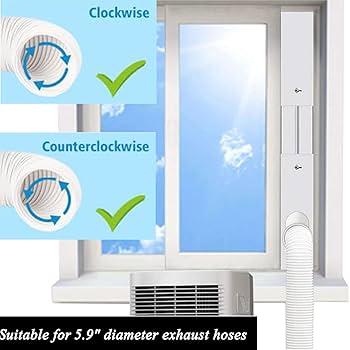
Are you tired of warm air sneaking into your room every time you use your portable air conditioner? Sealing your portable air conditioner window properly can make a huge difference in keeping your space cool and saving energy.
But how do you do it right without spending a fortune or wasting time? You’ll discover simple, effective steps to seal your portable AC window quickly and easily. Keep reading to learn how to stop drafts, improve your AC’s performance, and enjoy a cooler, more comfortable room all summer long.

Credit: www.amazon.ca
Choosing The Right Sealant
Sealing your portable air conditioner window properly keeps air leaks away. Picking the right sealant is important for good results. This guide helps you understand what sealants work best.
Different sealants have unique features. Knowing their types, materials to avoid, and durability helps you choose wisely.
Types Of Sealants
You can find many sealants for air conditioner windows. Each type has pros and cons. Some common ones include silicone, foam, and rubber seals.
- Silicone Sealant:Flexible and waterproof. It sticks well to glass and metal.
- Foam Sealant:Easy to use and fills gaps. Best for irregular window shapes.
- Rubber Seal:Durable and reusable. Works well for sliding windows.
Materials To Avoid
Some materials can damage your window or fail to seal properly. Avoid these to keep your AC efficient and safe.
| Material | Reason to Avoid |
| Masking Tape | Not weatherproof, loses stickiness fast |
| Glue or Adhesive Tape | Can leave residue and damage paint or glass |
| Caulk Not Made for Windows | Cracks easily and does not flex with movement |
Durability And Weather Resistance
Sealants must resist heat, cold, and moisture. Choose one that lasts through seasons without cracking or peeling.
- Check for UV resistance to avoid sun damage.
- Make sure it stays flexible in cold weather.
- Look for waterproof sealants to stop rain leaks.
- Pick products with long-lasting adhesion.

Credit: www.temu.com
Preparing The Window Area
Sealing the window for a portable air conditioner is important. It stops air leaks and keeps your room cool.
Before sealing, prepare the window area carefully. This helps the seal last longer and work better.
Cleaning The Surface
Clean the window frame and surrounding area before sealing. Dirt and dust can stop the seal from sticking well.
Use a cloth with warm soapy water. Wipe the area until it is free from dust and grease.
Measuring The Window Opening
Measure the window opening carefully. This ensures the seal fits the window properly.
- Use a tape measure to get the width and height.
- Measure both the inside and outside of the window.
- Note down the measurements for cutting the seal.
Removing Old Seals
Remove any old seals or weatherstripping from the window. Old seals can stop new ones from sticking well.
Peel off the old seal carefully. Use a scraper if needed to remove sticky residue.
Installing Window Kits
Sealing your portable air conditioner window keeps cool air inside. A window kit helps close gaps and stops warm air from entering.
Installing the window kit correctly improves the unit’s efficiency. Follow these tips for a proper seal and fit.
Selecting Compatible Kits
Choose a window kit that fits your window type and air conditioner model. Kits vary for sliding, double-hung, or casement windows.
- Check the kit’s size range matches your window opening.
- Look for kits that include adjustable panels for a custom fit.
- Use kits designed for your AC model or brand if possible.
- Ensure the kit material is durable and weather-resistant.
Cutting And Fitting Panels
Measure your window opening before cutting the panels. Accurate cuts ensure no gaps or loose fits around the air conditioner hose.
| Panel Measurement | Instructions |
|---|---|
| Width | Measure window width where the kit will sit. Cut panels to fit snugly. |
| Height | Measure window height to cover the full opening. Cut excess material carefully. |
| Hose Opening | Cut a hole for the exhaust hose. Make sure the hole matches the hose size. |
Securing The Kit Properly
Attach the window kit firmly to stop air leaks. Use screws or clips provided with the kit for a stable hold.
- Place panels in the window frame and adjust to fit tightly.
- Fix panels with screws or fasteners included in the kit.
- Seal edges with weather stripping or foam to block gaps.
- Check that the exhaust hose connects securely to the panel.
- Test for air leaks and adjust the kit if needed.
Using Foam Tape And Weatherstripping
Sealing your portable air conditioner window stops warm air from entering. This helps the unit work better and saves energy. Foam tape and weatherstripping are easy tools to make the seal tight.
This guide shows how to use foam tape and weatherstripping to close gaps and keep your room cool.
Applying Foam Tape
Foam tape is soft and sticky. It fills small gaps around the window where air leaks through. Clean the window frame before applying. Cut the tape to fit the edges of the window panel.
- Peel the backing from the tape.
- Press the tape firmly along the window edges.
- Cover all gaps that you see or feel air passing.
- Check the tape is attached with no bubbles or loose ends.
Choosing Weatherstripping Types
Weatherstripping comes in many forms. Each type fits different window styles and gaps. Choose the right one to block air well and last long.
| Type | Use | Material |
| V-strip | Sliding windows | Plastic or metal |
| Foam | Irregular gaps | Polyurethane |
| Rubber | Heavy-duty sealing | EPDM rubber |
| Felt | Draft control | Wool or synthetic |
Ensuring A Tight Fit
Make sure the seal is tight to keep cool air inside. Check the window after installing foam tape and weatherstripping. Adjust if you see light or feel air leaks.
- Close the window fully and press weatherstripping in place.
- Look for gaps where light shines through.
- Add extra foam tape or weatherstripping if needed.
- Test the air conditioner to confirm less warm air enters.
Sealing Gaps And Cracks
Portable air conditioners need a tight seal around the window. Gaps and cracks let hot air in and cool air out. Sealing these openings helps the unit work better and saves energy.
Use simple materials like caulk and silicone to close gaps. Check carefully for small holes and leaks that might reduce cooling efficiency.
Using Caulk And Silicone
Caulk and silicone are great for sealing window gaps. They stick well and keep air from escaping. Choose a weatherproof type for outside use.
Clean the window frame before applying. Smooth the caulk or silicone along the cracks. Let it dry fully before using the air conditioner.
- Remove old sealant first
- Use a caulking gun for even application
- Wear gloves to keep hands clean
- Allow 24 hours to dry
Filling Small Openings
Small openings can let in warm air and bugs. Use foam strips or weatherstripping to fill these spaces. They are easy to cut and fit.
Check the edges of the air conditioner vent and window frame. Press the foam firmly to seal all small cracks and holes.
- Measure openings before cutting foam
- Use adhesive foam for better hold
- Replace foam if it becomes worn
- Seal gaps around power cords too
Checking For Air Leaks
After sealing, check for air leaks around the window. Feel for cold or warm air with your hand. Use a flashlight to spot cracks in low light.
You can also use a smoke stick or incense near edges. Watch the smoke to see if it moves, which shows air leaks. Fix any leaks with more sealant or foam.
- Test on a windy day for best results
- Check both inside and outside the window
- Seal leaks promptly to keep cool air in
- Repeat checks each season
Maintaining The Seal
Sealing your portable air conditioner window keeps your home cool and energy efficient. A good seal stops warm air and bugs from entering.
Regular care helps the seal last longer and work better. Check the seal often to catch problems early.
Regular Inspections
Look at the seal around your air conditioner window every few weeks. Check for cracks, gaps, or loose parts. Small issues can cause big leaks.
Use a flashlight to see tight spots. Also, feel for air leaks by placing your hand near the seal while the unit runs.
Cleaning And Reapplying Sealant
Dirt and dust reduce the seal’s strength. Clean the seal with mild soap and water every month. Dry it fully before reapplying any sealant.
If the seal looks worn or cracked, remove old sealant and apply a new layer. Use weatherproof sealant for best results.
- Clean seal with soft cloth and mild soap
- Remove loose or cracked sealant carefully
- Apply new sealant evenly along edges
- Let sealant dry as directed on the package
Handling Seasonal Changes
Seasonal weather can affect your window seal. Cold winters can make sealant brittle. Hot summers can soften it.
Before summer or winter, inspect the seal and fix any damage. Remove the air conditioner during off-season and store it properly.
- Check seal for damage before summer and winter
- Replace old or cracked sealant each season
- Store air conditioner in a dry place when not in use
- Cover window opening to keep out drafts and pests
Troubleshooting Common Issues
Sealing a portable air conditioner window may seem simple. Still, some common problems can affect its performance. This guide helps you fix these issues quickly.
Understanding how to handle moisture, loose panels, and airflow can improve your unit’s efficiency and comfort.
Dealing With Moisture Build-up
Moisture can collect around the window seal, causing drips and damage. This happens when warm air meets cold surfaces.
- Check for gaps where humid air enters.
- Use weather stripping to seal openings.
- Install a moisture absorber near the window.
- Ensure the drain hose is properly placed to remove water.
- Run the air conditioner in dehumidify mode if available.
Fixing Loose Panels
Loose panels around the window can cause air leaks and reduce cooling power. Tightening or replacing parts fixes this issue.
| Problem | Solution |
| Panel moves easily | Use screws or brackets to secure it |
| Cracks or damage | Replace the panel or use a sealant |
| Gaps between panel and window | Add weather stripping or foam tape |
Improving Airflow Efficiency
Good airflow helps the air conditioner cool better. Blockages or poor sealing reduce efficiency.
Try these tips to boost airflow:
- Keep the vent hose straight and free of kinks.
- Close gaps around the hose connection.
- Use a vent cover to prevent outside air from entering.
- Clean or replace air filters regularly.
- Position the unit away from walls and furniture.

Credit: www.amazon.ca
Frequently Asked Questions
How Do I Properly Seal A Portable Ac Window Kit?
To seal a portable AC window kit, first measure the window opening accurately. Attach the window panel securely and fit the exhaust hose. Use weather stripping or foam tape around edges to prevent air leaks. Finally, apply caulking or sealant for a tight, energy-efficient seal.
What Materials Are Best For Sealing Ac Window Gaps?
The best materials are weather stripping, foam tape, and caulking. These materials block air leaks and are easy to install. Weather stripping cushions gaps, foam tape fills narrow spaces, and caulking seals hard-to-reach edges. Together, they improve efficiency and keep outside air out.
Can Sealing A Portable Ac Window Reduce Energy Costs?
Yes, sealing a portable AC window reduces energy costs. It prevents cool air from escaping and blocks hot air from entering. This reduces the AC’s workload and power consumption. Proper sealing improves cooling efficiency and lowers electricity bills during hot seasons.
How To Prevent Moisture Buildup Around Sealed Ac Windows?
Prevent moisture buildup by ensuring proper ventilation and sealing. Use a dehumidifier if needed. Apply waterproof sealant around the window edges to block rain and humidity. Regularly check and maintain seals to avoid condensation and mold growth near your portable AC window.
Conclusion
Sealing a portable air conditioner window is simple and effective. Start by selecting the right sealing method. It could be weatherstripping or a window seal kit. Ensure the window is clean and dry before sealing. Follow instructions carefully for the best fit.
A well-sealed window enhances efficiency. It keeps cool air in and hot air out. This saves energy and reduces costs. Enjoy a comfortable home environment. Breathe easy knowing your air conditioner works optimally. Remember, regular checks keep seals effective. Stay cool and save money with these simple steps.