Have you ever wondered what makes your home air conditioner cool the air so effectively? The secret lies in a special substance called refrigerant.
Understanding what refrigerant is used in your air conditioner can help you take better care of your system and even save money on energy bills. You’ll discover the common types of refrigerants, why they matter, and how they impact your comfort at home.
Keep reading to unlock the cool truth behind your air conditioner!
Common Refrigerants In Home Acs
Home air conditioners use special fluids called refrigerants. These fluids help cool your home by moving heat outside. Different types of refrigerants have been used over the years.
Some refrigerants are being phased out because they harm the environment. New types offer better cooling and less damage. Let’s look at the common ones used today and in the past.
R-22 And Its Phase-out
R-22 was a popular refrigerant for many years. It helped cool homes effectively. But R-22 damages the ozone layer, which protects Earth from harmful sun rays.
Because of this damage, governments started to phase out R-22. New air conditioners no longer use it. Older units with R-22 need special care to avoid leaks.
Rise Of R-410a
R-410A replaced R-22 in most new home air conditioners. It does not harm the ozone layer. R-410A cools more efficiently, saving energy and money.
- Does not damage the ozone layer
- Works better at higher pressures
- Improves energy efficiency
- Widely available for new AC units
Emerging Alternatives
New refrigerants are being developed to reduce environmental impact. Some have low global warming potential (GWP). These help fight climate change.
| Refrigerant | Ozone Impact | Global Warming Potential |
|---|---|---|
| R-32 | None | Low |
| R-454B | None | Very Low |
| R-290 (Propane) | None | Very Low |

Credit: refrigerantscenter.com
Properties Of Popular Refrigerants
Home air conditioners use different refrigerants to cool air. Each refrigerant has its own properties. These affect how well it cools, its impact on the environment, and its safety.
Understanding these properties helps choose the right refrigerant for home use. The most common refrigerants today include R-410A, R-22, and newer options like R-32.
Cooling Efficiency
Cooling efficiency shows how well a refrigerant moves heat. Higher efficiency means less energy use. This lowers electricity bills and reduces wear on the system.
- R-410A cools better than older R-22 refrigerant.
- R-32 offers even higher efficiency than R-410A.
- Efficiency depends on the system design and refrigerant type.
Environmental Impact
Refrigerants can harm the environment in two main ways: ozone layer damage and global warming. Some refrigerants deplete ozone, while others have high global warming potential (GWP).
- R-22 harms the ozone layer and is being phased out.
- R-410A does not hurt ozone but has high GWP.
- R-32 has lower GWP, making it more eco-friendly.
Safety Considerations
Safety depends on how flammable and toxic a refrigerant is. Most home air conditioner refrigerants have low toxicity. Flammability varies and requires care during handling.
- R-22 and R-410A are not flammable and safe under normal use.
- R-32 is mildly flammable and needs extra precautions.
- Proper installation and maintenance reduce safety risks.
Choosing The Right Refrigerant
Picking the right refrigerant is important for your home air conditioner. It affects how well the unit cools and how safe it is.
Different refrigerants have different properties. You need to choose one that fits your needs and rules.
Compatibility With Ac Units
Not all refrigerants work with every air conditioner. The system must match the type of refrigerant used.
Using the wrong refrigerant can damage the compressor or reduce efficiency. Check the AC manual for recommended refrigerants.
- Older AC units often use R-22 refrigerant
- Newer models commonly use R-410A or R-32
- Some units require special refrigerants for safety
Regulatory Compliance
Laws control which refrigerants you can use. These rules help protect the environment.
Some refrigerants harm the ozone layer or increase greenhouse gases. Check local rules before buying.
- R-22 is being phased out due to ozone damage
- R-410A is common but has a higher global warming potential
- New refrigerants like R-32 have lower environmental impact
Cost Factors
Refrigerant prices vary depending on type and availability. This affects the overall cost of your AC.
Some refrigerants are cheaper but less efficient. Others cost more but save energy in the long run.
- R-22 is expensive and hard to find
- R-410A is moderately priced and widely available
- R-32 may cost more initially but is energy efficient

Credit: www.searsheatingcooling.com
Maintaining Refrigerant Levels
Home air conditioners use refrigerants to cool your house. Keeping the right amount of refrigerant is very important. Low refrigerant can cause the system to work harder and use more energy.
Checking and maintaining refrigerant levels helps your air conditioner run smoothly. It also extends the life of the system and keeps your home comfortable.
Signs Of Low Refrigerant
Low refrigerant can make your air conditioner less effective. You might notice your home does not get as cool as before. The system may run longer without cooling well.
Other signs include ice forming on the coils and strange noises from the unit. Your energy bills might also increase because the system works harder.
- Weak or warm air from vents
- Longer cooling cycles
- Ice buildup on coils
- Hissing or bubbling sounds
- Higher electricity bills
Refilling Procedures
Refilling refrigerant requires special tools and skills. First, a technician checks the current refrigerant level with gauges. If the level is low, they add the correct type and amount of refrigerant.
The process must follow safety rules and environmental laws. Overfilling or underfilling can harm the system or reduce efficiency.
- Check refrigerant pressure with gauges
- Add the proper refrigerant type (usually R-410A)
- Fill to manufacturer’s recommended level
- Test system for leaks and performance
Professional Servicing
Handling refrigerants is tricky and regulated by law. A trained professional should service your air conditioner. They have the tools to find leaks and refill refrigerants safely.
Regular professional checks keep your system in good shape. They help avoid costly repairs and keep your home cool and comfortable.
- Certified technicians handle refrigerant safely
- Leak detection prevents future problems
- Routine maintenance improves system lifespan
- Proper disposal protects the environment
Future Trends In Refrigerants
Refrigerants in home air conditioners are evolving fast. New types focus on safety and the environment.
These changes affect how air conditioners work and what chemicals they use. Let’s explore the main trends.
Low Global Warming Potential Options
New refrigerants aim to reduce global warming effects. They have lower global warming potential (GWP) than older types.
- Hydrofluoroolefins (HFOs) have very low GWP.
- Natural refrigerants like propane (R290) and CO2 are gaining use.
- Blends of different refrigerants improve performance and safety.
Technological Innovations
New technology helps use eco-friendly refrigerants safely and efficiently. Innovations improve cooling power and energy use.
| Innovation | Benefit |
| Variable-speed compressors | Save energy |
| Advanced leak detection | Prevent refrigerant loss |
| Improved heat exchangers | Better cooling |
| Smart controls | Optimize operation |
Impact On Home Ac Designs
New refrigerants and technology change AC design. Some systems become smaller and quieter.
- More compact compressors fit in tight spaces.
- Better insulation reduces energy loss.
- Safer refrigerants allow new placement options.
- Systems adapt to smart home controls.
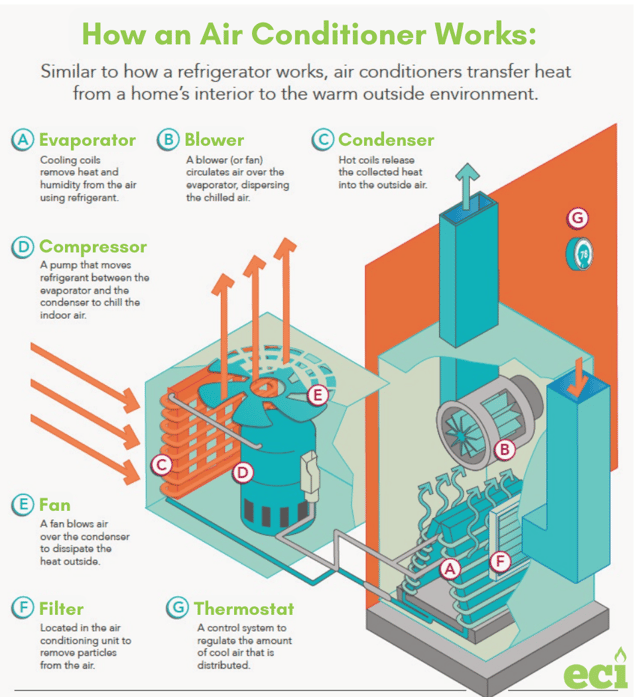
Credit: www.ecicomfort.com
Frequently Asked Questions
What Type Of Refrigerant Is Commonly Used In Home Ac?
Most home air conditioners use R-410A refrigerant. It is efficient, eco-friendly, and non-ozone depleting. R-410A replaced older R-22 due to environmental regulations.
Why Is R-410a Preferred Over Older Refrigerants?
R-410A is safer for the ozone layer and improves energy efficiency. It operates at higher pressure, enhancing cooling performance. This makes it the industry standard today.
Can I Use Any Refrigerant In My Home Ac?
No, always use the refrigerant specified by your AC manufacturer. Using the wrong type can damage the system and void warranties. Proper refrigerant ensures optimal performance.
How Does Refrigerant Affect Air Conditioner Efficiency?
Refrigerant absorbs and releases heat during cooling cycles. The right refrigerant maintains efficient heat transfer, reducing energy consumption. Low or incorrect refrigerant levels lower AC efficiency.
Conclusion
Choosing the right refrigerant keeps your home cool and safe. R-410A is common in modern systems. It’s efficient and environmentally friendly. Older units might use R-22, which is less eco-friendly. Consider upgrading for better efficiency and lower costs. Always consult a professional when handling refrigerants.
Safety first! Proper maintenance ensures your air conditioner runs smoothly. Keep your home comfortable with regular checks. Enjoy a cool and pleasant environment. Understanding refrigerants helps in making informed decisions. Stay informed and keep your home cool efficiently.