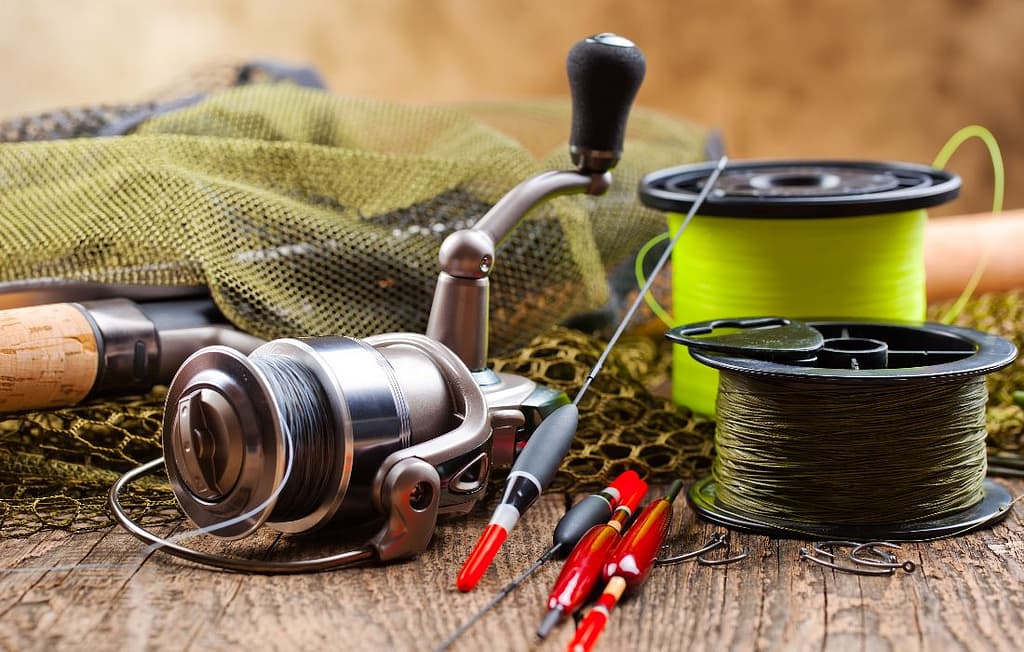
Have you ever stood by the water, ready to cast your line, only to wonder if you have enough fishing line on your reel? Knowing exactly how much fishing line to put on your reel can make all the difference between a successful catch and a frustrating day.
Too little line might mean losing your prize fish, while too much can cause tangles and wasted space. You’ll discover simple tips to help you get the perfect amount of line on your reel every time. Keep reading, and you’ll be casting with confidence like never before.

Credit: www.reddit.com
Choosing The Right Line Capacity
Knowing how much fishing line to put on your reel is important. It helps you catch fish without problems.
Choosing the right line capacity keeps your fishing smooth and safe. It stops line from breaking or tangling.
Reel Size And Line Limits
Reels come in different sizes. Each size holds a certain amount of line.
Check the reel’s label to find its line capacity. This tells you how much line fits on the reel.
- Small reels hold less line and are good for light fishing.
- Medium reels fit a moderate amount of line for general use.
- Large reels hold more line and suit big fish or deep water.
Matching Line Strength To Target Fish
Pick line strength that matches the fish you want to catch. Stronger fish need thicker, stronger line.
Using the right line strength stops breaks and helps land your fish safely.
| Fish Type | Line Strength (pounds) |
|---|---|
| Small fish (e.g., panfish) | 4-8 lbs |
| Medium fish (e.g., bass) | 8-15 lbs |
| Large fish (e.g., pike, muskie) | 15-30 lbs |
| Very large fish (e.g., saltwater species) | 30+ lbs |

Credit: mysterytacklebox.com
Types Of Fishing Lines
Fishing lines come in different materials and styles. Choosing the right one helps you catch more fish.
The main types are monofilament, braided, and fluorocarbon. Each has unique features and uses.
Monofilament Advantages
Monofilament line is made from a single strand of nylon. It is soft and easy to handle.
This line stretches under pressure, which helps prevent the hook from pulling out. It is also cheaper than other lines.
- Good stretch for shock absorption
- Easy to knot and cast
- Works well for beginners
- Affordable price
Benefits Of Braided Line
Braided line is made by weaving many fibers together. It is very strong and thin compared to its strength.
It has almost no stretch, so you feel every bite clearly. Braided line lasts longer and resists cuts well.
- High strength with small diameter
- No stretch for better bite detection
- Very durable and long-lasting
- Good for heavy cover fishing
When To Use Fluorocarbon
Fluorocarbon line is nearly invisible underwater. It sinks faster than other lines, helping the bait go deep quickly.
Use fluorocarbon when fish are shy or in clear water. It resists abrasion and lasts longer in rough spots.
- Clear and hard to see underwater
- Sinks faster for deep fishing
- Good abrasion resistance
- Ideal for clear water conditions
Factors Affecting Line Length
Choosing the right amount of fishing line on your reel is important. Several factors affect how much line you need. Understanding these helps you fish better.
This guide covers key factors that influence line length. You will learn about the fishing environment, rod and reel fit, and casting distance needs.
Fishing Environment Impact
The place where you fish changes how much line you need. Open water requires more line than small streams. Strong currents or deep water need longer line to reach fish.
- Deep lakes or oceans need more line
- Small rivers or ponds need less line
- Heavy weeds or rocks require extra line to avoid snags
- Saltwater fishing often calls for stronger, longer line
Rod And Reel Compatibility
Your rod and reel set limits how much line fits. Each reel has a max line capacity based on line thickness. Using the right line size ensures smooth casting and prevents damage.
| Reel Type | Max Line Length (yards) | Recommended Line Strength (lb) |
| Spinning Reel | 200-300 | 6-12 |
| Baitcasting Reel | 150-250 | 10-20 |
| Fly Reel | 100-200 | 2-8 |
Casting Distance Needs
The distance you want to cast affects line length. Longer casts need more line to avoid shortfalls. Short-range fishing needs less line for control.
Consider these points for casting distance:
- Long casts need extra line on the reel.
- Too much line can cause tangles and reduce accuracy.
- Match line length to the typical range of your fishing spots.
- Practice casting to know the best line amount for your style.
How To Spool Your Reel Properly
Spooling your fishing reel correctly helps you catch more fish. It prevents problems like line tangles and breaks. Follow simple steps to prepare and spool your reel with ease.
This guide covers preparing the reel, avoiding line twists, and maintaining tension while spooling. Each part is important for a smooth fishing experience.
Preparing The Reel
Start by cleaning your reel to remove dirt and salt. Check the reel for any damage or worn parts. Remove old line completely before adding new line. This ensures your reel works well and holds line properly.
- Clean reel with fresh water
- Inspect for cracks or damage
- Remove old fishing line
- Lubricate moving parts if needed
Avoiding Line Twists
Line twists cause knots and weak spots. To avoid twists, let the line come off the spool in the same direction it goes onto the reel. Keep the spool of line facing up or down, not sideways.
| Common Cause | How to Prevent |
| Line coming off spool wrong way | Keep spool upright |
| Reel handle turning backward | Use anti-reverse lock |
| Loose line tension | Maintain steady tension |
Maintaining Tension
Keep firm tension on the line as you spool it. This stops loose loops that cause tangles. Use your fingers or a cloth to hold the line tight. Spool slowly and evenly to fill the reel correctly.
- Attach line to reel spool securely
- Hold line with fingers or cloth
- Turn reel handle slowly
- Check line tightness often
- Fill spool to about 1/8 inch from edge
Signs You Need More Line
Your fishing reel needs enough line to work well. If you have too little line, it can cause problems. Knowing the signs helps you fix the issue quickly.
Check your reel often. Look for these signs that tell you it is time to add more fishing line.
Frequent Line Breakage
Line breakage happens more when your reel has less line. The thin remaining line wears out fast. It can snap easily when casting or pulling fish.
- Line rubs against reel edges more often
- Line tension increases due to less line on spool
- Small fish or debris cause more breaks
- Old, worn sections of line are exposed
Limited Casting Range
With less line, you cannot cast far. The reel stops the line early. This limits your reach in the water. It also lowers your chances to catch fish far away.
| Cause | Effect |
| Low line on spool | Shorter casts |
| Line tangles easily | Interrupted casting |
| Line rubs spool edges | Line damage |
Reduced Control On Big Fish
Big fish pull hard on the line. With less line, you lose control fast. The fish can break free or cause damage to your gear. More line gives you a better fight chance.
- Keep your reel filled to the recommended line level.
- Check line condition before each trip.
- Use the right line strength for your target fish.
- Practice smooth drag adjustment during fight.
Tips To Maximize Catch With Proper Line
Choosing the right amount of fishing line on your reel helps you catch more fish. Too much or too little line can cause problems during fishing.
Using the proper line length and strength improves your chances of landing a big catch. It also makes fishing easier and more fun.
Adjusting Line Based On Species
Different fish need different fishing lines. Small fish need lighter lines while big fish need stronger, thicker lines.
Check the usual size of the fish you want to catch. Use the right line length and strength for that species.
- Light lines for small fish like trout or panfish
- Medium lines for bass or walleye
- Heavy lines for large fish like catfish or pike
Balancing Line Length And Strength
Too much line can cause tangles and drag in the water. Too little line limits your casting distance and control.
Pick a line length that fits your reel size and fishing style. Match the line strength to the fish you expect to catch.
- Keep about 100 to 150 yards of line on a standard reel
- Use stronger line for rough water or heavy cover
- Use lighter line for clear water and shy fish
Regular Line Maintenance
Fishing line can weaken over time from sun, water, and fish bites. Check your line often for damage.
Replace old or damaged line to avoid losing fish. Keep your reel clean and dry to protect the line.
- Look for nicks, frays, or discoloration on the line
- Change line every few months or after heavy use
- Store reels away from direct sunlight and heat

Credit: www.youtube.com
Frequently Asked Questions
How Much Line Should A Fishing Reel Hold?
A fishing reel should hold enough line to match your fishing needs. Typically, 100-300 yards is common. The line capacity depends on reel size and fishing type. Always check the reel’s specifications for exact capacity.
What Line Strength Suits Different Fishing Reels?
Line strength varies by target fish and reel size. Light reels need 4-10 lb test lines; heavier reels handle 20+ lbs. Match line strength with reel drag and fishing conditions for best performance.
How To Measure Fishing Line On A Reel?
To measure line on a reel, use a ruler or line counter. You can spool out the line and measure the length manually. Some reels have line capacity charts to help estimate line length.
Why Is Line Capacity Important For Fishing Reels?
Line capacity affects how far and deep you can fish. More capacity allows longer casts and handling bigger fish. It also prevents line tangles and breakage during fights with fish.
Conclusion
Choosing the right fishing line length is crucial. It affects casting distance and reel performance. For beginners, start with the reel’s recommended capacity. Experienced anglers might adjust based on personal preference and fishing conditions. Remember to check the line regularly for wear and tear.
A well-maintained line ensures a successful fishing trip. Always consider the type of fish and location when deciding. Proper line management leads to better fishing experiences. Happy fishing!