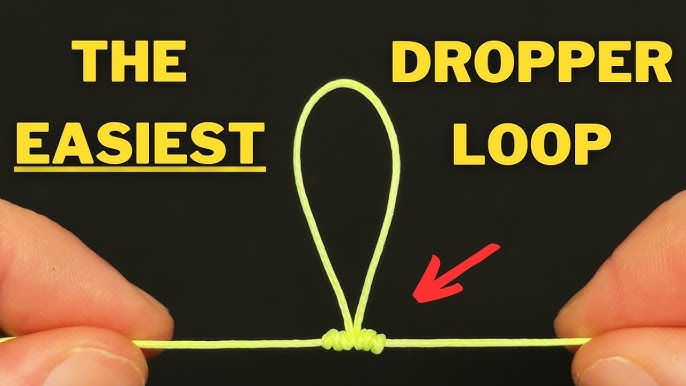
Tying monofilament fishing line can feel tricky at first, but once you learn the right steps, it becomes quick and easy. Imagine how much more confident you’ll feel knowing your knots are strong and secure every time you cast.
Whether you’re a beginner or just want to improve your skills, this guide will show you simple, reliable ways to tie your monofilament line. Keep reading, and you’ll soon be ready to fish like a pro without worrying about your line coming loose.
Choosing The Right Monofilament Line
Picking the right monofilament fishing line helps you catch more fish. It affects your casting, strength, and how well the line lasts.
Different fishing situations need different types of monofilament line. Knowing what to use makes your fishing easier and more fun.
Line Thickness And Strength
Monofilament line thickness is called its diameter. Thicker lines are stronger but less invisible in water. Thin lines are harder to see but can break easier.
Choose the right thickness based on the fish size and water type. Clear water may need thinner lines to avoid spooking fish.
- Thicker line: More strength, less stretch, easy to cast
- Thinner line: Less strength, more stretch, harder to see
- Balance strength and visibility for best fishing results
Types Of Monofilament Lines
Monofilament lines come in different types for specific uses. Some lines are made for extra strength, while others focus on low stretch or high abrasion resistance.
Choose a type that fits your fishing style. Some lines work better in saltwater, others in freshwater. Some are clear, and some have color for visibility.
- Standard Monofilament: Good all-around line, affordable
- Fluorocarbon Coated: Stronger and less visible underwater
- High-Strength: Designed for big fish and heavy cover
- Low-Stretch: Better sensitivity, good for bite detection
- Colored Lines: Easier to see above water
Credit: medium.com
Essential Knots For Monofilament Lines
Tying strong knots is key to successful fishing with monofilament line. The right knot keeps your line secure and helps catch more fish.
Below are three essential knots that work well with monofilament lines. Each knot has simple steps to follow.
Improved Clinch Knot
The Improved Clinch Knot is popular for tying hooks and lures. It is strong and easy to tie.
- Thread the line through the hook eye.
- Wrap the tag end around the standing line five to seven times.
- Pass the tag end through the small loop near the eye.
- Then pass it through the big loop just created.
- Moisten the knot and pull tight.
Palomar Knot
The Palomar Knot is very strong and works well for monofilament. It is great for attaching hooks or swivels.
Follow these steps to tie a Palomar Knot:
- Double about six inches of line and pass it through the hook eye.
- Tie a loose overhand knot with the doubled line.
- Pass the hook through the loop.
- Pull the loop over the hook and slide the knot tight.
- Moisten and pull on the standing line to secure.
Uni Knot
The Uni Knot is versatile and easy to adjust. It works well with monofilament and many fishing rigs.
| Step | Action |
|---|---|
| 1 | Pass the line through the hook eye and double back parallel. |
| 2 | Make a loop by laying the tag end over the doubled line. |
| 3 | Wrap the tag end around the doubled line five times. |
| 4 | Pass the tag end through the loop formed near the eye. |
| 5 | Moisten the knot and pull the tag end to tighten. |
| 6 | Slide the knot down to the eye and pull the standing line tight. |
Step-by-step Knot Tying Guide
Tying a strong knot with monofilament fishing line is important for fishing success. This guide shows easy steps to help you tie the knot correctly.
Follow these instructions to prepare your line, tie the knot, and finish it off for a secure hold.
Preparing The Line
Start by cutting the monofilament line cleanly. Use scissors or a line cutter to avoid frayed ends.
Next, wet the line with water or saliva to reduce friction. This helps the knot tighten smoothly and prevents damage.
Tying The Knot
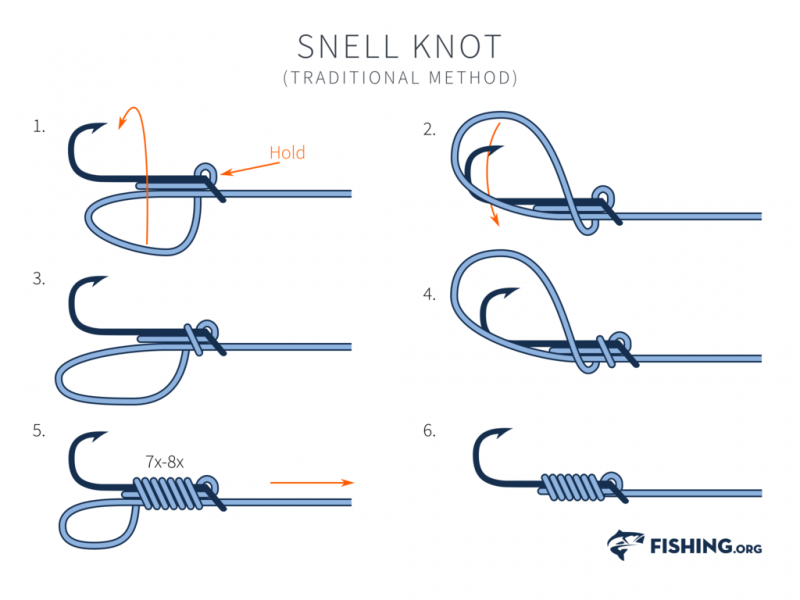
Form a loop by doubling the line back on itself. Pass the tag end through the loop several times.
- Hold the main line and tag end together.
- Wrap the tag end around the main line 5 to 7 times.
- Pass the tag end back through the loop near the eye of the hook.
Pull both ends slowly to tighten the wraps. Make sure the coils are neat and close together.
Securing And Trimming
After the knot is tight, pull firmly to secure it. Check that the knot does not slip or loosen.
Trim the tag end close to the knot. Leave a small bit to prevent the knot from coming undone.
- Use sharp scissors for a clean cut.
- Trim about 1/8 inch from the knot.
- Inspect the knot before fishing.

Credit: www.wikihow.com
Tips For Stronger Knots
Tying knots with monofilament fishing line needs care. Strong knots help keep your catch safe.
Use these tips to make your knots hold better and last longer on the water.
Moistening The Line
Always wet the monofilament before tightening a knot. Moistening stops friction from damaging the line.
- Use water or saliva to moisten the line.
- Apply moisture before pulling the knot tight.
- Keep the knot wet while tightening to avoid heat damage.
Proper Tension Application
Pull the line slowly and evenly when tightening a knot. This keeps the knot strong and secure.
| Tension Tip | Why It Helps |
| Pull line gently | Prevents line from breaking |
| Apply steady pressure | Ensures knot tightens evenly |
| Hold knot firmly | Keeps knot from slipping |
Checking Knot Integrity
Check your knot after tying to avoid failures. A weak knot can cause lost fish or gear.
- Look for any twists or loops that do not look right.
- Test the knot by pulling it hard before casting.
- Retie the knot if it slips or feels loose.
Common Mistakes To Avoid
Tying monofilament fishing line can be tricky. Many anglers make simple mistakes that weaken their knots.
These errors can cause the line to break or slip. Avoiding common mistakes helps you catch more fish.
Overtightening The Knot
Tightening the knot too much can damage the monofilament line. The line may weaken and break under pressure.
Apply firm but gentle pressure when pulling the knot tight. Let the knot settle naturally without forcing it.
- Use steady, controlled tightening
- Avoid jerking or pulling hard
- Wet the line before tightening to reduce friction
Incorrect Knot Selection
Choosing the wrong knot for monofilament can cause slipping or breaking. Some knots work better with this line type.
Use knots designed for monofilament, like the improved clinch or Palomar knot. Avoid knots that suit braided lines only.
- Improved clinch knot: strong and easy to tie
- Palomar knot: reliable and durable
- Avoid knots with too many wraps or twists
Ignoring Line Condition
Old or damaged monofilament weakens knots. Using worn line increases the chance of breakage.
Check your line before tying knots. Replace it if it looks frayed, cracked, or faded from sun exposure.
- Look for discoloration or nicks
- Test line strength by pulling gently
- Store line away from direct sunlight
Maintaining Your Monofilament Line
Taking care of your monofilament fishing line helps it last longer. Good maintenance keeps the line strong and ready for fishing.
Proper storage and regular checks stop damage and reduce the chance of line breakage.
Storage Tips
Store your monofilament line in a cool, dry place away from sunlight. Heat and sun can weaken the line.
Keep the line on a spool or in a sealed container to avoid dust and dirt.
- Avoid storing near chemicals or oils
- Keep the line away from sharp objects
- Use a line spooler to prevent tangles
- Store in a shaded area to prevent UV damage
Regular Line Inspection
Check your monofilament line before every fishing trip. Look for nicks, cuts, or weak spots.
Replace the line if you find damage. Weak lines can break easily and cause lost fish.
- Run your fingers along the line to find rough spots
- Look for discoloration or stiffness
- Test knots to make sure they hold tight
- Cut off damaged sections before use

Credit: www.reddit.com
Frequently Asked Questions
How Do You Tie A Strong Knot With Monofilament Line?
To tie a strong knot, use the Palomar or Improved Clinch knot. These knots maintain line strength and prevent slipping. Always wet the line before tightening to reduce friction and avoid weakening the monofilament.
What Is The Best Knot For Monofilament Fishing Line?
The Palomar knot is widely considered the best for monofilament. It’s simple, strong, and reliable. It preserves up to 95% of line strength, making it ideal for various fishing conditions.
Can I Use Monofilament Line For Heavy Fishing?
Yes, monofilament can be used for heavy fishing if you choose the correct line strength. Higher test lines handle larger fish, but ensure your knots are tied securely to prevent breakage.
How Do I Prevent Monofilament Line From Slipping?
To prevent slipping, use knots like the Improved Clinch or Palomar. Wet the line before tightening and make sure to pull knots firmly. Proper knot tying ensures secure connections and reduces line loss.
Conclusion
Tying monofilament fishing line becomes easy with practice and patience. Follow the steps and soon you’ll tie knots confidently. Remember, practice makes perfect. Use the right tools and take your time. Precision matters when tying knots. Keep the line moist for better strength.
A well-tied knot ensures a successful fishing trip. Enjoy your time on the water and catch plenty of fish. With these simple steps, fishing becomes more enjoyable. Share your new skills with fellow anglers. Happy fishing and tight lines!