Is your window air conditioner not cooling like it used to? You might be dealing with low Freon levels.
Knowing how to put Freon in your window unit can save you time, money, and discomfort during hot days. In this guide, you’ll learn simple, step-by-step instructions to recharge your AC safely and effectively. By the end, you’ll feel confident getting your unit back to peak performance without calling a professional.
Keep reading to take control of your comfort today!
Signs Your Ac Needs Freon
Your window unit air conditioner may need Freon if it does not cool properly. Freon is the refrigerant that helps your AC cool the air. Without enough Freon, the AC can struggle to keep your room cold.
It is important to watch for signs that show your AC might be low on Freon. Catching these signs early can help you fix the problem before it gets worse.
Poor Cooling Performance
If your AC blows warm or less cold air than usual, it might need Freon. Low refrigerant means the AC cannot remove heat from the air well. This causes your room to stay warmer than you want.
Check if the air feels weaker or if the AC runs longer but still does not cool. These are signs of low Freon levels in your unit.
Ice Buildup On Coils
Ice or frost on the AC coils is a common sign of low Freon. When the refrigerant is low, the coils get too cold and cause moisture to freeze. This ice blocks airflow and reduces cooling.
Look for ice on the copper tubes or around the evaporator coil inside your AC unit. If you see ice, it likely needs a Freon refill.
Hissing Sounds
A hissing or bubbling sound near your AC unit can mean a Freon leak. The sound comes from escaping refrigerant gas. Leaks lower the Freon level and hurt your AC’s cooling ability.
If you hear hissing, turn off your AC and get it checked. Recharging Freon without fixing the leak will not solve the problem.
Safety Precautions
Adding Freon to a window unit air conditioner can improve its cooling. Safety is very important when handling Freon. Follow these precautions to stay safe.
Freon is a chemical that can harm you and the environment. Use care and protect yourself while working.
Wear Protective Gear
Always wear gloves and safety goggles when handling Freon. This protects your skin and eyes from burns and irritation.
Wear long sleeves and pants to avoid direct contact with the chemical. Freon can cause frostbite if it touches your skin.
Work In A Ventilated Area
Use Freon only in well-ventilated places. This helps prevent harmful gas buildup.
Open windows and doors or work outside. Avoid working in small, closed rooms to reduce risk of breathing in fumes.
Avoid Overcharging
Too much Freon can damage your air conditioner. It can also cause leaks and harm the environment.
Check your unit’s manual for the correct amount of Freon. Use a gauge to measure and add only the needed amount.
Tools And Materials Needed
Adding Freon to a window unit air conditioner requires certain tools. These tools help you do the job safely and correctly.
Gathering the right materials before you start will save time and avoid mistakes.
Freon Refrigerant Can
The Freon refrigerant can contains the gas needed to refill the AC unit. It usually comes with a valve for easy control.
Make sure to use the type of Freon recommended by your air conditioner’s manufacturer.
- Check the label for the correct refrigerant type
- Use cans with a built-in valve for safety
- Store cans upright and in a cool place
Ac Manifold Gauge Set
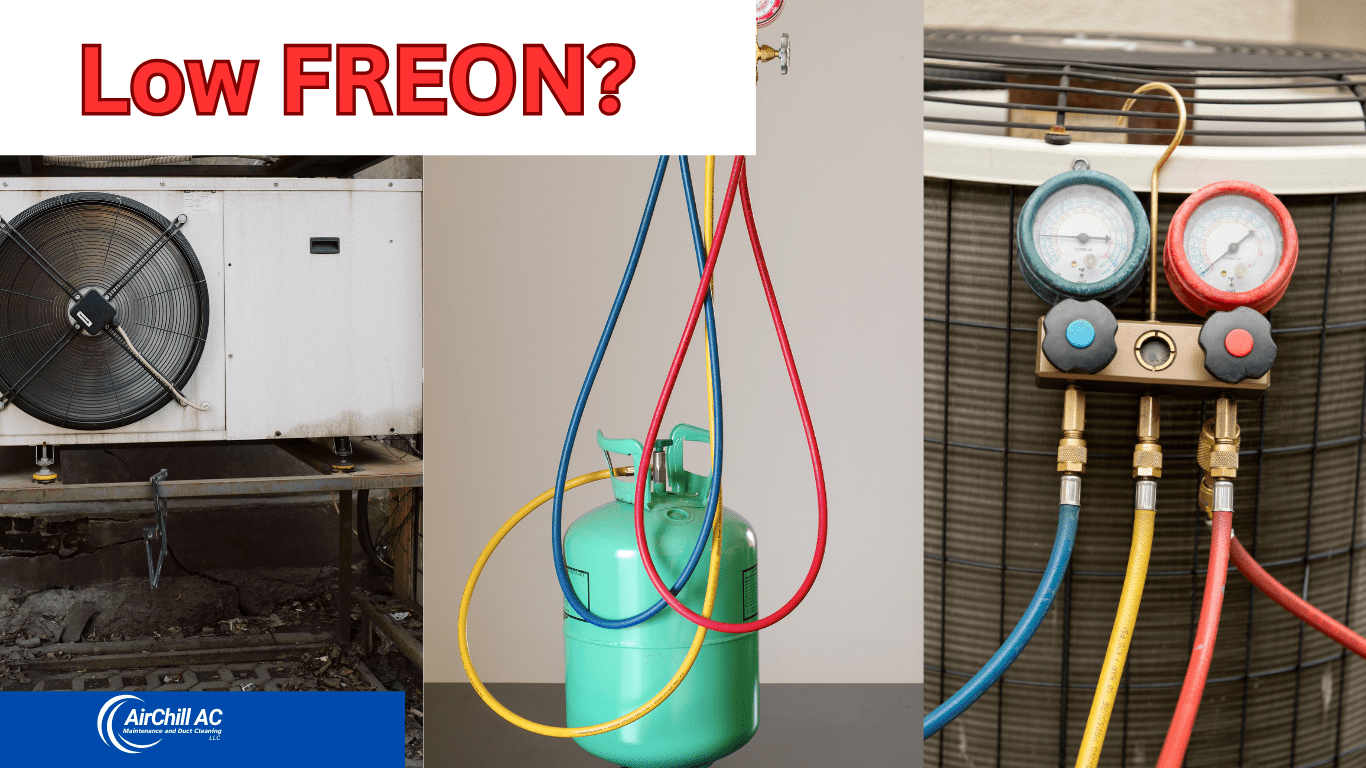
An AC manifold gauge set measures pressure in the air conditioner system. It helps you see if the unit needs more Freon.
The set usually has two gauges and hoses to connect to the AC unit.
- High-pressure gauge shows the system’s pressure
- Low-pressure gauge helps monitor suction side
- Color-coded hoses connect to the AC valves
Leak Detector
A leak detector finds holes or cracks where Freon might escape. This tool prevents loss of refrigerant and damage to the AC unit.
Leak detectors can be electronic or use a special dye to spot leaks.
- Electronic detectors beep near leaks
- Dye kits require a UV light to see leaks
- Check all connections and hoses carefully

Credit: www.youtube.com
Locate The Service Port
Putting Freon into a window unit air conditioner needs care. First, you must find the service port on the unit.
The service port is where you add Freon safely. Knowing its location helps you recharge the unit properly.
Identify Low-pressure Valve
The low-pressure valve is the right place to add Freon. It controls how much refrigerant enters the unit.
This valve is usually on the larger pipe connected to the air conditioner. It is often near the compressor.
- Look for a metal pipe about 3/8 inch wide
- The valve has a small cap or cover
- It is different from the high-pressure valve, which is smaller
Remove Protective Cap
Before adding Freon, take off the protective cap from the low-pressure valve. This cap keeps dirt out.
Use your hand to twist the cap counterclockwise. Keep it safe so you can put it back later.
- Clean the valve area if it is dirty
- Remove the cap slowly to avoid damage
- Check the valve for leaks before adding Freon
Attach The Gauge Set
Attaching the gauge set is an important step to add Freon to your window unit air conditioner. It helps measure the pressure inside the system.
Make sure you have the right tools and follow safety rules before you start.
Connect To Low-pressure Port
Find the low-pressure port on your air conditioner. This port is usually smaller and marked with an “L.”
Attach the blue hose from your gauge set to this port. Push it on firmly to avoid leaks.
- Wear gloves to protect your hands
- Check the hose for cracks or damage
- Make sure the connection is tight and secure
Check For Leaks
After attaching the gauge set, check all connections for leaks. Leaks can cause Freon to escape and reduce cooling.
You can use soapy water on the connections. Look for bubbles that show escaping gas.
- Apply soapy water to hoses and ports
- Watch closely for bubbles forming
- Tighten any loose connections if you see bubbles
- Replace damaged hoses immediately

Credit: www.youtube.com
Add Freon To The Unit
Adding Freon to a window air conditioner helps it cool better. You must follow safe steps to avoid damage. This guide shows how to add Freon properly.
Use the right tools and check the instructions on your Freon can. Always work in a well-ventilated area to avoid inhaling gases.
Shake The Can
Before adding Freon, shake the can well. This mixes the chemicals inside for better flow. Shake for about 30 seconds to ensure even pressure.
Release Freon Slowly
Open the valve on the can slowly. Adding Freon too fast can harm the air conditioner. Control the flow to avoid overcharging.
- Attach the hose to the valve carefully
- Turn the valve slightly to start release
- Watch the pressure gauge while adding
- Stop if the pressure rises too fast
Monitor Pressure Levels
Keep an eye on the pressure gauge during the process. The right pressure ensures the unit works efficiently and safely.
| Pressure Level (psi) | Condition |
| 30 – 40 | Normal operating range |
| Below 30 | Needs more Freon |
| Above 40 | Too much Freon, stop adding |
Check Ac Performance
After adding Freon to your window unit air conditioner, check its performance. This helps ensure the unit cools properly and runs smoothly.
Focus on simple tests like measuring temperature drop and listening for unusual noises. These give clues about the AC’s condition.
Measure Temperature Drop
Measure the temperature drop between the air entering and leaving the AC unit. A good temperature drop shows the unit cools well.
- Use a thermometer to check the room air going into the unit.
- Check the air temperature coming out of the unit’s vents.
- Subtract the output temperature from the input temperature.
- A drop of 15 to 20 degrees Fahrenheit means the AC is working right.
- Less than 10 degrees may mean low Freon or other issues.
Listen For Unusual Noises
Strange sounds can signal problems inside the AC. Listen carefully while the unit runs.
| Noise | Possible Cause |
| Hissing or bubbling | Freon leak |
| Grinding or scraping | Damaged motor or fan |
| Rattling | Loose parts |
| Clicking | Electrical issues |
Seal And Clean Up
After adding Freon to your window air conditioner, it is important to properly seal and clean up. This helps keep your unit safe and working well.
Follow these steps carefully to remove equipment, close valves, and handle leftover materials correctly.
Remove Gauges
First, turn off the air conditioner and close the valve on the Freon tank. Next, slowly remove the gauges from the unit’s service ports. Do this carefully to avoid any Freon leaks.
Replace Valve Cap
Once the gauges are removed, replace the valve cap on the service port. This seals the system and prevents Freon from escaping. Make sure the cap is tight and secure to maintain the seal.
- Check the valve cap for cracks or damage before replacing.
- Tighten the cap by hand and then give it a slight turn with a wrench.
- Do not over-tighten, as this can damage the valve.
Dispose Of Materials Properly
After servicing, you must dispose of any leftover materials in a safe way. This protects the environment and follows legal rules.
| Material | Disposal Method |
|---|---|
| Empty Freon Tank | Return to supplier or certified recycling center |
| Used Gauges or Hoses | Recycle if possible or discard at hazardous waste facility |
| Protective Gloves | Dispose in regular trash if uncontaminated |
Credit: airchillac.com
Frequently Asked Questions
How Do I Know If My Window Ac Needs Freon?
If your AC isn’t cooling well or is leaking, it may lack Freon. Check for ice buildup or hissing sounds. A professional can confirm low refrigerant levels using gauges.
Can I Add Freon To My Window Ac Myself?
Yes, you can add Freon yourself if you have the right tools and knowledge. However, improper handling can damage the unit or be unsafe. Follow manufacturer instructions carefully or consult a professional.
What Type Of Freon Is Best For Window Ac Units?
Most window ACs use R-22 or R-410A refrigerants. Check your unit’s label for the exact type. Using the wrong Freon can damage your air conditioner and reduce efficiency.
How Much Freon Should I Add To My Ac Unit?
The amount varies by unit size and model. Refer to your AC’s manual for specific charging amounts. Overcharging can harm the compressor and reduce cooling performance.
Conclusion
Adding Freon to your window unit can be straightforward. Always prioritize safety first. Use the right tools and follow instructions carefully. Regular maintenance keeps your air conditioner running smoothly. Proper care extends its life and boosts performance. Remember, professional help is available if needed.
Avoid DIY if you’re unsure. Air conditioners are vital for comfort, especially in summer. Keep them in top shape for a cooler home. Stay cool and enjoy the comfort of a well-maintained unit. Your efforts will pay off in energy savings and comfort.