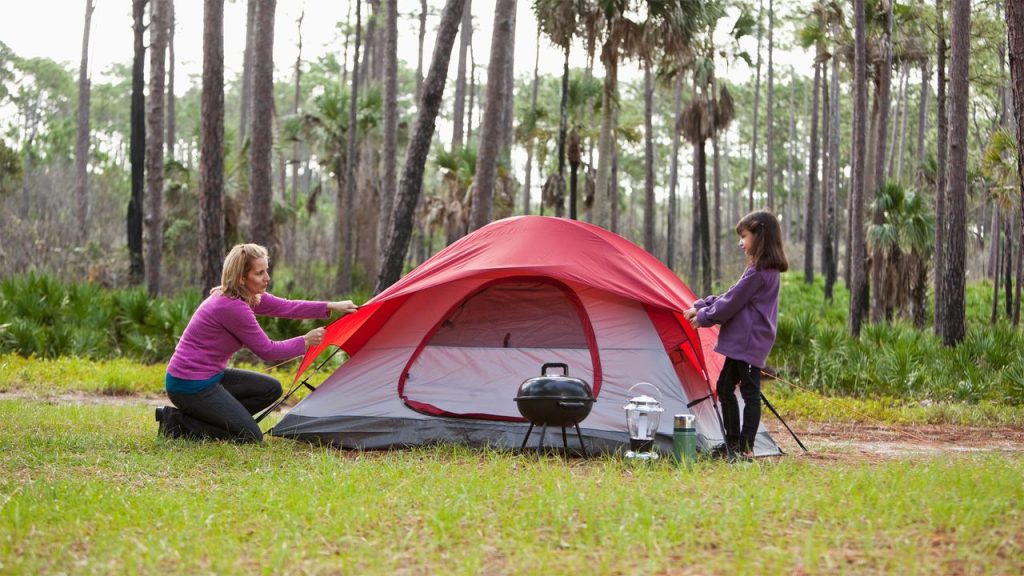
Have you ever heard someone say, “Let’s pitch a tent,” and wondered what exactly that means? Whether you’re planning a camping trip or just curious about outdoor lingo, understanding this phrase can make a big difference.
You might think it’s simple, but there’s more to it than just setting up a tent. Keep reading, and you’ll discover what “pitch a tent” really means, why it matters, and how you can do it right the next time you head outside.
This little phrase could change the way you experience nature—and your next adventure.
Pitch A Tent Meaning
The phrase “pitch a tent” is often heard in casual talks and stories. It can mean setting up a campsite or something else depending on the context.
Understanding its meaning helps you use it correctly in conversations or writing.
Origin Of The Phrase
“Pitch a tent” comes from camping language. It means to set up a tent by driving stakes into the ground and stretching the fabric tight.
- The word “pitch” means to throw or set firmly.
- The phrase dates back to the early 1800s when camping became popular.
- It was used by soldiers, travelers, and campers.
Literal Vs Figurative Uses
Literally, “pitch a tent” means to put up a tent outdoors. Figuratively, it can mean to stay or settle in one place temporarily.
| Use Type | Meaning | Example |
| Literal | Set up a camping tent | We pitched a tent near the lake. |
| Figurative | Stay or settle temporarily | She pitched a tent in the city for a few months. |
| Figurative (Slang) | Describe an erection of a tent-like shape | He joked about pitching a tent during the movie. |

Credit: www.yahoo.com
Choosing The Right Campsite
Pitching a tent means setting up a temporary shelter outdoors. Choosing the right campsite is important for a good experience.
A good campsite keeps you safe and comfortable. Look for spots that meet your needs and protect you from weather.
Location Factors
Pick a campsite near water but not too close. Water is useful for drinking and cooking.
Consider how far the spot is from trails or roads. A quiet place helps you rest better.
- Near clean water sources
- Close to trails but not too noisy
- Protected from strong winds
- Easy to find and access
Terrain And Ground Conditions
Choose flat ground to keep your tent steady. Avoid slopes that can cause discomfort or water flow.
Check the soil type. Soft soil is easier to stake your tent into. Rocky or sandy ground can be hard to secure.
- Flat and level surface
- Soft soil for tent stakes
- Avoid rocky or uneven spots
- Clear of sharp objects or debris
Safety Considerations
Avoid camping under dead tree branches or near unstable cliffs. These can fall and cause injury.
Look out for signs of wildlife activity. Stay away from animal paths or dens to avoid surprise encounters.
- Stay away from dead branches or unstable trees
- Avoid low areas that flood easily
- Keep distance from animal trails and dens
- Check for insect nests or hazards
Tent Types And Features
The phrase “pitch a tent” means to set up a tent for camping. Tents come in many types and styles. Each type has its own features for different needs.
Understanding tent types helps you choose the right one. You can learn about the materials used and how strong they are. This guide covers key tent types and their features.
Backpacking Tents
Backpacking tents are light and compact. They are easy to carry on long hikes. These tents focus on weight and quick setup. Most have simple designs with strong poles.
- Lightweight fabrics to reduce weight
- Small packed size for easy transport
- Good ventilation to prevent moisture
- Strong enough to handle wind and rain
Family Tents
Family tents are larger and roomy. They fit several people and gear inside. These tents often have multiple rooms or sections. They provide comfort for longer stays.
- Extra space for sleeping and storage
- Multiple doors and windows for airflow
- Heavier and bulkier than backpacking tents
- Easy to set up with strong frames
Materials And Durability
Tents use different materials for fabric and poles. These materials affect weight, strength, and weather resistance. Durability is important for lasting use outdoors.
| Material | Use | Benefit |
|---|---|---|
| Nylon | Tent fabric | Lightweight and water-resistant |
| Polyester | Tent fabric | Durable and UV resistant |
| Aluminum | Poles | Strong and lightweight |
| Fiberglass | Poles | Inexpensive but heavier |

Credit: www.trail.co.uk
Essential Gear For Tent Setup
Pitching a tent means setting up a portable shelter outdoors. It requires some key gear to make the process smooth and safe.
Using the right tools helps protect your tent and keeps it stable during your stay.
Poles And Stakes
Poles hold the tent upright and shape it. Stakes secure the tent to the ground. Both are vital for a strong setup.
- Tent poles are usually made from aluminum or fiberglass.
- Choose stakes that fit the ground type—metal for hard ground, plastic for soft soil.
- Always carry extra stakes in case some bend or break.
Ground Tarps
Ground tarps protect your tent floor from moisture, dirt, and sharp objects. They add comfort and extend your tent’s life.
| Type | Use | Material |
| Basic Tarp | Under tent for ground protection | Polyethylene |
| Footprint | Exact tent floor size, custom fit | Ripstop nylon |
| Heavy Duty | Extra protection on rough terrain | Canvas or thick polyester |
Mallets And Ropes
A mallet helps drive stakes into the ground without damage. Ropes secure the tent and add stability in wind.
- Use a rubber or wooden mallet to avoid bending stakes.
- Carry extra ropes for guy lines to improve tent hold.
- Choose ropes that resist fraying and stretch.
Step-by-step Tent Setup
Pitching a tent means setting it up for camping or shelter. It involves several steps to make sure the tent stands firm and safe.
This guide explains how to prepare the site, assemble the tent, and secure it properly for a good camping experience.
Preparing The Site
Choose a flat, dry area free of rocks and debris. Clear the ground so the tent lays smoothly. Check for overhead branches or hazards.
- Find a level spot to avoid water pooling
- Remove sticks, stones, and sharp objects
- Look for natural windbreaks like trees or hills
- Check the ground for ants or insects
Assembling The Tent
Lay out the tent fabric flat on the ground. Connect the poles as instructed. Insert poles into tent sleeves or clips to shape the tent.
| Task | Details |
| Spread Tent | Place tent with door facing desired direction |
| Join Poles | Assemble poles fully before attaching |
| Insert Poles | Slide poles into sleeves or attach clips |
| Raise Tent | Lift poles to stand tent upright |
Securing The Tent
Fasten the tent firmly to the ground to keep it stable. Use stakes and guy lines for extra support in windy conditions.
- Push stakes into the ground at tent loops
- Tighten guy lines and attach to nearby anchors
- Check all zippers and vents for proper closure
- Adjust tension to remove wrinkles and sagging

Credit: www.yahoo.com
Common Mistakes To Avoid
Pitching a tent seems simple but many make mistakes. These errors can cause problems during camping.
Knowing what to avoid helps you set up your tent safely and comfortably. Here are common mistakes.
Improper Site Selection
Choosing the wrong spot causes trouble. Avoid rocky, uneven, or low areas that flood easily.
Look for flat ground with good drainage. Avoid places near dead trees or sharp branches.
- Don’t pitch on steep slopes
- Avoid soft or sandy soil
- Stay clear of animal paths
- Pick a spot away from water pools
Incorrect Pole Assembly
Assembling poles wrong causes tents to collapse or tear. Follow the instructions carefully.
Make sure poles fit tightly and lock in place. Check for broken or bent poles before setup.
- Match poles to tent sections
- Secure all clips and fasteners
- Test stability before staying inside
Ignoring Weather Conditions
Bad weather can ruin camping if you ignore it. Wind, rain, or cold affect tent safety.
Check weather before camping. Use extra stakes in windy areas and waterproof covers in rain.
- Set up tent with door facing away from wind
- Use rain fly to keep dry
- Clear snow or debris from tent roof
Maintaining Your Tent
Taking care of your tent helps it last longer and stay safe. Proper maintenance keeps it clean and ready for your next trip.
Learn how to clean, store, and repair your tent to protect your investment and enjoy many adventures.
Cleaning Tips
Clean your tent after every trip to remove dirt and moisture. Use mild soap and cold water to avoid damage. Avoid washing machines or harsh chemicals.
- Brush off dirt and leaves before cleaning
- Spot clean stains with a soft cloth
- Rinse thoroughly to remove soap
- Let your tent dry completely before packing
Storage Best Practices
Store your tent in a cool, dry place to prevent mold and mildew. Avoid leaving it in direct sunlight for long periods.
| Storage Tip | Why It Helps |
|---|---|
| Keep tent loosely folded or hung | Prevents fabric creases and damage |
| Use breathable storage bags | Allows airflow to reduce moisture |
| Check tent monthly | Detects early signs of damage or pests |
Repairing Damage
Fix tears and broken zippers quickly to avoid bigger problems. Use repair kits made for tents for best results.
- Patch small holes with fabric tape or patches
- Replace broken poles with spares
- Lubricate zippers to keep them working smoothly
- Seal seams to prevent leaks
Camping Etiquette Around Tents
Pitching a tent is a key part of camping. It means setting up your shelter for the night. Good camping etiquette helps everyone enjoy their time outdoors.
Respecting others and nature is important. Follow simple rules to keep the campsite safe and peaceful for all campers.
Respecting Privacy
Campers should keep a good distance between tents. This space gives everyone privacy and comfort. Avoid walking through other campsites without permission.
- Set up your tent at least 10 feet from others
- Use a quiet voice near tents
- Do not look into other tents or campsites
- Ask before borrowing items from neighbors
Noise Control
Keep noise low, especially at night. Loud sounds can disturb wildlife and fellow campers. Use headphones for music and keep conversations soft.
| Time | Noise Level |
| Daytime (7 AM – 9 PM) | Moderate |
| Nighttime (9 PM – 7 AM) | Quiet |
Leave No Trace Principles
Leave your campsite as you found it or better. This helps protect nature and keeps the area clean for others. Always pack out what you bring in.
- Dispose of trash in proper bins or take it with you
- Do not damage plants or trees near your tent
- Use established fire rings or stoves
- Respect wildlife by observing from a distance
Frequently Asked Questions
What Does “pitch A Tent” Mean In Camping?
“Pitch a tent” means to set up or erect a tent at a campsite. It involves securing the tent poles, staking the tent to the ground, and preparing it for use. This phrase is commonly used in camping contexts.
Is “pitch A Tent” Used Only For Camping?
While mostly related to camping, “pitch a tent” can also mean to set up a temporary shelter or structure. It may be used metaphorically to describe settling in a place temporarily.
How Do You Properly Pitch A Tent Outdoors?
To pitch a tent, choose a flat area, clear debris, spread the tent base, insert poles, and stake it securely. Proper pitching ensures stability and protection against weather.
Can “pitch A Tent” Have A Figurative Meaning?
Yes, figuratively, “pitch a tent” can mean to establish oneself temporarily in a new place or situation. It often implies settling in or preparing for a stay.
Conclusion
Exploring the phrase “pitch a tent” reveals its varied meanings. From camping outdoors to other informal uses, it has diverse applications. This understanding helps in using the phrase accurately. Always consider the context. It ensures clear communication. Remember, language evolves over time.
Phrases gain new meanings. Understanding them enriches conversations. It bridges cultural gaps too. Now, you can confidently join discussions about “pitch a tent. ” Stay curious and continue exploring language nuances. It’s both fun and educational.