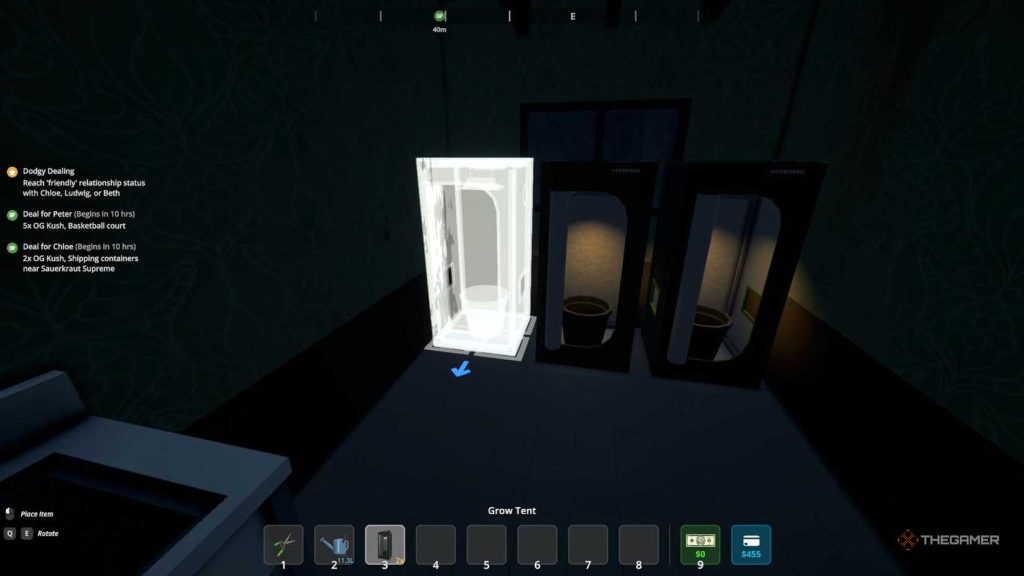
Moving grow tents can seem like a daunting task, especially when your schedule is packed. You’re probably wondering how to relocate your setup without disrupting your plants or your routine.
Fear not, because with a bit of planning and the right steps, you can smoothly transition your grow tents to a new location, ensuring your plants continue to thrive. Imagine the ease of having everything in place, with no stress and no lost time.
This guide will show you how to move your grow tents efficiently and effectively, allowing you to focus on what really matters—growing healthy plants. Keep reading to discover the secrets to a seamless move that fits perfectly into your busy schedule.
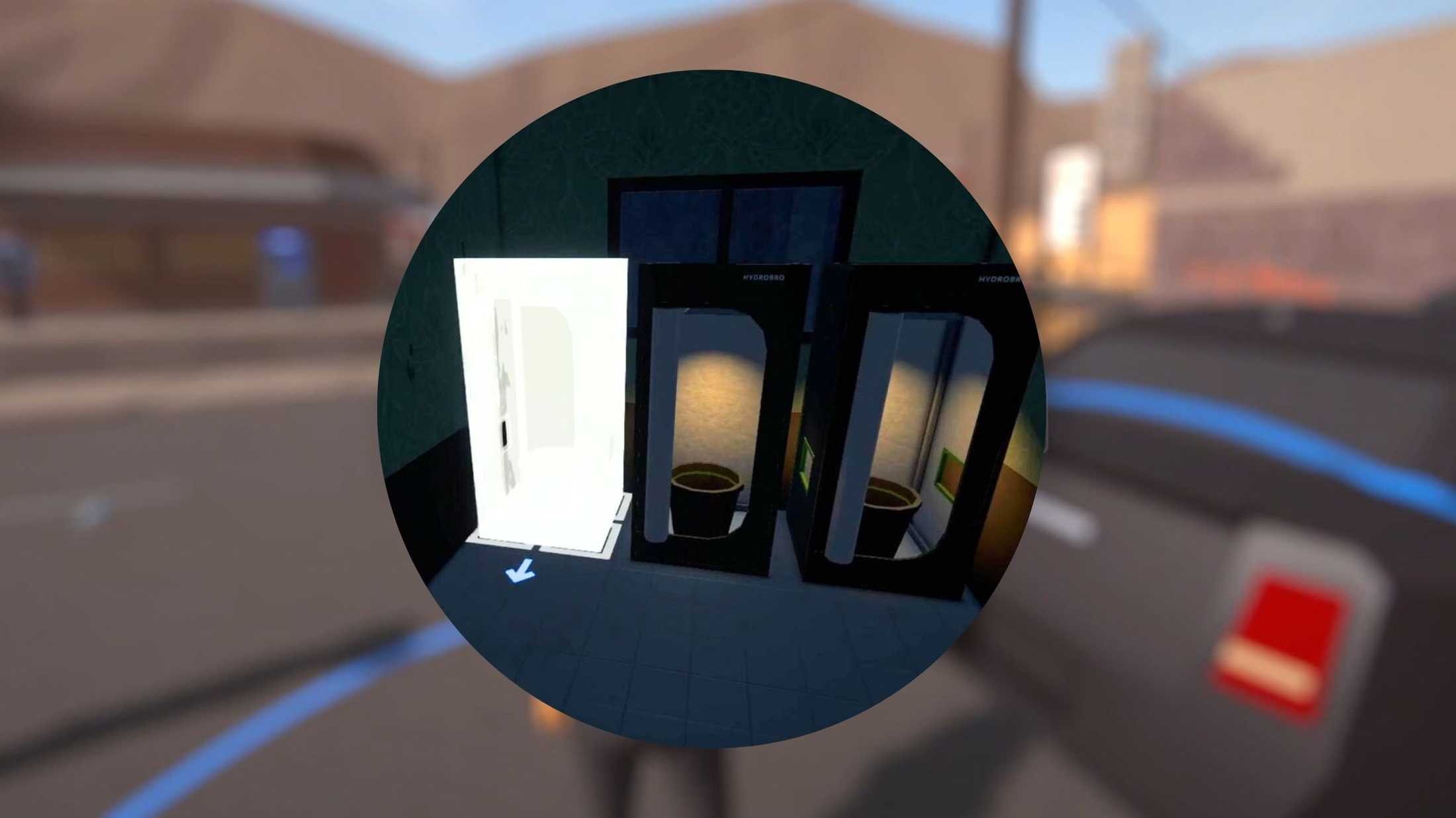
Credit: www.thegamer.com
Preparing Your Grow Tent
Moving your grow tent requires careful preparation to avoid damaging your plants and equipment. A well-planned approach helps keep your grow environment stable.
This guide covers key steps to prepare your grow tent for a smooth move and setup.
Choosing The Right Time
Pick a time when your plants are least active. Avoid moving during flowering to reduce stress. Early morning or late evening is best to keep temperatures cool.
Consider the weather and avoid rainy or windy days. A calm day helps protect your tent and plants during the move.
Gathering Necessary Tools
Collect all tools and supplies needed before starting. This saves time and prevents missing parts during the move.
- Screwdrivers and wrenches for frame adjustments
- Zip ties and tape for securing loose parts
- Plastic containers for small items and tools
- Protective gloves to handle plants safely
- Cleaning cloths to wipe surfaces
Documenting Current Setup
Take photos and notes of your current grow tent layout. Record the position of lights, fans, and sensors.
| Equipment | Location | Settings |
|---|---|---|
| Grow Lights | Top center | 18 hours on, 6 hours off |
| Ventilation Fan | Upper left corner | Speed: Medium |
| Humidity Sensor | Middle right side | Target: 60% |
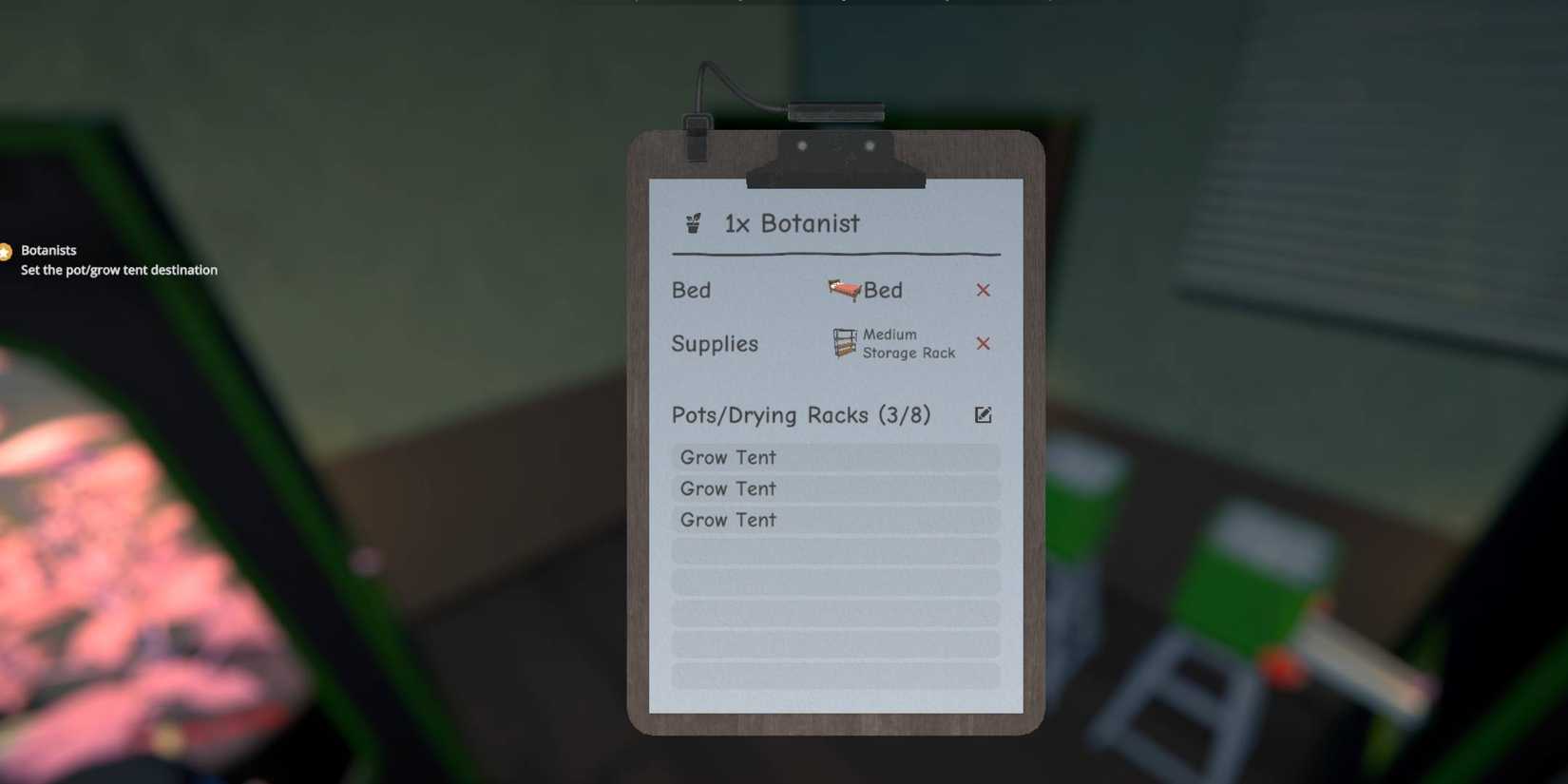
Credit: www.thegamer.com
Safely Disconnecting Equipment
Moving grow tents requires careful steps to protect your plants and gear. Safely disconnecting equipment helps avoid damage and accidents.
Follow the right order to turn off power, remove plants, and handle fragile parts. This keeps everything secure during the move.
Turning Off Power Sources
Always start by cutting power to the grow tent. This prevents electrical shocks and equipment damage.
- Unplug all lights and fans from the power outlets.
- Switch off any timers or controllers connected to the system.
- Double-check that no devices remain powered on inside the tent.
Removing Plants And Accessories
Carefully remove plants and all accessories before moving the tent. This avoids damage to your crops and equipment.
- Use gloves to gently lift plants from pots or trays.
- Place plants in a safe, stable container for transport.
- Remove any shelves, fans, or other accessories and store them securely.
Handling Fragile Components
Fragile parts like glass panels or sensors need special care. Handle these parts slowly and with clean hands.
| Component | Handling Tip |
| Glass Panels | Wrap in bubble wrap or soft cloth before moving. |
| Sensors | Disconnect carefully and store in a padded box. |
| Delicate Wires | Label and coil gently to prevent tangles or breaks. |
Transporting The Tent
Moving a grow tent requires care to keep all parts safe. Proper transport helps avoid damage and saves time later.
This guide covers key steps to move your grow tent without trouble. Follow each section to protect your equipment.
Disassembling The Frame
Take apart the frame carefully to avoid bending or breaking pieces. Keep track of all poles and connectors.
- Remove fabric covers gently.
- Disassemble poles by loosening connectors.
- Group similar parts together.
- Use labels or bags for small pieces.
Packing Materials Securely
Pack every item with padding to stop scratches and dents. Use boxes or bags that fit each part well.
| Item | Packing Tip |
| Poles | Wrap in bubble wrap or cloth |
| Connectors | Place in small sealed bags |
| Fabric Tent | Fold neatly and keep dry |
| Accessories | Use labeled containers |
Moving Without Damage
Handle boxes and bags with care. Avoid stacking heavy items on top of tent parts.
- Carry parts separately if possible.
- Use straps to secure items in the vehicle.
- Check for sharp edges that may cut the fabric.
- Unload carefully at the new location.
Reassembling In The New Location
Moving a grow tent can be tricky. After moving, you need to put it back together correctly.
This guide helps you set up the tent frame, reinstall equipment, and adjust controls.
Setting Up The Frame
Start by assembling the frame on a flat surface. Follow the original setup to avoid mistakes.
Make sure all poles and connectors fit tightly. A strong frame keeps the tent stable.
- Lay out all parts before starting
- Connect the poles according to shape
- Tighten all joints to prevent wobbling
- Check that the frame is square and level
Reinstalling Equipment
Attach all lights, fans, and filters to the frame. Use the same places as before.
Plug in and test each device to make sure it works. Secure wires to avoid accidents.
- Hang grow lights at the right height
- Install ventilation fans for airflow
- Mount carbon filters if used
- Arrange power strips safely
Adjusting Environmental Controls
Set temperature and humidity controls to match your plants’ needs. Check sensors and timers.
Adjust settings after monitoring conditions for a day. Keep the environment stable for growth.
- Calibrate thermostats and humidifiers
- Set timers for lights and fans
- Monitor air circulation and temperature
- Make small changes as needed
Resuming Your Grow Schedule
Moving grow tents can disrupt your plants’ routine. It is important to quickly resume your grow schedule to keep plants healthy. This guide helps you get back on track after moving.
Focus on monitoring your plants, adjusting timers, and fixing any issues. These steps will help your plants recover and continue to grow well.
Monitoring Plant Health
Check your plants daily for signs of stress or damage. Look for changes in leaf color, drooping, or spots. Healthy plants show bright green leaves and firm stems.
Keep a close eye on new growth. It shows if plants are adjusting well. If problems appear, act fast to prevent further damage.
Tweaking Light And Watering Timers
After moving, your grow tent may have different light and temperature conditions. Adjust your light timers to fit the new environment. Make sure plants get enough light hours but avoid overexposure.
Check watering schedules too. Plants might need more or less water depending on humidity and air flow. Watch soil moisture closely to avoid over or underwatering.
- Set light timers to match plant growth stage
- Water when soil feels dry an inch deep
- Adjust based on temperature and humidity changes
Troubleshooting Common Issues
Moving grow tents can cause common problems like leaf droop, slow growth, or mold. Watch for these signs and fix them early. Adjust ventilation if humidity rises.
If plants look weak, check light and water settings again. Make sure no wires or equipment got loose during the move. Keep the environment stable for best results.
- Leaf droop: Check watering and humidity
- Slow growth: Adjust light intensity or duration
- Mold: Increase air circulation and reduce humidity
- Equipment issues: Inspect timers and fans

Credit: www.youtube.com
Frequently Asked Questions
How Do I Safely Move Grow Tents In Schedule 1?
To move grow tents safely, first power off all equipment. Remove plants carefully and pack fragile items securely. Disassemble tent poles gently, then transport the tent frame and accessories in protective covers to avoid damage.
When Is The Best Time To Relocate Grow Tents?
The best time to move grow tents is during early vegetative stages. Plants are more resilient then, and less sensitive to environmental changes. Avoid moving during flowering to prevent stress and yield loss.
What Tools Are Needed To Move Grow Tents Effectively?
You need basic tools like screwdrivers, pliers, and zip ties. Use padded gloves to protect your hands and plant roots. Having plastic containers or boxes helps organize and transport accessories securely.
How To Minimize Stress On Plants During Tent Relocation?
Maintain stable temperature and humidity before, during, and after the move. Water plants moderately and avoid overwatering. Move plants quickly to reduce light deprivation and handle them gently to prevent damage.
Conclusion
Moving grow tents in Schedule 1 takes planning and care. Choose the right time to avoid stress on your plants. Prepare the new spot with proper light and ventilation. Move slowly to keep plants healthy and strong. Watch your plants closely after the move.
Adjust water and nutrients as needed. Small steps help your grow tent succeed in its new place. Stay patient and keep learning for better results. Your effort will pay off with healthy, thriving plants.