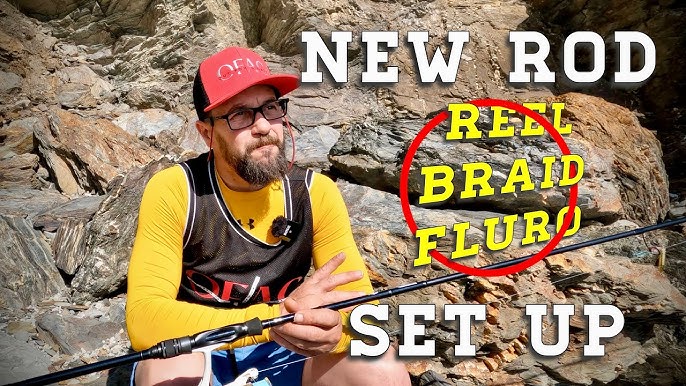
Setting up a new fishing rod might seem tricky at first, but with the right steps, you can have it ready in no time. Imagine heading out to your favorite fishing spot, fully prepared and confident because you know your gear is set up perfectly.
In this guide, you’ll learn exactly how to assemble your rod, spool the line correctly, and make adjustments that improve your fishing experience. Keep reading, and you’ll discover simple tips that make setting up your fishing rod easy and even enjoyable.
Your next big catch could start right here!

Credit: fishingbooker.com
Choosing The Right Rod
Setting up a new fishing rod starts with picking the right one. The right rod makes fishing easier and more fun.
Different rods work best for different fishing styles and fish types. Knowing what to look for helps you choose well.
Types Of Fishing Rods
There are several types of fishing rods. Each type suits different fishing needs and conditions.
- Spinning Rods: Easy to use and good for beginners.
- Baitcasting Rods: Offer better control and accuracy.
- Fly Rods: Made for fly fishing with lightweight lures.
- Trolling Rods: Designed for fishing from a moving boat.
Matching Rod To Fishing Style
Your fishing style guides which rod to pick. Each style needs a specific rod type and action.
For example, spinning rods work well for light lures and small fish. Baitcasting rods suit heavy lures and big fish.
- Light fishing: Use spinning rods for small fish and light lures.
- Heavy fishing: Use baitcasting rods for bigger fish and heavy lures.
- Fly fishing: Use fly rods for casting lightweight flies.
- Boat fishing: Use trolling rods to fish from boats.
Selecting Rod Length And Power
Rod length affects casting distance and control. Longer rods cast farther but can be harder to handle.
Rod power shows how much force the rod can handle. Choose power based on the fish size you want to catch.
- Short rods (5-7 feet): Good for close fishing and small areas.
- Medium rods (7-8 feet): Versatile for many fishing types.
- Long rods (8+ feet): Best for long casts and open water.
- Light power: For small fish and light baits.
- Medium power: For average-sized fish and baits.
- Heavy power: For large fish and heavy baits.
Gathering Essential Gear
Setting up a new fishing rod needs the right gear. Gathering essential items makes fishing easier and more fun.
This guide covers picking the right reel, selecting fishing line, and choosing hooks and baits.
Picking The Right Reel
Choose a reel that matches your fishing style. Spinning reels are easy to use and good for beginners. Baitcasting reels offer more control for experienced anglers.
- Consider reel size for the type of fish
- Look for smooth drag systems
- Check the reel’s weight for comfort
- Choose between spinning, baitcasting, or spincast reels
Selecting Fishing Line
Fishing line strength depends on the fish you want to catch. Thicker lines hold bigger fish but are less invisible in water. Lighter lines are harder to see but may break easily.
| Type of Line | Best For | Strength Range (lbs) |
| Monofilament | All-around use | 4-20 |
| Fluorocarbon | Clear water | 6-30 |
| Braid | Heavy cover fishing | 10-50 |
Choosing Hooks And Baits
Select hooks that fit your bait and target fish. Use sharp hooks for better catch rates. Baits can be live, artificial, or prepared.
- Match hook size to the bait and fish size
- Use live bait like worms or minnows for natural attraction
- Try artificial lures for specific fish species
- Keep different baits ready for variety
Assembling The Rod
Setting up a new fishing rod is easy when you follow the right steps. This guide helps you put your rod together correctly.
Good assembly makes fishing more fun and helps avoid problems later. Let’s start with attaching the reel.
Attaching The Reel
First, find the reel seat on the rod handle. It is where the reel will lock in place.
Slide the reel foot into the reel seat. Turn the locking rings to tighten it. Make sure the reel is secure and does not move.
Threading The Line
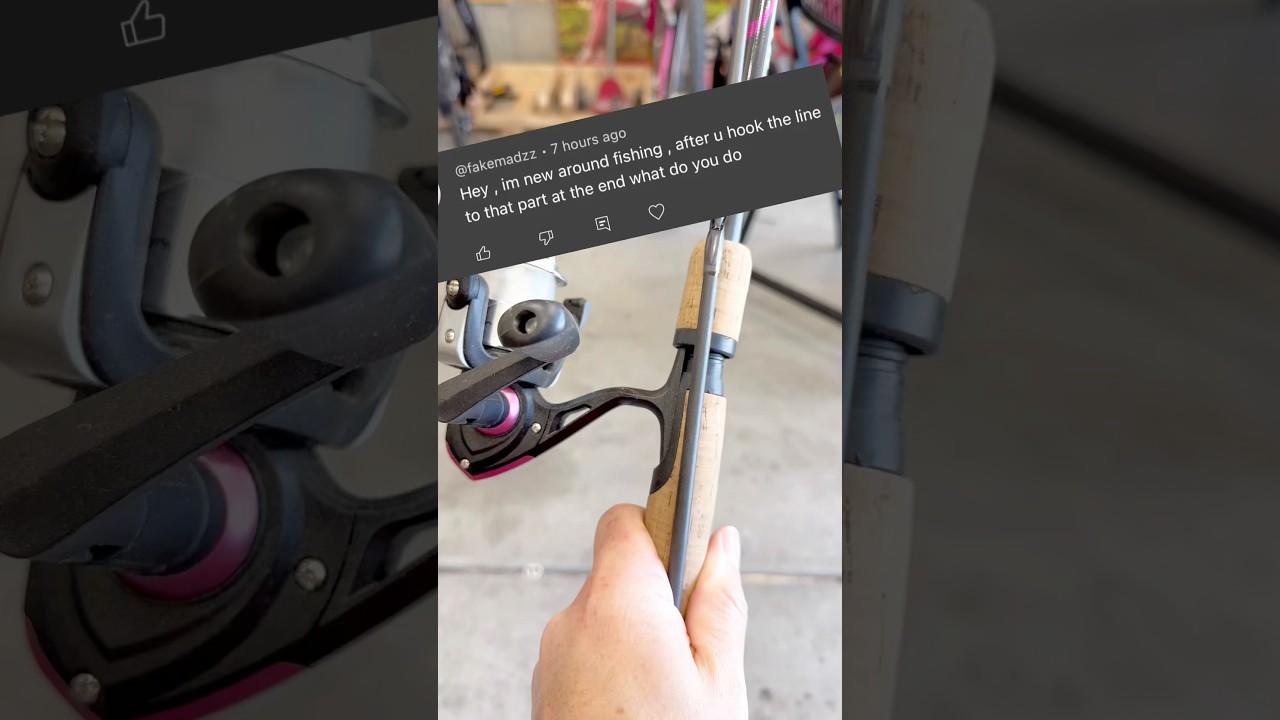
Open the bail arm on the reel to release the line. Pull the line from the spool.
Guide the line through each rod guide. Start from the tip and go down to the reel. This keeps the line straight and ready to cast.
Tying Secure Knots
Use a strong knot to tie the line to the reel spool or hook. The improved clinch knot is a good choice.
- Thread the line through the eye of the hook or reel spool.
- Wrap the tag end around the main line 5 to 7 times.
- Pass the tag end through the small loop near the eye.
- Pull tight and trim the extra line.

Credit: www.youtube.com
Adjusting The Setup
Setting up a new fishing rod means adjusting it correctly. This makes fishing easier and more fun.
Focus on three key areas: setting the drag, balancing the rod and reel, and testing line tension.
Setting The Drag
The drag controls how much resistance the fish feels when it pulls the line. Set it so the fish can pull the line without breaking it.
Turn the drag knob until it feels firm but allows the line to move when you pull hard.
- Too tight drag may break the line
- Too loose drag lets the fish take too much line
- Adjust drag based on fish size and line strength
Balancing The Rod And Reel
Balance helps you hold the rod comfortably and cast better. Hold the rod with the reel attached to check its weight.
Move the reel forward or backward on the rod until you feel the weight is even. A balanced rod feels steady in your hand.
- Proper balance reduces hand fatigue
- Helps with smooth casting and reeling
- Adjust reel position for best feel
Testing Line Tension
Line tension affects how your rod bends and reacts to fish bites. Check tension by pulling the line gently.
The line should be tight enough to bend the rod but not so tight it causes strain. Adjust the reel’s spool tension knob as needed.
- Too loose line causes slack and missed bites
- Too tight line risks breaking under pressure
- Test by casting a few times and feeling the response
Casting Techniques
Setting up a new fishing rod is exciting. Learning good casting techniques helps you catch more fish.
Good casting uses smooth motion and control. It improves accuracy and distance.
Basic Casting Motion
Hold the rod firmly but not too tight. Keep your wrist straight and use your arm to cast.
Start with the rod tip low. Bring it back smoothly, then quickly move it forward to release the line.
- Grip rod with thumb on top
- Bring rod back over your shoulder
- Smoothly swing rod forward
- Release line at the right moment
Controlling Cast Distance
Cast distance depends on the force and angle of your cast. Use more power for longer casts.
To cast shorter distances, use less force and stop the rod sooner.
- Increase rod speed for longer casts
- Adjust rod angle for height and length
- Practice stopping the rod early for short casts
Avoiding Common Casting Errors
Many beginners cast too hard or release the line too late. This causes poor accuracy.
Keep your motion smooth and practice timing your release. Avoid jerky movements.
- Do not grip the rod too tightly
- Release the line at rod’s forward peak
- Keep your wrist firm and avoid flicking
- Practice to improve smoothness and timing
Credit: www.youtube.com
Maintenance Tips
Taking care of your fishing rod keeps it in good shape for many trips. Proper maintenance helps avoid damage and improves performance. Follow these tips to keep your rod and reel working well.
Regular care also saves money by extending the life of your gear. Clean, store, and inspect your equipment often to catch problems early.
Cleaning The Rod And Reel
After each fishing trip, rinse your rod and reel with fresh water. This removes dirt, salt, and debris that can cause damage. Use a soft cloth to wipe them dry. Avoid soaking the reel to protect internal parts.
- Use mild soap and water for stubborn dirt
- Dry all parts thoroughly to prevent rust
- Lubricate reel moving parts as recommended
- Check guides for cracks or buildup
Storing Your Equipment
Store your fishing rod and reel in a cool, dry place. Avoid direct sunlight, which can weaken materials over time. Keep them away from heavy objects that might cause bending or breaks.
| Do | Don’t |
|---|---|
| Hang rod vertically or store in a rod rack | Lean rod against walls for long periods |
| Keep reel covered or in a case | Store near chemicals or solvents |
| Loosen drag on reel during storage | Leave line tight on reel when not in use |
Regular Inspection
Check your fishing rod and reel before each use. Look for loose parts, cracks, or corrosion. Early detection helps prevent bigger problems on the water.
- Inspect rod guides and tip for damage
- Test reel handle and drag function
- Check line for frays or knots
- Tighten any loose screws or fittings
- Replace worn-out parts promptly
Frequently Asked Questions
How Do I Assemble A New Fishing Rod?
Start by attaching the reel to the rod’s reel seat. Align guides and thread the fishing line through each guide from the tip. Tie the line to the reel spool securely. Finally, adjust the drag system before fishing.
What Type Of Fishing Line Should I Use?
Choose a line based on your fishing style and target species. Monofilament is versatile and beginner-friendly. Braided lines offer strength and sensitivity. Fluorocarbon is nearly invisible underwater, ideal for clear water fishing.
How Do I Properly Spool The Fishing Line?
Attach the line to the reel spool with an arbor knot. Keep tension on the line while winding to avoid tangles. Fill the spool to about 1/8 inch from the edge for optimal casting.
How Do I Check The Rod Guides For Alignment?
Hold the rod at eye level and look down through the guides. All guides should form a straight line. Misaligned guides can cause casting issues and damage the line.
Conclusion
Setting up a fishing rod can be easy and fun. With practice, it becomes second nature. Each step is crucial for a successful fishing trip. Remember to check the rod and reel for safety. Use the right bait and tackle for your target fish.
These small details make a big difference. Enjoy the peace and excitement of fishing. Whether alone or with friends, it’s a rewarding hobby. So grab your gear, head to the water, and enjoy the catch. Happy fishing!