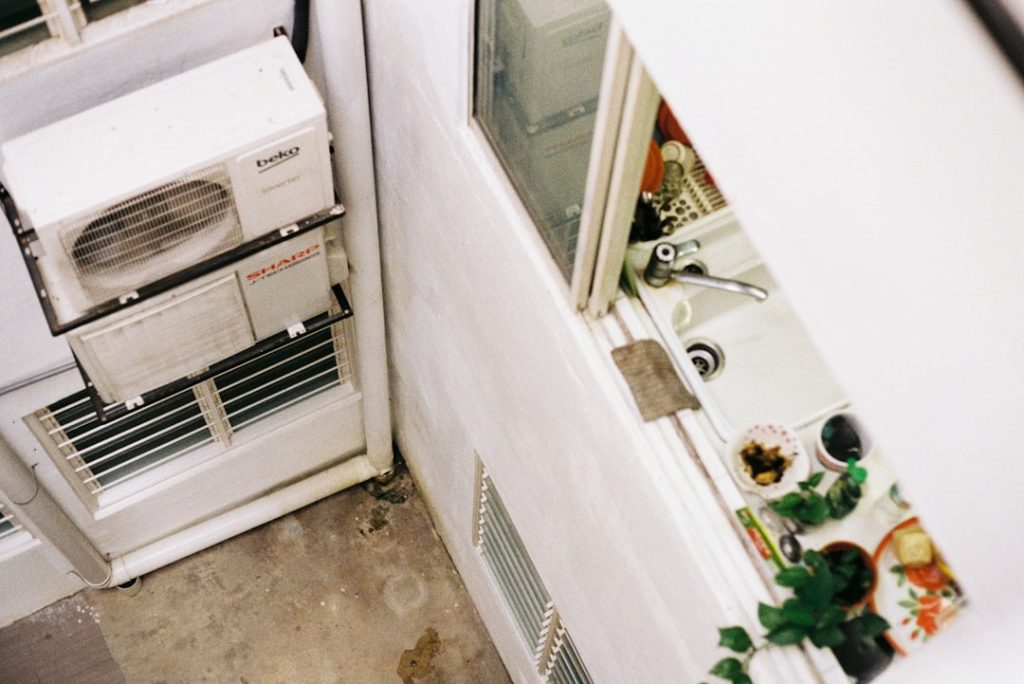
Is your air conditioner not draining water properly? A clogged drain line inside your house can cause leaks, bad odors, and even damage to your AC unit.
But don’t worry—you can fix this yourself with a few simple steps. You’ll learn exactly how to clean your air conditioner drain line quickly and effectively. Keep reading to protect your home and keep your AC running smoothly all year round.
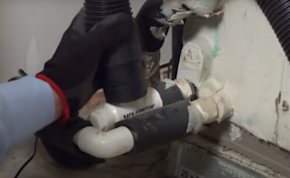
Credit: www.searspartsdirect.com
Signs Of A Clogged Drain Line
A clogged air conditioner drain line can cause problems inside your home. It stops water from draining properly. This can lead to damage and other issues.
Knowing the signs of a clogged drain line helps you fix the problem early. Look for these common signs to keep your AC working well.
Water Leaks Near The Unit
One clear sign of a clogged drain line is water leaking near your air conditioner. The water has nowhere to go and may spill out.
You might see puddles or damp spots on the floor close to the AC unit. This can cause damage to floors and walls if not fixed.
Unpleasant Odors
A clogged drain line can cause bad smells inside your home. Stagnant water in the line can grow mold or bacteria.
The smell might be musty or like mildew. This odor often comes from the air vents or near the AC unit.
Reduced Cooling Efficiency
Your air conditioner may not cool your home as well if the drain line is clogged. The system can get stressed and work less efficiently.
You might notice warm air or longer run times. This means the AC is struggling to keep the right temperature.
Tools And Materials Needed
Cleaning the air conditioner drain line inside your house requires some basic tools and materials. Having everything ready makes the process faster and safer.
Below are the essential items you will need. These include cleaning supplies and safety gear to protect yourself.
Basic Cleaning Supplies
- Wet/dry vacuum to remove clogs
- Distilled white vinegar to clear buildup
- Funnel to pour cleaning liquids
- Bucket to catch draining water
- Flexible brush or pipe cleaner
- Clean cloths for wiping
- Plastic tubing to flush the line
Safety Equipment
| Equipment | Purpose |
| Gloves | Protect hands from dirt and chemicals |
| Safety glasses | Protect eyes from splashes |
| Face mask | Prevent inhaling dust and mold |
| Old clothes | Wear to avoid stains and damage |
Locating The Drain Line
Cleaning your air conditioner’s drain line is important to avoid water damage. First, you must find the drain line inside your house.
The drain line carries water from the air conditioner to the outside or drain. Knowing its location helps you clean it well.
Finding The Drain Pan
The drain pan catches water that drips from your air conditioner. It sits under the indoor unit or near it.
Look for a shallow pan with water or dirt inside. This pan connects to the drain line.
- Check under the air handler or furnace
- Look for signs of water or moisture
- Find a plastic or metal pan
Tracing The Drain Line Path
Once you find the drain pan, follow the pipe connected to it. This pipe is the drain line.
The drain line usually runs along walls or ceilings toward a drain or outside.
- Look for a small PVC pipe attached to the drain pan
- Follow it carefully along walls or baseboards
- Check where it ends—usually near a floor drain or outside
Step-by-step Cleaning Process
Cleaning your air conditioner drain line inside the house helps prevent clogs and water damage. This guide shows you how to do it safely and effectively.
Follow each step carefully to keep your drain line clear and your air conditioner running smoothly.
Turning Off The Power
Before starting, turn off the power to your air conditioner. This stops accidents and protects the system while you work.
Use the circuit breaker or the power switch near the unit to cut off electricity.
Removing The Drain Line Cap
Find the drain line cap on your air conditioner’s drain pipe. It is usually a small plastic cover.
Remove the cap gently to access the drain line for cleaning.
Flushing The Line With Water
Use a garden hose or a large syringe to flush water through the drain line. This clears dirt and debris inside.
Flush until the water flows out clean and without blockages.
Using A Wet-dry Vacuum
Place a wet-dry vacuum on the drain line’s end outside your house. Turn it on to suck out clogs and buildup.
Run the vacuum for several minutes to remove stubborn blockages.
Applying Vinegar Or Bleach Solution
Pour a cup of white vinegar or a diluted bleach solution into the drain line. This kills mold and bacteria.
Let it sit for 30 minutes, then flush the line again with water to rinse.
Preventive Maintenance Tips
Keeping your air conditioner drain line clean helps avoid water damage and mold growth. Regular care makes your AC work better and last longer.
Follow simple steps inside your house to keep the drain line clear and safe. These tips focus on cleaning and checking the line often.
Regular Cleaning Schedule
Clean the drain line every three months. This stops clogs from dirt and debris. Use a wet-dry vacuum or a plumber’s snake to clear the line.
- Turn off the AC power before cleaning.
- Locate the drain line access point.
- Use a vacuum or snake to remove blockages.
- Flush the line with a cup of white vinegar.
- Wait 30 minutes, then flush with water.
Using Drain Line Screens
Install a screen at the drain line opening. It stops leaves, bugs, and dirt from entering. This reduces blockages and keeps water flowing smoothly.
| Screen Type | Material | Benefits |
|---|---|---|
| Mesh Screen | Plastic or Metal | Catches small debris, easy to clean |
| Filter Screen | Foam | Traps fine particles, replace regularly |
| Magnetic Screen | Metal with magnets | Easy to attach and remove |
Checking For Mold And Algae
Look inside the drain line for dark spots or slime. Mold and algae block water flow and cause bad smells. Clean these using a mix of water and bleach.
- Wear gloves and a mask before cleaning.
- Mix one part bleach with ten parts water.
- Pour the solution into the drain line.
- Let it sit 15 minutes, then flush with water.
- Check regularly to prevent growth.

Credit: smashingclean.com
When To Call A Professional
Cleaning your air conditioner drain line inside the house can be simple. Sometimes, problems need expert help. Knowing when to call a professional keeps your system safe and working well.
This guide explains signs that show you need a professional for your drain line issues.
Persistent Clogs
Small clogs can clear with home cleaning tools. A clog that keeps coming back needs a pro to check deeper. They have special tools to clear hard blockages and prevent damage.
- Frequent water backups around the drain line
- Repeated musty smells in your home
- Slow draining after cleaning attempts
Drain Line Damage
Cracks, leaks, or broken drain lines cause water damage and mold. A professional can find hidden damage and fix or replace the drain line correctly. Avoid trying major repairs yourself to stop more harm.
| Damage Type | Signs to Watch | Why Call a Pro |
| Cracks | Water stains near the unit | Needs proper sealing or replacement |
| Leaks | Pooling water under the AC | Locate and fix leak source safely |
| Broken Pipe | Drain line detachment or holes | Replace pipe with correct materials |
Electrical Concerns
Some drain line issues involve electrical parts. If you see sparks, burning smells, or the AC won’t turn on, stop and call a professional. They have training to fix electrical problems safely.
- AC unit does not start after cleaning
- Tripped circuit breakers linked to the AC
- Unusual noises near the drain pan area

Credit: unitedstatesolutions.com
Frequently Asked Questions
How Often Should I Clean The Ac Drain Line Inside?
Clean your AC drain line every 3 to 6 months. Regular cleaning prevents clogs and water damage. It ensures efficient drainage and improves air conditioner performance.
What Tools Do I Need To Clean The Drain Line?
You need a wet/dry vacuum, bleach or vinegar, a funnel, and a flexible brush. These tools help remove dirt, mold, and blockages effectively.
Can I Use Bleach To Clean The Drain Line?
Yes, dilute bleach with water to clean the drain line. It kills mold and bacteria but use sparingly to avoid pipe damage.
How Do I Know If The Drain Line Is Clogged?
Signs include water leaks near the AC unit, musty odors, or reduced cooling efficiency. Check for slow drainage or pooling water around the drain.
Conclusion
Cleaning your air conditioner drain line matters. It prevents water damage. Also, it keeps your home fresh. Regular maintenance saves money on repairs. Blockages can lead to bigger issues. Use the right tools for best results. Follow steps carefully. This ensures safety and efficiency.
Keep your air conditioner in top shape. A clean drain line boosts performance. Enjoy a comfortable home environment. Simple steps, big impact. Take care of your AC system today. Your home deserves it.