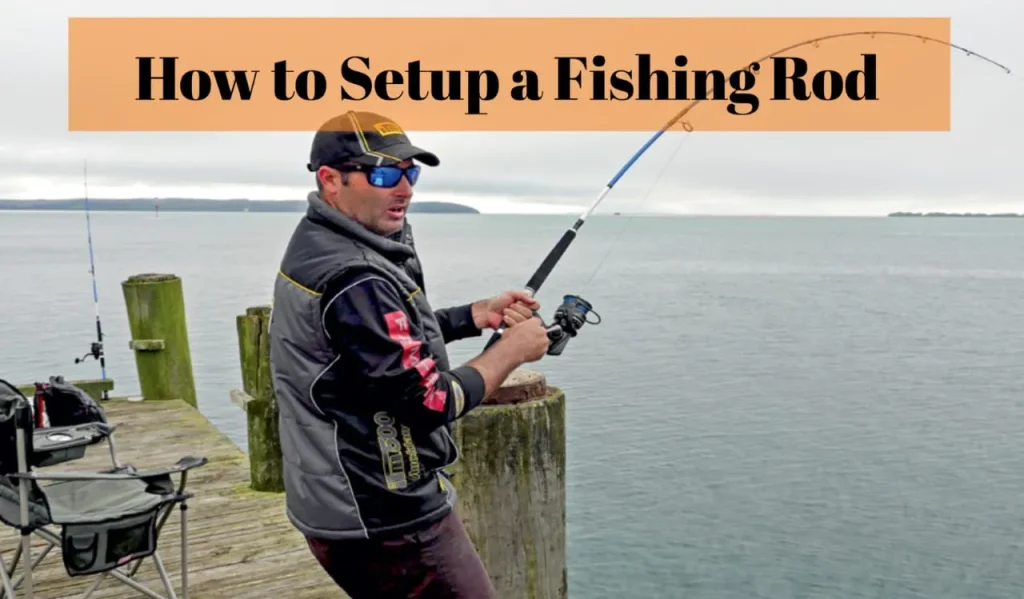
Setting up your fishing rod the right way can make all the difference between a frustrating day and an amazing catch. If you’ve ever felt overwhelmed by tangled lines or unsure about which parts go where, you’re not alone.
But here’s the good news: with a few simple steps, you can get your rod ready quickly and confidently. This guide will walk you through everything you need to know, so you can focus on what really matters—enjoying your time on the water and landing that big fish.
Ready to become a pro at setting up your fishing rod? Let’s dive in.
Choosing The Right Fishing Rod
Choosing the right fishing rod is important for a good fishing experience. The right rod helps you catch fish easier and enjoy your time.
This guide will help you understand the types of rods, rod length and power, and how to match a rod to your fishing style.
Types Of Fishing Rods
There are different types of fishing rods for different fishing needs. Each type is made for specific water and fish.
- Spinning Rods: Good for beginners and light lures.
- Baitcasting Rods: Offer more control for experienced anglers.
- Fly Rods: Used for fly fishing with special lines.
- Trolling Rods: Designed for fishing from a moving boat.
Selecting Rod Length And Power
Rod length affects how far you can cast and how you handle the fish. Power is about how strong the rod is.
Short rods are easier to control but cast shorter distances. Long rods cast far but can be harder to handle.
- Light Power: Best for small fish and light lures.
- Medium Power: Good for most fishing situations.
- Heavy Power: Used for big fish and heavy baits.
Matching Rod With Fishing Style
Choose a rod that fits how you fish. Different styles need different rods for best results.
If you fish in rivers or streams, a short and light rod works well. For fishing in open water, a longer rod helps.
- Fly Fishing: Use a flexible fly rod with special guides.
- Freshwater Fishing: Medium rods work for lakes and rivers.
- Saltwater Fishing: Strong rods resist salt and big fish.
Gathering Essential Equipment
Setting up a fishing rod starts with having the right equipment. Good gear makes fishing easier and more fun.
Before you begin, gather all the basic tools you need. This helps you avoid problems on the water.
Fishing Reel Options
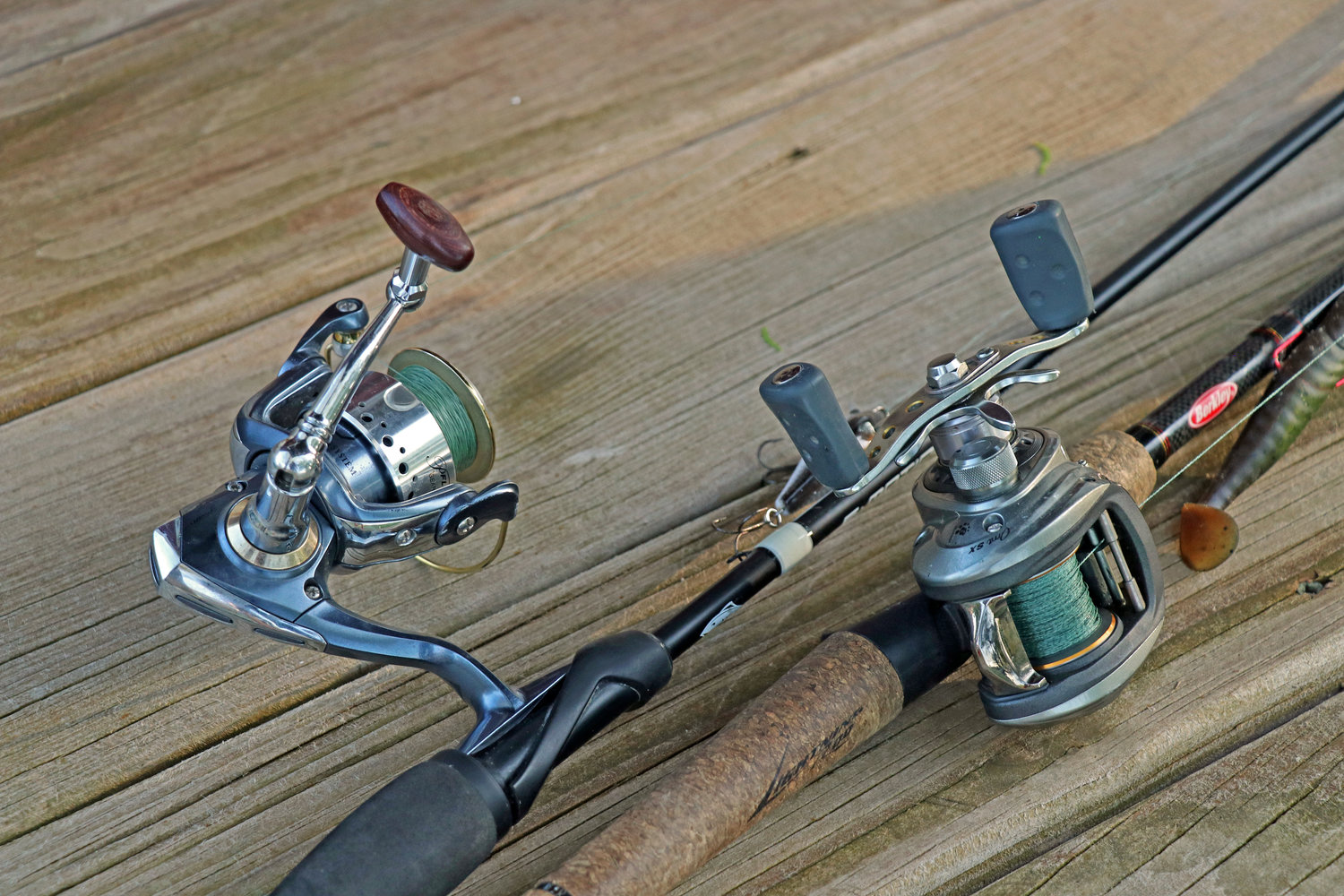
Choose a reel that fits your fishing style. Spinning reels are easy to use and good for beginners.
Baitcasting reels give more control for experienced anglers. Spincast reels are simple and low maintenance.
Fishing Line Varieties
| Type | Description | Best Use |
| Monofilament | Flexible and easy to handle | General fishing |
| Fluorocarbon | Less visible underwater | Clear water fishing |
| Braided | Strong and thin | Heavy cover or deep water |
Pick a line type based on where and what you want to catch. Strength and visibility matter.
Necessary Accessories
- Hooks in various sizes
- Sinkers to control bait depth
- Bobbers to see bites
- Swivels to prevent line twist
- Extra fishing line spools
- Needle-nose pliers for hook removal
Keep these tools in your tackle box. They make fishing easier and safer.
Attaching The Reel To The Rod
Attaching the reel to the fishing rod is an important step before fishing. It helps you control the line and catch fish smoothly.
Follow simple steps to position and secure the reel correctly on your rod. This will ensure a comfortable and effective fishing experience.
Positioning The Reel Seat
The reel seat is the part of the rod where you attach the reel. Position it near the handle for easy access.
Make sure the reel foot fits well inside the seat. The reel should align with the rod guides so the line flows smoothly.
- Locate the reel seat on the rod handle
- Place the reel foot inside the seat
- Check that the reel lines up with the rod guides
Securing The Reel Properly
Tighten the reel seat locking rings or screws to hold the reel firmly. Avoid over-tightening to prevent damage.
Test the reel by gently shaking it. It should stay in place without moving or wobbling.
- Turn locking rings or screws to secure the reel
- Keep the reel steady and aligned
- Do not force the reel into the seat
- Check stability before fishing
Threading The Line Through Guides
Threading the fishing line through the rod guides is an important step. It helps the line flow smoothly and improves casting.
Take your time to do it right. This will protect your line and make fishing easier.
Starting From The Rod Tip
Begin threading the line from the tip of the rod. Pull the line through the smallest guide first. Then, continue down to the larger guides near the handle.
- Hold the rod steady with the tip pointing up.
- Insert the line through the tip-top guide.
- Pull the line through each guide one by one.
- Make sure the line stays inside each ring.
- Keep the line tight but gentle as you go.
Ensuring Smooth Line Flow
Once the line is threaded, check for any snags or twists. Smooth flow helps with casting distance and accuracy.
| Tip | Why It Helps |
| Use a smooth, clean line | Reduces friction and wear on guides |
| Keep line taut while threading | Prevents line tangles or loops |
| Inspect each guide for damage | Stops line from catching or breaking |
| Apply a light lubricant if needed | Improves line movement through guides |
Tying The Hook And Lures
Setting up your fishing rod correctly improves your chances of catching fish. Tying the hook and attaching lures are key steps to prepare your gear. Each step requires the right technique for safety and effectiveness.
This guide will help you choose the right knot and attach different types of lures properly. You will learn simple ways to secure your hook and lure to your fishing line.
Choosing The Right Knot
The knot you use must hold tight and not slip. Some knots work better for certain types of fishing lines and hooks. Learning the right knot makes your setup stronger and safer.
- Improved Clinch Knot:Great for tying hooks and lures to monofilament lines.
- Palm Knot:Best for braided lines, easy to tie and very strong.
- Palomar Knot:Simple and very strong for most line types.
- Loop Knot:Allows lures to move freely and look natural in water.
Attaching Different Types Of Lures
Different lures need different ways to attach them. Proper attachment helps the lure move correctly and attract fish. Use the right method for each type of lure to avoid losing it.
| Lure Type | Best Attachment Method | Tip |
| Spinnerbaits | Use a strong knot like the Palomar Knot | Check blade spin before casting |
| Soft Plastics | Attach with a worm hook and secure with a knot | Use a hook keeper for better hold |
| Crankbaits | Tie with a loop knot for natural action | Make sure the knot does not restrict movement |
| Jigs | Use an improved clinch knot for a tight hold | Check knot regularly for wear |
Credit: www.texaskayakfisher.com
Adjusting The Drag System
The drag system controls how much resistance a fish feels when pulling the line. Setting it right helps you catch fish without breaking your gear.
Adjusting drag depends on the fish type and the fishing conditions. Learn how to set drag for different fish and test its tension properly.
Setting Drag For Various Fish
Different fish need different drag settings. Stronger fish need more drag to tire them out. Smaller fish need less drag to avoid snapping the line.
- For small fish like trout, set drag at about 10-15% of your line’s breaking strength.
- For medium fish such as bass, set drag around 20-30% of the line’s breaking strength.
- For large fish like salmon or pike, use 30-40% drag to control strong runs.
- For very large fish, adjust drag to nearly 50% but be careful not to overdo it.
Testing Drag Tension
Test drag tension before fishing to make sure it matches your needs. Use your hand or a scale to check how hard it is to pull line from the reel.
| Method | Description | Purpose |
| Hand Test | Pull the line by hand and feel the resistance. | Quick check of drag strength. |
| Scale Test | Use a fish scale to pull line and read pounds of force. | Measures exact drag tension. |
| Rod Test | Pull line with the rod tip to simulate a fish fight. | Checks drag under rod pressure. |
Casting Techniques For Beginners
Learning to cast a fishing rod is important for catching fish. Good casting helps you reach the right spot in the water.
This guide covers simple casting methods that anyone can try. You will learn how to cast safely and avoid errors.
Basic Overhead Cast
The overhead cast is the most common casting style. It uses a straight motion to throw the bait far into the water.
Hold the rod with both hands and point the tip behind you. Then, bring the rod forward quickly and release the line at the right time.
Sidearm Casting Tips
Sidearm casting sends the bait low and fast. It is useful when there are trees or obstacles above you.
- Hold the rod at your side with the tip pointing forward
- Swing the rod sideways in a smooth motion
- Release the line when the rod is about level with your waist
- Practice to control distance and direction
Avoiding Common Mistakes
| Mistake | How to Fix |
| Releasing line too early | Watch the rod tip and release when it points at target |
| Rod tip too low | Keep the tip higher to avoid snagging |
| Using too much force | Use smooth, controlled movements |
| Not checking surroundings | Look around to avoid hitting people or objects |

Credit: mysterytacklebox.com
Maintaining Your Fishing Rod
Taking care of your fishing rod helps it last longer and work better. Regular maintenance keeps your rod strong and ready for use.
Simple cleaning and proper storage prevent damage and wear. Follow these tips to keep your rod in good shape.
Cleaning After Use
Rinse your fishing rod with fresh water after each use. This removes dirt, salt, and debris that can harm the rod.
Use a soft cloth to wipe the rod dry. Check guides and reel seat for any stuck grime or salt.
- Use fresh water, not hot water
- Wipe rod with a soft cloth
- Clean guides gently with a soft brush
- Remove dirt from the reel seat
- Dry completely before storing
Proper Storage Methods
Store your fishing rod in a cool, dry place. Avoid direct sunlight to prevent damage to the rod’s materials.
Keep the rod upright or use a rod rack. This prevents bending or warping over time.
- Store rods vertically or on a rack
- Keep rods away from heat and moisture
- Do not lean rods against walls
- Loosen drag on reels before storage
- Cover rods with a protective sleeve if possible

Credit: www.youtube.com
Frequently Asked Questions
How Do I Choose The Right Fishing Rod For Beginners?
Select a rod based on the fish type and water body. Beginners should start with a medium-action rod. It offers versatility for various fishing styles. Consider rod length around 6-7 feet for ease of handling.
What Are The Basic Steps To Set Up A Fishing Rod?
Attach the reel securely to the rod’s reel seat. Thread the fishing line through the guides from tip to base. Tie a suitable knot to secure the hook or lure. Finally, adjust the drag to control line tension.
How Do I Properly Thread A Fishing Line Through Guides?
Start threading from the rod tip’s smallest guide. Pass the line through each guide towards the reel. Ensure the line is smooth without twists. Proper threading prevents tangles and improves casting accuracy.
What Type Of Knot Is Best For Fishing Hooks?
The improved clinch knot is reliable and easy to tie. It secures hooks firmly and withstands strong pulls. Wet the line before tightening to avoid damage. This knot works well for most fishing scenarios.
Conclusion
Setting up a fishing rod is simple with the right steps. Start by gathering all necessary equipment. Follow each step carefully to avoid mistakes. Practice assembling your rod for confidence. Remember to check for any tangles in the line. Keep your hooks and bait ready.
With practice, you’ll get faster and more efficient. Soon, you’ll be ready for any fishing trip. Enjoy the peace and excitement fishing brings. Share your new skills with friends and family. Happy fishing!