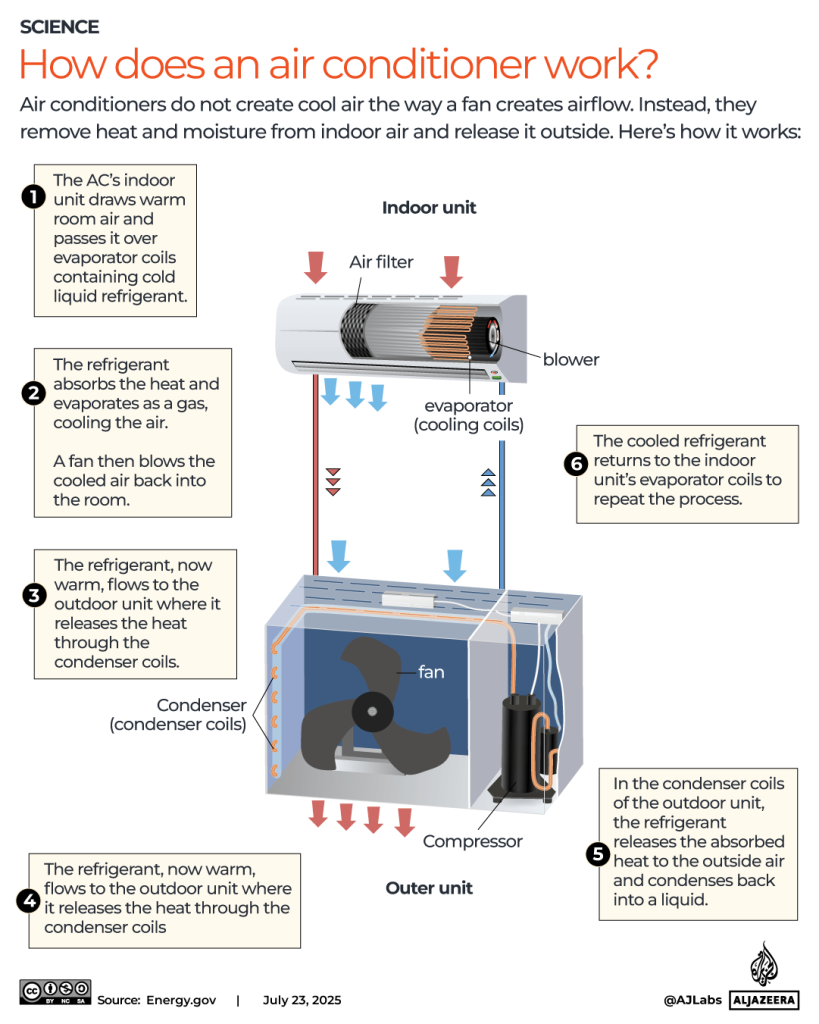
Have you ever wondered how your air conditioner turns warm air into cool, refreshing breeze on a hot day? It might seem like magic, but there’s a fascinating science behind it.
Understanding how air conditioners make cold air can help you appreciate this everyday comfort even more—and maybe even keep your system running better. You’ll discover the simple steps inside your AC that work together to cool your space. Ready to uncover the cool secret behind your cool air?
Let’s dive in!
Credit: facilio.com
Basic Principles Of Cooling
Air conditioners cool indoor spaces by moving heat out of the air. They use special materials and processes to lower the temperature. Understanding the basic principles helps explain how cold air is made.
The process depends on heat transfer and the use of refrigerants. These parts work together to change warm air into cool air efficiently.
Heat Transfer Basics
Heat transfer means moving heat from one place to another. Air conditioners take heat from inside a room and release it outside. This makes the indoor air cooler.
- Heat moves from warmer areas to cooler areas naturally.
- Air conditioners use this to pull heat from inside to outside.
- The system absorbs heat from indoor air and sends it outdoors.
- This leaves the indoor air cooler and more comfortable.
Role Of Refrigerants
Refrigerants are special fluids inside air conditioners. They absorb heat and help move it outside. These fluids change from liquid to gas and back during the cooling process.
| Refrigerant State | Function |
| Liquid | Absorbs heat inside the house |
| Gas | Releases heat outside the house |
| Cycle | Repeats to keep cooling air |
Key Components Of Air Conditioners
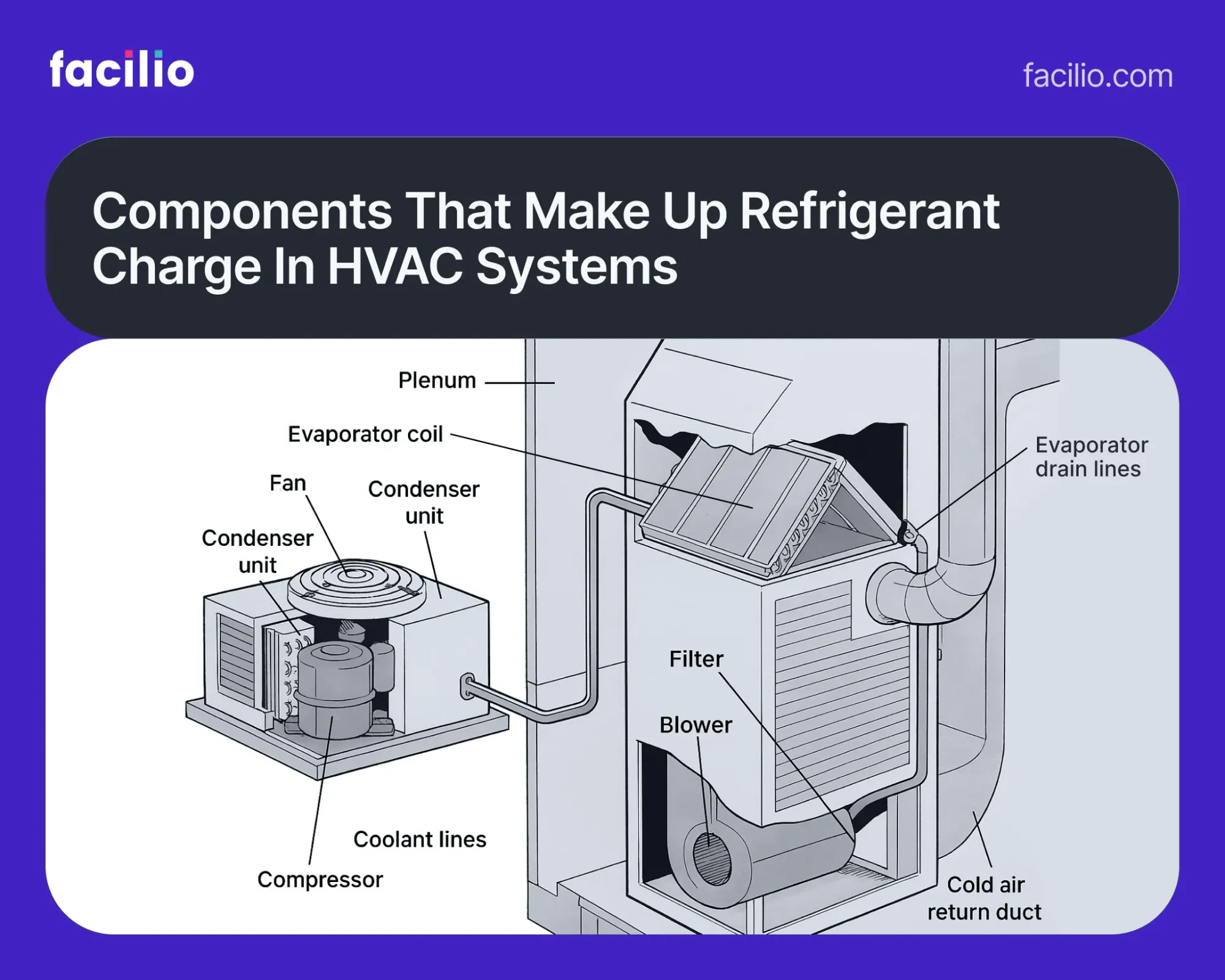
Air conditioners cool rooms using a few important parts. Each part helps move heat out and bring cold air in.
Understanding these parts shows how air conditioners work to make your space comfortable.
Compressor Function
The compressor pumps refrigerant gas through the system. It raises the pressure and temperature of the gas.
This part acts like the heart of the air conditioner, pushing refrigerant to flow and change states.
Condenser Coil
The condenser coil cools the hot refrigerant gas. It changes the gas back into a liquid.
- Releases heat outside the building
- Uses fan to blow air over coil
- Prepares refrigerant for the next stage
Expansion Valve
The expansion valve controls refrigerant flow. It lowers the pressure of the liquid refrigerant.
| Function | Effect on Refrigerant |
| Control flow | Limits amount entering evaporator |
| Pressure drop | Reduces pressure and temperature |
| Prepare for cooling | Turns liquid into cold mist |
Evaporator Coil
The evaporator coil absorbs heat from inside the room. The cold refrigerant inside turns warm air into cool air.
This coil works with a fan to blow cooled air into the space. It also turns the cold liquid refrigerant back into gas.
The Cooling Cycle Step-by-step
Air conditioners keep rooms cool by moving heat outside. They use a special process called the cooling cycle. This cycle changes the refrigerant to absorb heat from inside and release it outside.
Let’s look at the main parts of this cycle and see how they work together to make cold air.
Compression Of Refrigerant
The cycle starts with the compressor. It squeezes the refrigerant gas to make it hot and high pressure. This step helps the refrigerant carry heat outside.
The compressor uses energy to push the gas into smaller space. This makes the gas temperature rise a lot.
Heat Release Outside
Next, the hot, high-pressure gas goes to the outside coil. Here, the refrigerant releases heat to the air outside your home. As it cools, the gas changes into a liquid.
This step removes heat from the refrigerant. The outside air carries the heat away, leaving the refrigerant cooler.
Pressure Drop And Cooling
After heat release, the refrigerant moves through an expansion valve. The valve lowers the pressure, making the refrigerant very cold. This liquid refrigerant is now ready to absorb heat inside.
The pressure drop causes the refrigerant temperature to fall quickly. This cold liquid cools the air inside your home.
Absorbing Heat Indoors
The cold refrigerant flows through the indoor coil. Warm air from your room passes over this coil. The refrigerant absorbs the heat from the air, cooling your room.
The refrigerant warms up and changes back to gas. This gas returns to the compressor to start the cycle again.
Thermodynamics Behind Cooling
Air conditioners cool the air by using a special process based on thermodynamics. This process moves heat from inside a room to the outside. It uses a refrigerant, a fluid that changes between liquid and gas to absorb and release heat.
The system works like a heat pump. It takes warm air from inside, cools it, and sends the heat outside. This keeps the indoor air comfortable during hot days.
Phase Changes Of Refrigerant
The refrigerant changes between liquid and gas inside the air conditioner. These phase changes help it move heat efficiently. When the refrigerant evaporates, it absorbs heat. When it condenses, it releases heat.
Inside the evaporator coil, the liquid refrigerant turns into gas. This phase change pulls heat from the indoor air, cooling it. Outside, the gas turns back into liquid in the condenser coil, releasing heat to the air.
- Evaporation absorbs heat and cools the air
- Condensation releases heat outside
- Phase changes allow heat transfer without mixing air
Energy Flow And Efficiency
Energy flows through the air conditioner to move heat from inside to outside. The compressor uses electricity to pump the refrigerant through the system. This energy input helps the refrigerant change phases and transfer heat.
Efficiency depends on how well the system moves heat with the least energy. Good insulation and proper maintenance improve efficiency. Modern units use better compressors and refrigerants for less energy use.
- Compressor pumps refrigerant and uses electricity
- Heat moves from indoor air to refrigerant to outside air
- Better parts and maintenance improve energy efficiency
Common Refrigerants And Their Impact
Air conditioners use special fluids called refrigerants. These fluids absorb heat and help cool the air inside buildings. Different types of refrigerants have different effects on the environment.
Understanding refrigerants helps us see how air conditioning affects the planet. Some refrigerants are safer, while others can harm the atmosphere.
Types Of Refrigerants
There are many refrigerants used in air conditioners. Some common ones include R-22, R-410A, and R-134a. Each type has unique properties and uses.
| Refrigerant | Common Use | Ozone Depletion Potential (ODP) | Global Warming Potential (GWP) |
| R-22 | Older air conditioners | 0.05 | 1810 |
| R-410A | Newer air conditioners | 0 | 2088 |
| R-134a | Automotive air conditioning | 0 | 1430 |
Environmental Considerations
Refrigerants can harm the environment if not handled properly. Some damage the ozone layer, while others add to global warming. Choosing the right refrigerant matters.
- Older refrigerants like R-22 harm the ozone layer.
- Newer refrigerants reduce ozone damage but may still warm the planet.
- Proper recycling and disposal lower environmental risks.
- Switching to eco-friendly refrigerants helps protect the Earth.

Credit: www.reddit.com
Advancements In Air Conditioning Technology
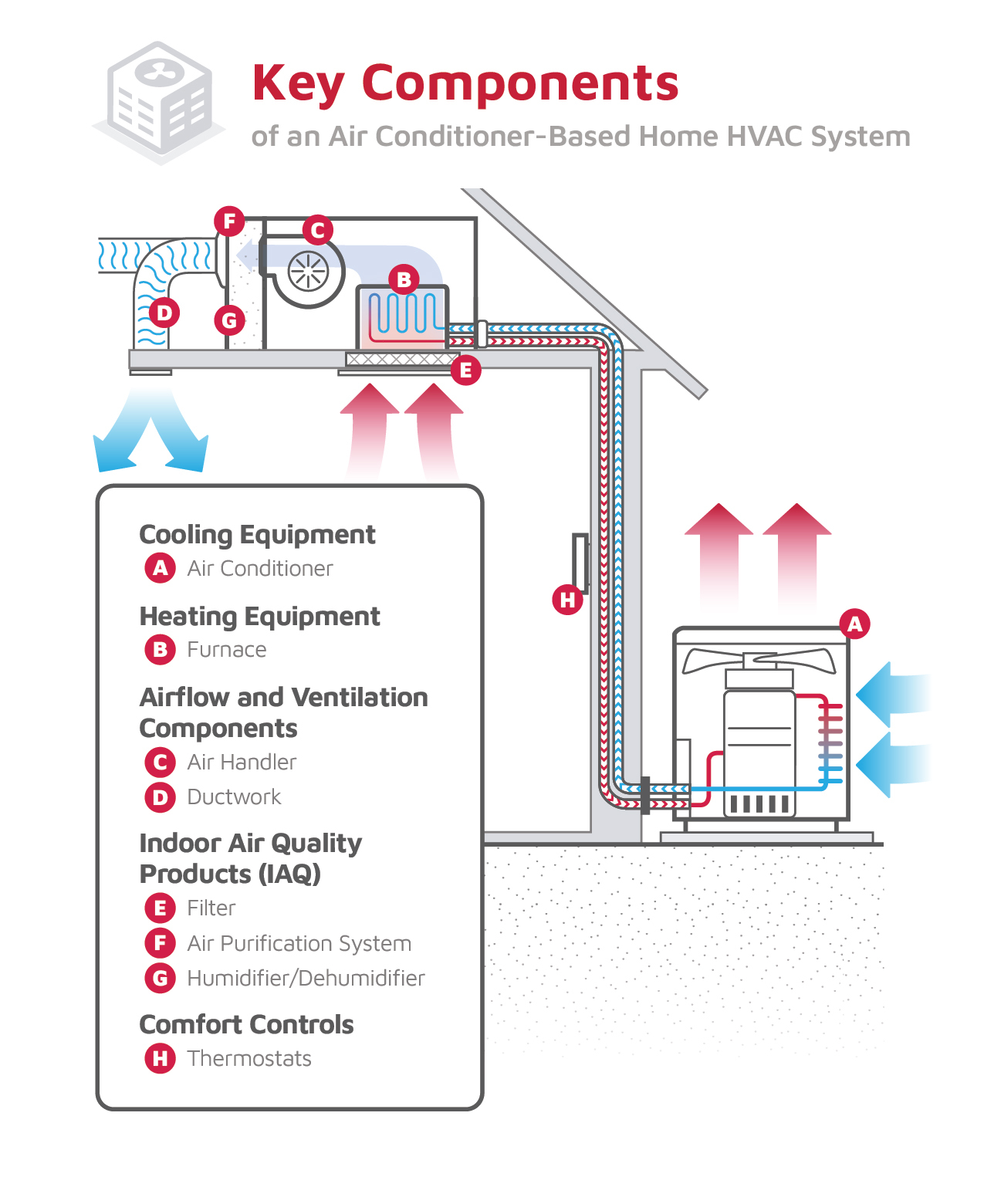
Air conditioners cool indoor spaces by removing heat from the air. New technology has made these systems better and smarter. These improvements help save energy and keep homes comfortable.
Recent advances focus on using less electricity and adding smart features. These changes make air conditioning more efficient and easier to control.
Energy-efficient Designs
Modern air conditioners use parts that reduce energy use. They use better compressors and fans that need less power. These designs help lower electric bills and reduce environmental impact.
Some units use eco-friendly refrigerants that cool better and harm the planet less. Energy-efficient systems also include better insulation and improved airflow.
- Variable speed compressors adjust power to save energy
- High SEER ratings show better energy performance
- Improved heat exchangers transfer heat faster
- Eco-friendly refrigerants replace older harmful types
Smart Cooling Systems
Smart air conditioners connect to Wi-Fi and let users control them remotely. They can learn your schedule and adjust cooling automatically. This saves energy by cooling only when needed.
These systems use sensors to detect room temperature and occupancy. They adjust settings for comfort and efficiency. Smart controls also help diagnose problems early.
- Remote control via smartphone apps
- Automatic temperature adjustments based on use
- Motion sensors detect if a room is empty
- Alerts for maintenance and system issues
Credit: www.lennox.com
Frequently Asked Questions
How Do Air Conditioners Cool Indoor Air Efficiently?
Air conditioners cool indoor air by circulating refrigerant through coils. The refrigerant absorbs heat from inside and releases it outside, lowering indoor temperature effectively.
What Role Does Refrigerant Play In Air Conditioning?
Refrigerant absorbs heat from indoor air and evaporates. It then moves outside, where it releases heat and cools down before repeating the cycle.
Why Is The Compressor Important In Air Conditioners?
The compressor pumps refrigerant through the system and increases its pressure. This process enables the refrigerant to absorb and release heat efficiently, cooling the air.
How Does The Evaporator Coil Help Make Air Cold?
The evaporator coil contains cold refrigerant that absorbs heat from indoor air. This cools the air, which is then blown back into the room.
Conclusion
Air conditioners work by removing heat from the air. They use a refrigerant to cool the air. This process involves compression and expansion. Fans then blow the cool air inside. Understanding this helps in better usage. Regular maintenance ensures efficient performance.
Clean filters and check for leaks. This keeps your unit running well. Save energy and enjoy cooler air. Remember, knowledge leads to smarter choices. Keep cool and stay informed.