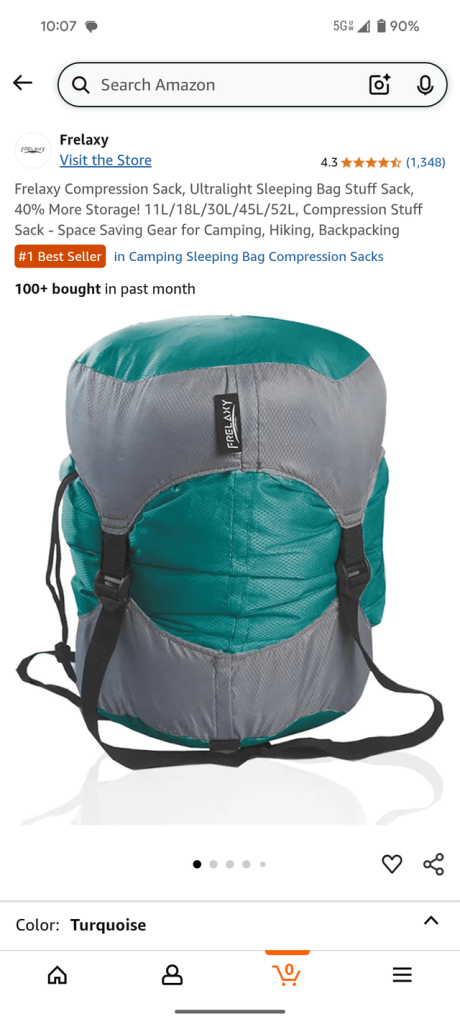
Are you tired of your sleeping bag taking up too much space in your backpack? Imagine packing lighter and making room for all your essentials without sacrificing comfort.
Knowing how to compress a sleeping bag properly can transform your outdoor experience. In this guide, you’ll discover simple, effective techniques to shrink your sleeping bag’s size, making it easier to carry and store. Keep reading to unlock easy steps that will save you space and keep your gear organized on every adventure.
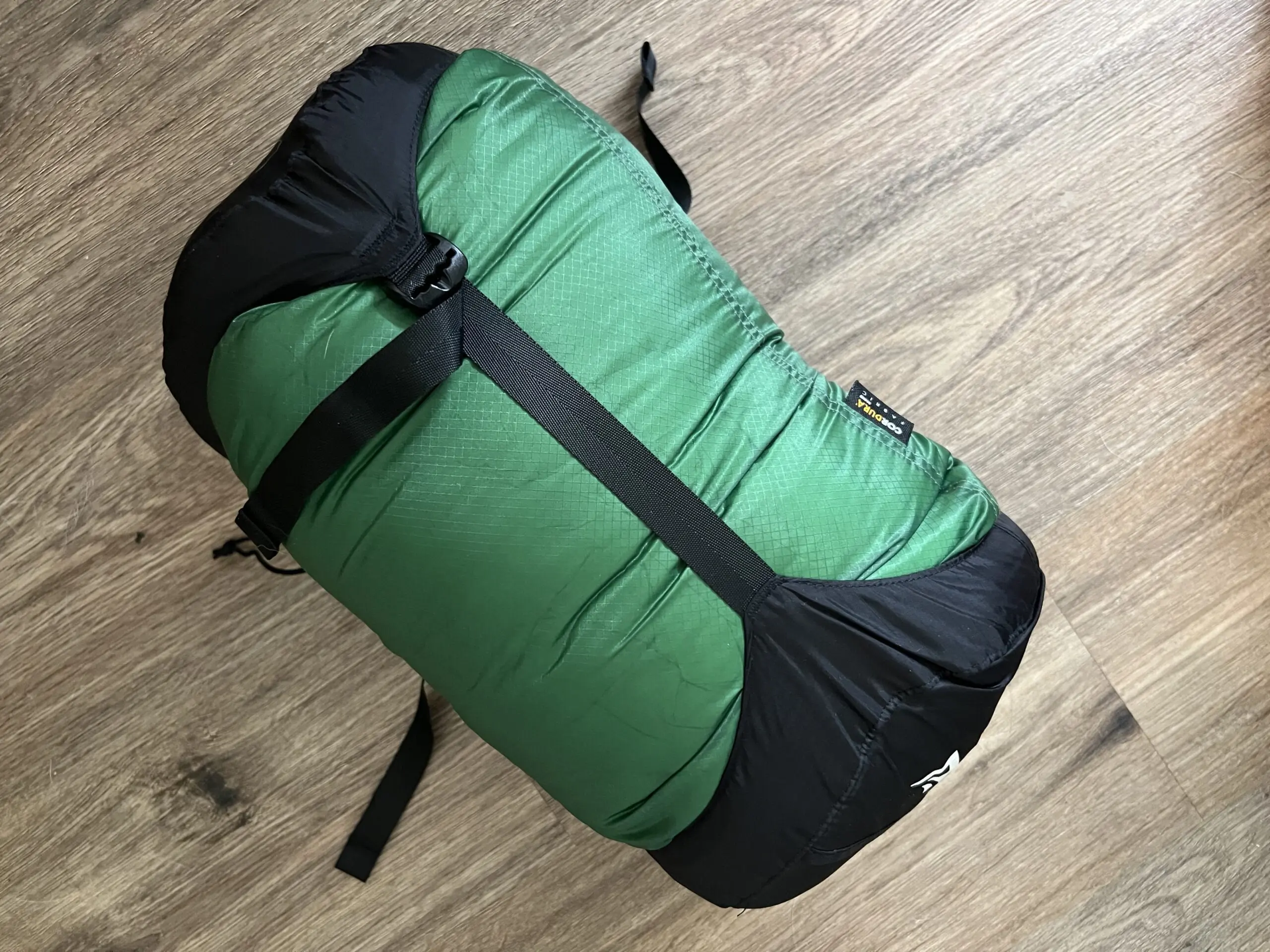
Credit: gearjunkie.com
Benefits Of Compressing Your Sleeping Bag
Compressing your sleeping bag makes it smaller and easier to carry. This helps you save space and keep your gear safe.
Knowing the benefits of compression can improve your hiking and camping experience.
Save Space In Your Backpack
Compressing your sleeping bag reduces its size. This frees up room in your backpack for other gear and supplies.
It helps keep your pack light and well-organized on long trips.
- More space for clothes and food
- Easier to pack other essentials
- Better weight balance in your backpack
Protect Your Sleeping Bag
Compressing your sleeping bag helps protect it from dirt and damage. A tight pack keeps the bag clean and dry.
This also stops the insulation from getting loose or broken.
- Prevents tears and rips
- Keeps insulation in place
- Protects against moisture and dirt
Make Carrying Easier
A compressed sleeping bag is lighter and more compact. This makes it easier to carry on your back or attach to your gear.
You can move faster and feel less tired during your trip.
- Reduces bulk and weight
- Fits better in backpacks or side pockets
- Makes hiking more comfortable

Credit: www.reddit.com
Types Of Sleeping Bags And Their Compressibility
Choosing a sleeping bag means thinking about how easy it packs down. Different types compress differently. This affects how much space they take in your backpack.
Here we look at common sleeping bag types and how well they compress. This helps you pick the right one for your trip.
Down Vs Synthetic Fill
Down sleeping bags use feathers and fluff from ducks or geese. They compress very well and are lightweight. Synthetic bags use man-made fibers that keep warmth even when wet.
- Down:Compresses tightly into small stuff sacks.
- Synthetic:Bulkier and less compressible than down.
- Weight:Down bags are lighter for the same warmth.
- Wet Conditions:Synthetic retains warmth better when damp.
Rectangular Vs Mummy Shape
Sleeping bag shape affects fit and packing size. Rectangular bags offer more room but pack larger. Mummy bags fit closer to the body and compress smaller.
| Shape | Compressibility | Fit |
| Rectangular | Less compressible | Loose and roomy |
| Mummy | Highly compressible | Snug and warm |
Seasonal Considerations
Different seasons need different sleeping bags. Winter bags have more insulation and compress less. Summer bags are lighter and pack smaller.
Here are common seasonal types and their compressibility:
- Summer:Thin, very compressible.
- 3-Season:Medium thickness and compressibility.
- Winter:Thick insulation, least compressible.
Essential Tools For Compression
Compressing a sleeping bag saves space and makes it easier to carry. Using the right tools helps reduce its size without damaging the bag.
Here are some key tools that help you compress your sleeping bag effectively and safely.
Compression Sacks
Compression sacks are bags designed to squeeze out air and reduce bulk. They often have straps to tighten the sack around the sleeping bag.
- Made from durable, water-resistant materials
- Feature adjustable straps or buckles
- Protect the sleeping bag from dirt and moisture
- Available in various sizes for different sleeping bags
Straps And Bands
Straps and bands help apply pressure evenly and keep the sleeping bag tightly rolled. They are simple but effective compression tools.
| Type | Description | Use |
| Elastic Bands | Stretchable bands that hold the bag tight | Wrap around the rolled sleeping bag |
| Adjustable Straps | Straps with buckles for tightening | Secure and compress the bag firmly |
| Velcro Bands | Bands with hook and loop fasteners | Quick to attach and adjust |
Storage Bags
Storage bags keep your sleeping bag safe when not in use. They do not compress the bag but protect it from dust and moisture.
Storage bags come in different styles:
- Large cotton or mesh bags for breathability
- Waterproof nylon bags for wet conditions
- Bags with drawstrings or zippers for easy access
Step-by-step Compression Techniques
Compressing a sleeping bag saves space in your backpack. It also helps keep the bag dry and clean. Follow these steps to compress your sleeping bag properly.
These techniques work well for most types of sleeping bags. Use the one that fits your gear and needs best.
Prepare Your Sleeping Bag
Start by cleaning and drying your sleeping bag completely. Dirt and moisture can damage the insulation over time. Spread it out flat to remove air pockets.
Make sure all zippers and straps are closed. Remove any extra items inside the bag. This makes compression easier and more effective.
Rolling Method
Lay your sleeping bag flat on a clean surface. Fold it lengthwise to make it narrower. Start rolling tightly from the foot end toward the head.
Press out the air as you roll to reduce bulk. Secure the rolled bag with straps or cord. This method works well for quick packing.
- Lay flat and fold lengthwise
- Roll tightly from foot to head
- Press air out while rolling
- Secure with straps or cord
Stuffing Method
Open the sleeping bag wide and start stuffing it into your stuff sack. Push the bag in without folding or rolling. This keeps the insulation loft intact.
Use your hands to press the bag down as you stuff. Fill the sack completely and close it tightly. This method protects the bag’s warmth better than rolling.
- Open bag fully
- Push bag into stuff sack
- Press down to remove air pockets
- Close sack tightly
Using Compression Straps
Place your rolled or stuffed sleeping bag inside a compression sack. Wrap the compression straps around the sack. Tighten the straps evenly to reduce size.
Check that the straps hold the bag firmly without damaging the material. Compression straps help make the bag smaller and easier to carry.
- Use a compression sack
- Wrap straps evenly around sack
- Tighten straps to reduce size
- Ensure straps do not damage fabric
Tips To Maintain Sleeping Bag Longevity
Keeping your sleeping bag in good shape helps it last for many trips. Proper care protects its warmth and comfort.
Follow simple steps to avoid damage and keep your sleeping bag ready to use anytime.
Avoid Over-compression
Do not pack your sleeping bag too tightly for long periods. Over-compression can damage the insulation and reduce loft.
- Use a large storage sack instead of a small stuff sack after trips.
- Limit how long you keep the bag compressed.
- Let the bag fully expand before storing it.
Proper Storage After Trips
Store your sleeping bag in a dry, cool place to avoid mildew and material wear.
| Storage Tip | Why It Helps |
| Hang the bag on a wide hanger | Keeps loft and shape |
| Use a large cotton or mesh storage sack | Allows air circulation |
| Keep away from direct sunlight | Prevents fabric fading and damage |
| Store in a dry room | Stops mold and mildew growth |
Cleaning Before Packing
Clean your sleeping bag before storing it to remove dirt, oils, and sweat that can break down materials.
- Follow the manufacturer’s washing instructions carefully.
- Use gentle, non-detergent soap made for outdoor gear.
- Rinse thoroughly to remove all soap residue.
- Dry completely before packing to avoid mold.

Credit: rokslide.com
Common Mistakes To Avoid
Compressing a sleeping bag saves space in your backpack. Many people make mistakes that damage the bag or reduce its warmth.
Learn what errors to avoid for better sleeping bag care and packing.
Packing When Wet
Packing a wet sleeping bag can cause mold and bad smells. It also damages the insulation inside the bag.
Always dry your sleeping bag before compressing and storing it.
- Air dry the bag fully before packing
- Use a well-ventilated area for drying
- Avoid packing damp or wet bags in compression sacks
Ignoring Manufacturer Guidelines
Each sleeping bag has care rules. Ignoring them can harm the bag’s material and insulation.
Check the label or manual for compression advice. Follow the instructions carefully.
- Use the recommended compression sack size
- Follow washing and drying instructions
- Do not use too much force if warned against it
Forcing Compression
Forcing a sleeping bag into a small sack can damage it. Over-compression breaks down insulation fibers.
Compress your bag gently. Use the right size sack and do not squeeze it too much.
- Choose a compression sack that fits the bag
- Compress evenly without sharp pressure
- Allow the bag to regain loft after unpacking
Alternative Packing Ideas
Packing a sleeping bag efficiently saves space in your backpack. Different methods work better for various trips and gear. Trying alternative packing ideas can help you find the best fit.
This guide covers three useful methods to compress and pack your sleeping bag. Each method offers unique benefits for keeping your bag small and protected.
Using Dry Bags
Dry bags keep your sleeping bag safe from water and dirt. They come in many sizes and materials, often lightweight and durable.
To pack with a dry bag, roll your sleeping bag tightly and insert it inside. Compress the bag by squeezing out air before sealing it.
- Choose a dry bag slightly bigger than your rolled sleeping bag
- Roll the sleeping bag tightly from the foot end
- Push out excess air before sealing the dry bag
- Use compression straps on the dry bag for extra tightness
- Store the dry bag at the bottom of your backpack
Vacuum-sealed Bags
Vacuum-sealed bags remove air to reduce volume. They work best for synthetic sleeping bags but may harm down insulation.
These bags use a vacuum or manual pump to suck air out. This helps save space, especially on longer trips.
| Pros | Cons |
|---|---|
| Significantly reduces size | May damage down insulation |
| Keeps bag dry and clean | Requires pump or vacuum source |
| Easy to use | Can be punctured |
Layering Techniques
Layering helps compress your sleeping bag by removing air pockets. Use smaller bags or compression sacks inside a larger sack.
Here is a simple layering approach:
- Place the sleeping bag inside a compression sack.
- Press and roll the sack to push out air.
- Put the compression sack inside a dry bag for protection.
- Use straps or cords to tighten the dry bag.
- Pack the layered bag in your backpack securely.
Frequently Asked Questions
How Do I Properly Compress A Sleeping Bag?
Start by laying your sleeping bag flat. Roll it tightly from the foot end to the head. Use compression straps or a stuff sack to reduce its size efficiently.
Can Compressing A Sleeping Bag Damage Insulation?
Yes, over-compressing can harm insulation. Avoid long-term compression and store your sleeping bag loosely when not in use to maintain loft and warmth.
What Is The Best Way To Store A Compressed Sleeping Bag?
Store your sleeping bag in a large, breathable storage sack. Avoid leaving it compressed for extended periods to preserve insulation and prolong its life.
How Much Space Can Compression Save In A Backpack?
Compression can reduce sleeping bag volume by up to 50%. This saves significant space, allowing more room for other gear in your backpack.
Conclusion
Compressing a sleeping bag saves space in your backpack. It helps with organization. Follow the steps above for an easy compression process. Start by removing air. Roll or stuff the bag tightly. Use compression straps or sacks. Keep it dry to maintain quality.
Practice makes perfect. Compressing gets easier each time. Enjoy more room for other essentials. Travel light and sleep comfortably. Remember, a well-packed bag enhances your outdoor experience. Stay prepared and organized for your next adventure.