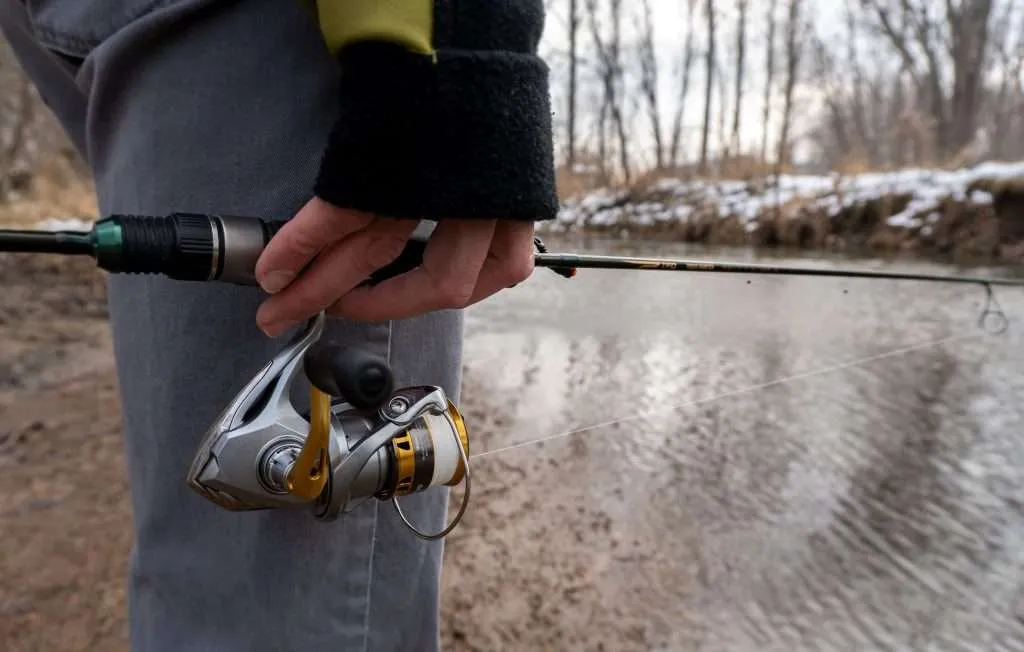
Choosing the right fishing rod length can make all the difference in your fishing experience. You might wonder, “What length fishing rod should I use?” Whether you’re casting from the shore, a boat, or a pier, the rod length affects your casting distance, accuracy, and control.
Getting this right means more fish on your line and less frustration. You’ll discover how to pick the perfect rod length that suits your style and fishing spot, helping you catch more and enjoy every moment out on the water.
Keep reading to find the simple secrets that will improve your fishing game instantly.

Credit: www.reddit.com
Choosing Rod Length
Picking the right fishing rod length can change your fishing experience. The rod length affects how far you can cast and how you handle your catch.
Knowing the differences between short and long rods helps you choose the best one for your fishing style and location.
Short Vs Long Rods
Short rods are usually under 7 feet long. They work well for fishing in tight spaces like small rivers or near rocks.
Long rods are over 7 feet. They help you cast farther and reach fish in open water or from the shore.
- Short rods offer better control in small areas
- Long rods give more power for casting long distances
- Choose based on where you fish most often
Impact On Casting Distance
Longer rods let you cast your line farther. This helps you reach fish that are far from the shore or boat.
Short rods have less casting distance. They work best when fish are close or in narrow spots.
- Long rods increase casting distance by adding leverage
- Short rods limit how far you can cast but improve accuracy
- Think about how far you need to cast before choosing
Maneuverability Factors
Short rods are easier to move around. They help you fish in crowded or tight places.
Long rods are harder to handle in small spaces but give better reach. They take more effort to use for a long time.
- Short rods are light and easy to control
- Long rods can be heavy and less flexible in tight areas
- Choose rod length based on how much space you have to fish
Types Of Fishing Rods
Fishing rods come in different types to suit various fishing styles. The length and design affect how you use them.
Choosing the right rod type helps improve your fishing experience. Each rod type works best for certain fish and water conditions.
Spinning Rods
Spinning rods are popular for their ease of use. They work well with light lures and lines.
These rods have guides that face downward and a reel mounted below the rod. They are good for beginners and casual fishing.
- Length usually ranges from 5 to 7 feet
- Good for freshwater and light saltwater fishing
- Best for casting small baits and lures
Casting Rods
Casting rods have guides on top and a reel seat above the rod. They offer better control for accurate casts.
These rods are used with baitcasting reels. They are preferred for heavier lures and stronger fish.
- Length ranges from 6 to 8 feet
- Good for targeting bigger fish
- Require more skill to use than spinning rods
Fly Rods
Fly rods are long and flexible. They are used with special fly fishing lines instead of regular reels.
These rods help cast lightweight flies over long distances. They work best in rivers and streams.
- Length usually ranges from 7 to 10 feet
- Designed for delicate and precise casting
- Used mainly for trout and salmon fishing
Fishing Environments
Choosing the right fishing rod length depends on where you fish. Different environments need different rod sizes. This helps you cast better and catch more fish.
We will look at freshwater, saltwater, and fishing from boats or shore. Each setting affects the rod length you should use.
Freshwater Settings
Freshwater fishing includes lakes, rivers, and ponds. Rod length varies by water size and fishing style. Short rods work well in small spaces. Longer rods help cast far in open water.
- Short rods (5-7 feet) are good for tight spots and close casting.
- Medium rods (7-8 feet) suit most freshwater fishing situations.
- Long rods (8-10 feet) help in large lakes for long casts.
Saltwater Conditions
Saltwater fishing needs rods that can handle strong fish and rough conditions. Rods must be tough and longer to cast over waves. The rod length also depends on shore or boat fishing.
| Rod Length | Best Use | Notes |
| 7-8 feet | Inshore fishing | Good for casting and control |
| 8-10 feet | Surf fishing | Long casts over waves |
| 6-7 feet | Boat fishing | Easy to handle in tight spaces |
Boat Vs Shore Fishing
Fishing from a boat or shore changes rod length needs. Boats limit space, so shorter rods work best. Shore fishing lets you use longer rods for distance.
Key rod length tips:
- Boat fishing: Use rods 6-7 feet long for easy handling.
- Shore fishing: Use rods 8-10 feet long to cast farther.
- Consider rod power and action with length for best results.

Credit: fishingbooker.com
Fish Species And Rod Length
Choosing the right rod length depends on the type of fish you want to catch. Different fish need different rod sizes for the best results.
Rod length affects casting distance and control. It also impacts how you handle the fish during the fight.
Small Fish Targets
Small fish like panfish or trout require shorter rods. These rods give better control and make it easier to feel bites.
Rods between 5 to 6 feet are good for small fish. They help with quick, accurate casts in tight spaces.
- Short rods improve sensitivity
- Easy to handle in small streams or ponds
- Good for light lines and small lures
Medium-sized Fish
For medium fish like bass or walleye, rods from 6 to 7 feet work well. They balance casting distance and control.
This rod length helps with varied fishing spots. You can cast farther but still keep good rod feel.
- Good for lakes and rivers
- Works with medium-weight lures
- Offers strength to fight bigger fish
Large Fish Challenges
Large fish like pike or catfish need longer rods, usually 7 to 9 feet. These rods give power and casting reach.
Long rods help control strong fish and keep tension on the line. They also allow longer casts to reach deep water.
- Long rods give better leverage
- Needed for heavy lines and big lures
- Help fight powerful fish safely
Casting Techniques And Rod Length
The length of a fishing rod affects how you cast. Different lengths help with various casting techniques.
Choosing the right rod length improves your fishing experience. It changes your control, distance, and speed.
Accuracy Casting
Shorter rods help with accurate casting. They give better control and are easier to aim.
You can place the bait near cover or small spots with accuracy. Rods 6 to 7 feet long work well.
- Better control for precise casts
- Less rod flex for steady aim
- Ideal for fishing in tight spaces
Distance Casting
Long rods help cast farther. They create more power and allow longer line throws.
Rods over 8 feet are good for distance. They let you reach deeper water or far spots.
- More leverage for longer casts
- Better for open water fishing
- Can handle heavier lures or bait
Quick Retrievals
Shorter rods help retrieve lures quickly. They respond faster to your movements.
Fast retrievals suit active fishing styles. Rods around 6 to 7 feet make it easier.
- Better rod tip control
- Faster reaction to fish bites
- Less effort to speed up lure
Credit: goofishrod.com
Material And Action Influence
The length of a fishing rod depends on its material and action. These factors change how the rod feels and works.
Choosing the right rod means thinking about what material it is made of and how it bends and reacts.
Rod Materials
Fishing rods use different materials like fiberglass, graphite, or composite blends. Each material affects weight and strength.
Fiberglass rods are heavier but very strong. Graphite rods are light and sensitive. Composite rods mix both to balance power and feel.
- Fiberglass: durable and flexible, good for beginners
- Graphite: light and sensitive, ideal for long casts
- Composite: combines strength and sensitivity
Action Types
Rod action means how much and where the rod bends when pressure is applied. It affects casting and fish control.
Fast action rods bend near the tip. Medium action rods bend in the middle. Slow action rods bend along the whole rod.
- Fast action: best for long casts and big fish
- Medium action: good all-round use
- Slow action: gentle bend, helps with small fish
Flexibility And Strength
Flexibility and strength affect how the rod handles fish and casting. A flexible rod bends more but may lack power.
Stronger rods hold firm under pressure and give better control with bigger fish. The choice depends on fishing style and target fish.
- Flexible rods are good for small fish and delicate bites
- Strong rods work well for heavy fish and rough conditions
- Balance is key for most fishing needs
Portability And Storage
Choosing the right fishing rod length affects how easy it is to carry and store. Shorter rods usually fit better in small spaces. They are easier to pack for trips.
Longer rods can be harder to transport. They need more room and special cases. Think about how you will move your rod before buying.
Travel Rod Options
Travel rods are made to be compact and easy to carry. They often come in sections that fit into a small bag. This makes them ideal for trips and hikes.
- Telescopic rods collapse to a short length for storage.
- Multi-piece rods break into sections for easy packing.
- Some travel rods come with protective cases for safety.
- Lightweight materials reduce the load when carrying.
Rod Maintenance Tips
Proper care keeps your fishing rod safe and ready to use. Clean and store it well to avoid damage. Good maintenance helps the rod last longer.
| Maintenance Task | Reason |
| Wipe down rod after use | Remove dirt and salt to prevent corrosion |
| Check guides and reel seat | Ensure parts are tight and undamaged |
| Store rod in a dry place | Prevent mold and warping |
| Use rod cases | Protect during transport and storage |
Budget Considerations
Choosing the right fishing rod length is important for your fishing style. Your budget plays a big role in this choice. You want a rod that fits your needs and price range.
It helps to know what options exist for different budgets. This way, you can find the best rod without spending too much money.
Affordable Rod Choices
There are many fishing rods that cost less but work well. These rods often use simple materials but still offer good performance. They are great for beginners or casual fishers.
Look for rods made from fiberglass or basic graphite. These rods come in many lengths and types. You can find a rod around your preferred length without spending a lot.
- Fiberglass rods are durable and affordable
- Basic graphite rods are lightweight and cheaper
- Longer rods may cost a bit more but still fit budgets
Investing In Quality
Spending more on a fishing rod can bring better quality. Higher-end rods use strong materials and precise designs. This improves casting and control, especially with longer rods.
Quality rods last longer and feel better to use. They often have better guides and handles. If you fish often, a good rod can be a smart investment.
- Carbon fiber rods offer strength and light weight
- High-quality rods have smooth guides for better casting
- Good grips improve comfort during long fishing trips
Frequently Asked Questions
What Is The Ideal Fishing Rod Length For Beginners?
For beginners, a rod length of 6 to 7 feet is ideal. It offers better control and accuracy while casting. This length suits most fishing environments and fish types. It helps new anglers learn casting techniques comfortably.
How Does Fishing Rod Length Affect Casting Distance?
Longer rods generally increase casting distance. They provide more leverage and power during the cast. However, very long rods can be harder to control. Choosing the right length depends on your fishing style and environment.
Which Fishing Rod Length Is Best For Freshwater Fishing?
A rod between 6 and 7 feet is best for freshwater fishing. It offers good balance and control for lakes and rivers. This length allows accurate casting in confined spaces and is versatile for various fish species.
Can A Longer Fishing Rod Improve Fishing Accuracy?
Not always. Longer rods can cast farther but may reduce precision. Shorter rods provide better control for accurate casts. Choose rod length based on your fishing technique and target fish.
Conclusion
Choosing the right fishing rod length is crucial for success. Consider your fishing environment and target fish species. Short rods offer more control, ideal for close-range fishing. Long rods cast further, perfect for open waters. Match rod length to your fishing style and needs.
Experiment with different lengths to find what works best. This helps improve your fishing experience. With the right rod, fishing becomes more enjoyable and effective. Remember, each fishing trip can teach you something new. Happy fishing, and may your catches be plentiful!