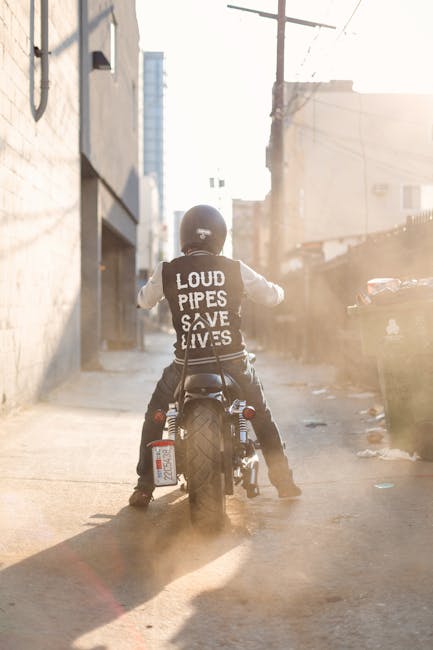
Are you really safe when riding your bike without a helmet? You might think it’s just an extra piece of gear, but what if that helmet is the one thing that could protect your head in a split second?
Whether you ride for fun, exercise, or commuting, understanding the rules and the real benefits of wearing a helmet can make all the difference. Keep reading to find out if you have to wear a helmet when riding a bike—and why it matters more than you might realize.
Your safety is worth knowing the facts.
Helmet Laws By Region
Wearing a helmet while riding a bike is often required by law. Different regions have different rules about helmets. Knowing these rules helps you stay safe and follow the law.
This guide explains helmet laws for adults and children. It also covers how local rules can change from place to place.
Helmet Requirements For Adults
Many regions do not require adults to wear helmets when riding bikes. Some places only need helmets in certain situations, like riding on busy roads.
Other areas may have strict helmet laws for all riders, regardless of age. It is important for adults to check local rules before riding.
- Some states require helmets for all bike riders.
- Others only require helmets on certain roads or trails.
- Some places have no helmet laws for adults.
Helmet Rules For Children
Helmet laws for children are stricter in most regions. Many places require children under a certain age to wear helmets at all times.
The age limit usually ranges from 12 to 18 years old. Parents and guardians must ensure children wear helmets to avoid fines.
- Children under 12 often must wear helmets by law.
- Some regions require helmets for children up to age 18.
- Failing to wear helmets can lead to fines or penalties.
Variations In Local Regulations
Local rules can vary widely even within the same country. Some cities or counties have their own helmet laws different from state or national laws.
It is best to check local government websites for specific helmet rules where you live or plan to ride.
| Region Type | Helmet Law Example |
|---|---|
| State | Helmets required for under 16 years old |
| City | Helmets required for all riders on public trails |
| County | No helmet law for adults, children must wear helmets |
Credit: www.emotorad.com
Benefits Of Wearing A Helmet
Wearing a helmet is a simple way to protect yourself while riding a bike. It helps keep your head safe in case of a fall or accident.
Many riders feel safer and more confident when they wear a helmet. It also helps others see you better on the road.
Reducing Head Injury Risks
Helmets are designed to absorb shock and protect your skull. They reduce the chance of serious head injuries during crashes.
- Protects the brain from impact
- Prevents cuts and bruises on the head
- Lowers the risk of concussion
- Can save your life in a serious accident
Improving Visibility And Safety
Bright or reflective helmets make you easier to see. This is very important, especially when riding at night or in bad weather.
| Helmet Feature | Safety Benefit |
| Bright colors | Increases visibility to drivers |
| Reflective strips | Reflects light in low light conditions |
| Built-in lights | Improves rider awareness on the road |
Enhancing Confidence While Riding
Wearing a helmet can help you feel safer and more ready to ride. Confidence can improve your control and focus on the road.
- Reduces fear of injury
- Encourages safer riding habits
- Supports longer and more enjoyable rides
Types Of Bike Helmets
Wearing a helmet is important for bike safety. Different helmets fit different types of riding.
Choosing the right helmet helps protect your head and makes your ride more comfortable.
Road Bike Helmets
Road bike helmets are light and designed for speed. They have many vents to keep your head cool.
These helmets focus on aerodynamics to reduce wind resistance while riding fast.
- Lightweight and well-ventilated
- Streamlined shape for less wind drag
- Usually bright colors for visibility
Mountain Bike Helmets
Mountain bike helmets offer more coverage for rough trails. They often include visors to block sun and debris.
These helmets are built to protect from impacts on uneven and rocky terrain.
- Stronger shell and extra padding
- Visor to shield eyes from sun and branches
- Good ventilation but less than road helmets
Commuter And Urban Helmets
Commuter helmets focus on comfort and style for city riding. They often include lights or reflective parts.
These helmets balance safety and everyday use for short trips and traffic.
- Sleek design with good ventilation
- Reflective elements for better visibility
- Built-in lights in some models

Credit: www.bike-sfl.at
Choosing The Right Helmet
Wearing a helmet protects your head while riding a bike. Choosing the right helmet helps keep you safe and comfortable.
It is important to pick a helmet that fits well, meets safety standards, and feels good to wear.
Proper Fit And Sizing
A helmet must fit snugly without causing pain. Too loose or too tight helmets reduce protection.
- Measure your head circumference with a tape measure.
- Try helmets that match your head size.
- Adjust straps to keep the helmet stable.
- Check that the helmet sits level on your head.
- Make sure it does not move when you shake your head.
Safety Certifications To Look For
Safety certifications show that a helmet meets testing standards. Look for these labels before buying.
| Certification | Country | Description |
| CPSC | USA | Required for all bike helmets sold in the U.S. |
| CE EN 1078 | Europe | Common European standard for bike helmets. |
| AS/NZS 2063 | Australia/New Zealand | Helmet safety standard for these countries. |
Comfort And Ventilation Features
Comfort helps you keep the helmet on for long rides. Ventilation keeps your head cool and dry.
- Soft padding inside the helmet.
- Multiple air vents for airflow.
- Adjustable straps and dial fit systems.
- Lightweight materials that reduce fatigue.
Common Misconceptions About Helmets
Many people do not wear helmets because of wrong ideas. These myths can stop riders from staying safe.
This article clears up some common mistakes about helmets and their use while biking.
Helmets And Style Concerns
Some riders think helmets look bad or ruin their style. They avoid wearing one to keep a certain image.
- Helmets come in many colors and designs to match your style.
- Modern helmets are light and sleek, not bulky.
- Wearing a helmet shows you care about safety, not just style.
Helmets Only For Beginners
Some think helmets are only for new or young riders. This is not true. All riders need protection.
- Experienced riders face risks just like beginners.
- Helmets reduce injuries for all skill levels.
- Riding safely means wearing a helmet every time.
Helmet Effectiveness In Crashes
Some doubt if helmets really help in crashes. Research shows helmets save lives and reduce injury.
| Crash Type | Helmet Protection |
|---|---|
| Low-speed fall | High protection, reduces cuts and bruises |
| High-speed collision | Reduces risk of serious head injury |
| Side impact | Protects skull and brain from severe damage |
Tips For Helmet Maintenance
Wearing a helmet keeps you safe while riding a bike. To keep it working well, you must take care of it. Good helmet maintenance helps protect your head better.
Follow simple tips to clean, store, and know when to replace your helmet. This guide shows easy ways to keep your helmet in top shape.
Cleaning And Care
Clean your helmet often to remove dirt and sweat. Use mild soap and warm water. Avoid strong chemicals that can harm the helmet’s material.
Use a soft cloth or sponge to wipe the outside and inside. Let the helmet air dry at room temperature. Do not use a hairdryer or heater.
- Use mild soap and warm water
- Wipe with a soft cloth or sponge
- Air dry the helmet naturally
- Avoid harsh cleaners and heat
When To Replace Your Helmet
Replace your helmet after a crash, even if you see no damage. The inside foam may be weak and unsafe. Helmets lose their strength over time.
Most helmets last about five years. Check the manufacturer’s label for the exact time. Replace your helmet if straps or parts break.
- Replace after any crash
- Check the helmet’s age (usually 5 years)
- Replace if straps or parts are damaged
- Do not use helmets with cracks or dents
Storing Your Helmet Properly
Store your helmet in a cool, dry place. Keep it away from direct sunlight and heat sources. Heat can weaken the helmet materials.
Do not hang the helmet by its straps. This can stretch or damage them. Use a soft surface or helmet bag for storage.
- Keep helmet in a cool, dry spot
- Avoid sunlight and heat exposure
- Do not hang by the straps
- Use a soft surface or helmet bag
Additional Safety Gear For Cyclists
Wearing a helmet is important for bike safety. Other gear can also protect you while riding.
This gear helps you stay visible, comfortable, and safe on the road or trail.
Reflective Clothing And Lights
Reflective clothing makes you easier to see in low light. Lights help others notice you.
Use bright colors and reflective strips on jackets or vests. Front and rear bike lights are key.
- Wear a reflective vest or jacket
- Attach white light to the front of your bike
- Attach red light or reflector to the rear
- Use blinking lights to catch attention
Gloves And Protective Pads
Gloves protect your hands from scrapes and cold. Pads shield elbows and knees from falls.
Choose gloves with padding for comfort. Use pads when riding on rough or challenging trails.
- Full-finger gloves improve grip and safety
- Elbow pads reduce injury from impact
- Knee pads protect joints during crashes
- Wear comfortable and breathable materials
Bike Maintenance For Safety
Check your bike before every ride. Proper maintenance prevents accidents caused by mechanical problems.
Keep tires inflated and brakes working well. Clean and oil your chain regularly for smooth riding.
- Inspect tires for wear and correct air pressure
- Test brakes to ensure quick stopping
- Lubricate chain to avoid rust and noise
- Tighten loose bolts and parts

Credit: www.reddit.com
Frequently Asked Questions
Do You Have To Wear A Helmet When Riding A Bike?
Wearing a helmet while biking is highly recommended for safety. Many regions legally require helmets to prevent head injuries. Helmets significantly reduce the risk of serious brain damage during accidents. Always check local laws and prioritize safety by wearing a certified helmet.
What Are The Legal Helmet Laws For Cyclists?
Helmet laws vary by location. Some places mandate helmets for all cyclists; others only for minors. It’s essential to know your area’s regulations to avoid fines. Even where not required, wearing a helmet is a wise safety choice.
Can A Helmet Prevent Serious Biking Injuries?
Yes, helmets protect your head by absorbing impact during crashes. They reduce the severity of head injuries and brain trauma. Wearing a helmet dramatically lowers the risk of fatal accidents. Helmets are a critical safety gear for every cyclist.
Are There Any Risks Of Not Wearing A Helmet?
Not wearing a helmet increases the risk of severe head injuries in crashes. It can lead to permanent brain damage or death. Helmets provide essential protection and reduce medical costs and recovery time. Always wear a helmet to stay safe while biking.
Conclusion
Wearing a helmet is a smart choice for bike riders. It protects your head from injuries. Many places require helmets by law. Even if it’s not the law, safety matters. Helmets can save lives and prevent accidents. Choose one that fits well and feels comfortable.
Kids and adults should both wear helmets. It sets a good example for others too. Riding with a helmet is a simple way to stay safe. So, next time you ride, consider your safety. Make helmets a habit. Your life is precious.
Protect it wisely.