Have you ever wondered if your air conditioner is blowing the right temperature? It’s not just about feeling cool—getting the perfect temperature can save you money and keep your home comfortable all day long.
If your AC is too cold, you might be wasting energy and hurting your wallet. If it’s not cold enough, you’ll stay uncomfortable and restless. You’ll discover exactly what temperature your air conditioner should blow to keep you comfortable, save energy, and protect your unit.
Keep reading to find out how to get the most from your AC and beat the heat smartly.
Credit: www.carrier.com
Ideal Air Conditioner Temperature
Setting the right temperature for your air conditioner is important. It helps keep you comfortable and saves energy.
The air conditioner should blow air at a temperature that cools the room without using too much power.
Recommended Temperature Range
The best temperature for air conditioners is usually between 72°F and 78°F (22°C to 26°C). This range keeps most people comfortable.
Choosing a temperature too low makes the AC work harder and wastes energy. A temperature too high might not cool well.
- 72°F (22°C) is cool and comfortable for most rooms
- 75°F (24°C) saves energy while keeping cool
- 78°F (26°C) is good for saving the most energy
Balancing Comfort And Energy Use
Finding a balance between comfort and energy use helps lower your electricity bills. Setting the AC too cold is costly.
You can save energy by increasing the temperature when no one is home or during cooler parts of the day.
- Set the AC to 75°F (24°C) when at home
- Raise temperature to 78°F (26°C) when away
- Use fans to help air circulation
- Close curtains to block heat from sunlight
Factors Influencing Ac Temperature
Setting the right temperature for your air conditioner depends on many things. It is not the same for every room or day.
Knowing what changes the AC temperature helps you stay comfortable and save energy.
Room Size And Insulation
Bigger rooms need colder air to feel cool. Smaller rooms cool down faster with less cold air.
Good insulation keeps cool air inside and hot air outside. Poor insulation makes the AC work harder.
- Large rooms may need a lower temperature setting
- Well-insulated rooms hold cool air longer
- Rooms with poor insulation lose cool air quickly
Outdoor Weather Conditions
The outside temperature affects how hard your AC must work. Hotter days need cooler air from the AC.
High humidity makes the room feel warmer, so the AC may need to be set lower.
- Hot days require lower AC temperature
- Cool days allow higher AC temperature
- Humid weather feels warmer inside
Number Of Occupants
More people in a room produce more body heat. This heat can raise the room temperature quickly.
To keep the room comfortable, the AC may need a lower temperature when many people are inside.
- More occupants increase room temperature
- Lower AC settings help cool crowded rooms
- Fewer people allow for higher AC temperature
Energy Saving Strategies
Setting the right temperature for your air conditioner saves energy and lowers bills. Small changes in how you use your AC can make a big difference.
Learn simple ways to control your air conditioner efficiently. These tips help keep your home cool without wasting energy.
Using Programmable Thermostats
Programmable thermostats let you set the AC temperature for different times of the day. You can program it to cool your home before you arrive and save energy when you leave.
- Set higher temperatures during daytime if no one is home.
- Lower the temperature before you return to stay comfortable.
- Use preset schedules for weekdays and weekends.
- Adjust settings seasonally for best results.
Adjusting Temperature When Away
Raising the temperature while you are away saves energy without harming your home. Avoid setting the AC too cold when you return, or it will work harder.
| Situation | Recommended Temperature (°F) |
| At home | 72 – 75 |
| Away for a few hours | 78 – 80 |
| Away all day | 80 – 85 |
Regular Maintenance Tips
Keeping your air conditioner in good shape helps it run efficiently. Clean filters and check parts often to avoid energy waste.
- Clean or replace filters every 1-3 months.
- Check and clean coils yearly.
- Inspect and clear the drain line.
- Seal leaks in ducts and windows.
- Schedule professional tune-ups annually.

Credit: www.reddit.com
Health And Comfort Considerations
Setting the right temperature for your air conditioner is important for health and comfort. Too cold or too warm air can cause discomfort or health issues.
Keeping a balance helps you stay comfortable and avoid problems like dry skin or allergies.
Avoiding Overcooling
Air conditioners should not blow air that is too cold. Overcooling can cause muscle stiffness and headaches. It also wastes energy.
Keep the temperature around 24-26°C (75-78°F) for good comfort. Avoid setting the AC lower than 22°C (72°F).
- Set thermostat to a moderate temperature
- Use a fan to help air circulate
- Dress in light clothing indoors
Humidity Control
Air conditioners help lower humidity, which keeps the air fresh. Too much humidity can cause mold and dust mites.
Keep indoor humidity between 40% and 60%. This range helps you feel comfortable and protects your health.
- Use AC settings to reduce moisture
- Use a dehumidifier if needed
- Open windows briefly to air out rooms
Air Quality Management
Good air quality keeps you healthy. Air conditioners should not blow dirty or stale air.
Change filters regularly and clean vents to keep air clean. This reduces allergies and breathing problems.
- Replace AC filters every 1-3 months
- Clean air vents and ducts often
- Use air purifiers for better air quality
Troubleshooting Temperature Issues
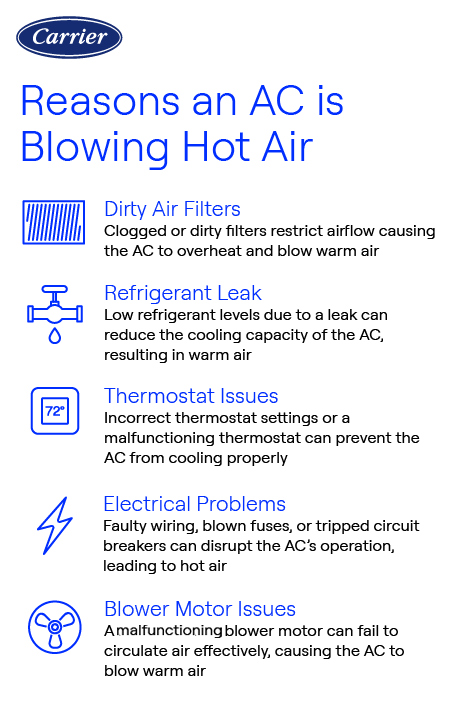
Air conditioners should blow air at a comfortable temperature. Sometimes, the air feels too cold or too warm. This can mean your AC has a problem.
Knowing how to find and fix temperature problems helps keep your home comfy. It also saves you from big repair costs later.
Why Ac Feels Too Cold Or Warm
If your AC blows air that is too cold, it may be set too low or have a dirty air filter. Too warm air can mean blocked vents or low refrigerant.
Other causes include a broken thermostat or a fan that does not work right. The temperature setting on the thermostat might also be wrong.
- Thermostat set too low or high
- Dirty or clogged air filters
- Blocked or closed vents
- Low refrigerant levels
- Faulty thermostat
- Fan not working properly
Common Ac Malfunctions
Air conditioners can stop cooling well for many reasons. A dirty condenser coil can reduce cooling. A frozen evaporator coil also causes problems.
Electrical issues like a broken capacitor or a bad compressor can stop the AC from working. Leaks in the refrigerant line make cooling weak.
- Dirty condenser coil
- Frozen evaporator coil
- Electrical problems (capacitor, compressor)
- Refrigerant leaks
- Clogged drain line
When To Call A Professional
Some AC problems need expert help. Call a professional if your AC does not cool after you clean the filter and check settings.
Do not try to fix electrical parts or refrigerant leaks by yourself. A trained technician has the tools and skills to fix these safely.
- AC not cooling after basic checks
- Strange noises or smells from AC
- Water leaks or frozen coils
- Electrical or refrigerant issues
- Frequent on/off cycling

Credit: northnjhvac.com
Frequently Asked Questions
What Is The Ideal Temperature For Ac To Blow Cold Air?
The ideal temperature for an AC to blow cold air is between 55°F and 65°F. This range ensures efficient cooling and comfort without overworking the unit. Temperatures below 55°F may cause frost buildup and reduce efficiency.
How To Check If Ac Temperature Is Set Correctly?
To check if your AC temperature is set correctly, use a thermometer near the vents. Compare the reading with the thermostat setting. Proper cooling typically means the vent temperature is about 15-20°F cooler than the room temperature.
Why Is My Air Conditioner Blowing Warm Air?
An AC blowing warm air often indicates issues like dirty filters, low refrigerant, or faulty compressors. It may also result from incorrect thermostat settings. Regular maintenance helps prevent these problems and ensures the AC blows cold air consistently.
How Does Ambient Temperature Affect Ac Blowing Temperature?
Ambient temperature affects how cold the AC blows air. Higher outdoor temperatures make it harder for the AC to cool efficiently. The unit works harder, which can increase the air temperature coming from the vents slightly.
Conclusion
Finding the right air conditioner temperature is key. It ensures comfort and energy savings. Aim for 72°F to 78°F indoors. This range suits most needs. Experiment within this range for personal comfort. Adjust slightly for weather changes. Consistent settings help maintain efficiency.
Regular maintenance also boosts performance. Clean filters and vents often. A well-tuned system runs smoothly. Comfortable temperatures can improve sleep and productivity. Feel relaxed in your home, all year round. Remember, small adjustments make a big difference. Stay cool and conserve energy wisely.
Your comfort and wallet will thank you.