Is your air conditioner blowing warm air or not cooling your home like it used to? You might have a frozen AC coil, a common issue that can stop your unit from working properly.
Knowing how to tell if your air conditioner is frozen can save you from a costly repair or a hot, uncomfortable day. You’ll discover the simple signs to watch for and what to do if you spot ice on your AC.
Keep reading to protect your comfort and keep your air conditioner running smoothly all season long.
Common Signs Of A Frozen Ac
Your air conditioner may freeze up if it is not working properly. A frozen AC can cause discomfort and damage to the system.
Knowing the signs of a frozen AC helps you take action early. Look for these common signs to protect your unit.
Visible Ice On Coils
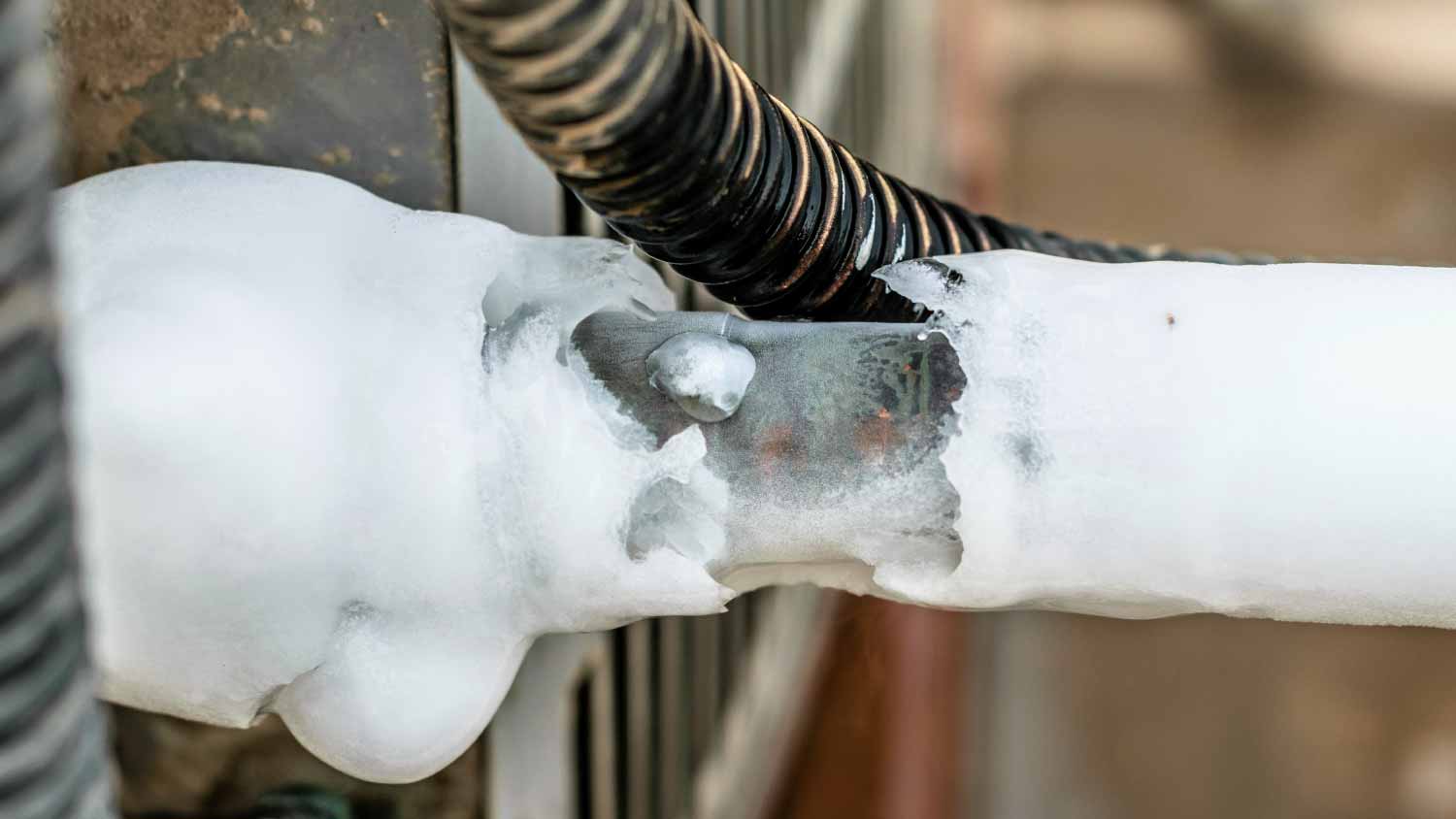
One clear sign of a frozen AC is ice on the coils. The coils are usually inside the outdoor unit or near the blower.
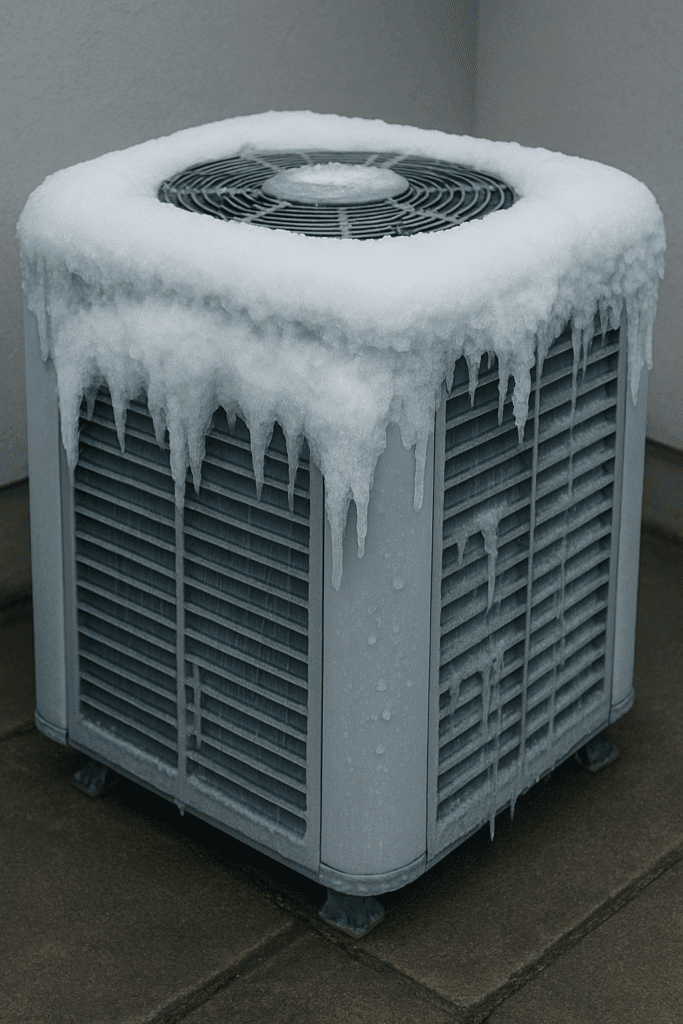
If you see white or blue ice forming on the coils, the unit is frozen. This ice blocks airflow and stops cooling.
Reduced Airflow
When your AC is frozen, less air comes out of the vents. The ice stops air from moving freely through the system.
You might notice the fan is running but the air feels weak. This low airflow can make your room warm and uncomfortable.
Unusual Noises
A frozen AC often makes strange sounds. You might hear banging, clanking, or hissing noises coming from the unit.
These noises happen because ice restricts moving parts. The system struggles to work properly, causing odd sounds.
Warm Air From Vents
If your AC blows warm air instead of cool, it may be frozen. Ice on the coils stops the cooling process.
The system tries to cool but can only send warm air. This is a common sign your AC needs attention.
Why Ac Units Freeze
Air conditioners can freeze for several reasons. A frozen AC unit stops cooling your home properly. Understanding why this happens helps you fix the problem.
Common causes include low refrigerant, dirty filters, blocked airflow, and thermostat issues. Each factor affects the cooling system differently.
Low Refrigerant Levels
Refrigerant cools the air inside your home. If there is not enough refrigerant, the coils get too cold. This causes ice to form on the unit.
Leaks or poor maintenance can lower refrigerant levels. A professional should check and refill the refrigerant to avoid damage.
Dirty Air Filters
Air filters clean the air before it reaches the AC coils. Dirty filters block air flow. This makes coils colder and causes freezing.
- Change filters every 1-3 months
- Use the right filter size for your unit
- Check filters more often in dusty areas
- Clean reusable filters regularly
Blocked Airflow
Air needs to flow freely to keep your AC working well. Blocked vents or closed registers reduce airflow. This can cause the unit to freeze.
| Cause | Effect |
|---|---|
| Closed Vents | Less air reaches the coils |
| Furniture Blocking Vents | Airflow decreases, coils get cold |
| Dirty Evaporator Coils | Cooling drops, ice forms |
Thermostat Issues
If the thermostat is faulty or set too low, the AC runs too long. This causes the coils to freeze from overcooling. Check the thermostat settings.
Replace old thermostats or batteries if the unit does not respond well. Proper thermostat function helps prevent freezing and saves energy.
Immediate Steps To Take
Noticing your air conditioner is frozen can be worrying. Acting fast helps prevent damage.
Follow these steps to safely handle a frozen AC unit and get it working again.
Turn Off The Ac
First, switch off your air conditioner to stop more ice from forming. This protects the unit’s parts from damage.
Allow Ice To Melt
Do not try to chip away the ice. Let it melt on its own to avoid hurting the AC.
- Keep the AC off during this time.
- Use a fan to help the air circulate.
- Place towels to catch dripping water.
Check And Replace Filters
Dirty filters block airflow and cause freezing. Check your air filter right away.
| Filter Condition | Action |
|---|---|
| Lightly dirty | Clean and reinstall |
| Very dirty or damaged | Replace with a new filter |
Inspect Air Vents
Blocked vents reduce airflow, which can freeze the AC. Make sure all vents are open and clear.
- Remove any furniture or objects blocking vents.
- Clean vents of dust and debris.
- Check for closed or partially closed vents.
Credit: www.angi.com
Preventing Future Freezing
Frozen air conditioners can stop working and cause damage. It is important to prevent freezing to keep your unit healthy. Simple steps help avoid ice build-up on your system.
Follow these tips to keep your air conditioner running smoothly and prevent future freezing problems.
Regular Maintenance Tips
Cleaning and checking your air conditioner regularly stops ice from forming. Dirt and dust block the airflow and cause the coils to freeze.
- Clean or replace the air filters every 1 to 3 months.
- Remove debris from around the outdoor unit.
- Check the evaporator coil for dirt and clean it carefully.
- Make sure the condensate drain is clear to avoid water buildup.
Proper Thermostat Settings
Setting your thermostat too low can cause your air conditioner to freeze. Keep the temperature at a steady level to avoid freezing issues.
- Set the thermostat between 72°F and 78°F for cooling.
- Avoid sudden temperature changes that make the unit work too hard.
- Use a programmable thermostat to keep a consistent temperature.
Ensuring Adequate Airflow
Good airflow prevents ice from forming on your air conditioner. Blocked vents and closed registers reduce air movement and cause freezing.
| Cause | Effect |
| Blocked air vents | Reduced airflow and frozen coils |
| Closed supply registers | Uneven cooling and ice build-up |
| Dirty air filters | Restricted airflow and frozen parts |
Scheduling Professional Inspections
Experts can find problems early and fix them before ice forms. Regular inspections keep your system running well all season.
- Schedule a checkup at least once a year.
- Have a technician clean coils and check refrigerant levels.
- Ask for a full system inspection to catch hidden issues.
When To Call A Technician
Air conditioners can freeze for different reasons. Some problems you can fix yourself.
Other issues need a trained technician to check and repair the system.
Persistent Freezing Issues
If your air conditioner freezes often, it is a sign of a bigger problem. Repeated freezing can damage the unit.
Call a technician if the ice does not melt after turning off the AC for a while.
Refrigerant Leak Concerns
Low refrigerant can cause the AC coil to freeze. Refrigerant leaks need professional repair.
A technician will find and fix the leak, then recharge the system with refrigerant.
Electrical Problems
Electrical issues can stop the fan from running, causing the AC to freeze. These problems are unsafe to fix yourself.
Call a technician if you notice strange noises or your AC stops working suddenly.
System Efficiency Drops
A frozen air conditioner often works less efficiently. This raises energy bills and lowers comfort.
If your AC cools less or uses more power, a technician can diagnose and fix the issue.
Credit: bellplumbing.com

Credit: www.denommeeplumbing.com
Frequently Asked Questions
How Can I Tell If My Air Conditioner Is Frozen?
Look for ice buildup on the evaporator coils or refrigerant lines. Reduced airflow or cold air loss also indicates freezing. Your AC may emit a musty smell or make unusual noises when frozen.
What Causes An Air Conditioner To Freeze Up?
Low refrigerant levels, dirty air filters, or blocked airflow often cause freezing. Faulty blower fans or thermostat issues can also lead to ice formation on the unit.
Can A Frozen Air Conditioner Damage My System?
Yes, ice can damage the compressor or fan motor. Running a frozen AC strains components, leading to costly repairs. Immediate attention is crucial to prevent long-term damage.
How Do I Defrost A Frozen Air Conditioner?
Turn off your AC and let the ice melt naturally. Use a fan to speed up melting, but avoid using sharp objects. Check filters and airflow before restarting the unit.
Conclusion
Recognizing a frozen air conditioner is crucial for its performance. Key signs include restricted airflow and ice formation on coils. Regular maintenance prevents these issues. Check filters and ensure proper ventilation. Also, inspect refrigerant levels. If problems persist, call a professional.
Prompt action prevents damage and keeps your home comfortable. Keep an eye out for unusual noises or leaks. Stay proactive to extend your AC’s lifespan. Understanding these basics helps you manage your air conditioner effectively. A little care goes a long way.
Always prioritize regular checks to maintain efficiency and comfort in your home.