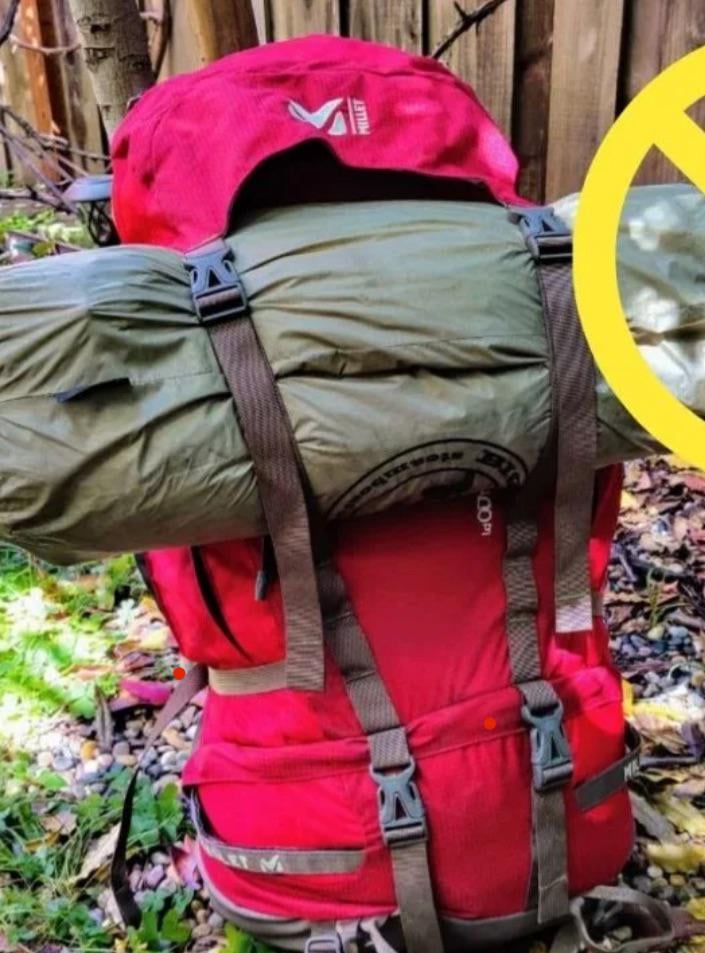
Packing your sleeping bag can be tricky, especially when you want to keep your backpack light and comfortable. You might wonder, “How do I attach my sleeping bag without it getting in the way?” Getting this right can make a huge difference on your trip.
You’ll discover simple, practical ways to secure your sleeping bag to your backpack. By the end, you’ll feel confident and ready to carry your gear with ease, so you can focus on enjoying your adventure. Keep reading to learn the best tips that work for every type of backpack and sleeping bag.
Choosing The Right Sleeping Bag
Choosing a sleeping bag is important for a good night’s rest outdoors. You need to pick one that fits your needs and your backpack.
Consider the type of sleeping bag and how its size and weight affect your hiking comfort.
Types Of Sleeping Bags
Sleeping bags come in different shapes and materials. Each type suits different weather and activities.
- Mummy bags:Tight fit, warm, and lightweight for cold weather.
- Rectangular bags:Roomy and comfortable but heavier and less warm.
- Semi-rectangular bags:A mix of mummy and rectangular shapes, balancing space and warmth.
- Double bags:Large enough for two people, good for couples or extra space.
Size And Weight Considerations
Size and weight are key for attaching a sleeping bag to your backpack. You want it to fit well and not add too much bulk.
| Factor | What to Consider |
| Weight | Lighter bags are easier to carry but may cost more. |
| Compressed Size | Smaller packed size saves space on your backpack. |
| Length and Width | Choose a size that fits your body comfortably. |
| Material | Down is lighter and compresses better than synthetic. |
Selecting A Suitable Backpack
Choosing the right backpack is important when attaching a sleeping bag. A good backpack helps carry your gear safely and comfortably.
You should look for a backpack designed to hold extra items outside its main compartment.
Backpack Features For Attachment
Look for backpacks with straps, loops, or daisy chains on the outside. These features help you tie or clip your sleeping bag securely.
Compression straps on the sides or bottom also make it easier to attach bulky items like sleeping bags.
- External straps for tying gear
- Loops or daisy chains for clipping
- Compression straps to tighten loads
- Bottom compartments designed for sleeping bags
Weight Distribution And Balance
Keep the sleeping bag low and close to your back to balance weight. This reduces strain on your shoulders and back.
Even weight on both sides helps you walk steadily. Avoid putting heavy items only on one side.
- Attach sleeping bag near the bottom of the pack
- Secure it tightly to avoid shifting
- Balance weight evenly left and right
- Check comfort before long hikes
Attachment Methods
Attaching a sleeping bag to a backpack keeps your gear organized. It also saves space inside your pack. There are simple ways to attach your sleeping bag safely.
This guide explains three common methods. These are using straps and loops, employing compression sacks, and utilizing external pockets.
Using Straps And Loops
Most backpacks have straps and loops made for gear attachment. You can use these to secure your sleeping bag outside the pack.
First, roll your sleeping bag tightly. Then, place it under the straps or through the loops. Tighten the straps to hold the bag firmly in place.
- Roll the sleeping bag tightly to save space.
- Thread the straps over or under the bag.
- Use loops for extra security.
- Tighten straps to prevent movement.
Employing Compression Sacks
A compression sack reduces the size of your sleeping bag. It makes it easier to attach and carry on your backpack.
Put your sleeping bag inside the sack. Use the straps on the sack to compress it tightly. Then, attach the sack to your backpack with the pack’s straps or loops.
- Place sleeping bag inside the compression sack.
- Pull straps to compress the bag tightly.
- Attach the sack to backpack straps or loops.
- Check that it is secure before hiking.
Utilizing External Pockets
Some backpacks have external pockets made for bulky items. These pockets can hold your sleeping bag safely outside the main compartment.
Place your rolled or compressed sleeping bag into the external pocket. Make sure the pocket closes fully to keep the bag from falling out.
- Check if your backpack has large external pockets.
- Roll or compress your sleeping bag first.
- Put the sleeping bag inside the pocket.
- Secure the pocket’s zipper or flap.
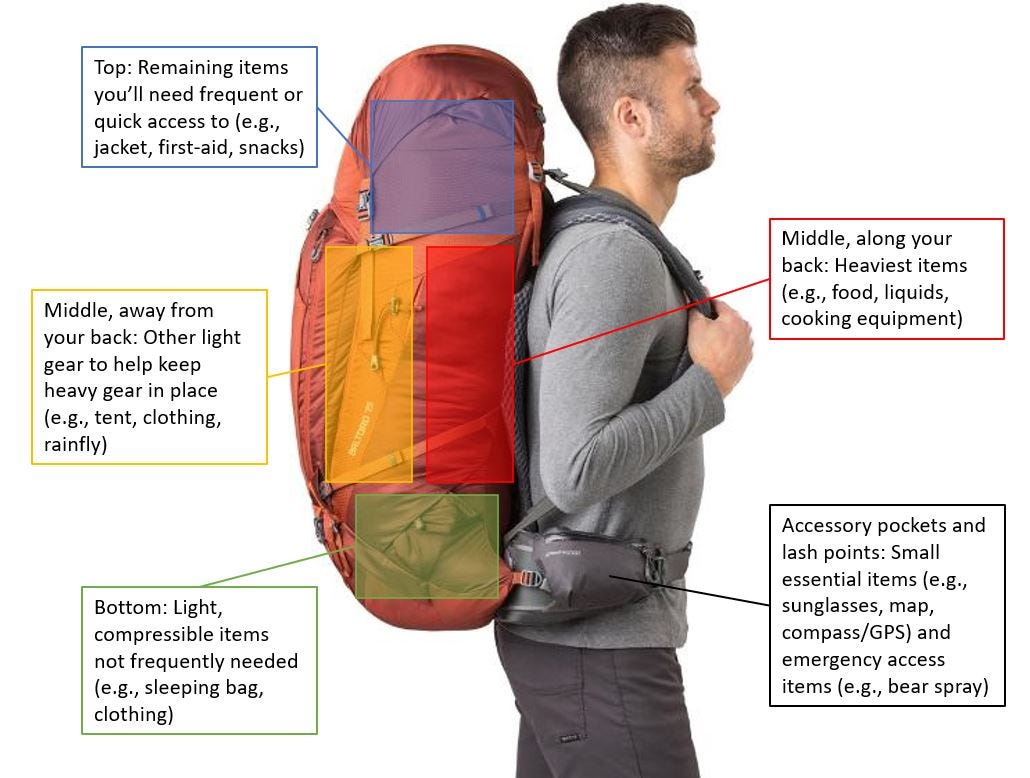
Credit: www.henrycountyymca.org
Step-by-step Attachment Process
Attaching a sleeping bag to your backpack keeps it secure and saves space inside. It also helps you carry your gear comfortably on the trail.
Follow these simple steps to prepare, attach, and check your sleeping bag for a safe hike.
Preparing The Sleeping Bag
Start by rolling your sleeping bag tightly. Use the compression straps on the stuff sack to reduce its size. Make sure it is dry and clean before packing.
- Lay the sleeping bag flat and smooth out wrinkles.
- Roll it tightly from the foot end toward the head.
- Secure it with the compression straps on the sack.
- Check that the bag is dry to avoid mildew.
Securing The Bag To The Backpack
Most backpacks have straps or loops designed for attaching extra gear. Use these to fasten your sleeping bag outside the pack.
- Locate the lower straps or daisy chains on your backpack.
- Slide the rolled sleeping bag under the bottom straps.
- Pull the straps tight to hold the bag firmly in place.
- Use additional cords or bungee cords if needed for extra security.
Double-checking Fastenings
| Check Point | Action | Result |
|---|---|---|
| Strap Tightness | Pull all straps firmly | Bag does not move |
| Bag Position | Make sure bag is centered | Even weight distribution |
| Secure Knots | Tie any loose cords | Prevents slipping |
| Final Test | Shake the pack gently | Bag stays in place |
Tips For Stability And Security
Attaching a sleeping bag to your backpack needs care to keep it safe. A stable and secure setup makes your hike easier. It also stops the sleeping bag from falling off or getting damaged.
Use simple tricks to keep your sleeping bag tight and quiet on your pack. This guide shows you how to do it well.
Avoiding Movement And Noise
Loose sleeping bags move and make noise while you walk. This noise can scare wildlife and disturb your group. Secure the sleeping bag tightly to stop it from bouncing.
Use straps or cords to tie the sleeping bag down. Make sure it does not hang loosely or shift during your hike.
- Use compression straps on your backpack
- Tie the sleeping bag close to the pack frame
- Check the bag often to keep it tight
Balancing The Load
Balancing your sleeping bag helps keep your backpack steady. Place the bag low and centered if you attach it outside. This lowers your center of gravity and makes walking easier.
A well-balanced pack reduces fatigue and improves your control on rough trails. Avoid putting heavy items on one side, or the bag may pull you off balance.
- Attach the sleeping bag at the bottom or back center
- Distribute weight evenly on both sides
- Adjust straps to keep the bag snug and centered
Weather Protection
Protect your sleeping bag from rain and dirt by using a waterproof cover. Moisture can make the bag heavy and cold. A rain cover keeps the bag dry and clean.
Check that the cover fits well and does not flap in the wind. Secure it with straps or cords to avoid damage from bad weather.
- Use a rain cover or waterproof stuff sack
- Secure the cover tightly to avoid flapping
- Keep the sleeping bag off the ground if possible
Common Mistakes To Avoid
Attaching a sleeping bag to a backpack seems simple. Yet, many hikers make mistakes that cause discomfort or damage gear.
Knowing what to avoid helps keep your load safe and your trip enjoyable.
Overloading The Backpack
Putting too much weight on your backpack makes walking harder. Overloading can strain your back and shoulders.
When you attach your sleeping bag, don’t add extra items that make the pack heavy or bulky.
- Check the total weight before you start hiking
- Keep the sleeping bag light and compact
- Remove unnecessary gear to reduce load
Improper Strap Tightening
Straps that are too loose let the sleeping bag bounce around. This causes noise and can unbalance you.
Tight straps keep the bag secure but avoid tightening so much that you damage the fabric or buckles.
- Check straps before and during the hike
- Adjust straps evenly on both sides
- Use strap locks if available to keep tension
Ignoring Weight Distribution
Placing the sleeping bag in the wrong spot affects balance. It may pull your pack backward or sideways.
Keep the sleeping bag low and centered to improve stability. This helps reduce fatigue and prevents falls.
- Attach the sleeping bag at the bottom or front of the pack
- Distribute other items evenly around your pack
- Check your pack’s balance before you start walking
Additional Gear And Accessories
Attaching a sleeping bag to a backpack makes it easier to carry. Using the right gear keeps your sleeping bag secure and dry. Some accessories help you attach it safely and protect it from weather.
This guide covers two useful accessories: carabiners and clips, and waterproof covers. Both help you carry your sleeping bag without damage or loss.
Using Carabiners And Clips
Carabiners and clips are strong hooks that attach your sleeping bag to your backpack. They make it easy to fasten and remove the bag quickly. Many backpacks have loops or straps designed for this purpose.
Use carabiners to clip the sleeping bag’s compression straps or loops to the backpack. Clips can also attach the bag to external gear loops or daisy chains. Check that they hold tight and do not rub the fabric too much.
- Choose lightweight carabiners made of aluminum or plastic
- Use clips that lock for extra security
- Attach to strong points on your backpack
- Avoid sharp edges that can damage the sleeping bag
Adding Waterproof Covers
Waterproof covers protect your sleeping bag from rain and moisture. Cover your bag before attaching it to the backpack. This keeps it dry during wet weather or river crossings.
Many covers come with drawstrings or elastic edges to fit snugly around the bag. Some backpacks also include rain covers that cover both the bag and backpack. Using a waterproof cover prevents dampness that can make your bag heavy and cold.
- Pick a cover made from durable, waterproof material
- Make sure the cover fits your sleeping bag size
- Check for secure closures to keep water out
- Use a cover even if your bag is inside a stuff sack

Credit: www.reddit.com

Credit: www.youtube.com
Frequently Asked Questions
How Do You Secure A Sleeping Bag To A Backpack?
Use compression straps or external loops on your backpack. Place the sleeping bag in a stuff sack. Attach it tightly to avoid movement during hikes.
Can All Backpacks Carry A Sleeping Bag Externally?
Not all backpacks have external straps or loops. Choose backpacks with dedicated sleeping bag compartments or external attachment points for convenience.
What Is The Best Position To Attach A Sleeping Bag?
Attach the sleeping bag at the bottom or outside of the backpack. This balances weight and keeps bulky items accessible.
Should You Compress Your Sleeping Bag Before Attaching It?
Yes, compressing your sleeping bag reduces its size. Use a compression sack to save space and secure it firmly to the backpack.
Conclusion
Attaching a sleeping bag to your backpack can be easy. Use straps or bungee cords for a secure fit. Always check the weight balance. A well-packed bag makes hiking more enjoyable. Keep the sleeping bag dry with a cover or plastic bag.
Practice makes perfect. Try different methods to find what works best for you. This ensures comfort on your adventures. Happy hiking and enjoy your outdoor experiences!