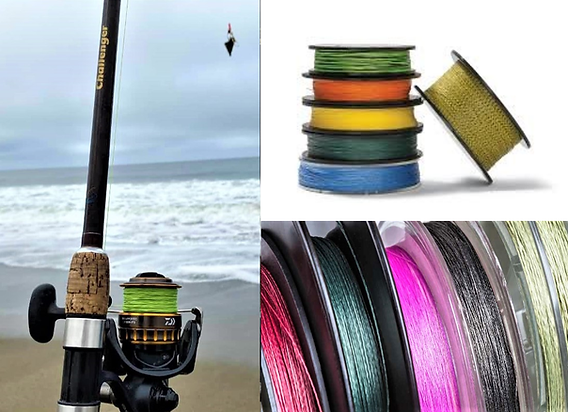
Choosing the best color fishing line can make a huge difference in your catch. You want a line that blends well with the water but still lets you see every bite.
Picking the wrong color might scare fish away or leave you guessing when you have a catch. You’ll discover which colors work best in different water conditions and why. By the end, you’ll know exactly what color fishing line suits your style and helps you reel in more fish.
Keep reading to find the perfect match for your next fishing trip.

Credit: www.wired2fish.com
Choosing Fishing Line Colors
Picking the right fishing line color helps catch more fish. It affects how fish see the line in the water.
Understanding colors can improve your fishing success in different water types and light conditions.
Common Fishing Line Colors
Fishing lines come in many colors. Each color suits different fishing situations and water conditions.
- Clear or transparent
- Green
- Blue
- Yellow
- Fluorescent or bright colors
- Camouflage or dark colors
How Color Affects Visibility
Line color changes how visible it is to fish and anglers. Bright colors show better above water.
| Color | Visibility to Fish | Visibility to Angler |
| Clear | Low | Low |
| Green | Medium | Medium |
| Blue | Low in clear water | Medium |
| Yellow | High | High |
| Fluorescent | High | Very High |
| Camouflage | Low | Low |
Matching Line Color To Water Type
Choose your line color based on the water you fish in. It helps the line blend or stand out.
- Clear water: Use clear or blue lines for low visibility.
- Green water: Green lines blend well with algae and plants.
- Murky or muddy water: Bright yellow or fluorescent lines are easier to see.
- Deep water: Dark or camouflage lines work best to avoid detection.
- Night fishing: Bright lines help anglers track their line.
Clear Vs. Colored Lines
Choosing the right fishing line color affects your fishing success. Clear and colored lines each have unique features. Understanding these helps pick the best one for different situations.
Clear lines blend with water and suit many conditions. Colored lines stand out and offer advantages in specific cases. Let’s explore the benefits of each type.
Advantages Of Clear Lines
Clear fishing lines are nearly invisible underwater. This makes fish less likely to notice the line. Clear lines work well in clear water and bright light.
- Less visible to fish, increasing chances to catch
- Good for clear water and sunny days
- Versatile for many fishing styles
- Easy to check for damage or knots
- Blends well with all water colors
Benefits Of Colored Lines
Colored lines help anglers track their line on the water surface. Some colors are better for low light or deep water. They also help spot the line in weeds or debris.
| Color | Best Use | Visibility |
| Green | Weedy or murky water | Blends with plants |
| Yellow | Low light or deep water | Highly visible above water |
| Red | Short distances, near surface | Invisible underwater |
| Blue | Deep water fishing | Blends with water color |
Situations For Each Type
Choosing between clear and colored lines depends on fishing conditions and goals. Clear lines suit calm and clear water. Colored lines help track line and avoid snags.
- Use clear lines in clear water for less visibility.
- Use green lines in weedy or grassy areas.
- Use yellow lines at night or in deep water to see the line.
- Use red lines near the surface for short casts.
- Use blue lines for deep water to blend with surroundings.
Water Conditions And Line Color
Choosing the right color for your fishing line depends on the water you fish in. Water clarity affects how visible your line is to fish.
Matching your line color to water conditions can improve your chances of catching fish. Different colors work better in clear or murky water.
Fishing In Clear Water
Clear water lets light pass through easily. Fish see your line more clearly, so using less visible colors is smart.
- Light green blends well with clear water plants.
- Clear or transparent lines are almost invisible.
- Blue lines match the water color in open lakes.
Best Colors For Murky Water
Murky water blocks light and hides line color. Bright or dark lines help you see and control your line better.
| Line Color | Benefit |
| Bright Yellow | Easy to see above water |
| Orange | Visible in low light and murky water |
| Dark Green | Blends with algae and murky backgrounds |
| Brown | Good for muddy water |
Adapting To Changing Conditions
Water clarity can change during the day or season. Keep different line colors ready to switch as needed.
- Use clear lines in the morning when water is calm.
- Switch to bright colors if water gets cloudy after rain.
- Match your line color with the bottom color for better camouflage.

Credit: thegww.com
Target Species And Color Choice
Choosing the right color fishing line helps catch more fish. Different fish see colors in different ways. Picking a line color depends on the water and the fish you want to catch.
Some colors blend well in clear water, while others work better in murky water. Knowing the preferences of your target species improves your chance of success.
Freshwater Species Preferences
Freshwater fish react differently to line colors. Clear or light lines work best in clear lakes. Darker colors help in muddy water. Here are some tips:
- Trout prefer light green or clear lines for clear streams.
- Bass often respond well to darker green or brown lines in weedy water.
- Catfish can be caught with darker lines since they hunt by smell, not sight.
- Panfish like blue or clear lines in clear water for less visibility.
Saltwater Species Considerations
Saltwater fish face different lighting and water conditions. Bright or fluorescent colors can scare fish in shallow water. In deep water, some colors fade, so anglers use special lines.
| Fish Species | Recommended Line Color |
| Redfish | Clear or low-visibility green |
| Snook | Light green or fluorocarbon clear |
| Tarpon | Light blue or clear |
| Flounder | Brown or tan to blend with bottom |
Line Color For Specific Fish
Some fish are sensitive to line color. Choosing the right color can make a difference.
- Trout:Clear or light green
- Bass:Green, brown, or black
- Walleye:Yellow or green
- Salmon:Clear or light blue
- Redfish:Clear or low-visibility green
Line Material And Color Impact
Fishing line color and material affect how fish see the line underwater. Choosing the right color can help your line blend into the water. Different materials also change how visible the line is.
Understanding the color options for each line type helps anglers pick the best line for their fishing spot. Let’s look at monofilament, fluorocarbon, and braided lines.
Monofilament Color Options
Monofilament lines come in many colors. Anglers often choose colors based on water clarity and light conditions. Clear or green lines work well in clear water. Blue and smoke colors suit deeper water.
- Clear: Nearly invisible in most water types.
- Green: Blends well in freshwater with plants.
- Blue: Good for deep or open water fishing.
- Fluorescent colors: Easy to see above water for line control.
Fluorocarbon Line Colors
Fluorocarbon lines are mostly clear or slightly tinted. Their color helps them stay hidden underwater. The refractive index of fluorocarbon matches water, making the line hard to see.
| Color | Visibility | Best Use |
| Clear | Very low | All water types |
| Green Tint | Low | Freshwater with vegetation |
| Blue Tint | Low | Saltwater and deep water |
Braided Line Color Variations
Braided lines come in many bright and camo colors. Color choice depends on fishing conditions and personal preference. Bright colors help anglers see the line above water. Camouflage colors blend into the water.
Common braided line colors include:
- Neon green for high visibility
- Yellow for easy tracking in low light
- Blue for saltwater fishing
- Camo patterns for blending into weeds and rocks

Credit: reactiontackle.com
Tips For Selecting The Right Color
Choosing the right color fishing line can improve your catch rate. The color helps the line blend in or stand out depending on the water and fish.
Different water types and light conditions need different line colors. Testing and understanding these factors is key.
Testing Line Colors In The Field
Try different colors in the water before you fish seriously. See which color blends with the water best.
Look at the line from the fish’s view. If the line is too visible, fish may avoid it.
- Test colors in clear, murky, and stained water.
- Use natural light to check line visibility.
- Change colors based on weather and water depth.
Combining Colors For Versatility
Use different colored lines on the same spool. This lets you switch colors without changing the line.
Some anglers use two-tone or multi-color lines for better control and visibility.
- Start with a clear main line and add a colored leader.
- Use dark colors below water and bright colors above.
- Change colors based on the type of fish and water conditions.
Balancing Visibility And Stealth
Your line must be visible to you but not to fish. High visibility helps in tracking the line.
Low visibility lines help catch shy fish but may be hard to see in low light.
- Use bright colors above water for easy line tracking.
- Choose green or blue lines in clear water for stealth.
- Use brown or camo colors in muddy water for low visibility.
- Match line color to the fishing environment.
Maintaining Line Color And Durability
Choosing the best color fishing line is important for visibility and fish attraction. Keeping the line color bright and the line strong helps you fish longer.
Fishing lines can fade or weaken over time. Good care extends their life and keeps colors clear.
Effects Of Sunlight And Water Exposure
Sunlight can cause fishing lines to lose color and weaken. UV rays break down the line material slowly.
Water, especially saltwater, can wear down the line surface. It may cause color to fade or the line to get rough.
- Keep line out of direct sunlight when not fishing
- Rinse line with fresh water after saltwater use
- Avoid leaving line wet and exposed for long times
Cleaning And Storage Tips
Cleaning fishing line helps remove dirt and salt. Use fresh water and a soft cloth to wipe it down.
Store lines in cool, dry places to stop color from fading. Avoid tight coils that may cause damage.
- Rinse line after each fishing trip
- Dry line completely before storing
- Use a line spool or loose coil storage
- Keep line away from heat and sunlight
When To Replace Colored Lines
Colored lines lose strength and color over time. Replace lines if you see damage or fading.
Regular replacement keeps your fishing line reliable and helps catch more fish.
- Replace if line is frayed or cracked
- Change line if color is dull or faded
- Switch lines after long use or heavy catches
- Follow manufacturer’s guide for line lifespan
Frequently Asked Questions
What Is The Best Color Fishing Line For Clear Water?
Clear or light blue fishing lines work best in clear water. They are less visible to fish, improving your catch rate.
Which Fishing Line Color Suits Murky Water?
In murky water, bright colors like chartreuse or fluorescent yellow are ideal. They offer high visibility for better line tracking.
Does Fishing Line Color Affect Fish Bites?
Yes, fishing line color can impact fish bites. Using less visible colors reduces fish spooking, increasing bite chances.
What Color Fishing Line Is Best For Deep Water?
Dark colors like blue or green blend well in deep water. They are harder for fish to detect at depth.
Conclusion
Choosing the best color fishing line can boost your fishing success. Consider water clarity and fish behavior in your decision. Clear waters might need transparent lines. Murky waters could benefit from brighter lines. Test different colors to see what works best for you.
Remember, fish can be smart, so adapt your choice as needed. Your fishing environment and target species matter. With the right color, you increase your chances of a good catch. Happy fishing!