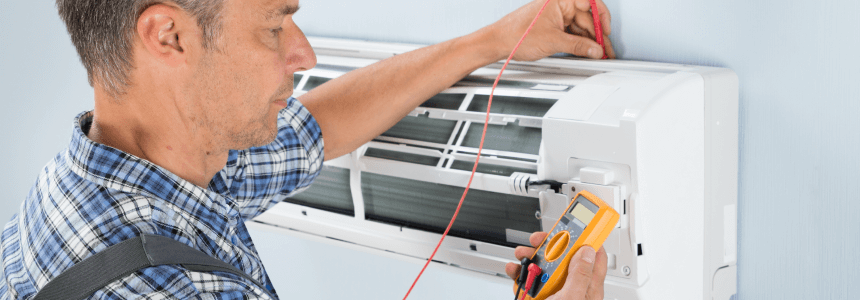
Is your home air conditioner not cooling like it used to? You might need to recharge it.
When your AC isn’t blowing cold air, it can make your living space uncomfortable and your energy bills higher. But don’t worry—you don’t have to call a technician right away. With the right steps, you can learn how to recharge your home air conditioner yourself.
This simple fix can save you money and keep your home cool all summer long. Keep reading, and you’ll discover easy tips to get your AC running like new again.
Signs Your Ac Needs Recharging
Air conditioners need enough refrigerant to cool your home well. If the refrigerant runs low, the AC cannot cool properly. Knowing the signs helps you fix the problem early.
Here are some common signs that your air conditioner may need recharging. Watch for these to keep your home cool and comfortable.
Reduced Cooling Efficiency
Your AC may take longer to cool the room or fail to reach the set temperature. It blows warm or less cold air than usual. This happens because low refrigerant reduces the system’s ability to absorb heat.
- Air feels warmer than before
- Rooms stay hot even with the AC on
- AC runs longer without cooling properly
Unusual Noises
Low refrigerant can cause parts in your AC to work harder. This may lead to strange sounds like hissing or bubbling. These noises often mean a refrigerant leak that needs repair before recharging.
| Noise | Possible Cause |
|---|---|
| Hissing | Refrigerant leak |
| Bubbling | Low refrigerant levels |
| Clicking | Compressor strain |
Increased Energy Bills
If your electricity bill rises without extra use, your AC may be low on refrigerant. The system works harder and uses more power to cool your home. This waste raises energy costs.
- Check bills for unusual increases
- Compare current usage to past months
- Inspect AC for other signs of trouble
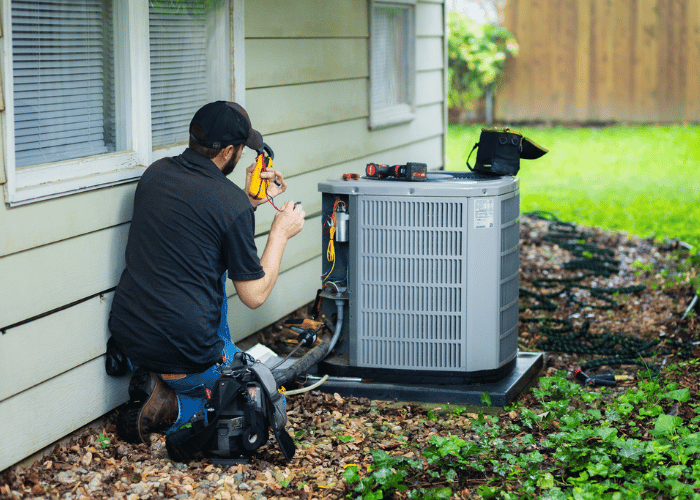
Credit: cutradeservices.com
Tools And Materials Required
Recharging your home air conditioner needs the right tools and materials. Using proper equipment helps the job go smoothly.
Before starting, gather everything you need. This ensures safety and good results.
Refrigerant Type Identification
Check which refrigerant your air conditioner uses. Different models need different types of refrigerant.
Look for a label or manual that shows the refrigerant type. Common types include R-22 and R-410A.
- Find the unit’s nameplate or sticker
- Look for refrigerant type, like R-22 or R-410A
- Use the correct refrigerant for your model
Safety Gear
Wear safety gear to protect yourself during the recharge process. Refrigerants can cause harm if handled wrong.
Use gloves, goggles, and a mask. These items keep your skin, eyes, and lungs safe.
- Protective gloves
- Safety goggles
- Respirator or mask
- Long sleeves and pants
Recharge Kit Components
A recharge kit has all parts needed to add refrigerant. Make sure your kit matches your refrigerant type.
Most kits include a gauge, hoses, and a refrigerant can. These help you measure and refill the air conditioner safely.
- Pressure gauge for checking levels
- Hoses to connect to the unit
- Refrigerant can or bottle
- Valve or control knob
- Instructions for use
Safety Precautions Before Starting
Recharging your home air conditioner requires care and attention. Following safety steps helps avoid accidents and damage.
Read all safety precautions before you begin. This guide covers key points to keep you safe.
Power Off The Unit
Always turn off the air conditioner before recharging. Unplug the unit or switch off the circuit breaker to stop power flow.
This prevents electric shock and protects the system from damage during work.
Ventilation Considerations
Work in a well-ventilated area to avoid gas buildup. Refrigerants can be harmful if inhaled in large amounts.
- Open windows and doors to allow fresh air.
- Use fans to increase airflow around the work area.
- Avoid enclosed spaces without ventilation.
Handling Refrigerants Carefully
Refrigerants require careful handling to avoid leaks and injury. Wear gloves and eye protection during the process.
| Safety Tip | Reason |
| Wear protective gloves | Prevents skin contact with refrigerants |
| Use goggles | Protects eyes from splashes |
| Check hoses and connections | Stops leaks that can cause harm |
| Dispose of refrigerants properly | Prevents environmental damage |
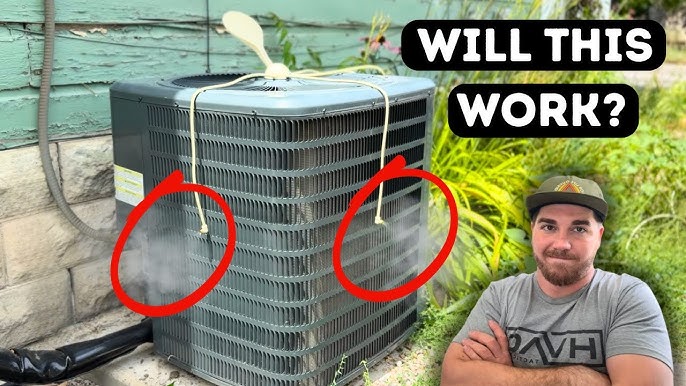
Credit: www.youtube.com
Step-by-step Recharge Process
Recharging your home air conditioner helps it cool better. Follow these clear steps to do it safely and correctly.
Using the right tools and checking pressure levels is important. This guide shows each part of the process.
Locate The Service Valve
Find the service valve on your air conditioner. It is usually near the outdoor unit.
The valve looks like a small metal knob or cap. It controls the flow of refrigerant.
Attach The Recharge Hose
Connect the recharge hose to the service valve. Make sure the connection is tight to avoid leaks.
The other end of the hose should connect to the refrigerant can. Use a hose with a gauge for easy reading.
Monitor Pressure Levels
Turn on your air conditioner and check the pressure gauge on the hose. It shows the current refrigerant level.
Compare the pressure reading with the recommended range for your AC model. This helps avoid overcharging.
- Low pressure means you need more refrigerant
- High pressure means too much refrigerant
- Stay within the safe pressure limits
Add Refrigerant Gradually
Open the valve on the refrigerant can slowly. Let the gas flow into the system little by little.
Keep checking the pressure gauge as you add refrigerant. Stop adding when the pressure is in the correct range.
- Do not add refrigerant too fast
- Watch the pressure gauge closely
- Close the valve tightly after recharging
Post-recharge Checks
After you recharge your home air conditioner, it is important to check if it works well. These checks help keep your AC running smoothly and save energy.
Performing simple tests and inspections after recharging ensures your AC stays cool and safe. Follow the steps below to verify your system’s performance.
Test Cooling Performance
Turn on your air conditioner and set it to the lowest temperature. Wait for about 15 minutes to let it cool the room. Check if the air coming out is cold and steady.
- Measure the temperature of the air from the vents.
- Compare the room temperature before and after running the AC.
- Listen for unusual sounds like rattling or hissing.
- Ensure the fan is running smoothly without stops.
Inspect For Leaks
Leaks can cause your air conditioner to lose refrigerant and perform poorly. Look carefully at all connections and pipes for signs of oil or moisture.
| Leak Sign | What to Do |
|---|---|
| Oily residue on pipes | Clean the area and check for holes |
| Moisture or frost buildup | Check pipe insulation and seal gaps |
| Hissing sound near valves | Tighten fittings or call a technician |
Clean And Maintain Ac Components
Cleaning your air conditioner’s parts helps it work better and last longer. Dust and dirt can block airflow and reduce cooling power.
- Wiping dust from the condenser coils.
- Cleaning or replacing air filters.
- Clearing debris around the outdoor unit.
- Checking and cleaning the drain line to prevent clogs.
Tips To Prevent Frequent Recharging
Keeping your home air conditioner running smoothly saves energy and money. Frequent recharging means there might be an issue.
Follow simple tips to reduce the need for recharging and keep your AC cool for longer.
Regular Maintenance Schedule
Check and clean your air conditioner parts regularly. This helps the system work well and stops leaks.
- Clean or replace air filters every 1-2 months.
- Inspect coils and fins for dirt or damage.
- Check refrigerant levels and refill if needed.
- Clear debris from outdoor units.
- Schedule professional servicing once a year.
Seal Air Leaks
Air leaks let cool air escape, forcing your AC to work harder. Sealing leaks stops this waste and lowers recharge needs.
| Common Leak Areas | How to Fix |
|---|---|
| Windows and doors | Use weather stripping or caulk |
| Air ducts | Seal with duct mastic or metal tape |
| Attic and basement | Insulate and seal cracks |
| Wall penetrations | Use foam sealant around pipes and wires |
Optimize Thermostat Settings
Setting your thermostat correctly reduces wear on your AC. It also helps keep your home comfortable without extra recharging.
- Set temperature to 78°F (25.5°C) when home.
- Raise temperature by 5°F (3°C) when away.
- Use a programmable thermostat to save energy.
- Avoid frequent temperature changes.
- Keep thermostat away from heat sources.

Credit: atlasacrepair.com
Frequently Asked Questions
How Do I Know When To Recharge My Air Conditioner?
You should recharge your AC if it blows warm air or cools inefficiently. Check for ice on coils or hissing sounds, which indicate low refrigerant levels. Regular maintenance helps detect leaks and ensures optimal cooling performance.
Can I Recharge My Home Ac Myself Safely?
Yes, you can recharge your home AC using a refrigerant recharge kit. Follow the instructions carefully, wear safety gear, and avoid overcharging. However, consider professional help if unfamiliar with AC systems or local regulations.
What Type Of Refrigerant Is Best For Home Ac Units?
Most home AC units use R-410A refrigerant, which is eco-friendly and efficient. Always check your unit’s manual for the correct refrigerant type. Using the wrong refrigerant can damage the system and reduce cooling performance.
How Often Should I Recharge My Home Air Conditioner?
Typically, home ACs require recharging every 2-3 years or when refrigerant leaks occur. Regular inspections help maintain proper levels. Overcharging or frequent recharging may indicate system issues needing professional attention.
Conclusion
Recharging your home air conditioner is a simple task. Follow these steps to ensure smooth operation. Regular maintenance keeps your unit efficient and saves money. Always check for leaks before recharging. Proper refrigerant levels ensure cool, comfortable air. Use the right tools for best results.
Safety should be your top priority. Wear protective gear and follow guidelines. Remember, a well-maintained AC runs longer. Enjoy a cooler home without high costs. For complex issues, call a professional. Stay cool and comfortable all summer long!