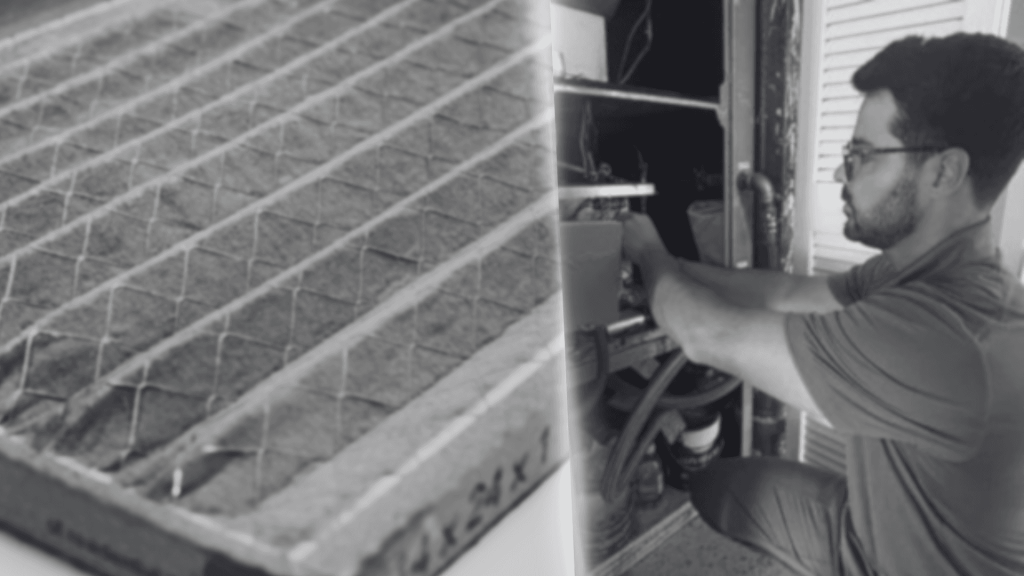
Have you ever wondered what a dirty air conditioner filter actually looks like? You might think it’s just a little dusty, but the truth could surprise you.
A clogged filter can affect your home’s air quality, increase energy bills, and even damage your AC unit. Knowing how to spot a dirty filter isn’t just helpful—it’s essential for keeping your air fresh and your system running smoothly. Keep reading to discover the clear signs of a dirty air conditioner filter and why you should check yours today.
Signs Of A Dirty Filter
A dirty air conditioner filter can reduce air flow and lower cooling efficiency. It is important to spot signs early to keep your AC running well.
Check your filter regularly. Look for changes that show it needs cleaning or replacement.
Visible Dust And Debris
A clean filter looks white or light gray. When dusty, it shows thick layers of dust and dirt.
You may see small bits of debris like hair, pollen, or pet fur stuck in the filter fibers.
- Dust buildup blocks air flow
- Debris can cause bad smells
- Visible dirt means it’s time to clean or replace
Discoloration And Stains
Filters often change color as they get dirty. Look for dark gray, brown, or yellow stains.
Stains may come from mold or smoke in the air. Discoloration shows the filter is old and clogged.
- Dark colors mean trapped dirt
- Stains suggest moisture or mold growth
- Discolored filters reduce air quality
Clogged Filter Mesh
The filter mesh holds dust and particles. If clogged, the mesh looks thick and packed with dirt.
A clogged mesh blocks air flow. Your AC may work harder and use more energy with a clogged filter.
- Mesh fibers stuck together with dust
- Airflow feels weaker through the filter
- Clogged mesh needs cleaning or replacement

Credit: aquariushomeservices.com
Effects On Airflow
A dirty air conditioner filter blocks the airflow inside your system. This buildup of dust and dirt makes it hard for air to pass through.
Poor airflow affects how well your air conditioner cools or heats your space. It can also cause other problems in your home.
Reduced Air Circulation
A clogged filter slows down the air movement in your home. Less air flows through vents, making rooms feel stuffy and uncomfortable.
This weak air circulation forces your air conditioner to work harder. It uses more energy and may wear out faster over time.
Uneven Cooling Or Heating
Dirty filters cause some rooms to get too cold or too hot while others stay the same. This happens because air does not spread evenly.
Uneven temperatures make your home less comfortable. It also makes you adjust the thermostat more often, which wastes energy.
Impact On Air Quality
A dirty air conditioner filter can harm the air quality inside your home. It blocks airflow and traps dirt, dust, and allergens.
This causes the air to become polluted and unhealthy to breathe. Clean filters help keep the air fresh and clear.
Increased Dust In Rooms
When the filter is dirty, dust does not get trapped well. Dust then spreads around your rooms easily.
This dust can settle on furniture, floors, and other surfaces. It makes cleaning harder and the air feel heavy.
- More dust in the air
- Dust settling on surfaces
- Frequent cleaning needed
Allergy And Respiratory Issues
Dirty filters allow allergens to pass through and enter your home. These include pollen, pet dander, and mold spores.
Breathing in these allergens can cause sneezing, coughing, and breathing problems. It is worse for people with asthma or allergies.
- Increased allergy symptoms
- More asthma attacks
- Respiratory discomfort

Credit: www.reddit.com
When To Check Your Filter
Your air conditioner filter keeps the air clean and the system running well. A dirty filter can cause problems and waste energy. Checking it often helps avoid these issues.
Knowing when to inspect the filter is key. This guide tells you the best times to check your air conditioner filter.
Recommended Inspection Frequency
Filters collect dust and particles over time. Checking them regularly keeps your AC working efficiently. Follow this simple list for inspection times:
- Check every month if you have pets or allergies.
- Inspect at least every three months in normal conditions.
- Replace or clean the filter if it looks dark or clogged.
- More frequent checks may be needed in dusty areas.
Seasonal Considerations
Seasons affect how fast your filter gets dirty. Use the table below to see when to check your filter based on the time of year.
| Season | Recommended Filter Check | Reason |
| Spring | Every 1-2 months | High pollen and allergens |
| Summer | Every 2-3 months | Heavy AC use |
| Fall | Every 1-2 months | Leaves and dust buildup |
| Winter | Every 3 months | Less AC use, but heating dust |
Cleaning And Replacement Tips
A dirty air conditioner filter looks dusty and dark. It may have visible dirt and debris.
Cleaning or replacing your filter helps your air conditioner work well. It keeps the air clean and fresh.
How To Clean Your Filter
Turn off your air conditioner before removing the filter. Gently take out the filter from the unit.
Use a vacuum cleaner to remove loose dust. If the filter is washable, rinse it with water.
- Do not use hot water; use cool or lukewarm water instead.
- Use a soft brush to scrub dirt gently.
- Let the filter dry completely before putting it back.
Choosing The Right Replacement Filter
Check your air conditioner manual to find the filter size and type you need. Using the correct filter helps air flow well.
Look for filters with a good MERV rating. A rating between 8 and 13 works for most homes.
- Fiberglass filters are cheap but less effective.
- Pleated filters last longer and clean better.
- HEPA filters trap very small particles but may reduce airflow.

Credit: goendlessenergy.com
Frequently Asked Questions
What Does A Dirty Air Conditioner Filter Look Like?
A dirty air conditioner filter looks gray or brown due to dust buildup. It may appear clogged or covered in debris, reducing airflow and efficiency.
How Often Should I Check My Ac Filter?
Check your AC filter every 1 to 3 months. Frequent inspections ensure it stays clean and your system runs efficiently.
Can A Dirty Filter Affect Air Quality?
Yes, a dirty filter traps less dust and allergens. This reduces indoor air quality and can worsen allergies or respiratory issues.
How Do I Clean A Reusable Ac Filter?
Remove the filter and vacuum off loose dirt. Rinse it with water, let it dry completely, then reinstall it for optimal performance.
Conclusion
A dirty air conditioner filter can affect your home’s air quality. It looks clogged and dusty. You might notice reduced airflow. Also, it can cause your energy bills to rise. Regular maintenance helps prevent these issues. Clean or change your filter often.
This ensures better air circulation. It also helps keep your air conditioner efficient. Don’t let a dirty filter disrupt your comfort. Keep your air clean and fresh. Act now for a healthier environment. Your family’s well-being depends on it. Stay proactive with your air conditioner care.
Enjoy cleaner air every day.