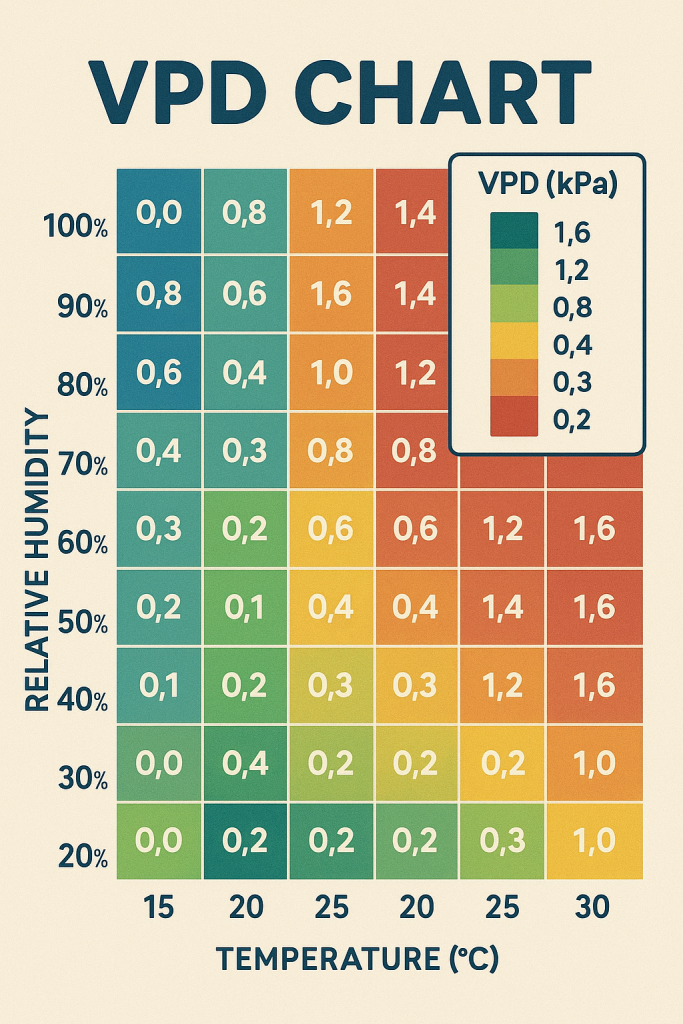
Are you struggling to get the best results from your grow tent? There’s a key factor you might be missing: VPD.
Understanding VPD can transform how your plants grow, helping them thrive like never before. If you want to boost your harvest and keep your plants healthy, learning about VPD is essential. Keep reading to discover what VPD is, why it matters, and how you can use it to make your grow tent work smarter for you.

Credit: www.drgreenthumbs.com.au
Vpd Basics
VPD stands for Vapor Pressure Deficit. It measures the difference between the moisture in the air and how much moisture the air can hold.
Understanding VPD helps growers control the environment inside a grow tent. This control supports healthy plant growth.
Defining Vpd
VPD is the difference between the saturation vapor pressure and the actual vapor pressure. It shows how dry or moist the air is for plants.
- Saturation vapor pressure is how much water air can hold at a certain temperature.
- Actual vapor pressure is the amount of water vapor currently in the air.
- VPD is measured in kilopascals (kPa).
Why Vpd Matters In Growth
VPD affects how plants take up water and nutrients. It also influences how well they breathe through leaves.
Good VPD levels help plants grow faster and stay healthy. Poor VPD can cause stress, slow growth, or disease.
| VPD Level (kPa) | Effect on Plants |
| 0.4 – 0.8 | Ideal for most growth stages |
| Below 0.4 | Too humid; risk of mold and slow transpiration |
| Above 1.2 | Too dry; plants lose water fast and may wilt |
Vpd Vs Humidity
Humidity shows the amount of water vapor in the air as a percentage. VPD measures the difference between air moisture and maximum moisture capacity.
Here is a simple comparison:
- Humidity:Tells how wet the air is.
- VPD:Shows how much moisture plants lose or gain.
- VPD changes with temperature, even if humidity stays the same.
- Growers use VPD to balance temperature and moisture for plants.
Measuring Vpd
VPD means Vapor Pressure Deficit. It shows how much moisture air can hold. This helps growers know if plants get enough water.
Measuring VPD in grow tents keeps plants healthy. It guides watering and humidity control. Use simple tools and calculations to find VPD.
Tools For Measuring Vpd
You need two main tools to measure VPD: a thermometer and a hygrometer. The thermometer measures temperature. The hygrometer measures relative humidity.
- Digital Thermometer: gives accurate temperature readings
- Hygrometer: shows the percentage of humidity in the air
- VPD Meter: a device that calculates VPD directly
- Smart Sensors: combine temperature and humidity in one tool
Calculating Vpd In Grow Tents
Calculating VPD uses temperature and relative humidity. First, find the saturated vapor pressure (SVP) at the air temperature. Then, find the actual vapor pressure (AVP) using humidity.
| Step | Formula | Description |
|---|---|---|
| 1 | SVP = 0.6108 × exp((17.27 × T) / (T + 237.3)) | Calculate saturated vapor pressure (kPa) at air temperature T (°C) |
| 2 | AVP = SVP × (RH / 100) | Calculate actual vapor pressure using relative humidity RH (%) |
| 3 | VPD = SVP − AVP | Subtract AVP from SVP to find vapor pressure deficit (kPa) |
Interpreting Vpd Readings
VPD values show if plants get the right moisture. Low VPD means high humidity and less evaporation. High VPD means dry air and more water loss.
- 0.2 to 0.45 kPa: Air is too humid. Plants may not transpire well.
- 0.45 to 1.2 kPa: Ideal range for most plants to grow healthy.
- Above 1.2 kPa: Air is too dry. Plants lose water fast and may stress.
Optimal Vpd Levels
VPD stands for Vapor Pressure Deficit. It measures the difference between the moisture in the air and how much moisture the air can hold when fully saturated. VPD is important in a grow tent because it affects how plants breathe and grow.
Keeping the right VPD helps plants take in water and nutrients. It also prevents problems like mold or drying out. Different growth stages need different VPD levels to grow well.
Seedling Stage
Seedlings are young plants that need gentle conditions. High humidity and low VPD help seedlings grow strong roots. Too much dryness can harm their delicate leaves.
Ideal VPD for seedlings is low to keep moisture high. This helps the seedlings stay hydrated without stress.
- VPD range: 0.4 to 0.8 kPa
- Keep humidity around 70% to 80%
- Temperature between 68°F and 75°F (20°C – 24°C)
Vegetative Stage
Plants grow leaves and stems in the vegetative stage. They need more air movement and slightly higher VPD. This helps plants pull water and nutrients from the soil faster.
Moderate VPD keeps plants healthy and strong. It reduces risks of mold and encourages faster growth.
- VPD range: 0.8 to 1.2 kPa
- Humidity around 50% to 70%
- Temperature between 70°F and 80°F (21°C – 27°C)
Flowering Stage
During flowering, plants need the right balance of humidity and temperature. Higher VPD helps move moisture out of leaves. This prevents mold and promotes bigger buds.
Keeping VPD in the right range supports healthy flowers and better yields.
- VPD range: 1.2 to 1.6 kPa
- Humidity around 40% to 50%
- Temperature between 70°F and 85°F (21°C – 29°C)
Adjusting Vpd In Grow Tents
VPD stands for Vapor Pressure Deficit. It shows how much moisture the air can hold compared to how much is in the air now. Adjusting VPD helps plants grow better inside grow tents.
Keeping the right VPD means plants can breathe and absorb water well. You can adjust VPD by changing temperature, humidity, and airflow inside the tent.
Controlling Temperature
Temperature affects how much moisture the air can hold. Warmer air holds more moisture, which lowers VPD. Cooler air holds less moisture, which raises VPD.
Use heaters or air conditioners to keep temperature steady. Watch temperature changes during day and night for best results.
Managing Humidity
Humidity is the amount of water vapor in the air. Higher humidity lowers VPD. Lower humidity raises VPD. You can add or remove moisture to adjust humidity.
Use humidifiers to increase moisture or dehumidifiers to reduce it. Keep humidity at a level that suits your plants’ needs.
- Measure humidity with a hygrometer
- Adjust devices to keep humidity stable
- Check humidity often for changes
Using Ventilation And Fans
Ventilation moves air in and out of the grow tent. It controls temperature and humidity by removing hot or moist air and bringing fresh air in.
Fans help circulate air inside the tent. This stops hot spots and keeps humidity even. Good airflow helps keep VPD in the right range.
- Use exhaust fans to remove warm, moist air
- Use intake fans to bring fresh air inside
- Place oscillating fans to move air around plants
Vpd And Plant Health
VPD stands for Vapor Pressure Deficit. It measures the difference between how much moisture is in the air and how much it can hold.
In a grow tent, VPD affects how well plants take in water and nutrients. Keeping the right VPD helps plants grow strong and healthy.
Effects Of High Vpd
High VPD means dry air with low humidity. Plants lose water quickly through their leaves. This causes stress and slows growth.
When VPD is high, plants close their stomata. This reduces photosynthesis and lowers nutrient uptake.
- Faster water loss from leaves
- Stomata closure limits photosynthesis
- Plants may wilt or dry out
- Slower growth and poor yield
Effects Of Low Vpd
Low VPD means air holds a lot of moisture. Plants do not lose enough water, so they may stay wet for too long.
Too low VPD can cause mold and mildew growth. It also lowers oxygen around roots, harming plant health.
- Slow water loss, leaves stay wet
- Higher risk of mold and mildew
- Oxygen levels drop near roots
- Plant growth becomes weak
Signs Of Vpd Stress
Plants show stress when VPD is not right. Leaves may curl, wilt, or turn yellow. Growth slows down noticeably.
Watch for slow leaf movement and drooping. These signs mean plants struggle to balance water and air.
- Leaf curling or wilting
- Yellow or brown leaf edges
- Slow or stunted growth
- Drooping leaves or stems

Credit: pulsegrow.com
Boosting Growth With Vpd
VPD means Vapor Pressure Deficit. It is the difference between how much moisture is in the air and how much it can hold. This measure helps growers control the environment inside a grow tent.
Keeping the right VPD helps plants grow faster and stay healthy. It affects how plants breathe, eat, and drink inside the tent.
Maximizing Photosynthesis
Photosynthesis is how plants make food from light. The right VPD keeps plant leaves open and ready to absorb light. This helps plants turn light into energy efficiently.
If VPD is too high or low, leaves may close or dry out. This stops photosynthesis and slows growth.
Enhancing Nutrient Uptake
Plants take nutrients from the soil through their roots. Good VPD balances moisture and air in the root zone. This helps roots absorb nutrients better.
With the right VPD, plants get enough nutrients to grow strong and healthy. Bad VPD can block nutrient flow and cause problems.
Promoting Transpiration
Transpiration is when plants release water vapor from their leaves. VPD controls how much water plants lose through this process. Proper VPD keeps transpiration steady and healthy.
Good transpiration moves nutrients inside plants and cools them. Too much or too little transpiration harms plant growth and health.
Common Vpd Mistakes
VPD or Vapor Pressure Deficit is key in grow tents. It affects plant health and growth.
Many growers make mistakes with VPD that hurt their crops. Learn about common errors.
Ignoring Environmental Changes
VPD changes when temperature and humidity shift. Ignoring these changes can stress plants.
- Not adjusting VPD for day and night differences
- Forgetting to change settings with weather or season
- Missing quick shifts in humidity levels inside the tent
Overcorrecting Vpd Levels
Trying too hard to fix VPD can cause bigger problems. Sudden changes confuse plants.
| Overcorrection Issue | Effect on Plants |
| Lowering humidity too fast | Leaves dry out quickly |
| Raising humidity too much | Risk of mold and mildew |
| Rapid temperature changes | Stresses plant metabolism |
Neglecting Monitoring
Failing to check VPD regularly leads to unnoticed issues. Consistent monitoring is needed.
- Not using reliable sensors
- Skipping daily or weekly checks
- Ignoring signs of plant stress
- Failing to log data for trends
Advanced Vpd Tips
VPD, or Vapor Pressure Deficit, measures the difference between the moisture in the air and how much moisture the air can hold. It is important for plants in grow tents because it affects how they breathe and grow.
Understanding advanced VPD tips helps you keep your plants healthy. You can improve growth by controlling humidity and temperature better inside your grow tent.
Integrating Automation
Automation tools can control your grow tent environment for better VPD management. Devices like sensors and controllers adjust humidity and temperature automatically.
This reduces the need for manual checks and keeps conditions stable. Your plants get the right air moisture and temperature all the time.
- Use humidity and temperature sensors
- Set automated fans and humidifiers
- Program controllers for ideal VPD ranges
- Receive alerts if conditions change
Using Data Logging
Data logging records your grow tent’s humidity and temperature over time. This helps you see patterns and changes in VPD.
Reviewing data lets you find problems early and make better decisions. You can adjust your environment to suit different plant stages.
- Track daily humidity and temperature values
- Analyze VPD trends for each growth phase
- Compare results to improve plant health
- Use charts or software to visualize data
Combining Vpd With Other Metrics
VPD works best when combined with other measurements. These include light levels, CO2, and soil moisture.
Balancing these factors helps create a perfect environment for your plants to grow strong and healthy.
- Check light intensity with VPD for photosynthesis
- Monitor CO2 levels to improve air quality
- Keep soil moisture steady for root health
- Adjust VPD based on other metric readings

Credit: www.reddit.com
Frequently Asked Questions
What Does Vpd Mean In A Grow Tent?
VPD stands for Vapor Pressure Deficit. It measures the difference between the moisture in the air and the moisture the plant can hold. Monitoring VPD helps optimize plant transpiration and growth inside a grow tent.
Why Is Vpd Important For Plant Growth?
VPD controls how plants absorb water and nutrients. Proper VPD levels improve photosynthesis and prevent stress. Maintaining ideal VPD boosts plant health and yields in a grow tent.
How Do You Measure Vpd In A Grow Tent?
You measure VPD using temperature and humidity data. Use a hygrometer and thermometer to get accurate readings. Then, apply a VPD calculator or formula to find the exact value.
What Is The Ideal Vpd Range For Grow Tents?
The ideal VPD range is between 0. 8 to 1. 2 kPa during the day. This range ensures optimal transpiration and nutrient uptake. Adjust humidity and temperature to maintain this VPD in your grow tent.
Conclusion
Understanding VPD in a grow tent is essential for plant health. It helps maintain the right balance of temperature and humidity. This balance promotes optimal plant growth and yield. By monitoring VPD, you create a better environment for your plants.
They will grow stronger, healthier, and more productive. Regular checks ensure your plants thrive in their grow tent. Remember, successful gardening depends on proper conditions. So, keep an eye on VPD and watch your plants flourish. Happy growing!