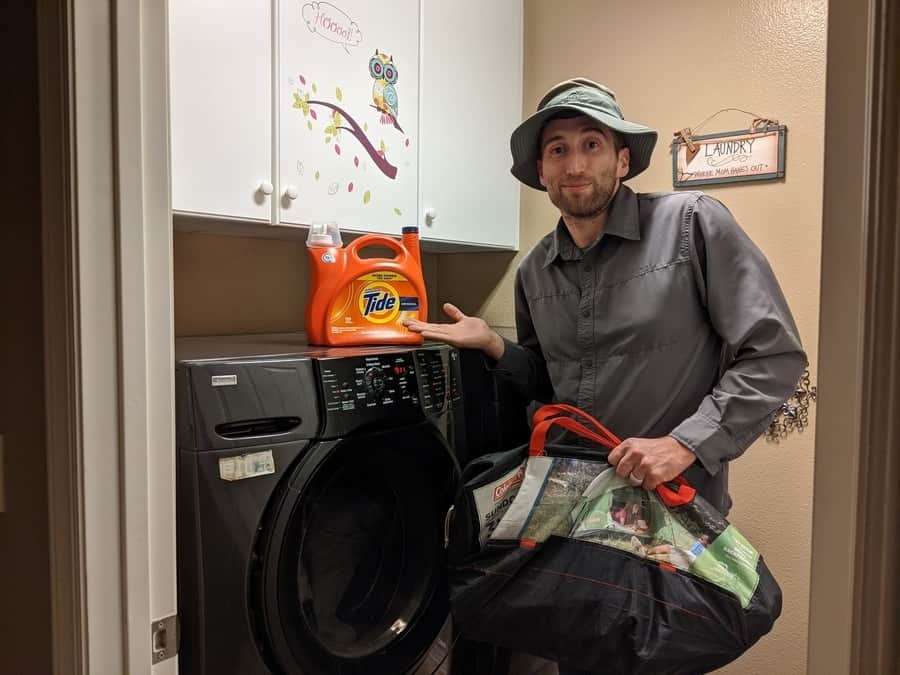
Have you ever wondered if you can put your tent in a washing machine? If you’ve spent time camping, you know how important it is to keep your gear clean and fresh.
But tents are big, delicate, and not exactly like your regular clothes. Washing them the wrong way can cause damage or leave dirt behind. You’ll discover the safest and most effective methods to clean your tent without risking its quality.
Keep reading to learn exactly what you should—and shouldn’t—do to keep your tent in great shape for your next adventure.
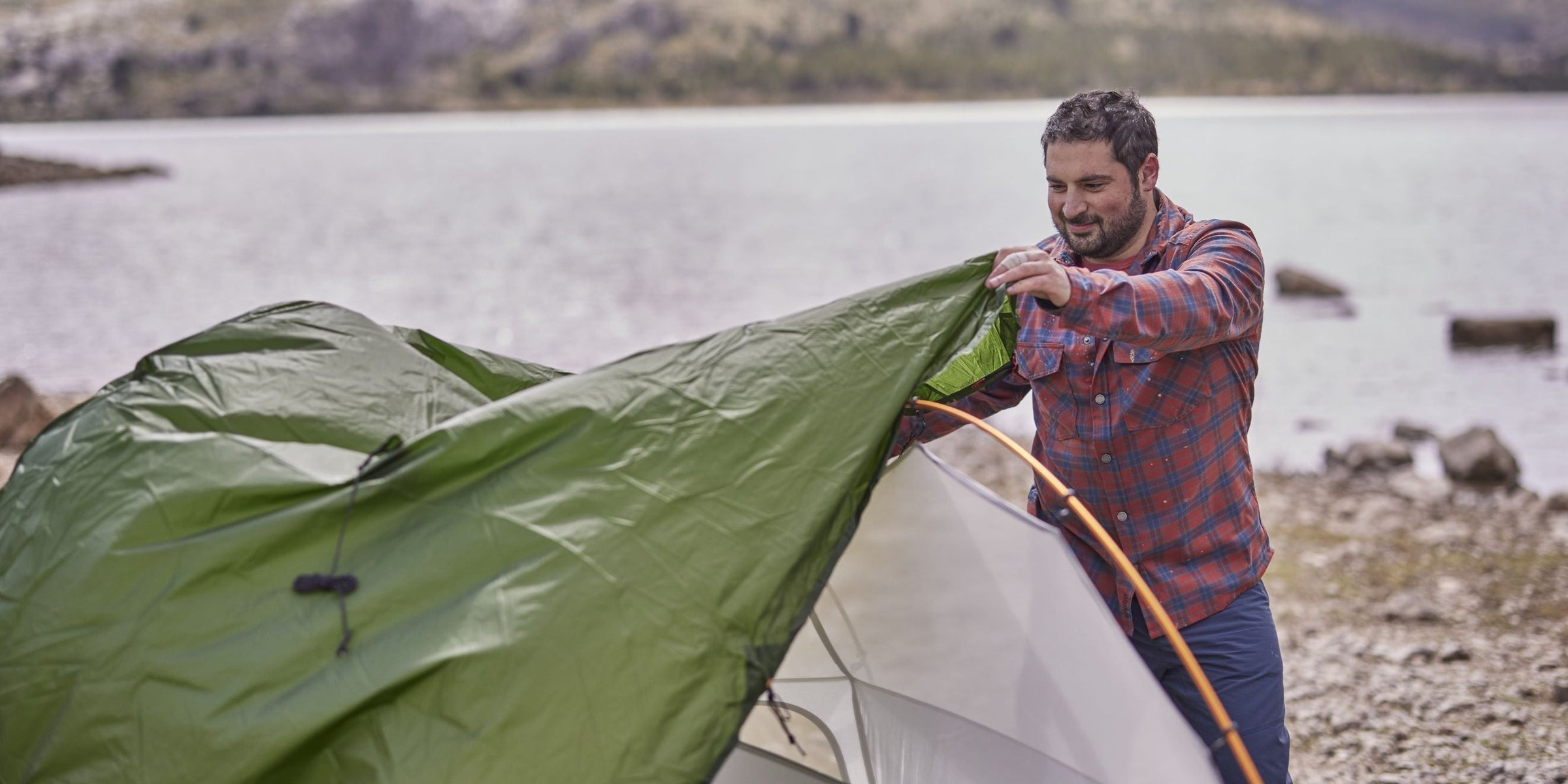
Credit: alpkit.com
Tent Washing Basics
Cleaning your tent keeps it in good shape and ready for use. Dirt, sweat, and weather can damage the fabric over time. Proper washing helps extend your tent’s life.
Knowing how and when to wash your tent is important. Some tents can go in a washing machine, but many need gentle care.
Material Types
Tents come in many materials. Each type needs special cleaning methods to avoid damage.
- Nylon:Lightweight and strong. Usually safe for gentle machine washing.
- Polyester:Durable and water-resistant. Can often be cleaned with mild soap and water.
- Cotton Canvas:Heavy and breathable. Hand washing is best to keep fabric healthy.
- Silicone-coated:Water repellent. Avoid harsh detergents or machine washing.
Always check the tent’s care label. It gives the best advice for cleaning your specific material.
Cleaning Frequency
Washing your tent too often can wear it out. Washing too little can cause stains and odors.
| Use | Cleaning Frequency |
| Light Camping (few days) | After every 2-3 trips |
| Heavy Camping (muddy or rainy) | After every trip |
| Long-term Storage | Clean before storing |
| Visible Dirt or Smell | Clean immediately |
Dry your tent completely before storing to prevent mold. Use mild soap and avoid bleach for cleaning.

Credit: www.popularmechanics.com
Preparing Tent For Washing
Before washing your tent, take time to prepare it properly. This helps protect the fabric and keeps it clean.
Preparing the tent includes removing parts, shaking off dirt, and spot cleaning stains. These steps make washing easier and safer.
Remove Accessories
Take off all detachable parts before washing. This includes poles, stakes, rain flies, and ground tarps. Removing these parts prevents damage and allows a better clean.
- Unclip or unzip rain fly
- Take out tent poles carefully
- Remove stakes and ground tarps
- Detach any additional accessories like vestibules or bags
Shake Off Debris
Shake the tent well to remove loose dirt, leaves, and small stones. You can do this outside on a clean surface. This step prevents dirt from building up in the washing machine.
| Debris Type | How to Remove |
|---|---|
| Leaves | Shake tent vigorously outside |
| Soil and Dust | Brush off with a soft brush |
| Small Stones | Pick out by hand before shaking |
Spot Cleaning
Check the tent for stains or spots. Clean these areas with mild soap and water. Use a soft cloth or sponge to avoid damaging the fabric.
- Mix mild soap with water
- Apply solution to stained areas
- Gently rub with a soft cloth
- Rinse spot with clean water
- Let the area dry before washing the whole tent
Machine Washing Tents
Washing tents in a machine can save time and effort. It is important to know if your tent is machine compatible.
This guide covers which tents can go in a washing machine, what detergents to use, and the best washing settings.
Machine Compatibility
Not all tents are safe for machine washing. Check the tent’s label for washing instructions.
- Small to medium tents with durable fabrics usually work well.
- Heavy-duty tents may be too large or rough for machines.
- Do not wash tents with metal poles still attached.
- Remove loose dirt and debris before washing.
Suitable Detergents
Use detergents that are gentle and free from bleach or harsh chemicals. These protect the tent’s fabric and waterproof coating.
| Detergent Type | Reason |
| Mild liquid detergent | Gentle on fabric and effective |
| Soap flakes | Natural and less damaging |
| Special tent or outdoor gear cleaner | Designed for tent materials |
| Harsh detergents or bleach | Can damage fabric and coatings |
Washing Settings
Choose washing machine settings that protect your tent. Use cold water and a gentle cycle.
- Set the machine to a delicate or gentle cycle.
- Use cold or lukewarm water to avoid damage.
- Skip the spin cycle or use a low spin speed.
- Do not use fabric softeners.
- Air dry the tent fully before storing.
Hand Washing Alternatives
Cleaning a tent in a washing machine can damage the fabric and structure. Hand washing is a safer way to clean your tent without causing harm.
Hand washing lets you control the cleaning process carefully. It helps protect the tent’s material and extends its life.
When To Hand Wash
Hand washing is best if your tent is very dirty or has stains. It also works well for tents with delicate fabrics or coatings.
Avoid machine washing if the tent has poles attached or if the label says hand wash only. Also, hand wash when you want to clean only a small part.
- Tent has mud or heavy dirt
- Fabric is delicate or coated
- Poles or parts attached
- Label says hand wash only
- You want to clean small areas
Effective Techniques
Start by setting up a clean area to wash your tent. Use a large tub or clean ground space with mild soap and water.
Gently scrub the tent with a soft brush or cloth. Rinse well with clean water to remove all soap. Avoid harsh chemicals or bleach.
- Use mild soap or tent cleaner
- Wash with soft brush or cloth
- Rinse thoroughly with water
- Do not use bleach or harsh chemicals
- Dry the tent completely before storing
Drying And Storage
Cleaning a tent can be tricky, especially drying and storing it right. Proper care helps your tent last longer and stay fresh.
After washing, drying and storing your tent correctly stops damage and bad smells. Let’s look at the best ways to do this.
Proper Drying Methods
Always dry your tent fully before storage. Damp tents cause mold and weaken fabric. Use shade and air to dry your tent.
Set up the tent outside or hang parts indoors in a well-ventilated space. Avoid direct sunlight for long times to protect fabric.
- Use a clean, dry spot with good airflow
- Dry tent poles and rainfly separately
- Do not use a dryer or heat source
- Turn the tent inside out for faster drying
Avoiding Mold And Mildew
Mold grows on wet fabric fast. Always check your tent for damp spots before storage. Clean off dirt and debris to stop mold.
If you find mold, clean it with a gentle soap and water mix. Let the tent dry fully before packing it away again.
- Inspect all tent fabric for moisture
- Use a mild detergent to clean mold spots
- Keep tent dry during drying and storage
- Air out tent regularly if stored long-term
Storage Tips
Store your tent in a cool, dry place. Avoid tight bags or compression that can damage fabric and seams. Use a loose storage bag.
Keep the tent away from damp basements or hot attics. Regularly air out the tent if it stays stored for months.
- Use a breathable storage sack, not plastic
- Store tent loosely folded or rolled
- Keep away from direct sunlight and heat
- Check tent for moisture before long storage
Common Washing Mistakes
Washing a tent in a machine needs care. Many make mistakes that damage the fabric.
Understanding these errors helps keep your tent clean and safe. Avoid these common washing mistakes.
Using Harsh Chemicals
Harsh chemicals like bleach can ruin your tent’s material. They weaken the fabric and harm waterproof coatings.
- Do not use bleach or strong detergents.
- Choose mild, non-detergent soap for washing.
- Check if the soap is safe for synthetic fabrics.
Overloading Machine
Putting too much in the washer causes poor cleaning and fabric stress. It can also break the machine.
| Problem | Effect |
| Overloaded Washer | Tent not cleaned properly |
| Overloaded Washer | Fabric tears or stretches |
| Overloaded Washer | Machine damage risk |
Ignoring Tent Care Labels
Labels show washing rules from the maker. Ignoring them can cause damage and void warranties.
- Always read the care label before washing.
- Follow instructions on water temperature and cycle type.
- Check if hand wash or machine wash is recommended.

Credit: www.reddit.com
Frequently Asked Questions
Can You Wash A Tent In A Washing Machine?
Most tents are too large and delicate for washing machines. Hand washing with mild soap and water is safer. Machine washing may damage fabric, seams, or coatings. Always check the manufacturer’s cleaning instructions before attempting any cleaning method.
What Settings Are Best For Washing A Tent?
If machine washing is allowed, use a gentle cycle with cold water. Avoid bleach, fabric softeners, and harsh detergents. Use mild soap designed for outdoor gear. Air dry the tent completely before storing to prevent mold and mildew.
How Often Should You Clean Your Tent?
Clean your tent after every few uses or if it becomes visibly dirty. Regular cleaning prevents buildup of dirt, sweat, and mildew. Proper maintenance extends the tent’s lifespan and keeps it functional for many camping trips.
Can Washing Machines Damage Tent Waterproof Coating?
Yes, washing machines can strip or damage waterproof coatings. Agitation and harsh detergents can reduce water resistance. Use gentle hand washing to preserve the tent’s waterproof properties and avoid costly repairs or replacements.
Conclusion
Putting a tent in a washing machine can damage it. Tents need gentle care. Hand washing is safer for your tent’s fabric. Use cold water and mild soap. Avoid harsh cleaners. Rinse thoroughly to remove all soap. Air dry your tent completely before storing.
This prevents mold and mildew growth. Proper tent care extends its life. Invest time in cleaning manually. Your tent will thank you with years of service. Happy camping and enjoy your adventures!