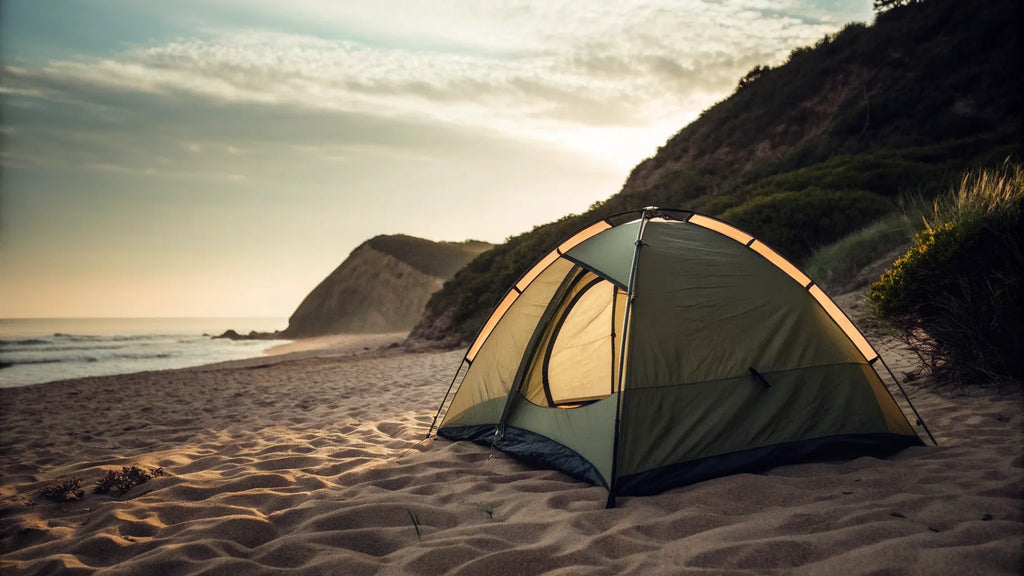
Are you planning a day at the beach and wondering if you can bring your tent along? You might want some shade, privacy, or a cozy spot to relax away from the sun.
But before you pack up your gear, it’s important to know the rules and what to expect. This guide will help you understand when and where you can bring a tent to the beach, so you can enjoy your day without any surprises.
Keep reading to find out everything you need to make your beach trip comfortable and hassle-free.
Credit: www.battlbox.com
Beach Tent Rules
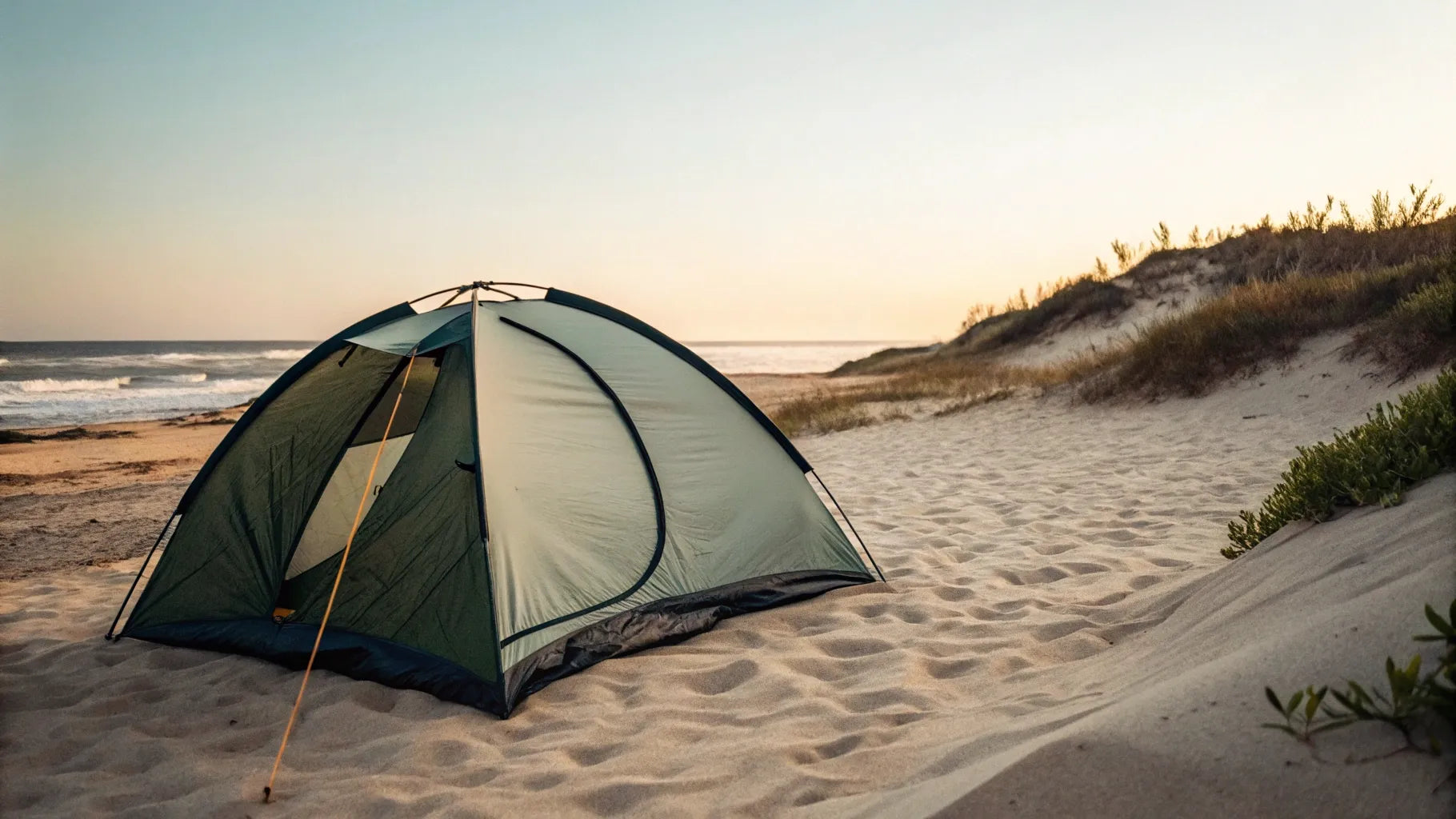
Bringing a tent to the beach can make your day more comfortable. It offers shade and a place to store your things. But, there are rules you must follow to use a beach tent.
These rules keep the beach safe and clean for everyone. They also protect the environment and other beachgoers.
Local Regulations
Each beach has its own rules about tents. Some beaches allow tents only in certain areas. Others may limit the size of your tent.
Check with local park or city websites for specific rules. Rules can change depending on the season or special events.
- Some beaches ban tents during busy hours
- Size limits keep tents from blocking views
- Rules protect wildlife and dune areas
Permits And Fees
Some beaches require a permit to set up a tent. Permits help control how many tents are on the beach. They also support beach maintenance.
Fees may apply for larger tents or long stays. Always get your permit before arriving to avoid fines. Small pop-up tents are often free.
- Check if a permit is needed online
- Pay fees at beach offices or online
- Keep your permit visible while on the beach
Restricted Areas
Some beach zones do not allow tents. These areas may include lifeguard stations or protected wildlife habitats. Follow posted signs carefully.
Setting up a tent in restricted zones can cause safety problems. It may block emergency exits or harm plants and animals.
- Keep tents away from lifeguard towers
- Do not set tents on dunes or nesting sites
- Respect marked no-tent zones
Choosing The Right Tent
Bringing a tent to the beach can give you shade and privacy. Picking the right tent helps you enjoy your day comfortably.
Consider the size, material, and how easy it is to carry before buying a beach tent.
Size And Capacity
Choose a tent size that fits the number of people using it. A small tent works for one or two people.
Larger tents can hold more people and gear. Think about how much space you need for comfort.
- Small tents: 1-2 people
- Medium tents: 3-4 people
- Large tents: 5 or more people
Material And Durability
Pick tents made of strong fabric that can block sun and resist wind. Polyester and nylon are good choices.
Check if the tent has UV protection and water resistance. This helps keep you safe from sun and light rain.
- Polyester: lightweight and sun-resistant
- Nylon: strong and durable
- UV protection: blocks harmful sun rays
- Water resistance: protects from light rain
Portability
Bring a tent that is easy to carry to the beach. Look for tents that fold small and come with a carry bag.
Lightweight tents are easier to move, especially if you walk far to the beach.
- Lightweight frames for easy transport
- Compact design folds into small bags
- Quick setup saves time
Setting Up Your Tent
Bringing a tent to the beach can give you shade and privacy. Setting it up correctly is important for comfort and safety. This guide helps you choose a good spot and secure your tent well.
Follow these tips to enjoy your beach day without worries. A well-set tent protects you from wind, sun, and unexpected weather changes.
Best Location On The Beach
Pick a flat area away from the waterline. This keeps your tent dry and safe from tides. Avoid places with too much foot traffic or near wildlife habitats.
- Find a spot behind natural windbreaks like dunes or bushes.
- Stay clear of areas where waves might reach at high tide.
- Check for soft sand that is easy to anchor your tent in.
- Look for some shade if possible, like near palm trees.
Anchoring Techniques
Strong anchoring stops your tent from blowing away. Use the right tools and methods for sandy beach conditions.
| Method | Details | Best Use |
|---|---|---|
| Sand Stakes | Wide, curved stakes designed for sand | Soft, loose sand |
| Deadman Anchor | Bury a bag filled with sand and tie the rope to it | When stakes don’t hold well |
| Guy Lines | Secure ropes tied to tent corners and fixed to anchors | Extra stability in strong wind |
Safety Tips
Keep safety in mind while setting your tent. Watch the weather and keep your belongings secure.
- Check the weather forecast before setting up.
- Keep sharp objects away from the tent fabric.
- Do not set up near cliffs or unstable dunes.
- Make sure the tent is visible to others to avoid accidents.
- Always pack out what you bring in to protect nature.
Benefits Of Using A Beach Tent
Bringing a tent to the beach makes your day more comfortable. It offers a special space just for you.
A beach tent helps protect you from the sun and wind. It also gives you privacy in a busy place.
Sun Protection
A beach tent blocks strong sunlight. It helps stop sunburns and skin damage during long hours outside.
Most tents have special fabric that blocks harmful UV rays. This keeps your skin safer and cooler.
Privacy
Beaches can be crowded and noisy. A beach tent creates a private space for you and your family.
You can change clothes, rest, or store your things inside. This keeps your stuff safe and out of sight.
Shelter From Wind
Beach wind can be strong and cold. A tent shields you from the wind, making your time more pleasant.
The tent walls block sand and dust that the wind carries. This helps keep your area clean and calm.
Beach Tent Alternatives
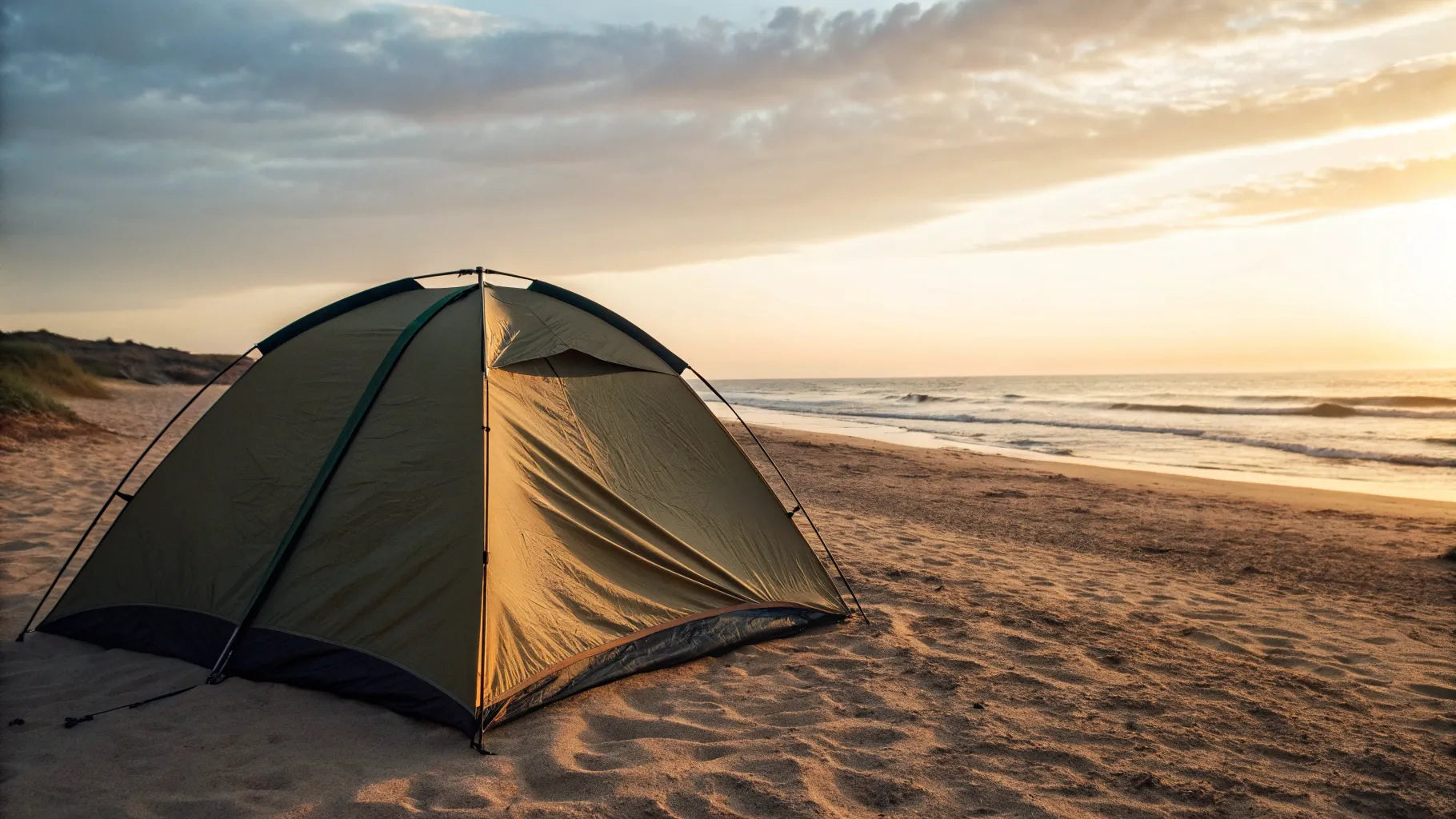
Many beaches have rules about tents. You might not be allowed to bring a tent. It is good to know other options. These can give you shade and shelter.
Beach tent alternatives are easy to carry and set up. They offer sun protection and a place to relax. Here are some popular choices.
Umbrellas
Beach umbrellas are light and easy to carry. They provide shade for one or two people. You can adjust them to block the sun.
Umbrellas come in many sizes and colors. Some have vents to reduce wind problems. They are a simple way to stay cool at the beach.
Canopies
Canopies offer more space than umbrellas. They have a roof and open sides. This lets air flow while keeping you shaded.
Canopies are good for groups or families. They need more effort to set up. Some come with weights or stakes for stability.
- Provide shade for several people
- Open sides allow good airflow
- Require more space and setup time
- Often include anchors for wind
Pop-up Shelters
Pop-up shelters open quickly and stand on their own. They protect from sun and light wind. Many have walls for extra coverage.
These shelters fold flat for easy transport. They are bigger than umbrellas but smaller than canopies. Good for families or groups wanting privacy.
- Fast to set up and take down
- Provide shade and some wind protection
- Offer privacy with walls
- Compact when folded
Credit: www.battlbox.com
Maintaining And Cleaning Your Tent
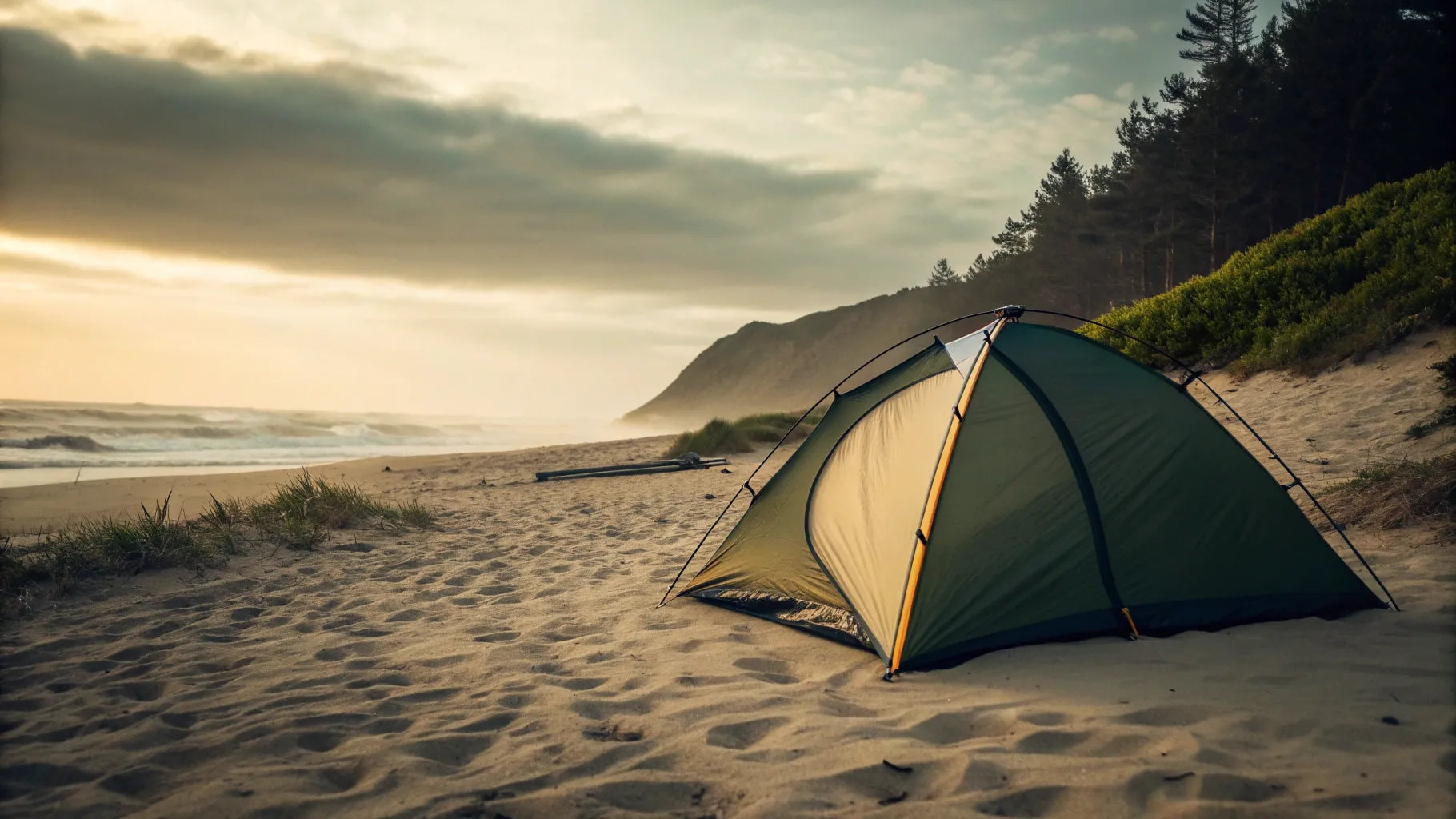
Bringing a tent to the beach is fun, but keeping it clean and safe is important. Sand, salt, and sun can damage your tent if you do not care for it well.
Proper maintenance helps your tent last longer. It also makes your next beach trip more comfortable and safe.
Post-beach Care
After using your tent at the beach, remove all sand and dirt. Shake out the tent before packing it away. Use a soft brush to get rid of stuck sand.
Rinse your tent with fresh water to remove salt and other residues. Do not use soap unless it is mild and made for tents. Avoid harsh cleaners that can damage the fabric.
- Shake the tent to remove loose sand
- Brush off stuck dirt gently
- Rinse with fresh water only
- Use mild soap if necessary
- Let it dry completely before packing
Storage Tips
Store your tent in a dry and cool place. Avoid folding it tightly to stop damage to the fabric and poles. Use a large storage bag or hang it if possible.
Check the tent for any holes or tears before storing. Repair small damages to keep your tent safe for the next trip.
- Keep the tent dry before storage
- Store in a cool, shaded area
- Do not fold the tent too tightly
- Repair holes and tears early
- Use a breathable storage bag
Credit: www.battlbox.com
Frequently Asked Questions
Can I Bring A Tent To Any Beach?
Not all beaches allow tents. Check local rules before visiting. Some beaches restrict tents to protect wildlife and other visitors.
What Type Of Tent Is Best For The Beach?
Choose a lightweight, UV-protected, and easy-to-assemble beach tent. It should offer good ventilation and sand-resistant features.
Are Beach Tents Allowed All Day?
Beach tent rules vary by location. Some beaches limit tent use to certain hours. Always confirm the time restrictions beforehand.
Do I Need A Permit To Set Up A Tent On The Beach?
Some beaches require permits for tents, especially large ones. Check with local authorities to avoid fines or removal.
Conclusion
Bringing a tent to the beach offers shade and comfort. Check local rules before setting up. Some beaches allow tents, others don’t. Pack a lightweight, easy-to-assemble tent. Be mindful of space and other beachgoers. Secure the tent properly to avoid accidents.
Enjoy sun protection while relaxing by the sea. A tent provides a private spot for you and your family. Keep the beach clean by disposing of trash properly. Respect nature and others around you. With the right tent, your beach day can be more enjoyable.