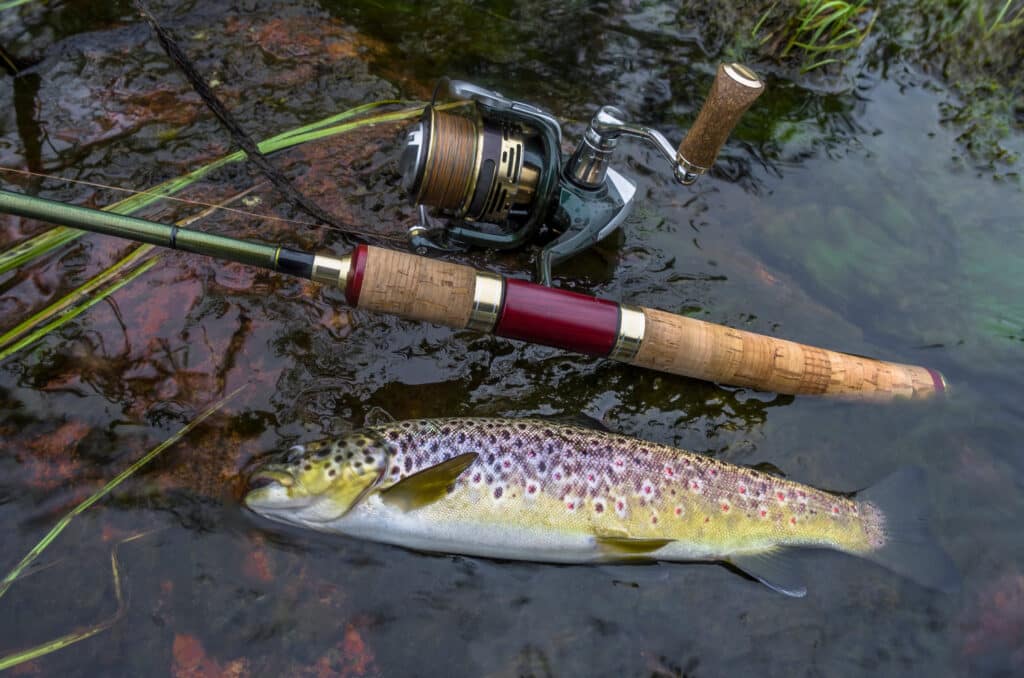
Choosing the right rod for trout fishing can make all the difference between a frustrating day and an exciting catch. You want a rod that feels just right in your hands, helps you cast smoothly, and gives you control when that trout finally bites.
But with so many options out there, how do you know which type suits your style and the waters you fish? Keep reading, because by the end of this article, you’ll know exactly what rod to pick to boost your chances of landing more trout—and enjoying every moment on the water.
Choosing The Right Rod Length
Choosing the right rod length is key for trout fishing. The length affects your casting and control.
Longer rods help with longer casts. Shorter rods give better accuracy and control near the water.
Short Vs Long Rods
Short rods are easier to handle in tight spaces. They work well in small streams with lots of trees.
Long rods help you cast farther. They are good for open waters and larger rivers.
- Short rods: 5 to 6 feet
- Long rods: 7 to 9 feet
- Short rods offer better accuracy
- Long rods allow longer casts
Best Lengths For Different Waters
Pick your rod length based on the water type you fish. Different waters need different rod lengths.
Small streams are best for shorter rods. They help you cast without hitting branches or bushes.
- Small streams: 5 to 6 feet rod
- Medium rivers: 6 to 7.5 feet rod
- Large rivers and lakes: 7.5 to 9 feet rod
For lakes, longer rods help cast farther. For small waters, shorter rods give better control.
Rod Power And Action
Choosing the right rod power and action is key for trout fishing. These two factors affect how your rod feels and performs.
Rod power means how strong the rod is. Action tells how much the rod bends when you cast or fight a fish.
Light Power
Light power rods are thin and flexible. They work well for small trout and quiet streams. You can feel every little bite with these rods.
Medium Power
Medium power rods are stronger and can handle bigger trout. They are a good choice for most fishing spots. These rods offer a balance of sensitivity and strength.
Heavy Power
Heavy power rods are strong and stiff. They are best for large trout or fishing in tough conditions. These rods give you more control when fighting big fish.
Fast, Medium, And Slow Action Explained
Rod action shows how much the rod bends under pressure. Fast action bends near the tip. Medium action bends in the middle. Slow action bends near the handle.
| Action | Bend Location | Best Use |
|---|---|---|
| Fast | Tip only | Long casts and quick hook sets |
| Medium | Mid-rod | Versatile for many fishing styles |
| Slow | Near handle | Delicate presentations and fighting fish |
Material Matters
Choosing the right rod material is key for trout fishing. The rod affects how you cast and feel the fish.
Different materials offer different strengths and flexibility. Knowing these helps pick the best rod.
Graphite Vs Fiberglass
Graphite rods are light and sensitive. They let you feel small bites easily.
Fiberglass rods are heavier but strong and flexible. They handle rough fishing well.
- Graphite rods cast longer and with more accuracy
- Fiberglass rods are good for beginners and strong fish
- Graphite is more expensive than fiberglass
- Fiberglass rods are less likely to break under pressure
Composite Rods Benefits
Composite rods mix graphite and fiberglass. This blend gives a balance of strength and sensitivity.
These rods work well for different trout fishing styles. They are not too heavy or too fragile.
- Offer good casting control
- Handle both small and larger fish
- More affordable than pure graphite rods
- Durable and resistant to damage

Credit: troutandsteelhead.net
Spinning Vs Fly Fishing Rods
Choosing the right rod is important for trout fishing. Two common types are spinning rods and fly fishing rods. Each type works best in different situations.
Spinning rods use spinning reels and are easy for beginners. Fly rods use special lines and flies to catch trout in rivers and streams.
When To Use Spinning Rods
Use spinning rods when fishing in lakes or ponds. They cast lures or bait far and are good for bigger trout. Spinning rods work well in windy conditions.
They are also great for beginners because they are simple to use. You can catch trout with live bait, soft plastics, or small spinners using these rods.
- Best for still water fishing
- Good for casting heavy lures
- Easier for beginners
- Works well in wind
Advantages Of Fly Rods
Fly rods are designed for casting lightweight flies. They give more control for delicate presentations on the water. This helps catch trout in clear rivers and streams.
Fly rods allow anglers to fish in tight spaces and mimic natural insects. They also give a better feel of the fish biting the fly.
- Best for rivers and streams
- Allows precise, light casts
- Good for mimicking insects
- Better bite detection
Line Weight And Rod Compatibility
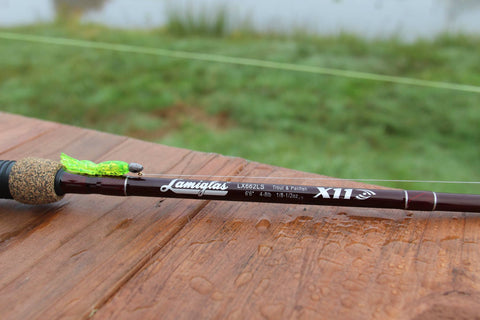
Choosing the right rod for trout fishing depends on the line weight. The rod must match the line to work well. This balance helps with casting and controlling the fish.
If the line weight is too heavy or too light, it can cause problems. Using the correct combination improves your fishing experience and helps you catch more trout.
Matching Line Weight To Rod
Each fishing rod is designed for a specific line weight range. This range shows the best line sizes that fit the rod’s power and action. Using a line outside this range can cause damage or poor performance.
- Light rods work best with light lines, usually 2 to 6 pounds.
- Medium rods match medium lines, around 6 to 12 pounds.
- Heavy rods fit heavier lines over 12 pounds.
Effects On Casting And Control
The right line weight helps you cast farther and with better accuracy. It also gives more control when fighting a trout. The rod bends properly, reducing the chance of the line breaking.
| Line Weight (lbs) | Rod Action | Casting Distance | Control Level |
| 2-6 | Fast | Short to Medium | High |
| 6-12 | Medium | Medium to Long | Medium |
| 12+ | Slow | Long | Low |
Credit: www.lamiglas.com
Handle Types And Comfort
Choosing the right rod handle affects your comfort while fishing for trout. A good handle reduces hand fatigue during long fishing trips.
This guide looks at popular handle materials and how handle length suits different fishing styles.
Cork Vs Eva Foam Grips
Cork and EVA foam grips are common on trout fishing rods. Each has benefits and downsides depending on your needs.
- Cork gripsfeel natural and warm to the touch. They offer good grip even when wet.
- EVA foam gripsare softer and lighter. They resist water and dirt well but may wear faster.
- Cork tends to be more expensive but lasts longer with care.
- EVA foam is budget-friendly and easy to replace.
Handle Length And Fishing Style
Handle length influences how you cast and control the rod. Different styles call for different handle sizes.
| Fishing Style | Recommended Handle Length | Notes |
| Lightweight Trout Fishing | 6 to 8 inches | Short handle for precise casting |
| Stream or River Fishing | 8 to 10 inches | Longer handle for better leverage |
| Two-Handed Casting | 10+ inches | Allows stronger casting with both hands |
Budgeting For Quality
Choosing the right rod for trout fishing can be tricky. You want a good rod that fits your budget.
Quality matters because it affects your fishing experience. You do not need to spend a lot to get a good rod.
Affordable Options That Work
There are many rods that cost less but still perform well. These rods are good for beginners and casual fishers.
Look for rods made from fiberglass or low-cost graphite. These materials offer good strength and flexibility.
- Length between 6 to 7 feet is ideal for trout fishing
- Light or ultralight power rods help with small trout
- Fast action rods improve casting accuracy
- Check user reviews to find reliable budget rods
Investing In Premium Rods
Premium rods cost more but offer better quality and durability. They provide a smoother fishing experience.
These rods use high-grade graphite or carbon fiber. They are lighter and more sensitive to fish bites.
- Longer rods, up to 8 feet, give better casting distance
- Medium-light power rods balance strength and sensitivity
- High-quality guides reduce line friction
- Custom grips add comfort for long fishing trips
Maintenance Tips For Longevity
Choosing the right rod for trout fishing is important. Keeping it in good shape extends its life. Simple maintenance helps you fish better and longer.
This guide covers cleaning, storage, and ways to avoid damage. Follow these tips to protect your investment and enjoy many fishing trips.
Cleaning And Storage
Cleaning your trout fishing rod after each use removes dirt and salt. Salt can cause corrosion and weaken the rod parts. Use fresh water and a soft cloth for cleaning.
- Rinse rod with fresh water after fishing
- Wipe down with a soft, dry cloth
- Check guides and reel seat for dirt
- Use mild soap if needed, then rinse thoroughly
- Dry rod completely before storage
- Store in a cool, dry place away from sunlight
Avoiding Common Damages
Protect your rod from impacts and stress. Avoid bending it beyond its limits. Watch for cracks or loose parts. Handle your rod carefully to prevent costly repairs.
| Common Damage | How to Avoid |
|---|---|
| Broken tip | Use rod covers and avoid dropping |
| Guide damage | Check guides regularly and clean gently |
| Corrosion | Rinse off saltwater and dry rod fully |
| Loose reel seat | Tighten reel properly and inspect often |
| Cracks in blank | Do not overbend or store under heavy objects |

Credit: www.maguro-pro-shop.com
Frequently Asked Questions
What Is The Best Rod Length For Trout Fishing?
A rod length between 6 to 7 feet is ideal for trout fishing. It offers better control and casting accuracy in streams and rivers. Shorter rods suit tight spaces, while longer rods help cast farther in open waters.
Which Rod Action Suits Trout Fishing Best?
Medium to fast action rods are best for trout fishing. They provide sensitivity to detect subtle bites and enough power to handle small to medium-sized trout. This balance improves hook setting and overall fishing experience.
Should I Choose A Spinning Or Fly Fishing Rod?
Spinning rods are versatile and easy for beginners. Fly rods are specialized for fly fishing techniques and offer more precision. Choose based on your preferred fishing style and local trout habitats.
What Rod Power Is Recommended For Trout Fishing?
Light to ultralight power rods are recommended for trout fishing. They provide enough strength to fight trout without overwhelming the fish. This power range ensures better sensitivity and control during the catch.
Conclusion
Choosing the right rod is crucial for successful trout fishing. A lightweight rod offers ease and comfort during long fishing trips. Medium action rods provide the flexibility needed for various trout sizes. Shorter rods work best in tight spaces, like streams.
For larger waters, a longer rod offers better casting distance. Remember, your rod should match your fishing environment and style. Testing different rods can help find your perfect fit. Happy fishing!