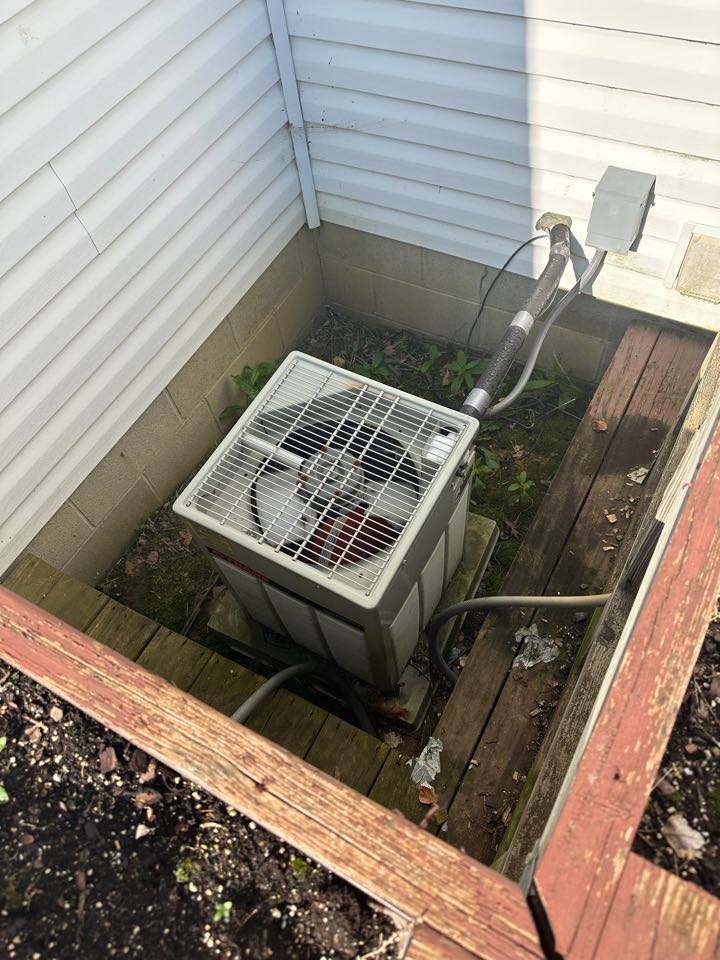
Is your air conditioner struggling to keep your home cool? You might have a Freon leak, and that can be a real headache.
But here’s the big question: can you fix a Freon leak in your air conditioner yourself? Before you call a costly technician, it’s important to understand what a Freon leak means for your AC and your wallet. You’ll discover the signs of a Freon leak, why it happens, and whether you can handle the repair on your own.
Keep reading—you might save yourself time, money, and a lot of frustration.
Signs Of A Freon Leak
Freon leaks in air conditioners can cause many problems. It is important to recognize the signs early.
This helps you fix the issue before it gets worse and saves energy and money.
Reduced Cooling Efficiency
Your air conditioner may not cool the room as well as before. This happens because Freon helps absorb heat.
When Freon leaks, the cooling power drops, and the AC struggles to keep the temperature low.
Hissing Or Bubbling Sounds
Listen for unusual sounds near your AC unit. A hissing or bubbling noise can signal a Freon leak.
- Hissing sounds come from gas escaping
- Bubbling may happen if Freon leaks into water
- These noises are not normal and need attention
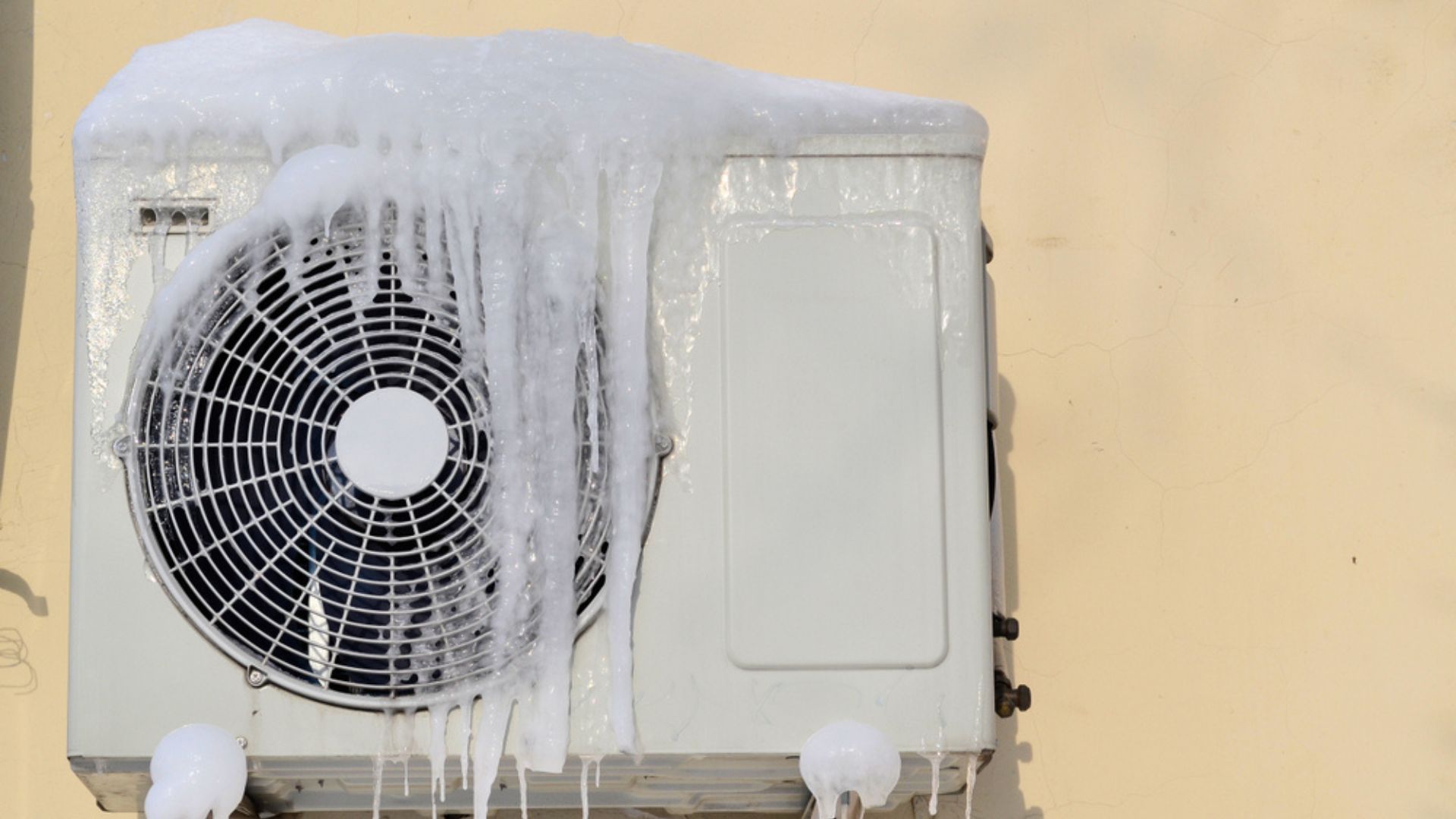
Ice Formation On Coils
Look for ice or frost on the AC coils or refrigerant lines. This happens when Freon is low.
| Reason | Effect |
| Low Freon | Coils get too cold and freeze |
| Frozen coils | Stops proper cooling |
Higher Energy Bills
A leaking Freon system makes your AC work harder. This uses more electricity.
You may notice your energy bills rising without extra cooling time or higher temperatures.
Causes Of Freon Leaks
Freon leaks in air conditioners can reduce cooling efficiency. Knowing what causes these leaks helps in finding the right fix.
Several factors can lead to Freon escaping from your AC system. Some causes are due to wear and tear, while others come from installation or damage.
Corroded Coils
Coils in the AC unit can corrode over time. Corrosion happens when moisture and dirt build up on the metal parts. This weakens the coils and causes tiny holes. These holes let Freon leak out slowly.
Loose Connections
Freon moves through pipes and connections in the AC system. If these connections are loose or not sealed well, Freon can escape. Loose fittings happen due to vibrations or poor installation.
- Vibrations from the AC unit
- Wear over time on seals and gaskets
- Improper installation or repairs
Physical Damage
Physical damage to the AC unit can cause leaks. Accidents during maintenance or from outside forces like hail can dent or puncture the pipes. This damage creates holes where Freon escapes.
Manufacturing Defects
| Defect Type | How It Causes Leaks |
| Weak welds | Can crack under pressure |
| Thin metal walls | More prone to punctures |
| Faulty seals | Fail to hold Freon inside |
Some AC units have defects from the factory. These flaws can lead to leaks soon after installation. Checking the system carefully can catch these problems early.
Tools And Materials Needed
Fixing a Freon leak in an air conditioner needs some special tools. These tools help find the leak and fix it safely.
Using the right materials is important to make sure the repair works well and the AC runs smoothly again.
Leak Detector
A leak detector helps find where the Freon is escaping. It senses the gas and shows the exact spot.
There are many types, like electronic and ultrasonic leak detectors. Electronic types are common and easy to use.
- Electronic leak detector
- Ultrasonic leak detector
- Soap solution for small leaks
Refrigerant Gauge
A refrigerant gauge measures the pressure inside the AC system. It tells if the Freon level is low.
This tool connects to the AC valves. It helps check how much refrigerant is left or if the system needs more.
- High and low-pressure gauges
- Hose set to connect gauges
- Valve core remover tool
Protective Gear
Protective gear keeps you safe during the repair. Freon can be harmful if it touches your skin or eyes.
Wear gloves, goggles, and a mask to avoid injury. Good ventilation is also important in the work area.
- Chemical-resistant gloves
- Safety goggles
- Face mask or respirator
- Well-ventilated workspace
Repair Kits
Repair kits include items to seal or fix the leak. Some kits have sealants or patches for small holes.
Use kits that fit your AC model. Follow instructions carefully to avoid damage to the system.
- Sealant tubes
- Patch kits
- Replacement parts like O-rings
- Tools for opening and closing valves
Step-by-step Leak Repair Process
Fixing a Freon leak in an air conditioner takes care and attention. Following clear steps helps ensure the repair is safe and effective.
This guide breaks down the process into simple parts. Each part explains what to do and why it is important.
Locating The Leak
Finding the leak is the first and most important step. Use special tools to spot where the Freon is escaping.
- Turn off the air conditioner and unplug it.
- Apply a leak detection spray or soap solution to suspect areas.
- Look for bubbles or oily residue to identify leaks.
- Use an electronic leak detector for more accuracy.
- Mark the leak spots clearly for repair.
Evacuating The System
Before fixing the leak, the system must be emptied of all Freon and moisture. This step protects the system and helps the repair last.
- Connect a vacuum pump to the air conditioner service port.
- Turn on the vacuum pump to remove air and moisture.
- Run the pump for at least 30 minutes to ensure full evacuation.
- Close the valves to keep the system sealed after evacuation.
Repairing Or Replacing Damaged Parts
Fix or swap out the parts that cause the leak. Proper repair stops Freon from escaping again.
| Common Damaged Parts | Repair Action |
|---|---|
| O-rings and seals | Replace with new, compatible parts |
| Coils and pipes | Seal small holes with epoxy or replace section |
| Valves | Tighten or replace faulty valves |
| Fittings | Re-tighten or replace damaged fittings |
Recharging The Freon
After repair, refill the system with the correct amount of Freon. This restores cooling power and efficiency.
- Check the manufacturer’s label for the correct Freon type and amount.
- Attach a refrigerant gauge set to the service port.
- Slowly add Freon while monitoring pressure levels.
- Stop when pressure reaches the recommended value.
- Seal the service port and test the air conditioner for leaks and cooling.
Safety Precautions
Fixing a Freon leak in an air conditioner needs care and attention. Safety is very important before you start any repair work. Following safety rules helps protect you and your home.
This guide covers key safety tips on handling refrigerants, avoiding electrical risks, and using proper ventilation during repairs.
Handling Refrigerants Carefully
Refrigerants like Freon can be harmful if not handled well. Contact with skin or inhaling fumes can cause injury. Always use protective gear and tools made for refrigerants.
- Wear gloves and safety goggles to protect your skin and eyes.
- Use leak detectors to find the source safely.
- Never release refrigerants into the air; it harms the environment.
- Follow local laws for refrigerant disposal and refilling.
Avoiding Electrical Hazards
Air conditioners have electrical parts that can cause shocks. Turning off power before working on the unit is a must. Use insulated tools to stay safe.
| Safety Tip | Action |
| Power off | Switch off circuit breaker before repairs |
| Check wiring | Inspect wires for damage or wear |
| Use tools | Use insulated tools to avoid shocks |
| Avoid water | Keep the area dry to prevent accidents |
Using Proper Ventilation
Good airflow helps clear any harmful gases during a repair. Always work in a space that allows fresh air to move freely. This lowers risk from breathing in refrigerant fumes.
Tips for proper ventilation:
- Open windows and doors near your work area.
- Use fans to push air outside.
- Do not work in small, enclosed rooms without airflow.

Credit: vernonairconditioning.com
When To Call A Professional
Fixing a Freon leak in your air conditioner can be tricky. Some problems need expert help. Knowing when to call a professional saves time and money.
Small leaks may seem easy to fix, but certain situations require special skills and tools. It is important to understand these cases.
Complex Leak Situations
Not all Freon leaks are simple. Some leaks happen in hard-to-reach areas or inside sealed parts. These cases need a trained technician.
- Leaks inside compressor units
- Leaks in sealed refrigeration lines
- Leaks combined with other system faults
- Multiple leak points in one system
Lack Of Proper Tools
Fixing Freon leaks requires special tools. Without them, the repair might fail or cause damage. Professionals have the right equipment.
| Tool | Purpose |
| Electronic leak detector | Find small Freon leaks |
| Vacuum pump | Remove air and moisture |
| Manifold gauge set | Check system pressure |
| Recovery machine | Safely remove Freon |
Legal Regulations And Certifications
Freon is a controlled substance. Laws require certified technicians to handle it. DIY repairs without certification can lead to fines or harm.
Here are key legal points to know:
- Only certified professionals can buy and use Freon.
- Improper handling risks environmental damage.
- Fines apply for illegal Freon release.
- Certified techs follow safety and disposal rules.
Preventing Future Freon Leaks
Freon leaks in air conditioners can reduce cooling efficiency. Stopping leaks early saves money and helps the environment.
Preventing future leaks needs care in maintenance, installation, and monitoring. Each step plays a key role in keeping your system safe.
Regular Maintenance
Keep your air conditioner clean and check it often. Dirt and dust can cause damage that leads to leaks.
- Clean or replace air filters every month
- Inspect coils and fins for dirt buildup
- Check refrigerant levels regularly
- Look for signs of oil or moisture near coils
- Schedule professional tune-ups each year
Proper Installation
Correct installation prevents strain on the system that may cause leaks. Use skilled technicians and quality materials.
| Installation Factor | Why It Matters |
| Correct refrigerant charge | Prevents pressure problems |
| Proper pipe insulation | Stops condensation and corrosion |
| Tight connections | Avoids refrigerant escape |
| Level placement | Ensures smooth operation |
Monitoring System Performance
Watch your air conditioner’s cooling power and sounds. Early detection helps fix leaks before they grow.
- Less cold air than usual
- Hissing or bubbling noises
- Ice buildup on coils
- Higher energy bills
Use smart thermostats and sensors to track system health. These tools alert you to problems early.

Credit: www.reddit.com
Credit: orzechheating.ca
Frequently Asked Questions
What Causes Freon Leaks In Air Conditioners?
Freon leaks often result from corrosion, damaged coils, or loose connections. Wear and tear over time also causes leaks. Proper maintenance helps prevent these issues and extends AC lifespan.
Can I Fix A Freon Leak Myself?
Fixing a Freon leak requires specialized tools and certification. DIY repairs risk safety and damage. It’s best to hire a licensed HVAC professional for effective, safe repairs.
How Do Professionals Detect Freon Leaks?
Technicians use electronic leak detectors, UV dye, or soap solution to find leaks. These methods accurately locate leaks for precise repairs, ensuring your AC works efficiently.
Is It Safe To Use An Air Conditioner With A Freon Leak?
Using an AC with a Freon leak is unsafe and inefficient. Leaks reduce cooling, increase energy costs, and harm the environment. Fix leaks promptly to ensure safe operation.
Conclusion
Fixing a Freon leak can be tricky. It’s best to consult a professional. They have the right tools and knowledge. Attempting repairs yourself might cause more harm. Safety should always be a priority. Regular maintenance can prevent leaks. Keep your air conditioner running smoothly.
Check for signs of leaks early. Save on costly repairs. A well-maintained system is efficient. It cools your home better. Remember, a small issue now can grow. Take action early. Enjoy a cooler, more comfortable space.