Have you ever wondered if your air conditioner needs coolant to work properly? If your home isn’t feeling as cool as it should, this might be the reason.
Understanding how coolant affects your air conditioner can save you from costly repairs and keep your space comfortable all year round. You’ll discover why coolant is essential, how to know if your AC needs more, and what you can do to keep it running smoothly.
Keep reading to learn the simple steps that will protect your investment and keep your cool when it matters most.
How Air Conditioners Work
Air conditioners cool indoor air by moving heat outside. They use a cycle that changes a special fluid from liquid to gas and back.
This process helps remove heat from the air inside your home and release it outside, making the room cooler.
Role Of Coolant In Cooling
The coolant, also called refrigerant, carries heat from inside to outside. It absorbs heat when it evaporates and releases heat when it condenses.
- The coolant moves through coils inside the AC unit.
- It changes from liquid to gas to absorb heat inside.
- It changes back to liquid outside to release heat.
- This cycle repeats to keep the air cool.
Types Of Coolants Used
Different air conditioners use different coolants. Some are better for the environment than others.
| Coolant Type | Common Use | Environmental Impact |
| R-22 (Freon) | Older AC models | Harmful to ozone layer |
| R-410A | Newer AC models | Less ozone damage |
| R-32 | Modern units | Lower global warming potential |

Credit: aquariushomeservices.com
Why Coolant Is Necessary
Air conditioners use coolant to keep your home cool. The coolant helps move heat from inside to outside. Without it, the system cannot cool the air effectively.
The coolant is a special fluid that changes from gas to liquid and back. This change allows the air conditioner to absorb and release heat.
Heat Absorption And Transfer
Coolant absorbs heat from the air inside your home. It changes from liquid to gas as it takes in heat. Then, it moves outside to release the heat.
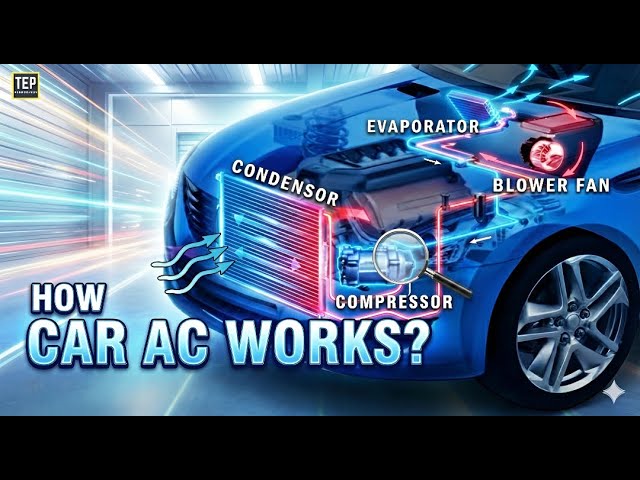
- Coolant evaporates inside the evaporator coil.
- It absorbs heat from indoor air.
- The gas coolant moves to the compressor.
- Heat is released outside through the condenser coil.
Maintaining Efficiency
The right amount of coolant keeps the air conditioner working well. Too little or too much coolant lowers efficiency and may damage the system.
| Coolant Level | Effect on Efficiency |
| Proper Amount | Optimal cooling and energy use |
| Low Coolant | Poor cooling, higher energy costs |
| Excess Coolant | System strain, possible damage |
Signs Of Low Or Leaking Coolant
Air conditioners use coolant to keep the air cold. If the coolant is low or leaking, the unit may not work well. It is important to spot the signs early.
Knowing these signs helps you fix the problem before it gets worse. Look for changes in how your air conditioner feels and sounds.
Reduced Cooling Performance
If the air conditioner is not cooling as much as before, it may have low coolant. The air might feel warmer or less fresh than usual.
Low coolant means the system can’t remove heat well. This makes your home or office uncomfortable on hot days.
- Air feels warm or not cold enough
- Longer time needed to cool the room
- Air conditioner runs constantly without cooling
Unusual Noises And Smells
Strange sounds or smells can signal a coolant leak. You might hear hissing or bubbling noises near the unit.
Smells like chemicals or a sweet scent may also come from the air conditioner. These are signs that coolant is escaping.
- Hissing or bubbling sounds from the AC unit
- Sweet or chemical-like odors near the vents
- Ice buildup on the coils or pipes
Credit: www.youtube.com
How To Check Coolant Levels
Air conditioners need coolant to work well. Checking coolant levels helps your AC run smoothly. Low coolant can cause poor cooling or damage.
You can check coolant levels yourself with some tools. Follow safety tips to avoid harm while checking.
Tools And Safety Tips
You need some tools to check the coolant safely. Always wear protective gear to keep safe from chemicals and sharp parts.
- Protective gloves to avoid skin contact
- Safety goggles to protect your eyes
- A flashlight to see inside the unit
- A pressure gauge for measuring coolant pressure
- A clean cloth to wipe surfaces
Turn off the AC and unplug it before checking. Wait for the system to cool down to avoid burns. Work in a well-ventilated area.
When To Call A Professional
Sometimes, it is best to call an expert. If you see leaks or low pressure, a professional can fix it safely.
Do not try to add coolant yourself if you lack experience. Handling refrigerants requires special tools and knowledge.
- If coolant leaks are visible
- If the AC does not cool properly after refilling
- If you do not have the right tools
- If you notice strange noises or smells
- For yearly maintenance and detailed checks
Refilling And Replacing Coolant
Air conditioners need coolant to work well. This coolant helps cool the air inside your home.
Sometimes, the coolant runs low or leaks. You may need to refill or replace it to keep your AC running.
Step-by-step Process
Refilling or replacing coolant requires care and safety. Follow these steps to do it properly.
- Turn off the air conditioner and unplug it.
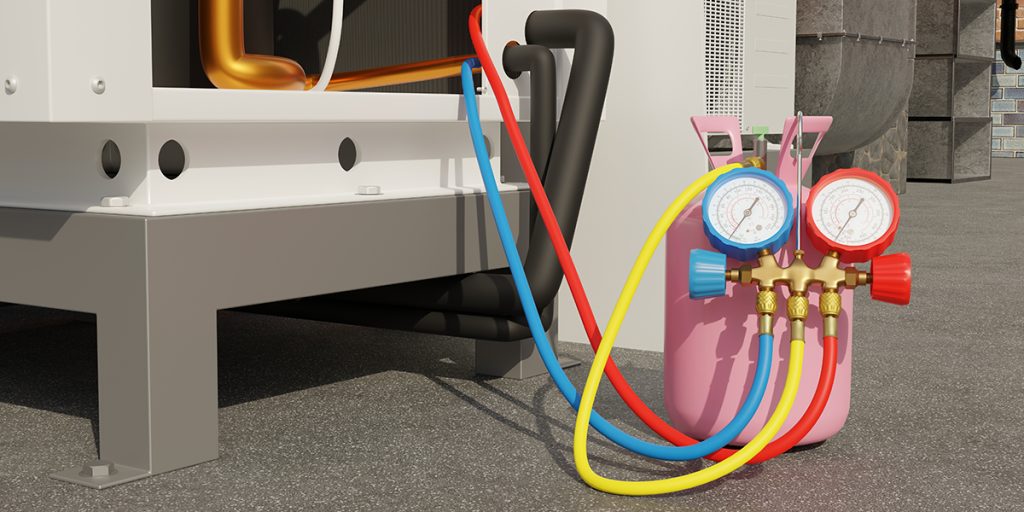
- Locate the service valve where coolant is added.
- Use proper tools to open the valve carefully.
- Check the type of coolant needed for your AC model.
- Attach the refill hose securely to the valve.
- Slowly add coolant while watching the pressure gauge.
- Close the valve tightly once the coolant is full.
- Check for leaks and clean up any spills.
- Turn on the AC and test if it cools properly.
Environmental Considerations
Coolants can harm the environment if not handled well. Use safe methods to protect nature.
Always collect and recycle old coolant. Do not release it into the air or water.
- Use approved containers for coolant disposal.
- Take old coolant to recycling centers.
- Do not mix coolant with other chemicals.
- Wear gloves and safety glasses when handling coolant.
- Follow local rules for coolant use and disposal.
Common Coolant Problems
Coolant is essential for air conditioners to work properly. It helps to cool the air by absorbing heat. Without enough coolant, the system cannot cool well.
Sometimes, coolant issues cause the air conditioner to stop working or lose efficiency. Knowing common problems can help you fix or avoid them.
Leaks And Damage
Leaks in the air conditioner can cause the coolant to escape. Damage to pipes or coils often leads to these leaks. When coolant leaks out, the AC cannot cool the air properly.
- Leaks reduce coolant levels quickly.
- Damaged pipes or coils cause poor cooling.
- Leaks can also harm the environment.
- Finding leaks early can prevent bigger problems.
Compatibility Issues
Using the wrong type of coolant can harm the air conditioner. Not all coolants work with every AC model. Mixing different coolants may cause damage.
| Coolant Type | Compatible With | Notes |
| R-22 | Older AC models | Being phased out due to environment |
| R-410A | Newer AC units | More efficient and eco-friendly |
| Mixing Types | Not recommended | Can damage the system |
Maintaining Your Ac System
Air conditioners help keep your home cool and comfortable. Proper maintenance ensures they work well all year.
One common question is whether air conditioners need coolant. This depends on the system and its condition.
Regular Inspections
Regular inspections help find problems early. Check your AC system at least once a year to avoid big issues.
During inspections, a technician checks the coolant levels and looks for leaks. They also clean parts and test the system.
- Check coolant levels to ensure proper cooling
- Look for leaks in pipes and connections
- Clean filters and coils for better airflow
- Test system pressure and performance
Preventive Measures
Preventive measures help your AC last longer. Keep the system clean and fix small problems quickly.
Make sure coolant levels stay correct. Low coolant can cause your AC to stop cooling well and damage parts.
- Replace or clean air filters every 1-3 months
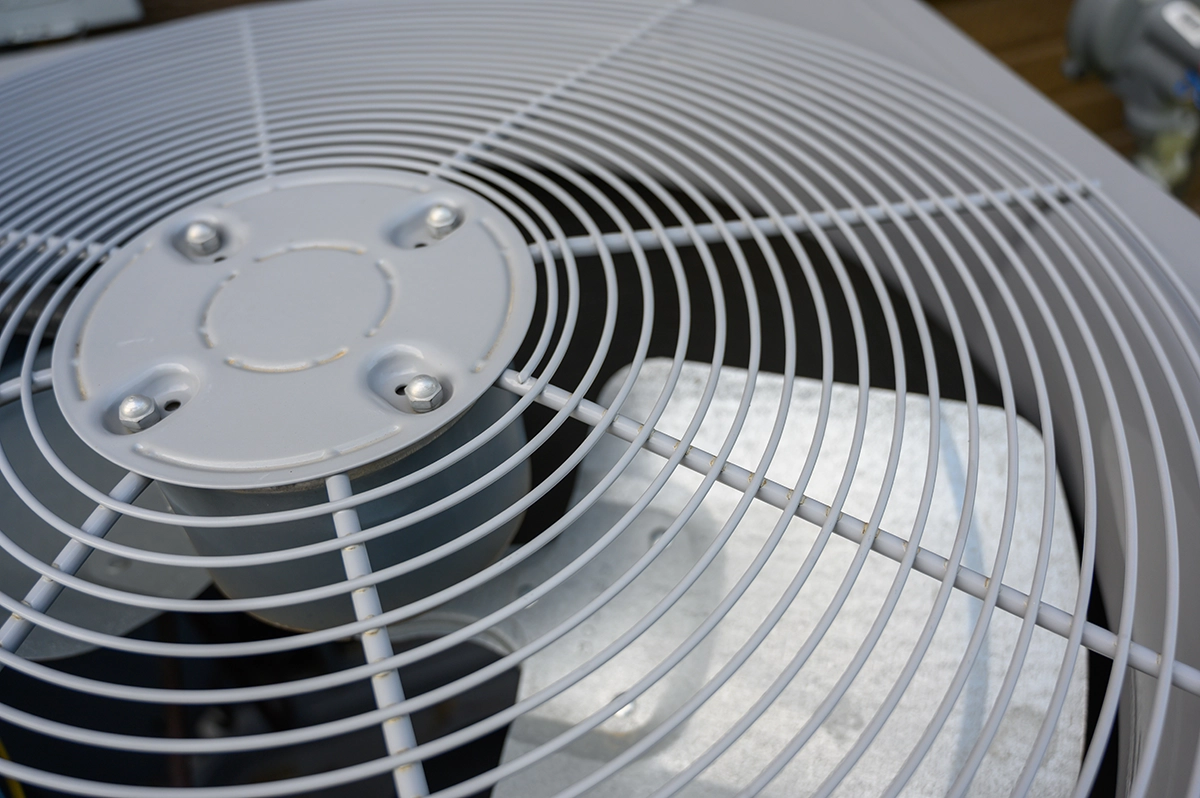
- Keep outdoor unit free from debris and dirt
- Schedule professional maintenance yearly
- Fix leaks to keep coolant at the right level
Credit: pointercoolingandheating.com
Frequently Asked Questions
Do Air Conditioners Require Coolant To Function?
Yes, air conditioners need coolant, also called refrigerant, to absorb and release heat. It enables the cooling process inside the unit efficiently.
How Often Should Ac Coolant Be Refilled?
AC coolant typically lasts several years. Refill only when a leak or low refrigerant levels are detected by a professional technician.
Can I Add Coolant To My Ac Myself?
Adding coolant is best left to professionals. Incorrect handling can damage the system or cause safety hazards.
What Happens If An Ac Runs Without Coolant?
Without coolant, the AC cannot transfer heat properly, leading to poor cooling and potential compressor damage.
Conclusion
Air conditioners need coolant to function properly. It helps in cooling air. Regular maintenance ensures the coolant works efficiently. Without it, the cooling process fails. This can lead to increased energy bills. So, always check your AC’s coolant levels. Keep your home cool and comfortable.
Proper maintenance extends the life of your air conditioner. It also ensures a pleasant indoor environment. Don’t ignore the signs of low coolant. A well-maintained AC keeps your space refreshing. Stay cool and enjoy the comfort.