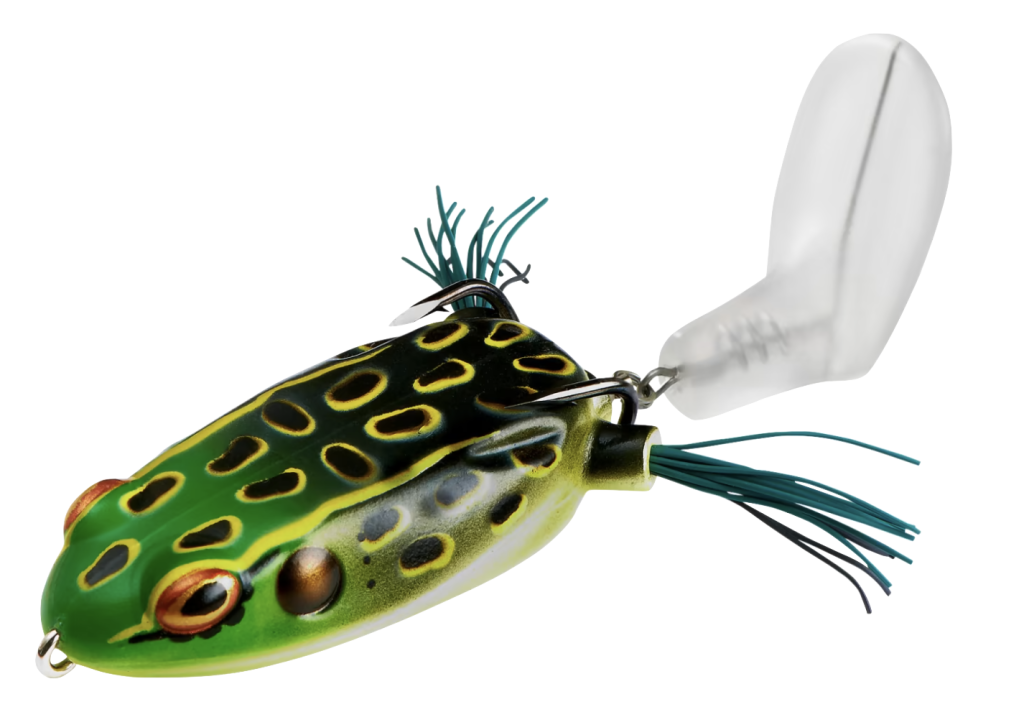
If you want to catch more fish, learning how to fish with a frog lure can change the game. This simple yet effective technique mimics the real movement of frogs on the water’s surface, attracting big bass and other predators right to your line.
Whether you’re a beginner or have tried frog fishing before, this guide will give you clear steps and insider tips to boost your success. Ready to make your next fishing trip unforgettable? Keep reading to master the art of fishing with a frog lure and reel in more strikes than ever.
Choosing The Right Frog Lure
Fishing with frog lures can be exciting and effective. Picking the right frog lure helps catch more fish in different waters.
Frog lures come in many styles and features. Knowing what to choose makes fishing easier and more fun.
Topwater Vs. Hollow Body Frogs
Topwater frogs float on the water surface. They create splashes that attract fish. Hollow body frogs are lighter and float better. They mimic real frogs and move naturally.
Choose topwater frogs for open water and heavy cover. Hollow body frogs work well in weeds and lily pads.
Color And Size Selection
- Match lure color to the local frog species for realism.
- Use bright colors in murky water to increase visibility.
- Pick smaller frogs for clear water and less pressure.
- Choose bigger frogs when fish target larger prey.
- Consider weather: dull colors on cloudy days, bright on sunny days.
Hook And Weed Guard Features
| Feature | Purpose | Benefit |
| Sharp Hooks | Penetrate fish mouths easily | Increase hook-up rate |
| Weed Guards | Protect hooks from snagging plants | Allow fishing in heavy cover |
| Durable Materials | Withstand bites and water conditions | Last longer and save money |

Credit: www.lurenet.com
Best Gear For Frog Fishing
Fishing with frog lures needs the right gear for success. Using proper equipment helps you catch more fish and makes fishing easier.
Here we explain the best rod and reel, line types, and extra tackle you need for frog fishing.
Rod And Reel Setup
Choose a rod that is strong but flexible. A medium-heavy or heavy power rod works well. The rod should be 6 to 7 feet long for better control. Pair it with a baitcasting reel for accurate casting and strong drag control.
Line Types And Strength
Using the right fishing line is important. You want a line that can handle heavy cover and strong fish. Braided line works best because it is strong and has little stretch.
- Use 50 to 65-pound test braided line for heavy cover.
- Use a fluorocarbon leader of 20 to 30 pounds for better invisibility in water.
- Make sure the knot is strong to avoid losing fish.
Additional Tackle Essentials
| Item | Purpose |
| Frog Lures | Attract bass in heavy weeds and lily pads |
| Forceps | Remove hooks safely from fish |
| Hook Sharpeners | Keep hooks sharp for better hook sets |
| Pliers | Help in handling fish and tackle |
| Waterproof Tackle Box | Keep gear dry and organized |
Ideal Conditions For Frog Fishing
Frog fishing can be very effective if you pick the right conditions. Knowing when and where to fish helps you catch more bass and other fish species.
This guide covers the best water temperature and seasons, the right time of day, and where frogs like to hide.
Water Temperature And Season
Frogs work best in warm water. Fish are more active when the water temperature is just right. The best seasons are late spring through summer.
| Water Temperature | Best Season |
| 65°F to 85°F (18°C to 29°C) | Late Spring to Summer |
| Below 60°F (15°C) | Less Effective |
Time Of Day Insights
Frogs are more active during certain times. Early morning and late evening are the best times to fish with frog lures. Fish feed near the surface at these times.
- Early morning (dawn to 9 AM)
- Late afternoon (4 PM to dusk)
- Avoid midday when fish hide deeper
Habitat Preferences
Fish like to hide where frogs live. Look for shallow water with plants, lily pads, or logs. These spots offer cover for both frogs and fish.
- Weedy shorelines
- Lily pad beds
- Near fallen trees or branches
- Shallow ponds or calm lake edges
Techniques To Fish Frog Lures
Frog lures are perfect for fishing in shallow waters and heavy vegetation. They mimic frogs on the surface, attracting bass and other fish.
Using the right techniques will help you catch more fish with frog lures. Focus on your casting, retrieval, and how you work the lure near cover.
Casting And Retrieval Tips
Accurate casting is key to fishing frog lures well. Aim near lily pads, weeds, or shore edges where frogs usually hide.
- Use a heavy rod to handle the frog lure’s weight.
- Cast beyond the target and let the lure land softly on water.
- Retrieve slowly to keep the frog on the surface and create natural movement.
- Vary your speed to find what attracts fish best that day.
Pause And Twitch Methods
Pause and twitching make the frog lure look like a real frog. This triggers strikes from curious fish.
- Cast the lure and let it sit still for a few seconds.
- Twitch the rod tip to make the lure move slightly.
- Pause again to let the fish strike.
- Repeat this pattern to keep fish interested.
Dealing With Heavy Cover
Frog lures work great in heavy cover, but you need special tactics to avoid snags and lost lures.
| Tip | How to Apply |
| Use strong hooks | Choose weedless frog lures with sharp, durable hooks |
| Slow retrieval | Move the lure gently to avoid getting stuck |
| Watch your line | Keep tension to feel bites and pull free from weeds |
| Fish edges | Cast near the edge of cover, not deep inside |
Reading Bass Behavior
Fishing with a frog lure takes patience and skill. Understanding bass behavior helps you catch more fish. Watching their movements tells you where to cast and how to move your lure.
Bass react differently depending on water, weather, and time of day. Learning to read these signs makes your fishing trips more successful.
Identifying Strike Zones
Bass often hide where they feel safe and can ambush prey. Look for cover like lily pads, fallen trees, and grass beds. These spots are prime strike zones for frog lures.
- Shallow water near vegetation
- Edges of weed beds
- Under overhanging branches
- Near docks or submerged structures
Recognizing Bass Reactions
Bass show different reactions when they see your frog lure. Watch their body language to know if they are interested or spooked. Quick dashes and splashes mean a strike may happen.
| Reaction | Meaning |
| Slow approach | Curious but cautious |
| Quick strike | Aggressive attack |
| Ignoring lure | Not hungry or spooked |
| Following lure | Interested but hesitant |
Adjusting Techniques On The Fly
Change your frog lure actions based on bass reactions. If the fish follow but do not bite, try slowing the lure or adding pauses. If bass strike quickly, keep a steady rhythm.
Here are quick tips to adjust your technique:
- Pause longer near cover to entice strikes
- Use short twitches to mimic a fleeing frog
- Speed up retrieval when bass are aggressive
- Change lure color if fish ignore your frog
Common Mistakes To Avoid
Fishing with a frog lure can be exciting and productive. Still, many anglers make simple mistakes that reduce their catch.
Knowing what to avoid helps you fish smarter and catch more bass or other fish. Read on for some common errors to watch out for.
Overworking The Lure
Moving the frog lure too much can scare fish away. It should look like a real frog, resting or hopping slowly on the water surface.
- Use short, gentle twitches instead of fast jerks.
- Pause often to let the lure sit still.
- Avoid dragging the lure too quickly across the water.
- Watch how fish react and adjust your movement.
Ignoring Weather Changes
Weather affects fish activity and feeding habits. Ignoring these changes can lower your chances of success.
| Weather Condition | Best Frog Lure Action |
| Sunny and Hot | Slow, subtle movements with pauses |
| Cloudy or Overcast | More active and frequent twitches |
| After Rain | Cast near flooded areas or shaded spots |
| Windy | Keep the lure close to cover and move steadily |
Poor Hook Set Timing
Many anglers miss fish by setting the hook too early or too late. The key is to wait until you feel a solid pull.
Follow these tips for better hook sets:
- Wait until the fish fully takes the lure.
- Feel for weight or a strong tug before pulling.
- Set the hook with a firm, quick motion upward.
- Do not yank the rod too hard to avoid losing the fish.
Advanced Frog Fishing Strategies
Frog fishing is a popular technique for catching bass. It requires skill and the right approach. This guide covers advanced strategies to improve your success.
Using the right lure combinations, targeting bass of different sizes, and fishing at night can boost your catch rate. Learn how to apply these tactics effectively.
Using Topwater Combinations
Combining frog lures with other topwater baits can attract more fish. Different combinations create unique surface actions that bass find hard to resist.
- Pair a hollow-bodied frog with a buzzbait for added noise.
- Use a popper lure alongside a frog to create splashes.
- Cast a frog near a walking bait for varied motion.
- Try a frog with a spinnerbait in heavy cover for flash and vibration.
Targeting Different Bass Sizes
Adjust your frog fishing approach based on the bass size you want to catch. Smaller and larger bass have different feeding habits and preferred lure sizes.
| Bass Size | Recommended Frog Size | Best Retrieve Speed |
| Small (under 2 lbs) | 2-3 inches | Slow and steady |
| Medium (2-5 lbs) | 3-4 inches | Moderate with pauses |
| Large (over 5 lbs) | 4-5 inches | Fast with erratic twitches |
Nighttime Frog Fishing Tips
Night fishing with frogs requires special tactics. Bass hunt differently in the dark, so you must adapt your lure and technique.
- Use dark-colored or glow-in-the-dark frogs for better visibility.
- Focus on areas with lily pads and heavy vegetation where bass rest.
- Cast near structure and use a slow, steady retrieve to mimic prey.
- Keep noise minimal to avoid spooking fish.

Credit: www.youtube.com

Credit: anglersresource.net
Frequently Asked Questions
What Is A Frog Lure In Fishing?
A frog lure mimics a frog’s movement on water. It attracts bass and other predatory fish by floating and splashing. It is ideal for fishing in heavy vegetation or lily pads where fish hide.
How Do You Retrieve A Frog Lure Effectively?
Use a slow, steady retrieve with occasional pauses. Twitch the lure gently to mimic a frog’s hopping. Vary speed to trigger strikes and keep fish interested.
When Is The Best Time To Use Frog Lures?
Early morning and late evening are prime times. Fish are most active near surface during these hours. Warm, calm days also improve frog lure success.
What Type Of Fishing Line Works Best With Frog Lures?
Use braided line for strength and sensitivity. It resists abrasion from weeds and cover. A 30-50 pound test line is ideal for heavy cover.
Conclusion
Frog lures can transform your fishing experience. They mimic real frogs effectively. Cast near lily pads and weeds for best results. Keep your rod tip high for better control. Watch for subtle bites and set the hook quickly. Practice patience; it often takes time.
Enjoy the thrill of topwater strikes. Remember, practice improves your technique. Stay persistent and have fun on the water. With these tips, you’re ready to catch more fish. Enjoy your fishing adventures!