Getting your fishing line properly installed on your reel can make all the difference between a great day on the water and a frustrating one. If you’ve ever struggled with tangled lines or poor casting, you’re not alone.
But don’t worry—this guide will walk you through every step to make sure your line is set up right, so you can fish with confidence and focus on the thrill of the catch. Ready to learn how to install fishing line on your reel quickly and easily?
Let’s dive in and get you casting like a pro.

Credit: www.youtube.com
Choosing The Right Fishing Line
Picking the right fishing line helps you catch more fish. It also protects your gear and makes fishing easier.
This guide covers types of fishing lines, how to pick line strength, and which conditions affect your choice.
Types Of Fishing Lines
There are three main fishing lines: monofilament, fluorocarbon, and braided. Each has different uses and features.
- Monofilament:Easy to use and stretchable. Good for beginners.
- Fluorocarbon:Less visible underwater. Good for clear water fishing.
- Braided:Very strong and thin. Good for heavy cover and big fish.
Selecting Line Strength
Line strength is measured in pounds (lb). It shows how much weight the line can hold before breaking.
| Fishing Target | Recommended Line Strength (lb) |
|---|---|
| Small fish (e.g., panfish, trout) | 2 – 6 |
| Medium fish (e.g., bass, walleye) | 8 – 12 |
| Large fish (e.g., pike, salmon) | 15 – 30 |
Considering Fishing Conditions
Fishing conditions affect your line choice. Think about water type, weather, and cover.
- Clear water:Use low visibility lines like fluorocarbon.
- Weedy or rocky areas:Use strong braided lines to resist abrasion.
- Cold weather:Use lines that stay flexible in low temperatures.
- Saltwater fishing:Use corrosion-resistant lines made for saltwater.

Credit: windrider.com
Preparing Your Reel
Before installing fishing line on a reel, you need to prepare the reel carefully. A clean and well-set reel helps the line work smoothly and lasts longer.
Focus on cleaning the reel, checking the spool, and setting the drag system. These steps make sure your reel is ready for the new line.
Cleaning The Reel
Remove dirt, salt, and old grease from the reel parts. Use a soft cloth and mild soap with water. Dry the reel fully before adding new line.
- Wipe the reel body and handle
- Clean the spool surface gently
- Remove old grease from gears
- Dry all parts well
Checking The Spool
Look for cracks or dents on the spool. Check that it spins freely without wobbling. A damaged spool can cause line problems.
| Spool Condition | Action Needed |
| Clean and smooth | Ready for line |
| Minor dirt or grease | Clean with cloth |
| Cracks or dents | Replace spool |
| Sticky or tight spin | Lubricate or repair |
Setting The Drag System
The drag system controls the line tension during fishing. Adjust it to the right level before installing the line to avoid damage.
Follow these tips for drag adjustment:
- Turn the drag knob clockwise to increase tension
- Turn it counterclockwise to decrease tension
- Set drag tight enough to hold a fish, but not so tight it breaks the line
- Test drag by pulling the line by hand
Attaching The Line To The Reel
Attaching the fishing line to the reel is the first step to prepare your gear. It ensures the line stays secure during casting and reeling.
Using the right knot and securing the line properly helps prevent slippage and line damage.
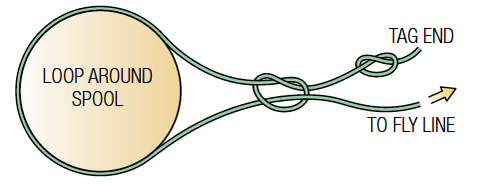
Tying The Arbor Knot
The arbor knot is the best choice to tie the line to the reel spool. It holds the line tightly and is easy to tie.
Follow these steps to tie the arbor knot:
- Pass the line around the reel spool.
- Tie an overhand knot around the main line.
- Make a second overhand knot on the tag end.
- Pull both knots tight against the spool.
- Trim the excess tag end close to the knot.
Securing The Line Properly
After tying the arbor knot, wind the line evenly onto the reel spool. This prevents tangles and improves casting.
Keep the line tight while winding. Avoid loose loops that can cause knots and breaks.
- Hold the line with slight tension during winding.
- Wind the line smoothly and evenly across the spool.
- Fill the spool to about 1/8 inch below the rim.
- Check for twists or tangles as you wind.
Spooling The Line
Spooling the line on a fishing reel is key for good fishing. It helps the line move smoothly and prevents problems.
Doing it right saves your fishing line and makes casting easier. Let’s look at how to spool the line properly.
Maintaining Tension
Keep steady pressure on the line while spooling. This stops loose loops and tangles.
You can hold the line with your fingers or use a cloth to grip it tightly. The line should wind tight but not stretch.
- Hold the line firmly between thumb and finger
- Keep tension steady as you turn the reel handle
- Do not let the line slack or it may tangle
Avoiding Line Twists
Line twists cause knots and weak spots. Avoid them by spooling the line carefully.
Make sure the line comes off the spool in the same direction it goes onto your reel. This stops twists from forming.
- Place the new line spool so it spins freely
- Match the line direction to your reel’s spool
- Stop and check often for twists as you spool
Filling The Spool Correctly
Fill the spool with line evenly and not too full. Overfilling can cause tangles and line breakage.
Leave about 1/8 inch of space from the spool edge. This gives room for the line to move during casts.
- Wind the line in neat, tight layers
- Do not overfill or underfill the spool
- Check the spool edge to leave a small gap
Final Checks
After installing the fishing line on your reel, it is important to do final checks. These checks ensure your line is secure and ready for fishing.
Final checks help prevent line problems and improve your fishing experience.
Trimming Excess Line
Cut off any extra fishing line near the reel spool. Leaving too much line can cause tangles and reduce casting distance.
Use sharp scissors or a line cutter for a clean cut close to the knot or spool.
- Leave about a quarter inch of line after the knot
- Trim slowly to avoid cutting the knot or spool
- Check for any loose or frayed ends
Testing The Line Setup
Test your line by pulling on it gently. This checks that the line is tight and well attached to the reel.
Spin the reel handle and watch the line spool. The line should spool evenly without slipping or bunching.
- Pull the line firmly to check the knot strength
- Turn the reel to see if the line feeds smoothly
- Look for any twists or tangles on the spool
Tips For Line Maintenance
Keeping your fishing line in good shape helps you catch more fish. Proper care stops tangles and breaks.
Follow simple steps to store, replace, and protect your fishing line for better use.
Storing Your Reel
Store your reel in a dry, cool place. Avoid sunlight to prevent line damage.
Loosen the drag to reduce pressure on the line and reel parts.
- Keep the reel covered with a cloth or case
- Store reels off the ground to avoid moisture
- Check the line regularly for dirt or damage
Replacing Old Line
Replace fishing line if it looks worn or frayed. Old line breaks easily and loses strength.
Remove all old line from the reel before adding new line. This keeps the reel working smoothly.
- Cut the old line close to the spool
- Clean the reel before spooling new line
- Use the correct type and weight of line for your reel
Preventing Line Damage
Avoid sharp edges and rough surfaces that can cut your line. Check guides and hooks for damage.
Do not overfill the reel spool. Too much line can cause tangles and snaps.
- Rinse line with fresh water after use in saltwater
- Store line away from chemicals and heat
- Inspect line often for nicks and weak spots
Credit: monsterbass.com
Frequently Asked Questions
How Do I Choose The Right Fishing Line For My Reel?
Select a fishing line based on your reel type and fishing style. Consider line strength, material, and reel capacity to ensure optimal performance and durability.
What Is The Best Method To Spool Fishing Line On A Reel?
Attach the line securely to the spool, then wind it evenly while maintaining tension. Avoid overlaps and twists for smooth casting and reeling.
How Much Fishing Line Should I Put On My Reel?
Fill your reel spool about 80-90% full. This prevents line overflows and helps maintain smooth casting and retrieval.
Can I Use Any Fishing Line With Any Reel?
No, match the line type and weight to your reel’s specifications. Using incompatible lines may cause damage or poor performance.
Conclusion
Wrapping up, installing fishing line on a reel is simple. Follow these steps for a smooth process. First, gather your materials. Next, attach the line to the reel. Ensure it’s tight. Then, spool the line evenly. Keep it aligned and untangled.
Finally, test your reel. Make sure everything works well. Practice makes perfect. With patience, you’ll master this skill. Ready to fish with confidence. Enjoy your time on the water. Happy fishing!